If you are home shopping in San Pedro, one of the first surprises is that it does not feel like one uniform coastal neighborhood. A few streets can change the housing style, street pattern, and daily feel in a big way. That can make your search more exciting, but it also means you need to know where to look. This guide will help you understand San Pedro’s main home styles and the micro-areas that matter most for coastal buyers. Let’s dive in.
Why San Pedro Feels So Varied
San Pedro has a long development history that predates Los Angeles consolidation in 1909, and that history still shows up on the ground today. City planning materials describe a community with a small-town feel, a working waterfront identity, and a mix of older neighborhoods and later western expansion.
That layered growth pattern helps explain why older east and central areas tend to follow a traditional grid, while western sections shift toward curving streets and cul-de-sacs. It also explains why some buyers are drawn to historic homes near the core, while others prefer postwar homes or hillside properties with broader views.
For you as a buyer, this means San Pedro is best understood as a set of smaller submarkets. Looking only at the city name can hide real differences in architecture, setting, and day-to-day convenience.
San Pedro Home Styles To Know
Craftsman bungalows
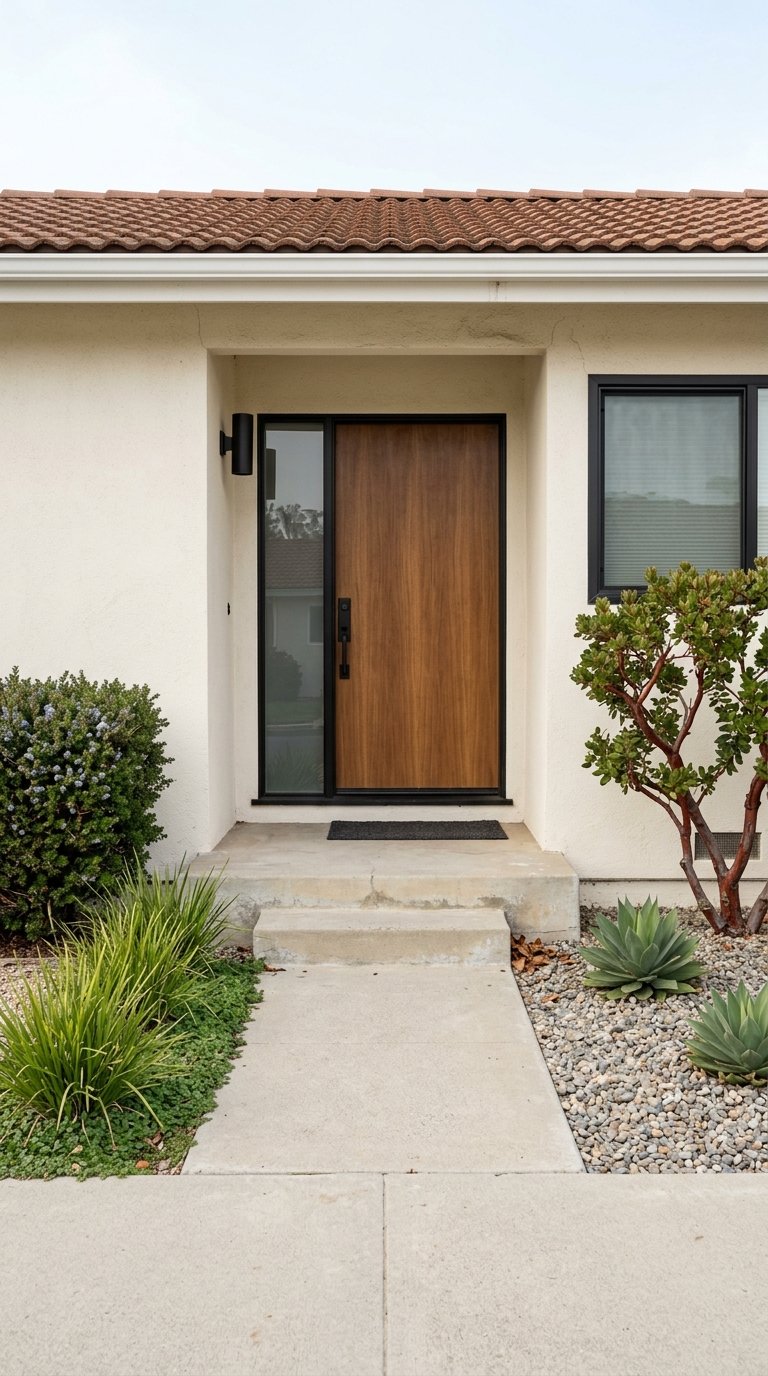
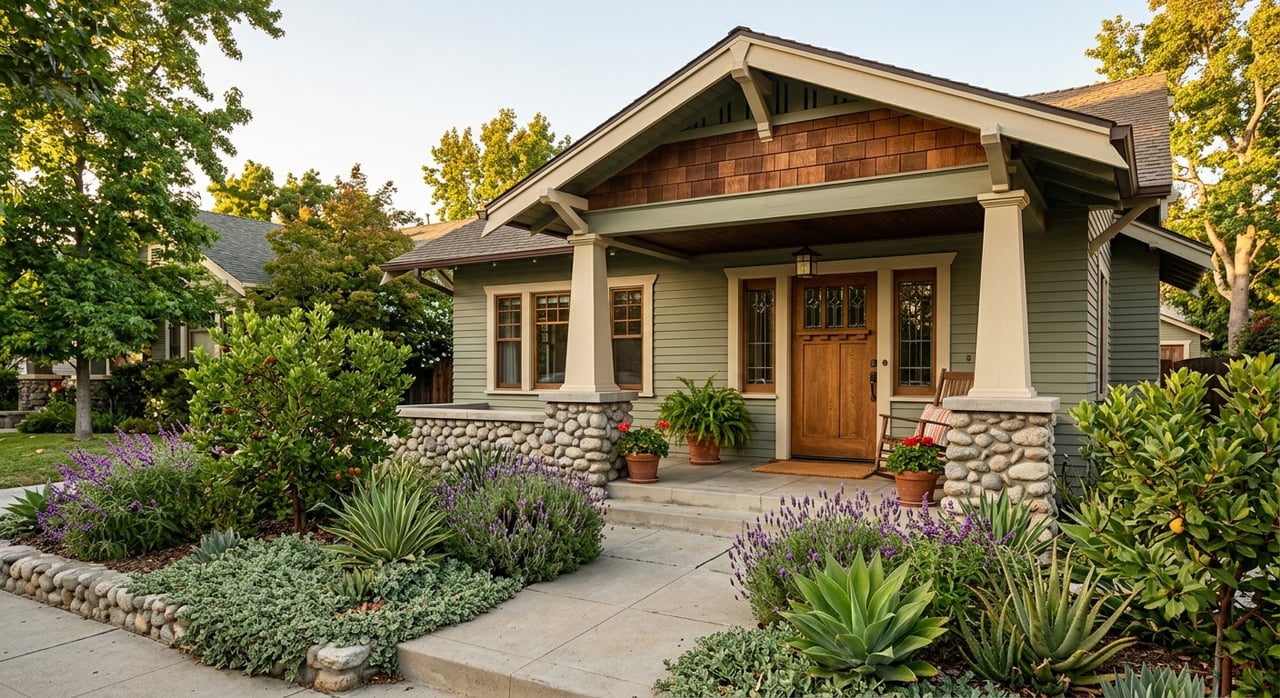
Craftsman homes are a major part of San Pedro’s early housing stock, especially from the 1910s through the 1930s. In Point Fermin, city survey materials specifically note a beach influence expressed through California Craftsman and bungalow architecture.
If you like older homes with character, this is one of the key styles to watch for. You may also see bungalow courts in the area, though planning documents indicate they are less common than apartment houses.
Spanish Colonial Revival homes
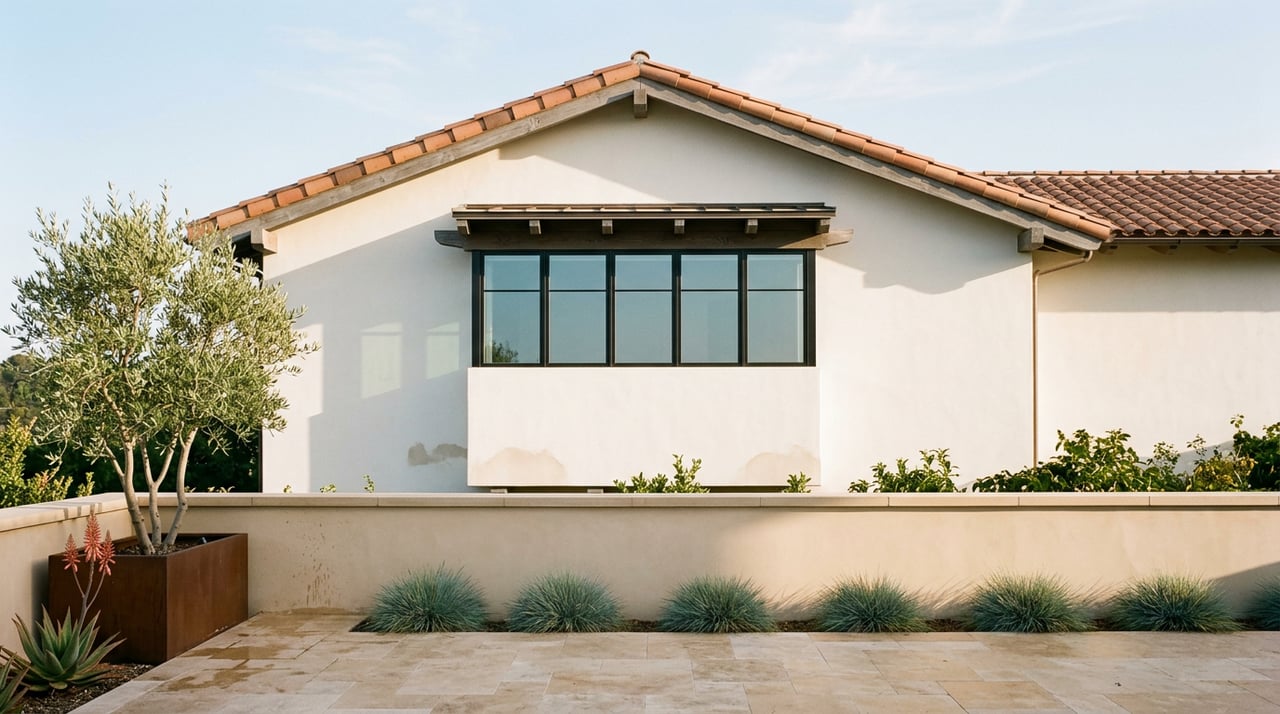
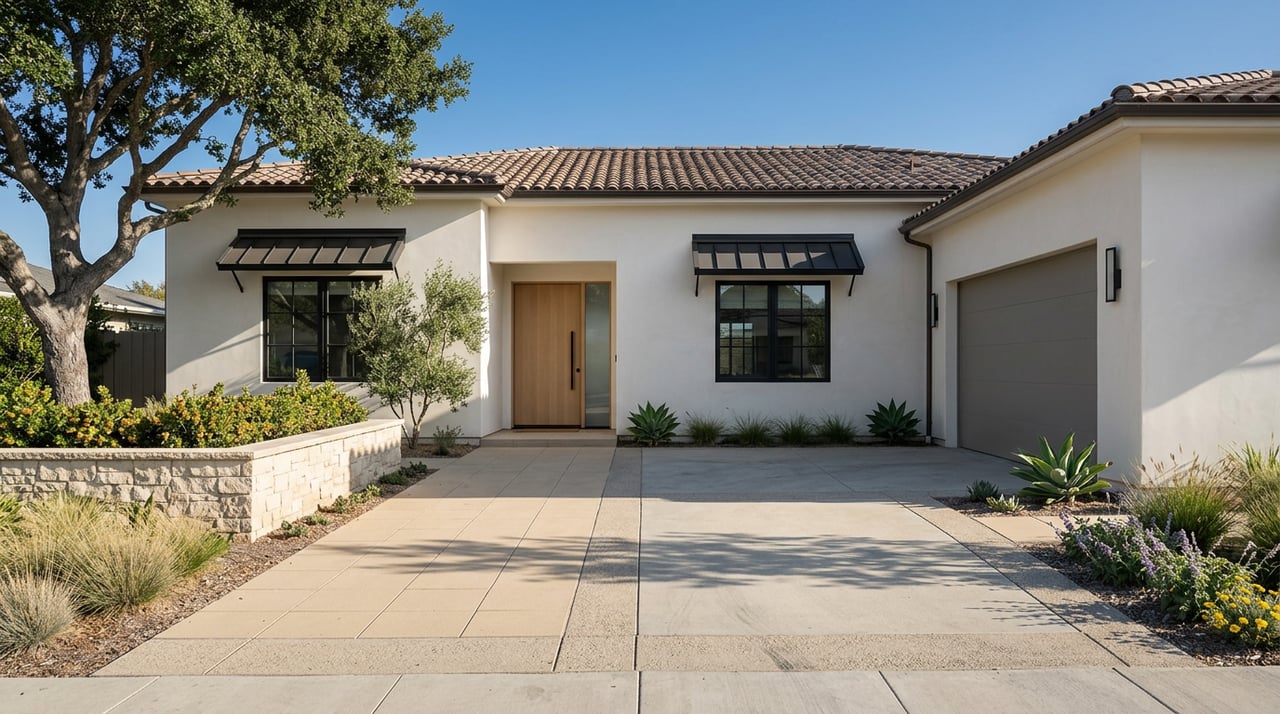
What many buyers casually call “Spanish cottages” in San Pedro are generally best understood as smaller Spanish Colonial Revival homes. City planning survey data identifies Spanish Colonial Revival as one of the prevalent local styles in the 1910s through 1930s period.
These homes often appeal to buyers who want prewar character and a classic Southern California look. You will also find this style represented in historic areas like Vinegar Hill alongside several other early architectural types.
Postwar ranch and modern homes
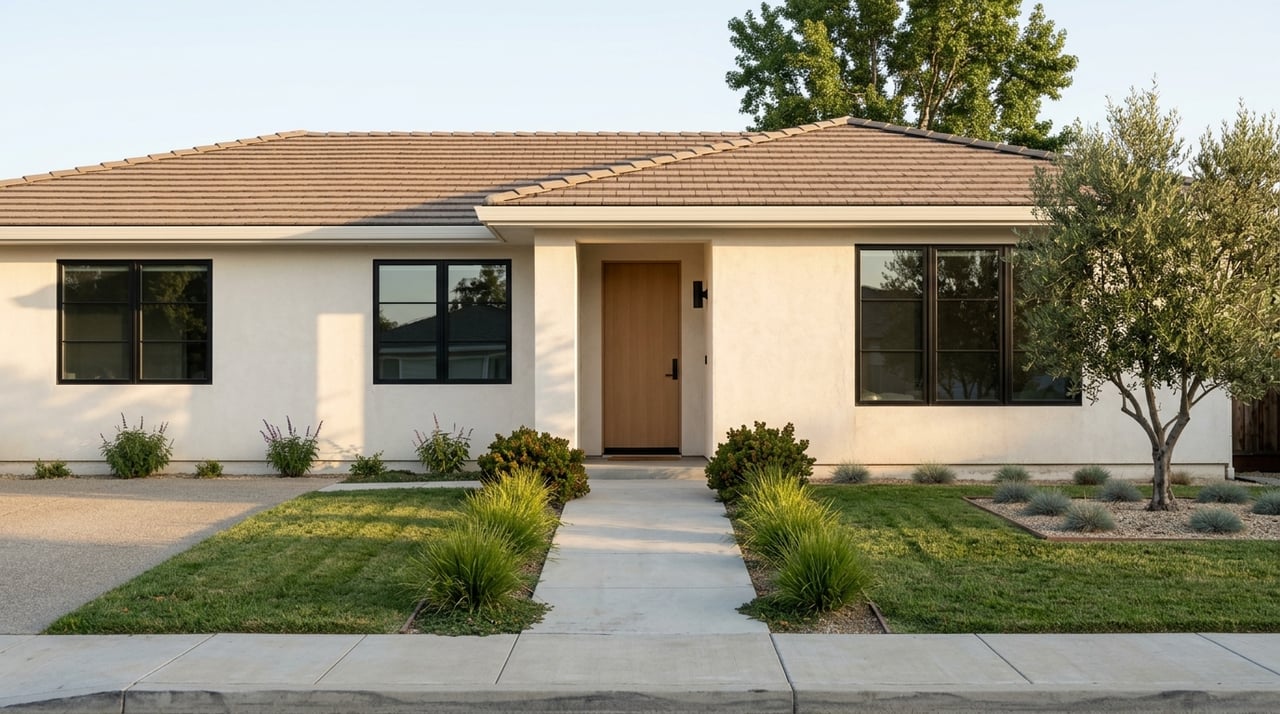
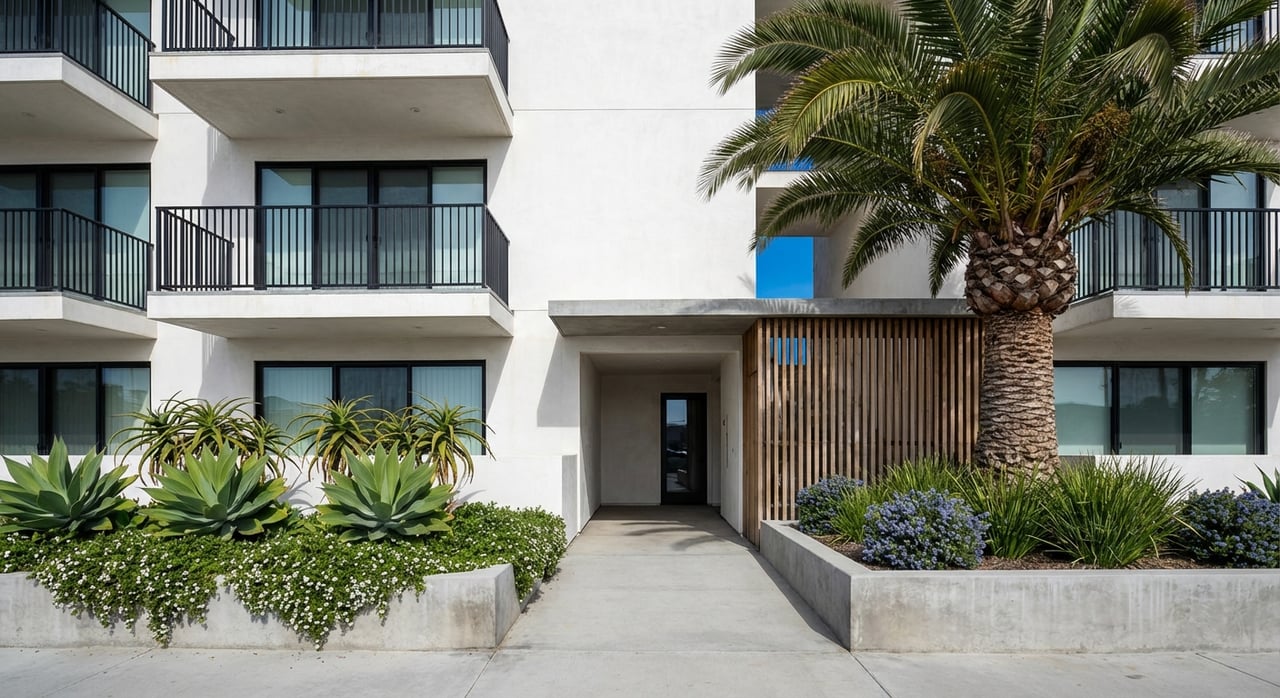
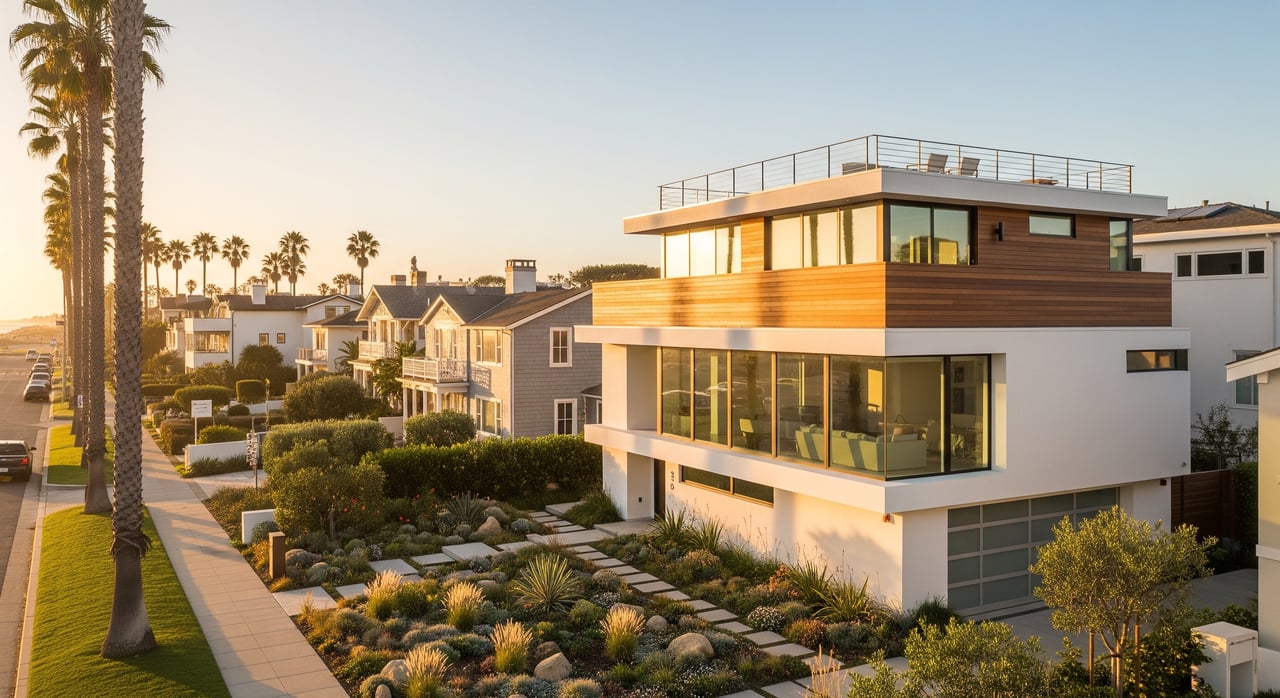
West San Pedro tells a different story than the older central grid. SurveyLA notes that much of the community’s post-World War II development is concentrated in the western area, including large residential developments and commercial strips.
Draft community plan materials add that much of the northwest portion was built between 1960 and 1980, followed later by larger condominium projects in the late 1980s and early 1990s. If you want a more suburban street pattern or mid-century-era housing, this part of San Pedro deserves a closer look.
View-oriented hillside and bluff homes
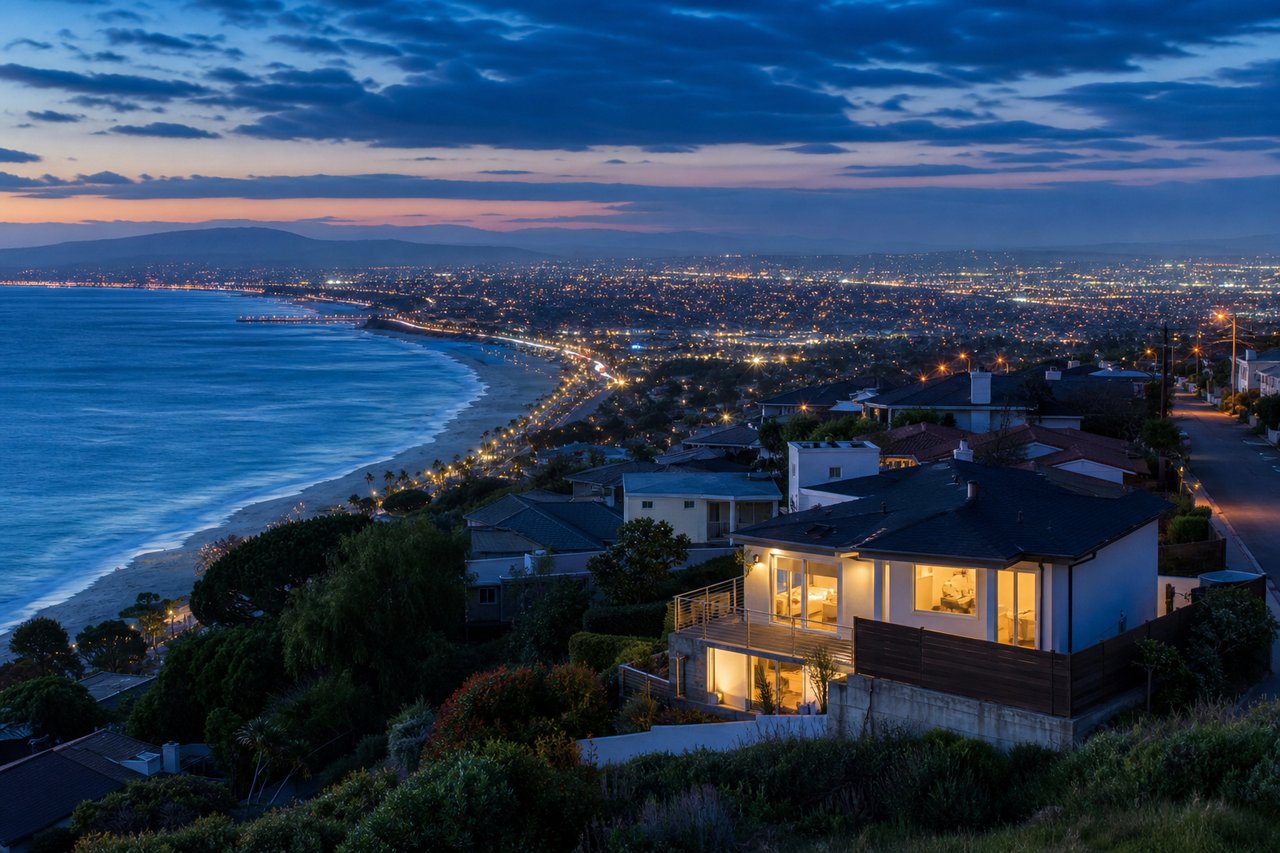
In San Pedro, views are often tied more to topography than simple distance to the water. SurveyLA highlights panoramic port and ocean views from hillside and bluff neighborhoods, along with public staircases and coastal parks that shape the area’s setting.
For many coastal buyers, that is a big draw. At the same time, planning materials note that some bluff-edge areas, especially around Point Fermin and the Sunken City site, are physically distinctive, so the location and lot setting can matter just as much as the view itself.
San Pedro Micro-Areas That Matter
Downtown and LA Waterfront
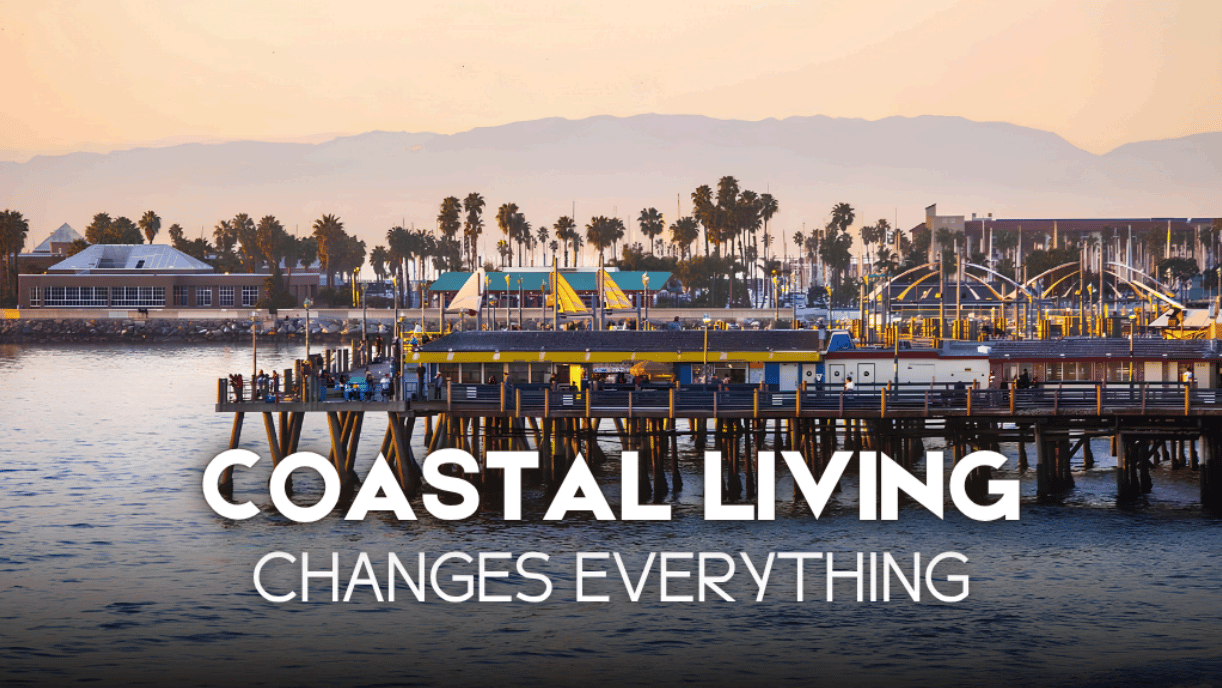
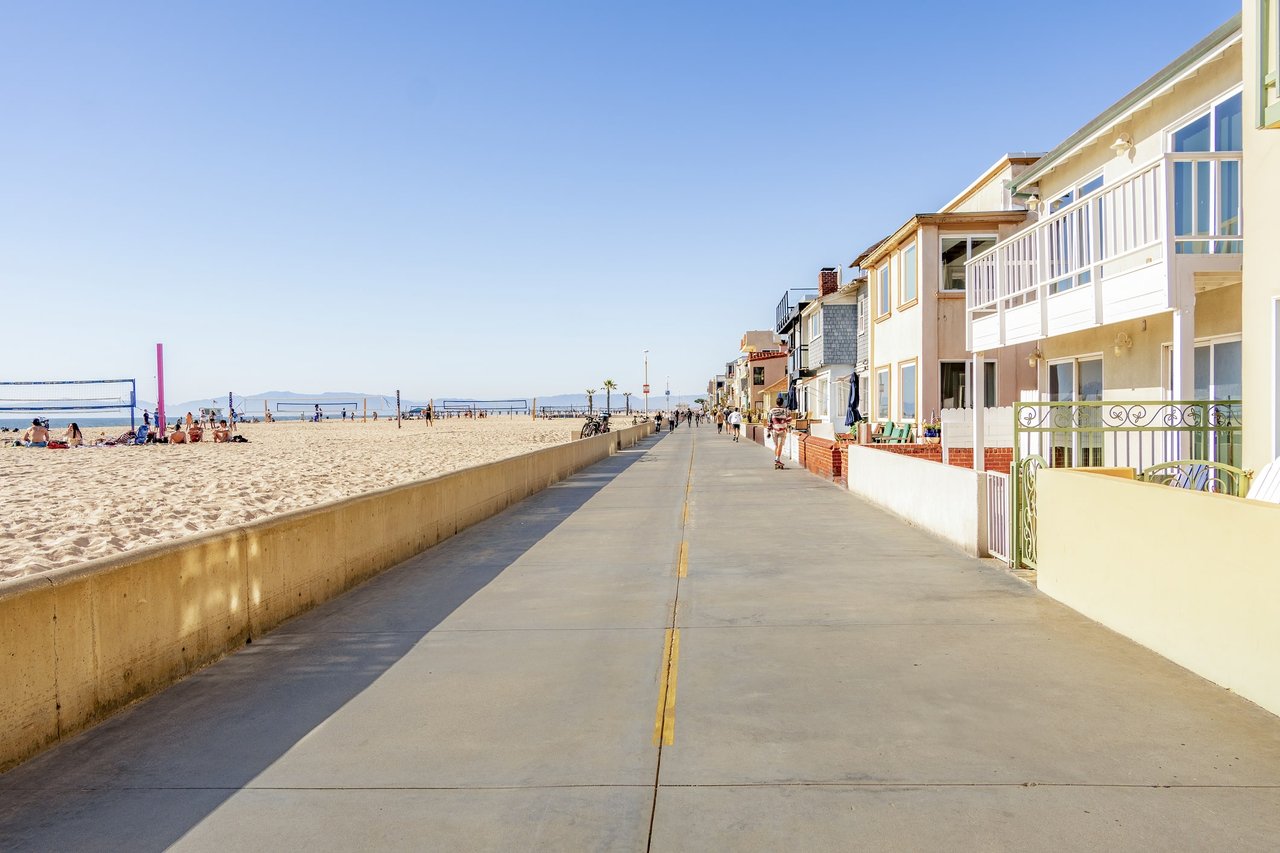
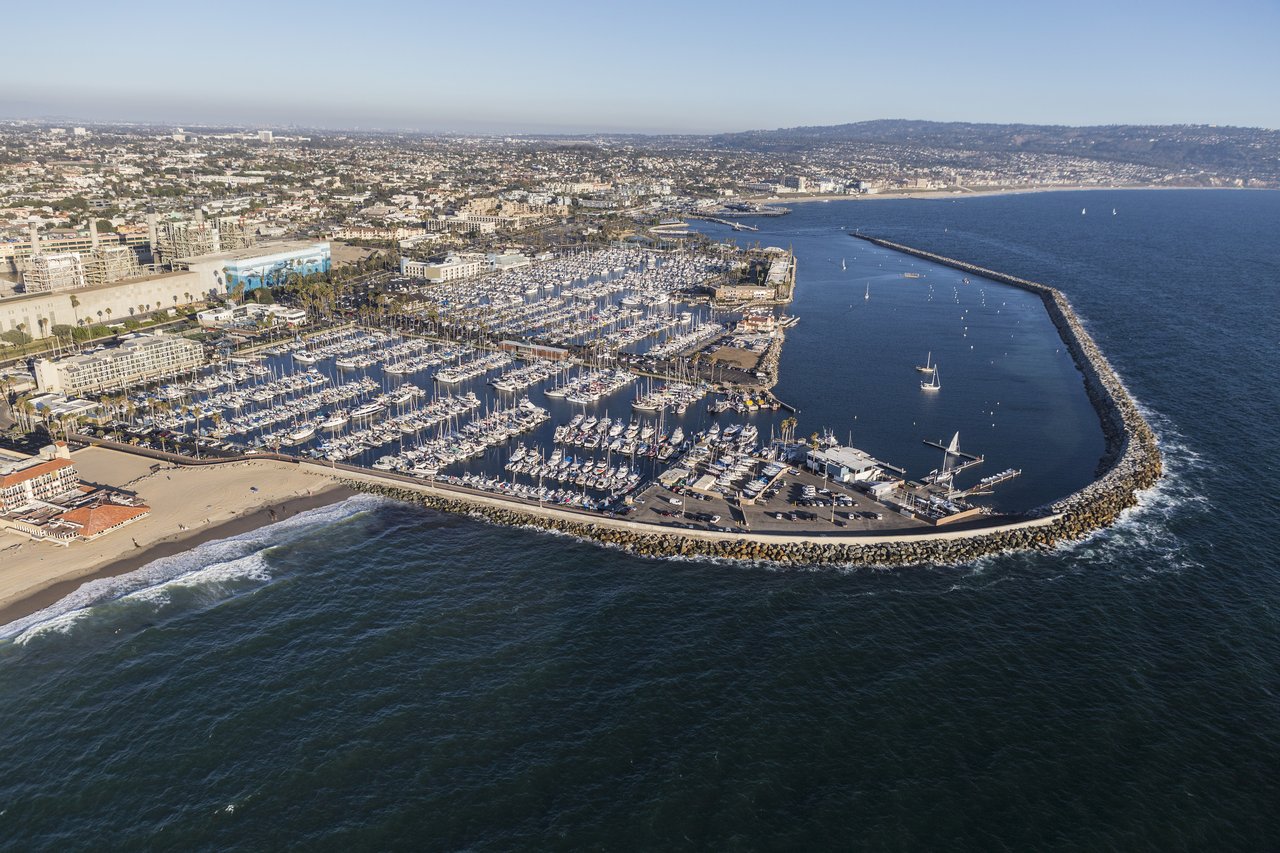
Downtown San Pedro and the LA Waterfront are the most visibly changing parts of the community. Port materials describe the waterfront as a destination with marinas, beaches, museums, historic landmarks, open space, and an arts scene.
The Port completed Phase 1 of the Town Square and Promenade in 2021 to better connect historic downtown San Pedro to the waterfront. Continued programming and investment, including West Harbor event activity, reinforce this area’s role as an amenity-rich, evolving part of the market.
For buyers, this micro-area can be a strong fit if you want proximity to activity, public spaces, and a more urban-coastal feel. It is best thought of as its own lane within San Pedro rather than a stand-in for the whole community.
Point Fermin and the coastal bluffs
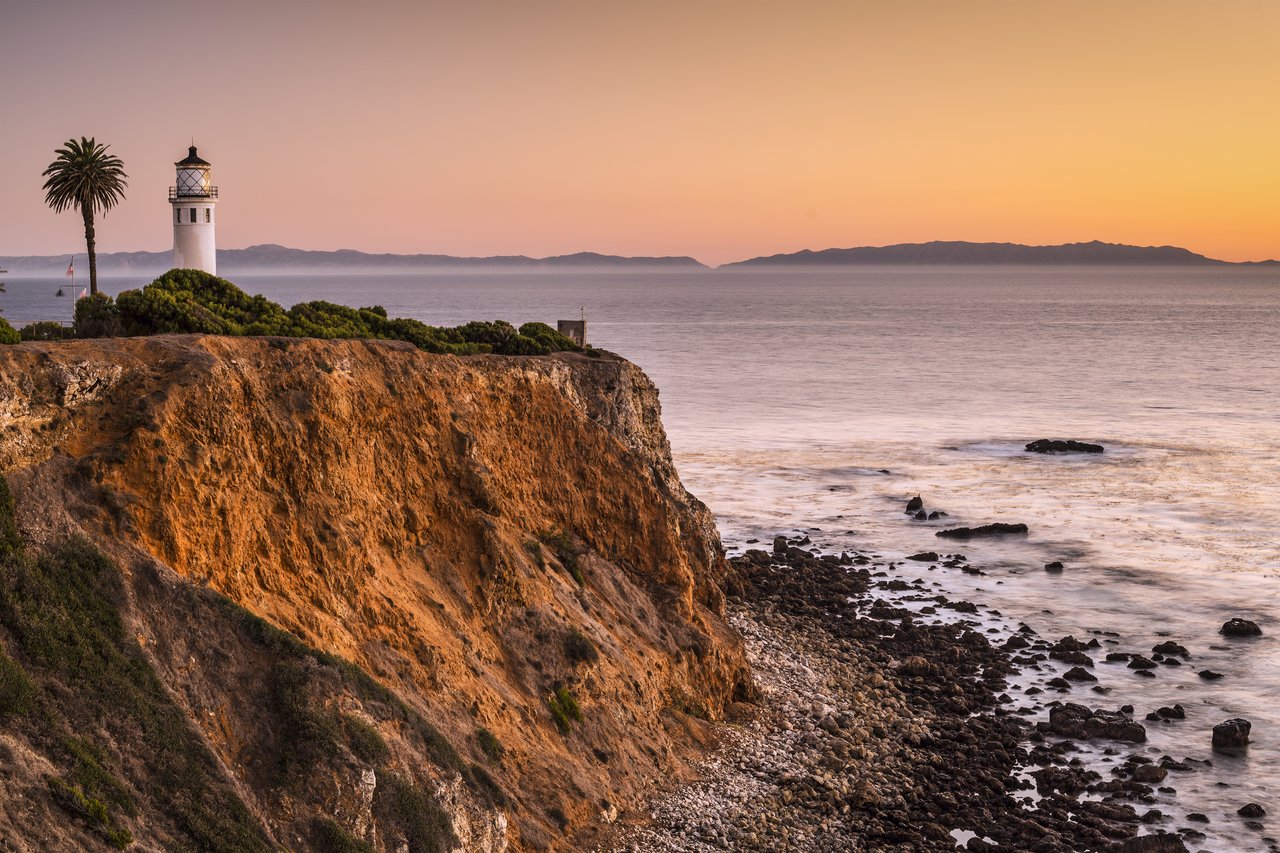
Point Fermin is one of the clearest examples of San Pedro’s coastal identity. Planning materials connect the area to bluff-side topography and older beach-influenced Craftsman and bungalow architecture.
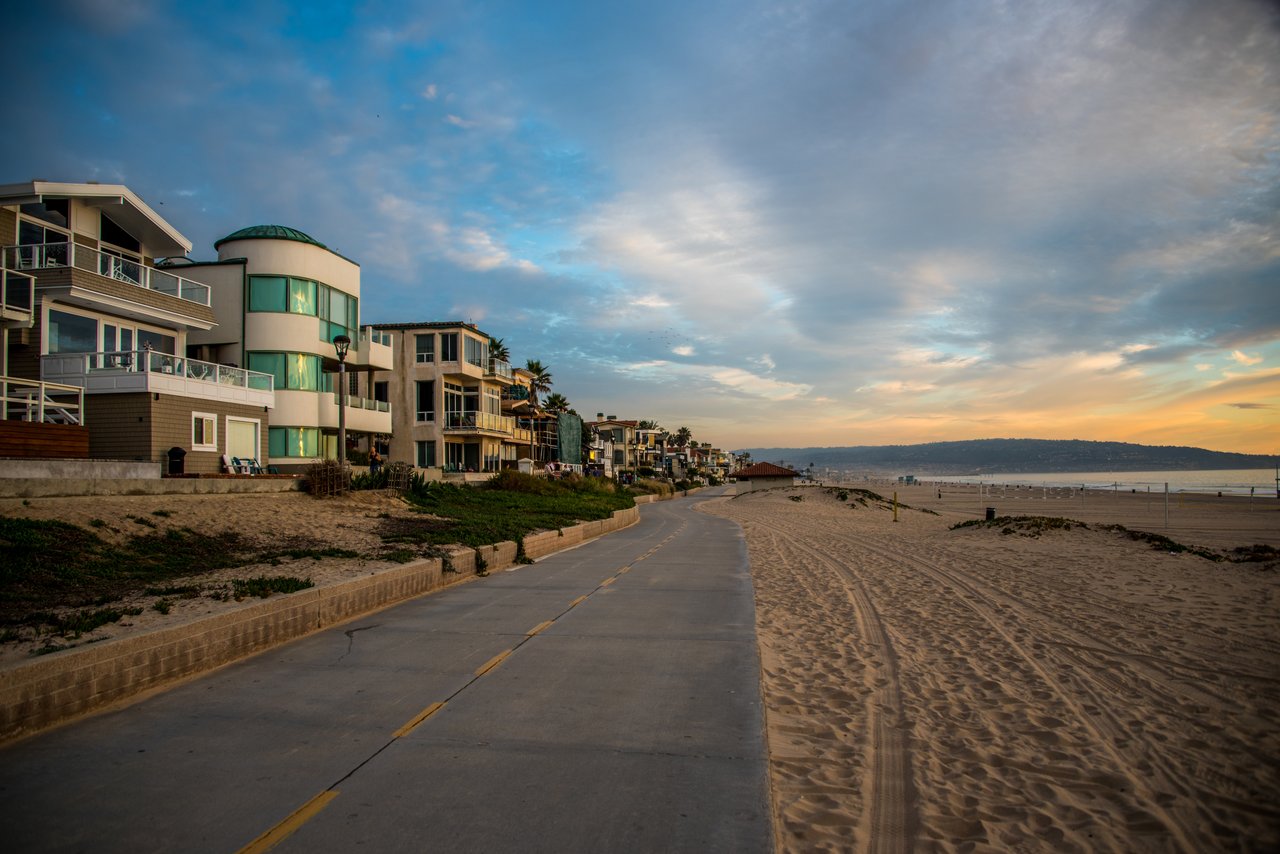
LA Parks describes Point Fermin Park as a place with hiking trails, ocean views, walking paths, picnic areas, and access to the lighthouse and nearby landmarks. For buyers, that can translate to a scenic setting and a quieter edge-of-land feel that is hard to duplicate elsewhere.
If you are looking for atmosphere as much as square footage, Point Fermin often stands out. It tends to appeal to buyers who value older homes, coastal views, and a more distinct sense of place.
Vista del Oro
Vista del Oro is one of the most important central residential pockets in San Pedro. A city historic-monument nomination explains that land west of Meyler Street was subdivided after World War I and heavily marketed from 1919 to 1922, with the area later known as the Vista del Oro District.
In practical buyer terms, this points to 1910s and 1920s character homes on a classic grid. Some streets can also offer elevated harbor or ocean outlooks, which adds another layer of appeal for buyers who want charm plus setting.
This is a useful area to focus on if you are drawn to older housing stock but still want to stay connected to the central part of San Pedro. It often feels like a bridge between historic character and everyday convenience.
South Shores
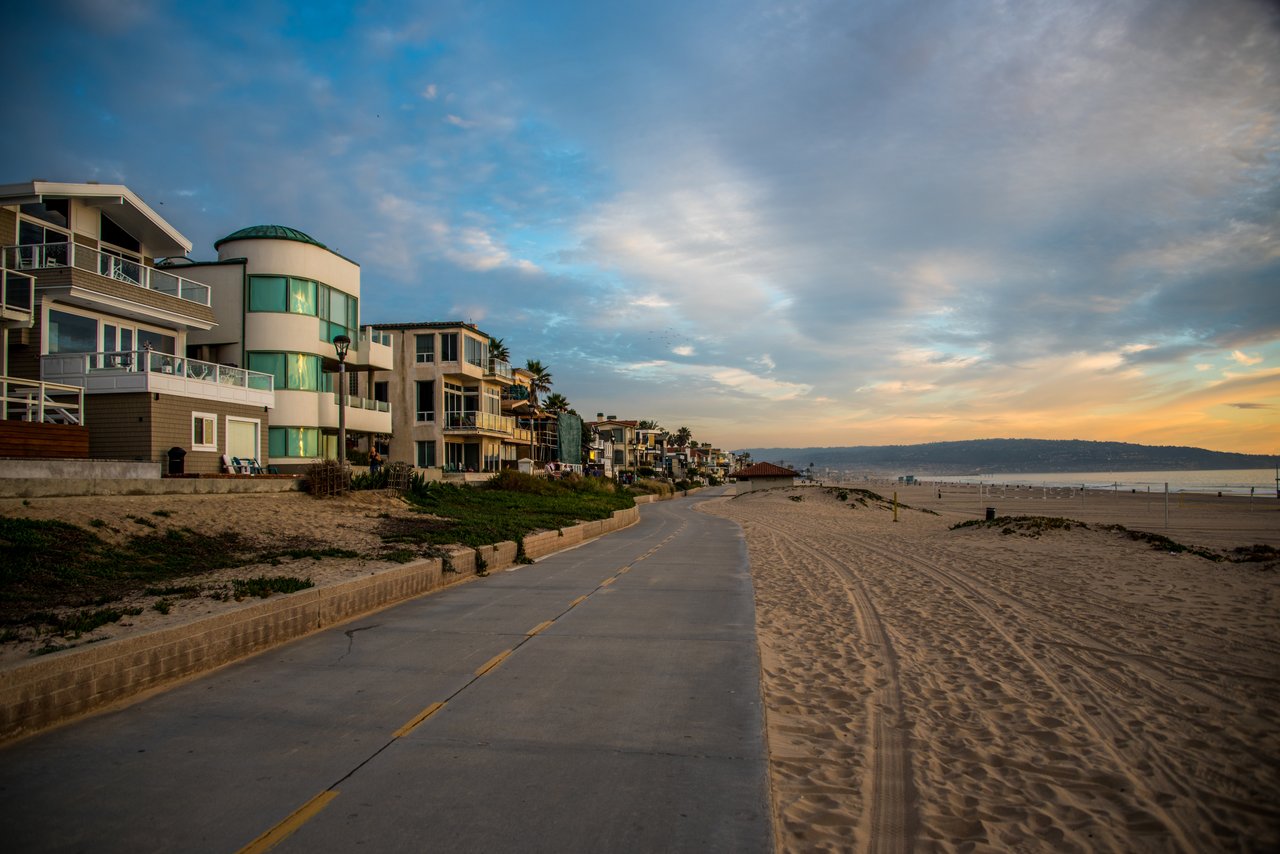
South Shores is a strong reference point for buyers who want postwar coastal housing. The neighborhood association places it on the Palos Verdes Peninsula in San Pedro, between Rancho Palos Verdes and Long Beach, and ties its development history to a 1955 brochure.
The area is divided into Upper and Lower South Shores by West 25th Street. Compared with older parts of San Pedro, this area is more closely associated with mid-century homes and a more planned suburban street pattern.
If your ideal home search includes postwar design, a western location, or a different feel from the older central grid, South Shores may rise to the top quickly. It shows how much San Pedro can shift from one micro-area to another.
Gaffey Street corridor
Gaffey Street functions as one of San Pedro’s major north-south corridors. SurveyLA identifies it as a major thoroughfare lined with dense commercial development.
For buyers, that usually means thinking clearly about lifestyle priorities. Homes near this corridor may offer strong day-to-day convenience to shops and services, while the corridor’s role as a major commercial spine can create a different feel than quieter interior streets.
This does not make it better or worse. It simply makes location within San Pedro especially important when you compare one listing to another.
Vinegar Hill
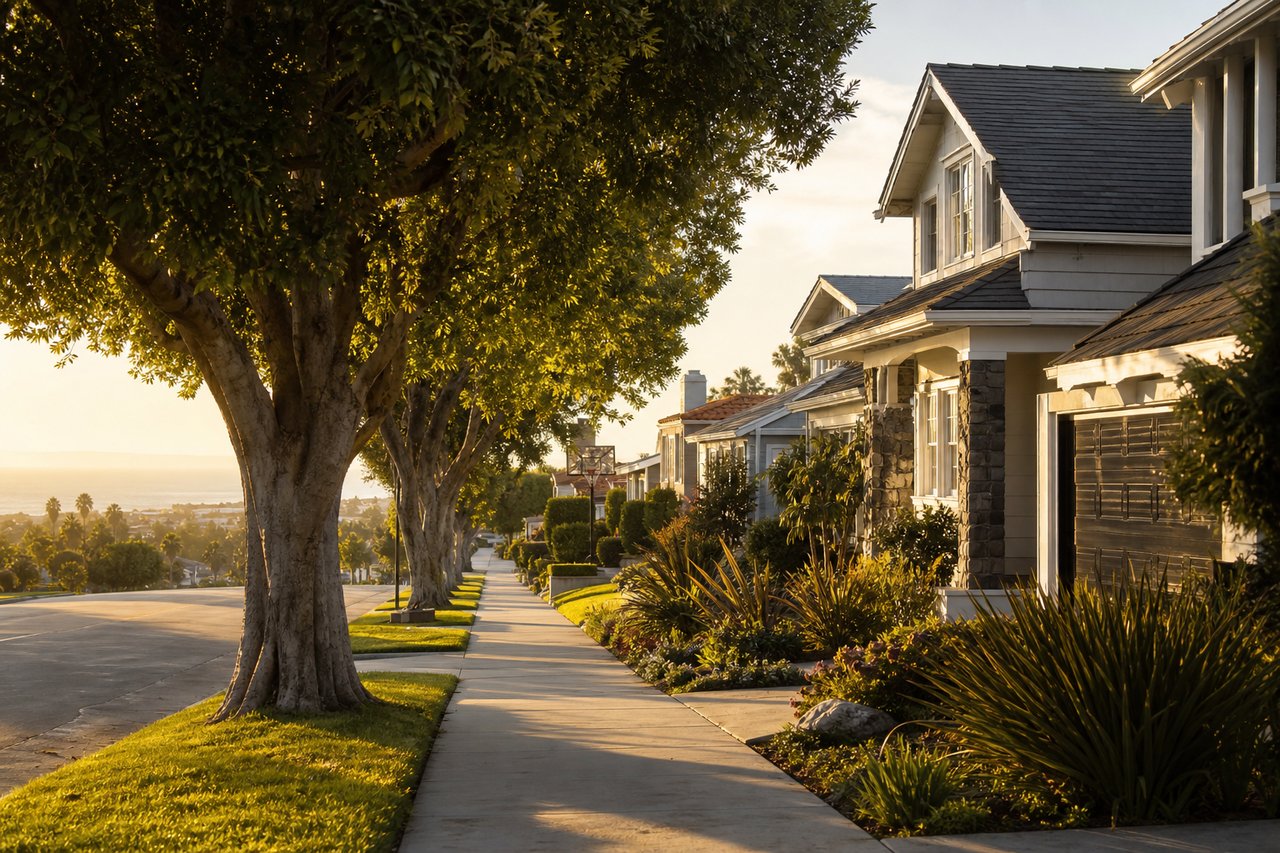
Vinegar Hill is one of San Pedro’s most documented historic pockets. The local HPOZ describes it as an early suburb with tree-lined streets and modest single-family houses built from 1886 through 1927.
Architectural styles in Vinegar Hill include Queen Anne, American Foursquare, Craftsman, American Colonial Revival, and Spanish Colonial Revival. If you are searching for some of San Pedro’s oldest housing stock, this is one of the first places to understand.
For buyers who care about architectural variety and a historic street setting, Vinegar Hill can offer a very specific type of appeal. It stands apart from both the waterfront growth areas and the postwar western neighborhoods.
How To Match Your Style To The Right Area
San Pedro works best when you match your housing goals to the micro-area instead of searching too broadly. A buyer who wants a prewar bungalow may end up in a very different part of town than a buyer looking for a mid-century home or a more suburban street layout.
A simple way to think about it is this:
- For older homes and early architecture: focus on Vinegar Hill, Point Fermin, and central areas around Vista del Oro.
- For postwar and more suburban patterns: look closely at South Shores and western or northwestern San Pedro.
- For amenities and a changing waterfront setting: concentrate on downtown San Pedro and the LA Waterfront.
- For scenery and outlooks: pay attention to hillside and bluff locations where topography creates port or ocean views.
This kind of sorting can save you time and help you avoid comparing homes that may share a ZIP code but offer very different living experiences.
What Coastal Buyers Should Keep In Mind
Many coastal buyers come to San Pedro expecting a single beach-neighborhood identity. In reality, the area is more layered than that. Planning and survey materials support a market made up of historic prewar homes near the older core, 1920s tract housing in central hills, postwar inventory to the west, and scenic bluff-top or hillside properties throughout.
That is good news if you want options. It means you can often narrow your search based on the kind of home, street pattern, and setting that fit your priorities, rather than trying to force every listing into the same idea of “coastal living.”
The key is knowing what each pocket is likely to offer before you start touring seriously. That is where local guidance can make the process feel much more focused and less overwhelming.
If you are comparing San Pedro micro-areas or trying to decide which home style best fits your goals, a local, detail-oriented strategy makes a real difference. You can reach out to Dennis Hartley for calm, practical guidance as you narrow your options.
FAQs
What home styles are common in San Pedro for coastal buyers?
- Common San Pedro styles include Craftsman bungalows, Spanish Colonial Revival homes, postwar ranch homes, later modern housing, and hillside or bluff properties with port or ocean views.
Which San Pedro areas have the oldest homes?
- Vinegar Hill, Point Fermin, and parts of the central grid around Vista del Oro are some of the strongest areas to explore if you want older housing stock and early architectural character.
What is the difference between Point Fermin and South Shores in San Pedro?
- Point Fermin is more closely associated with coastal bluffs, ocean views, and older beach-influenced homes, while South Shores is known for postwar development and a more planned suburban street pattern.
Is downtown San Pedro the same as the rest of San Pedro for homebuyers?
- No. Downtown San Pedro and the LA Waterfront have a more amenity-rich, changing waterfront identity, while other San Pedro micro-areas may feel more historic, residential, or suburban.
Why do San Pedro micro-areas matter when buying a home?
- Micro-areas matter because street layout, architecture, views, and daily feel can change quickly from one part of San Pedro to another, even within the same broader community.