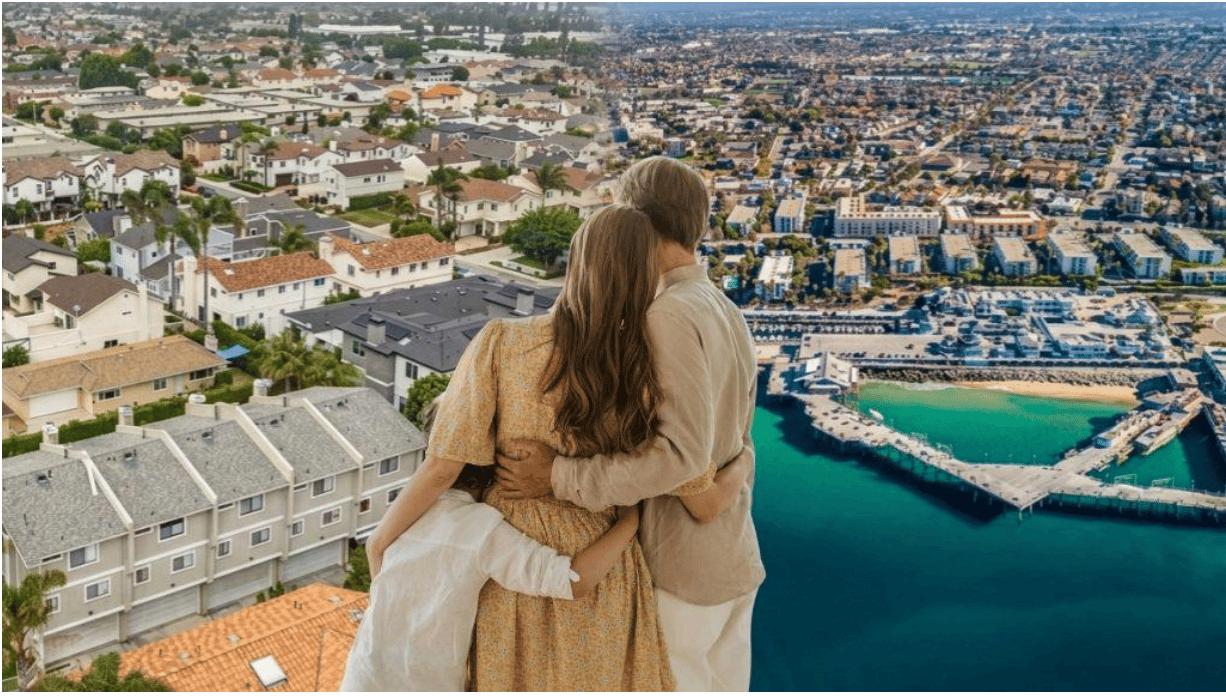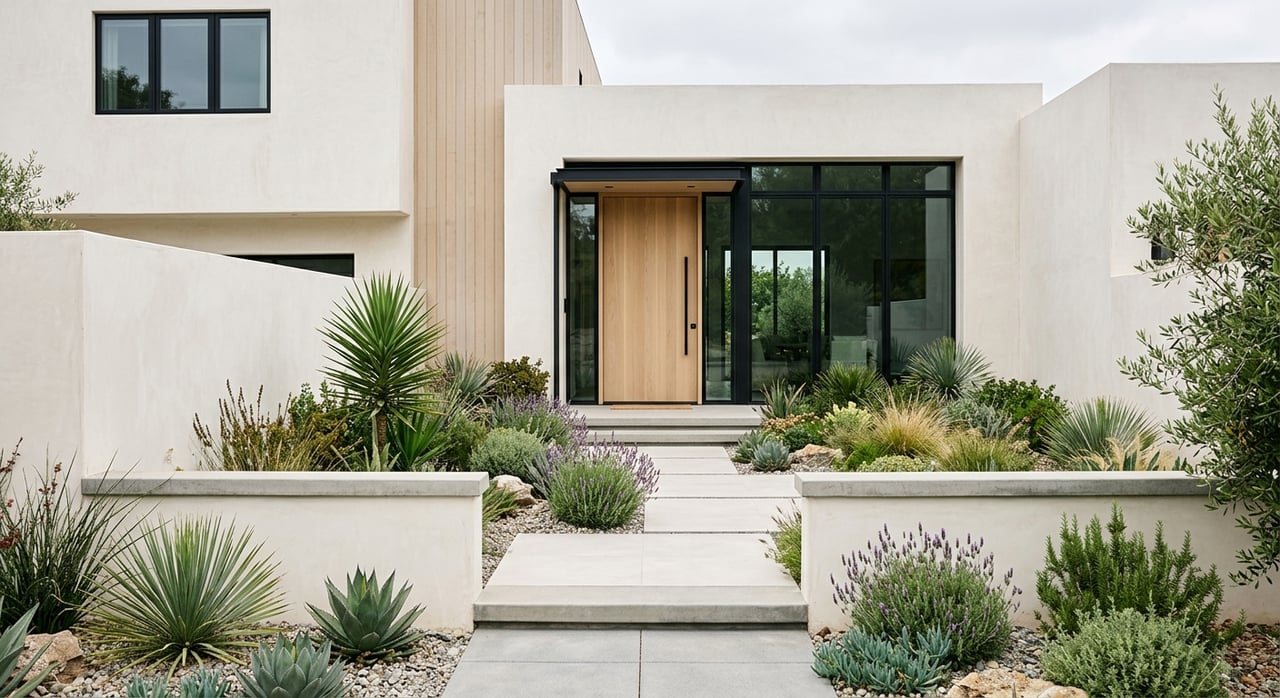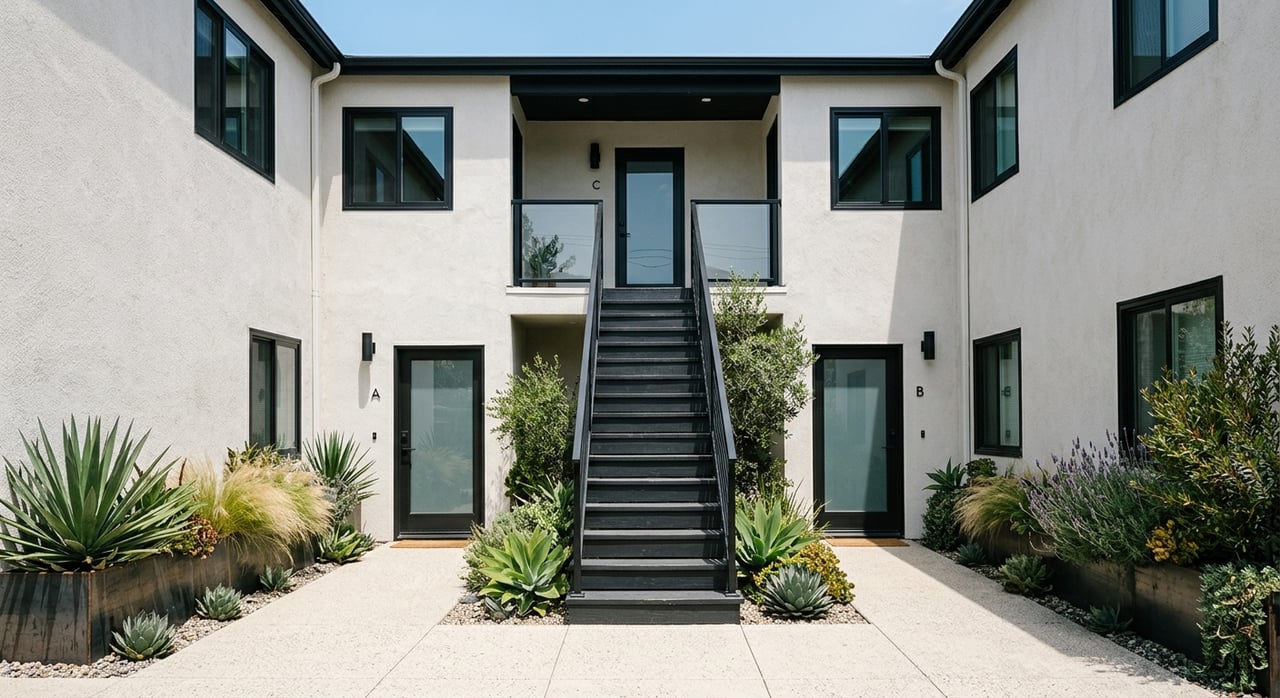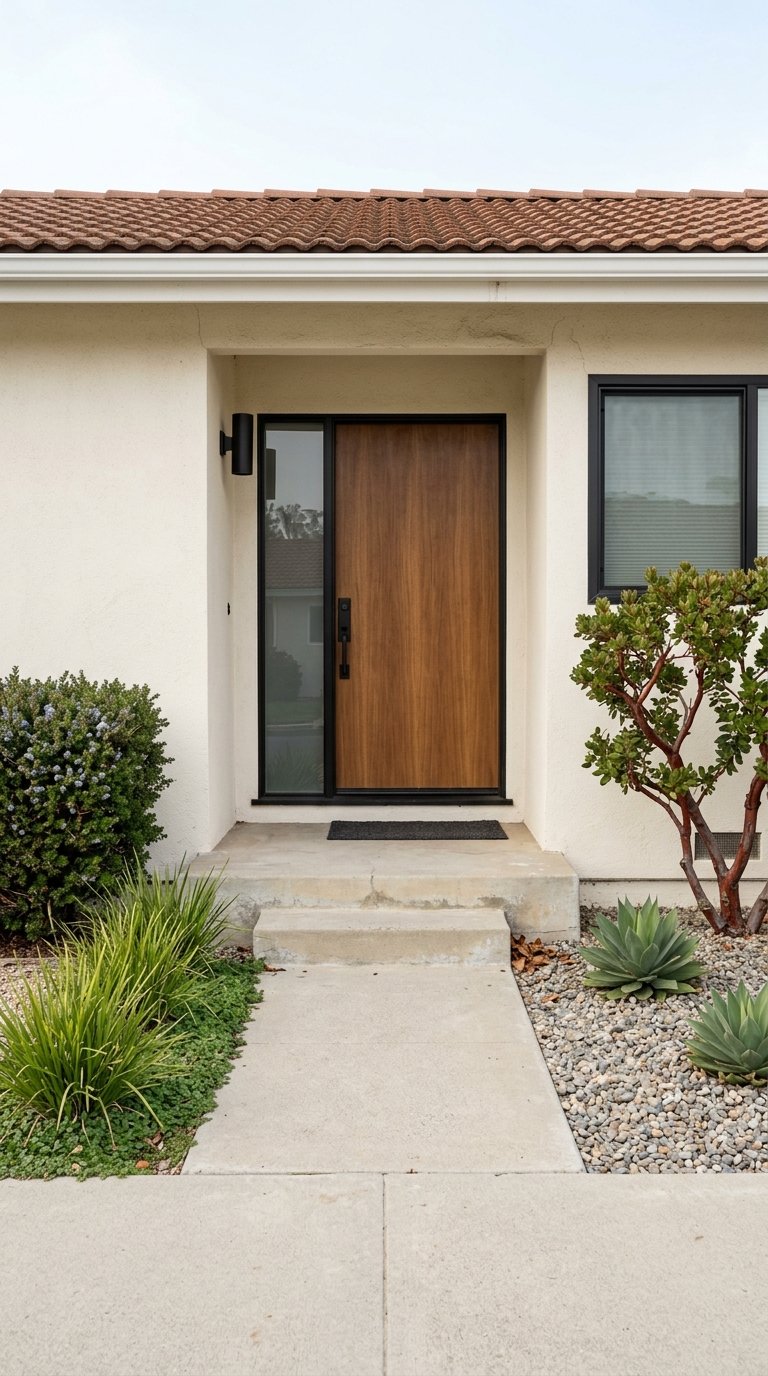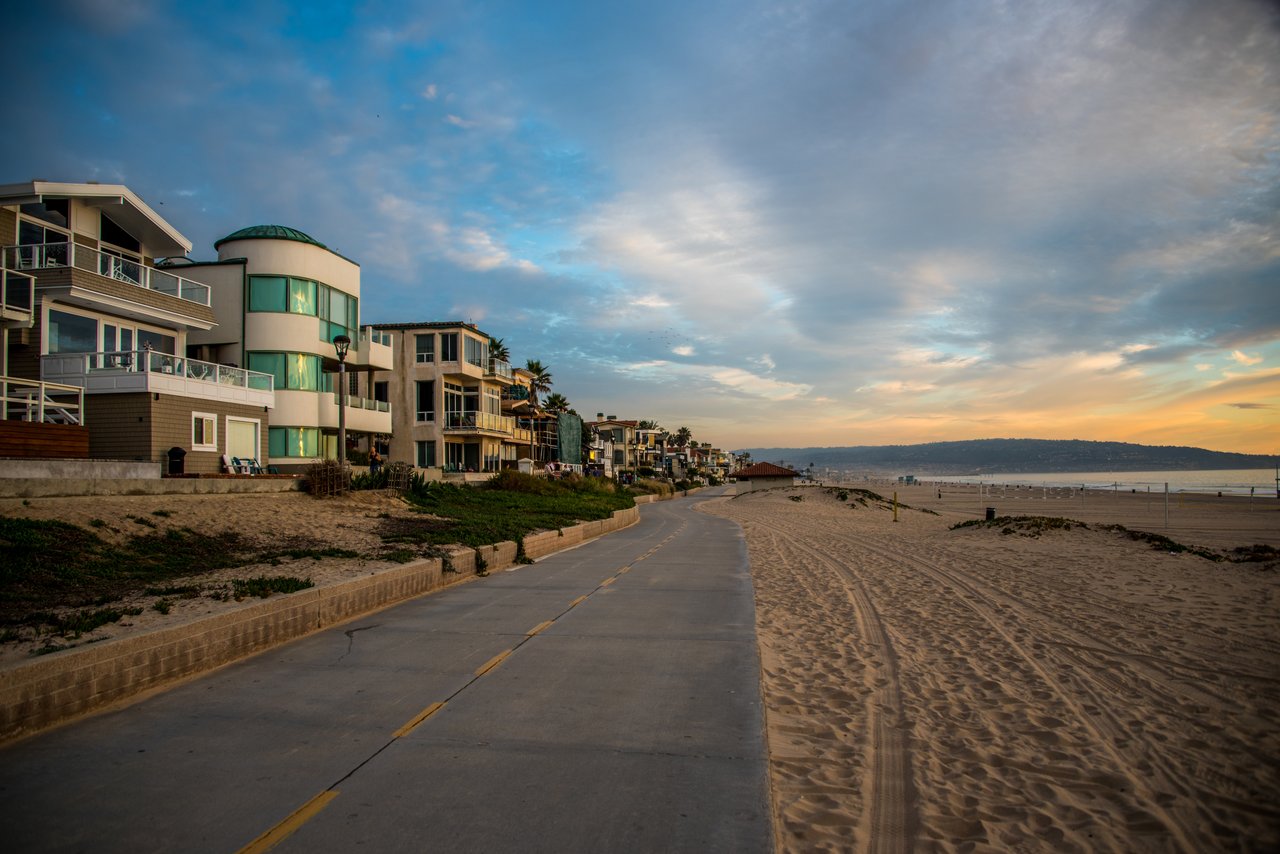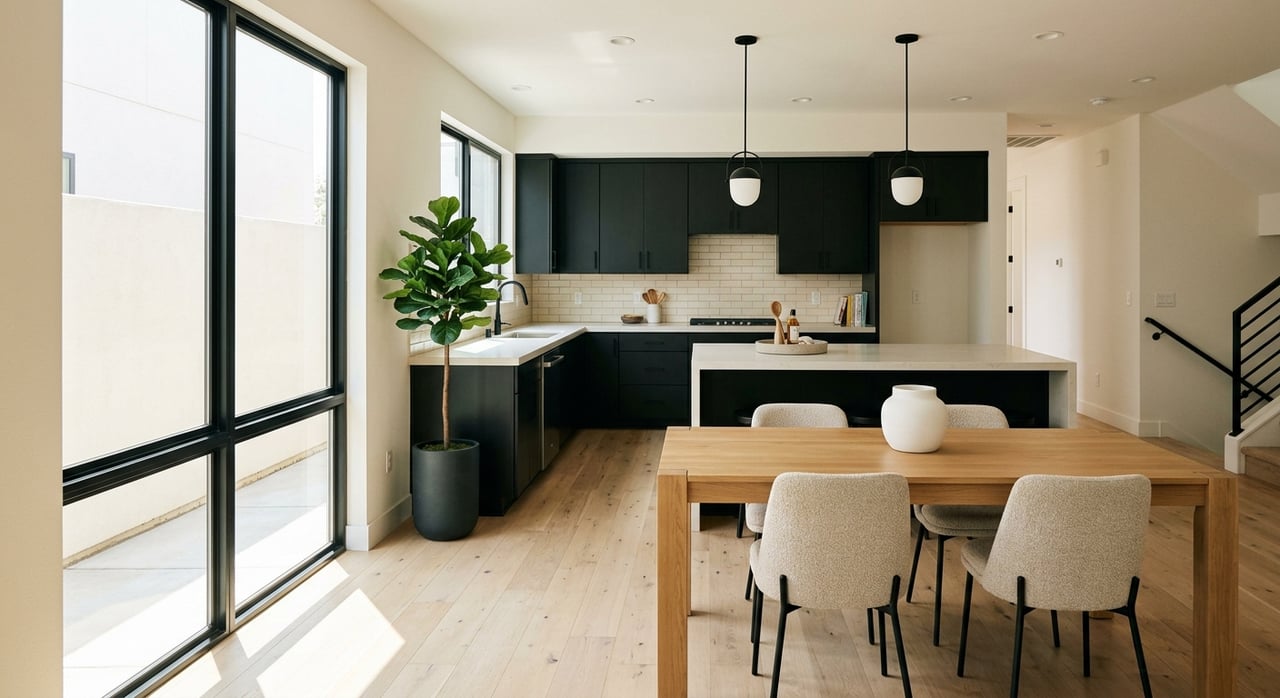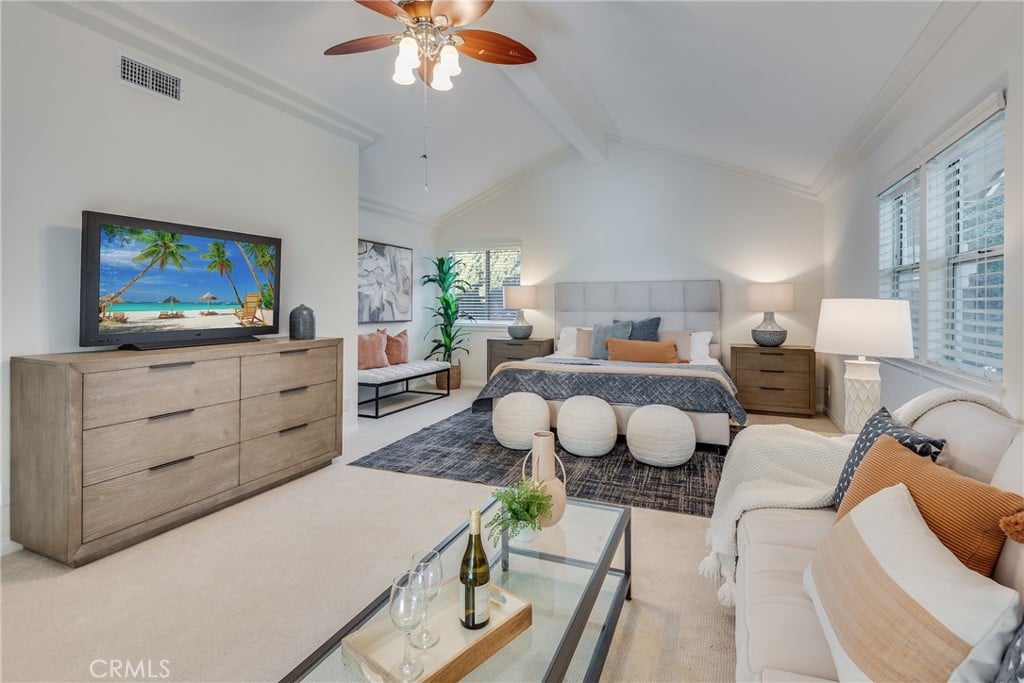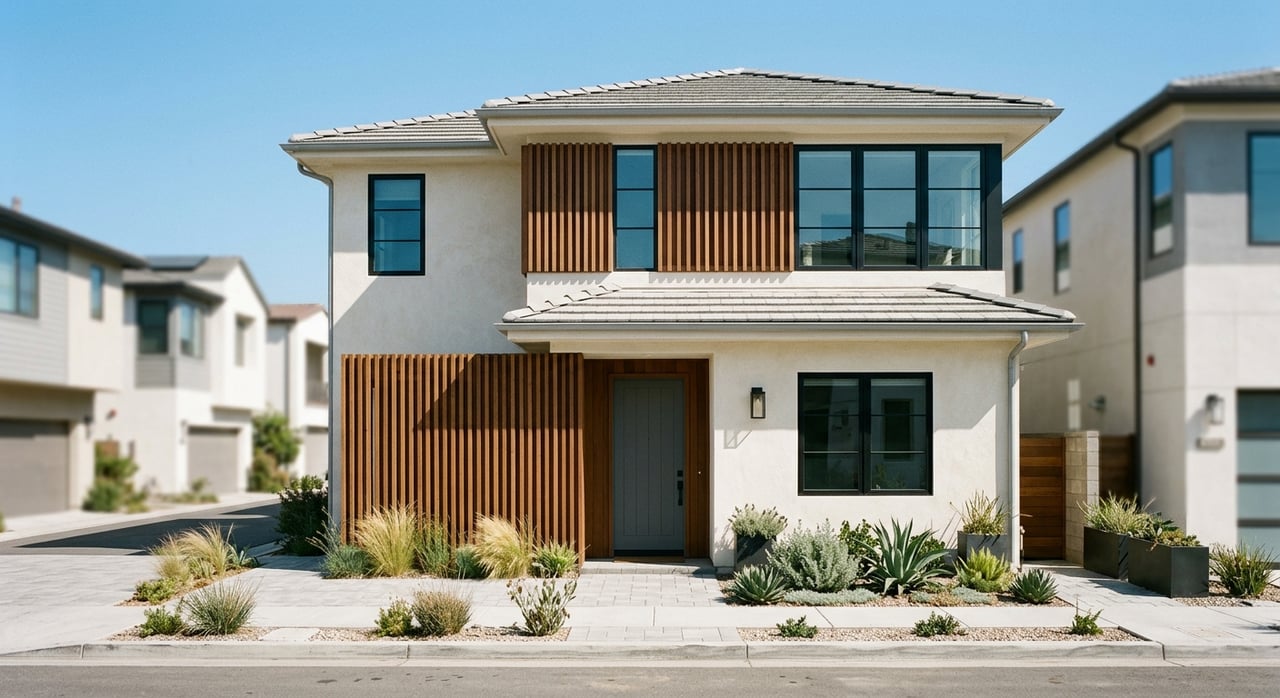
Living a few blocks from the beach sounds like the dream, but in Manhattan Beach’s Sand Section, that dream comes with real tradeoffs. If you are thinking about buying here, relocating within the South Bay, or simply trying to understand what makes this part of Manhattan Beach so desirable, you need more than a postcard view. You need a clear sense of how the area actually feels day to day, what the housing stock looks like, and what practical issues matter most. Let’s dive in.
Sand Section at a Glance
The Sand Section is the beach-facing core of Manhattan Beach, often referred to by the city as part of the Beach Area. In the city’s Land Use Element, this broader area falls within District 3 and includes Downtown Manhattan Beach, the Grandview area, a small area in the Tree and Hill Sections, and parts of the North End.
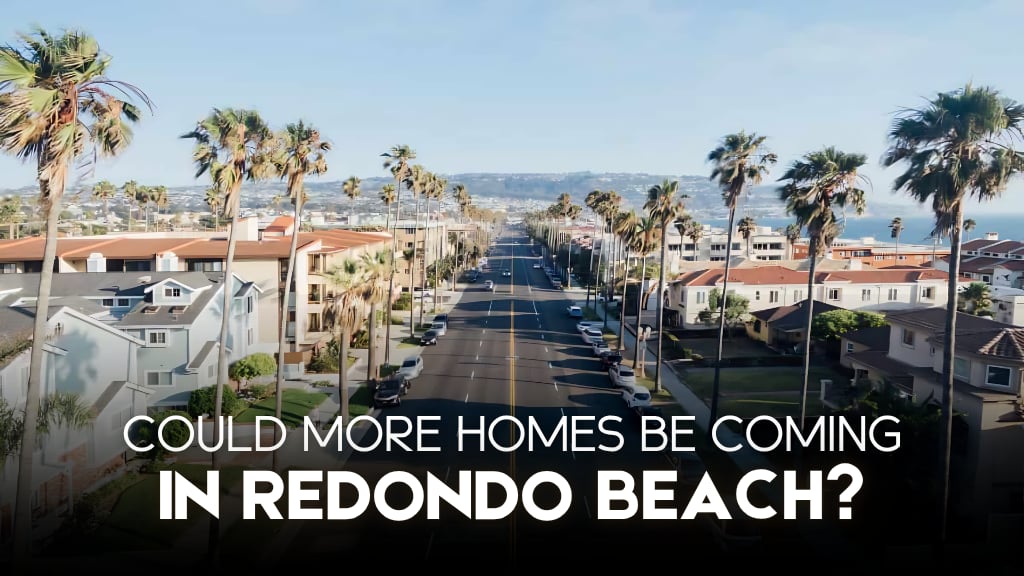
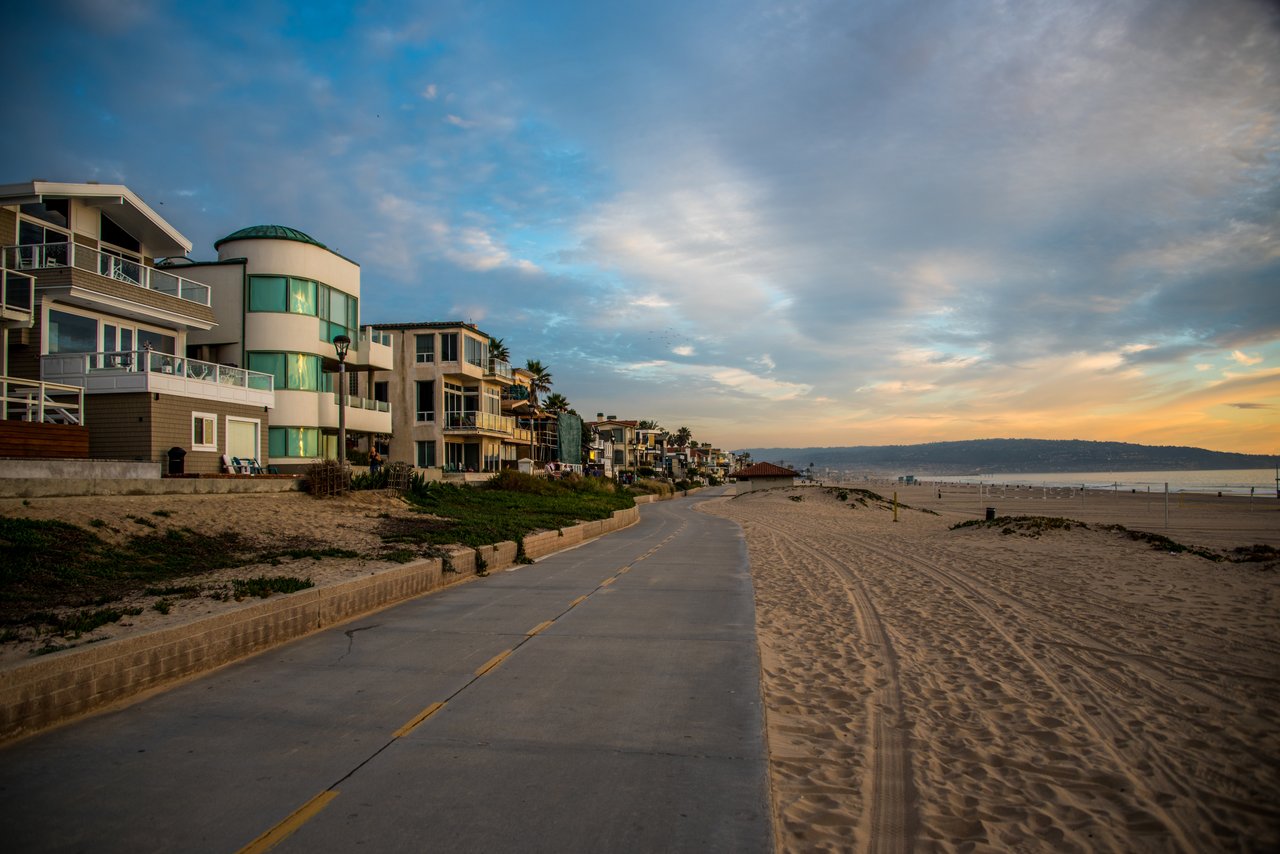
What gives the Sand Section its identity is not just its location near the water. It is the way the city has long emphasized low-profile, human-scale development that helps preserve visual and physical access to the beachfront and encourages walking. That planning approach is a big reason the neighborhood feels more like a compact beach village than a typical suburban area.
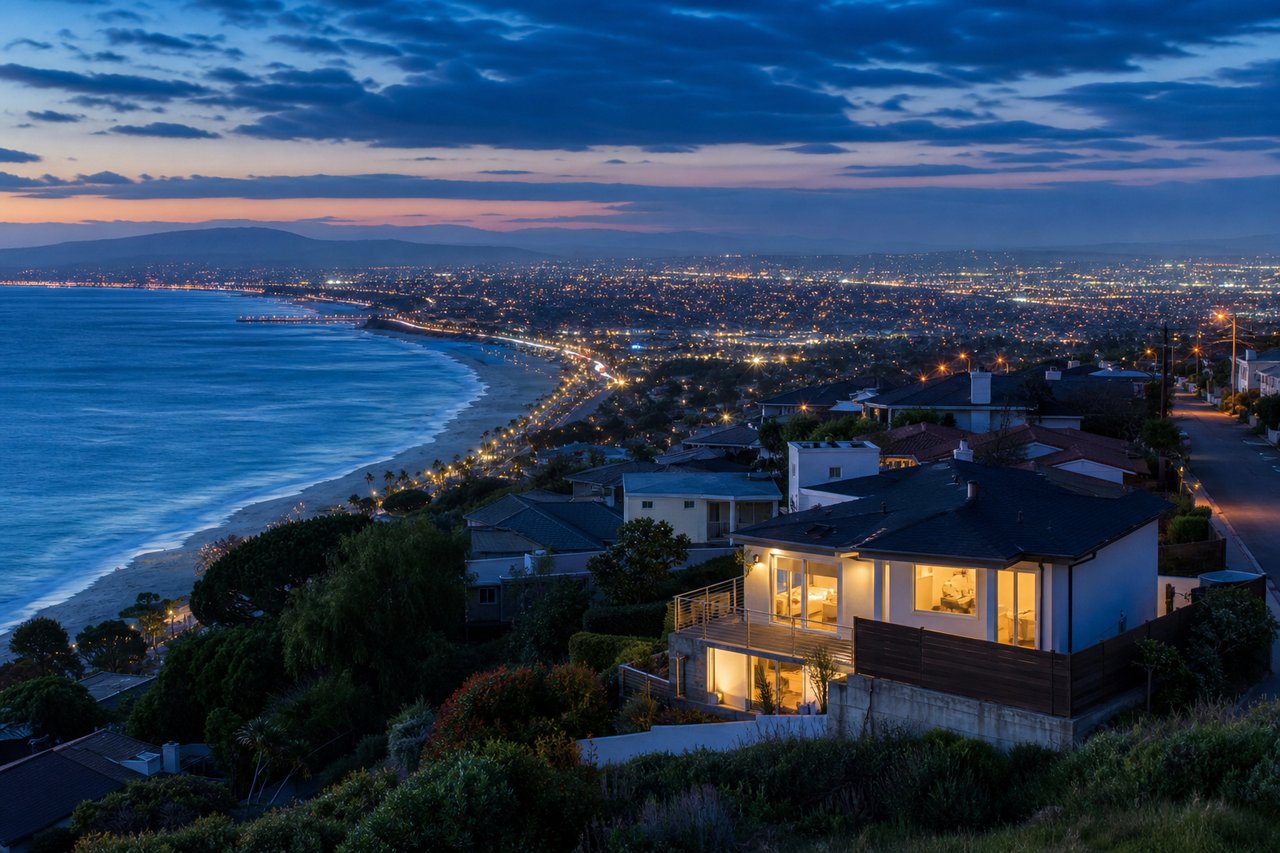
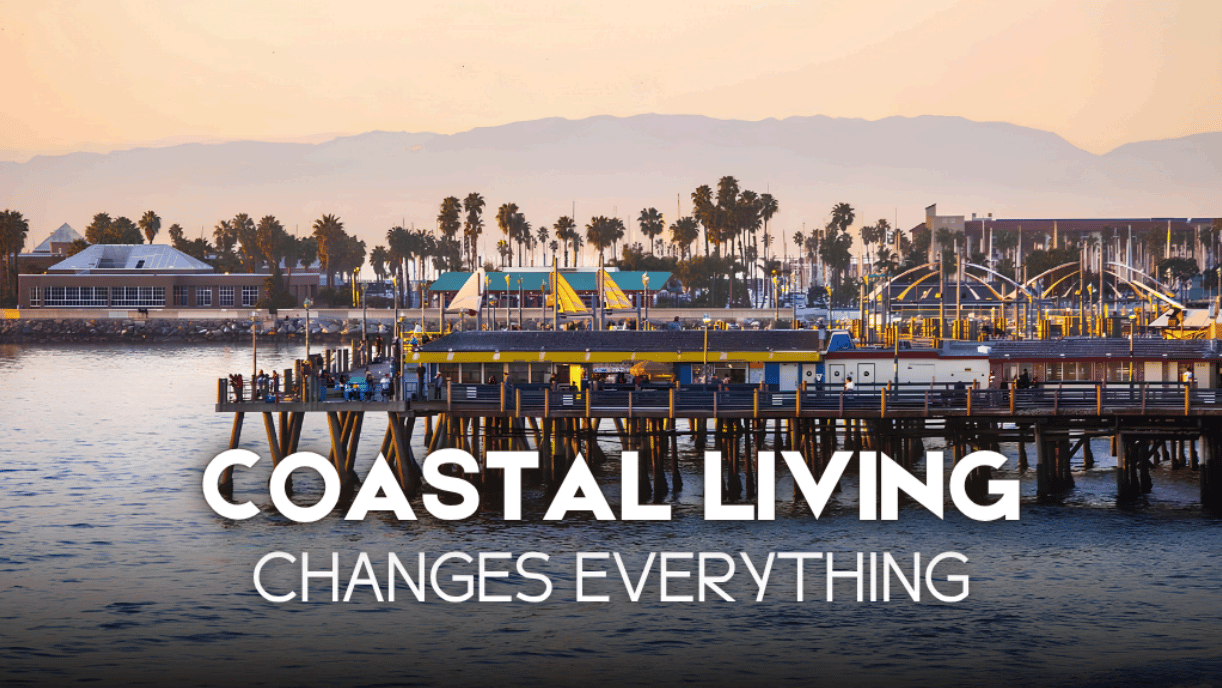
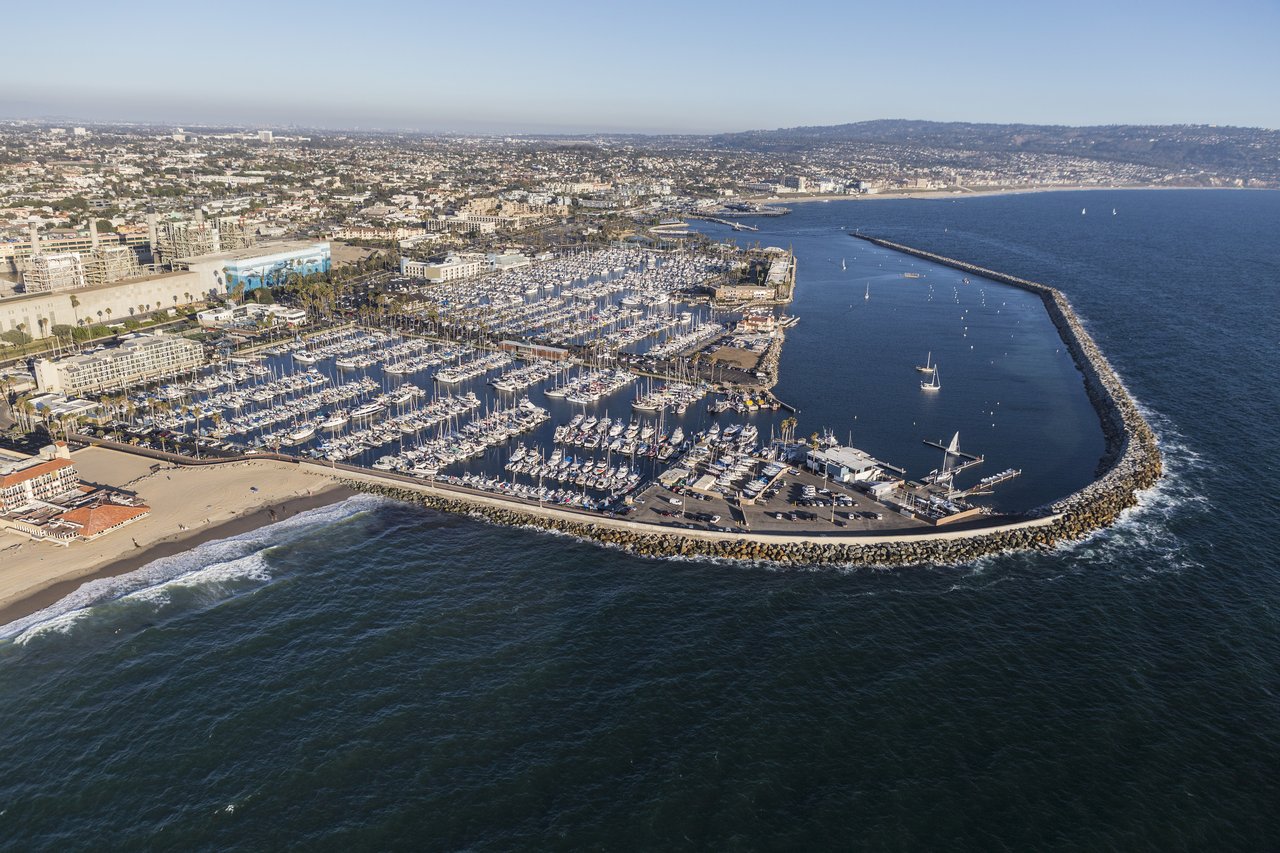
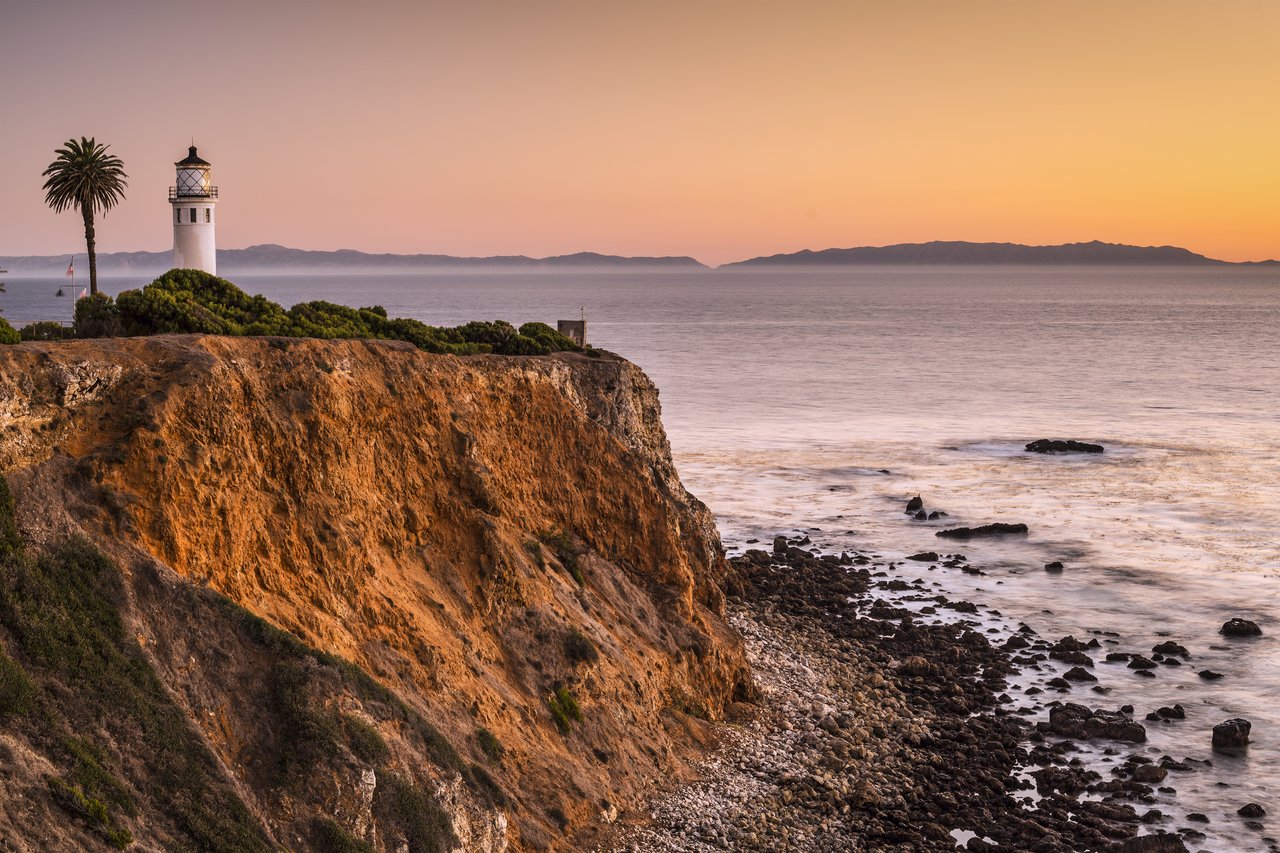
Manhattan Beach itself is small and coastal, with 2.1 miles of beachfront, a 928-foot pier, and average temperatures that range from 85 degrees in summer to 49 degrees in winter. In the Sand Section, those facts shape everyday life. You are close to the shoreline, close to Downtown, and often close enough to leave the car parked and get around on foot.
What Daily Life Feels Like
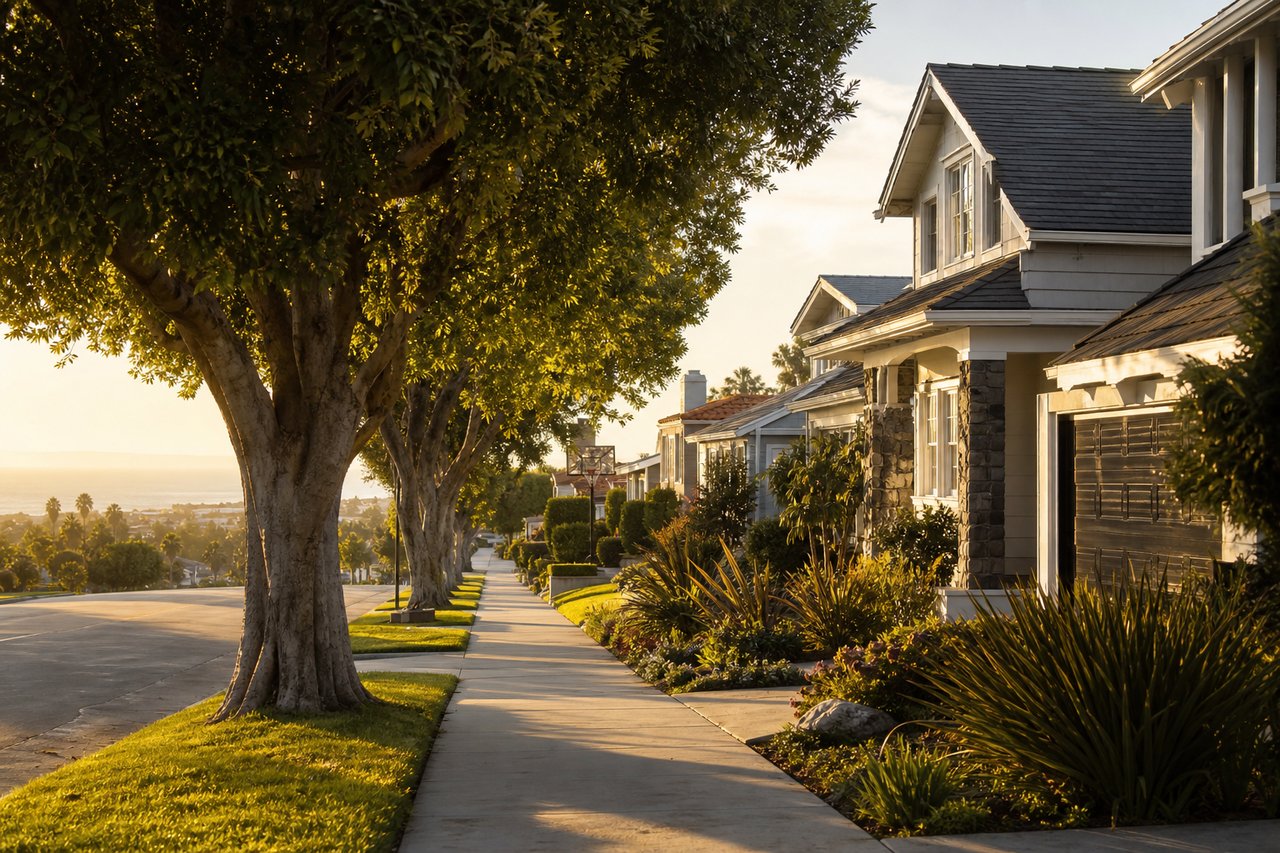
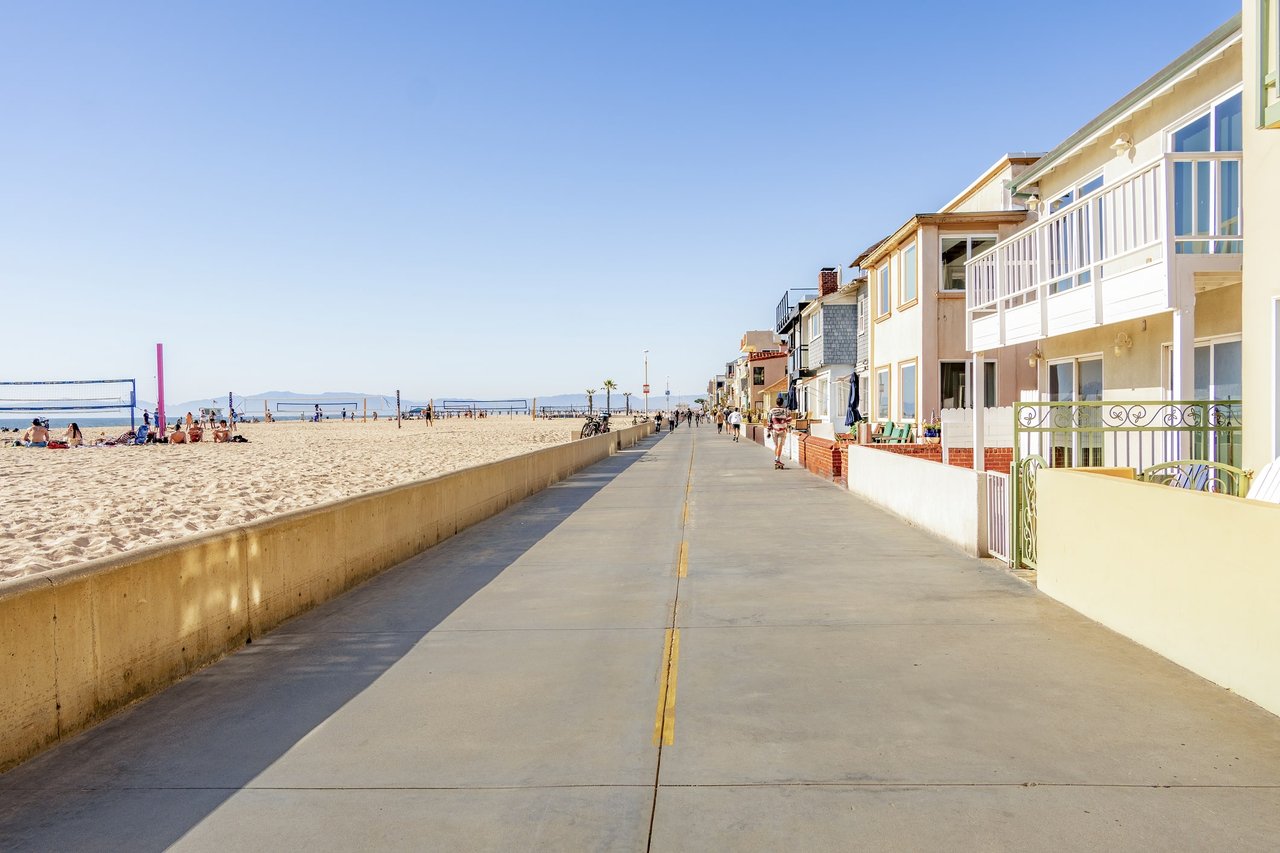
If you value walkability, the Sand Section stands out. Many errands, beach outings, and casual meetups can feel easier when you can simply step outside and walk. The area’s design supports that rhythm, especially near walkstreets and beach-adjacent blocks where the pedestrian experience is a major part of the appeal.
The city’s planning documents specifically note that walkstreets are intended to balance private open space with public beach access. Parking is prohibited on walkstreets, which helps keep them pedestrian-friendly. The result is a neighborhood that often feels calm and people-oriented, even though it sits in one of the most in-demand coastal markets in the South Bay.
That said, living here is not the same as living in a quiet inland subdivision. The Sand Section is more active, more compact, and more shared. Residents, visitors, beachgoers, and Downtown traffic all interact in a relatively tight area, so your experience of convenience is often tied to how comfortable you are with that energy.
Homes in the Sand Section
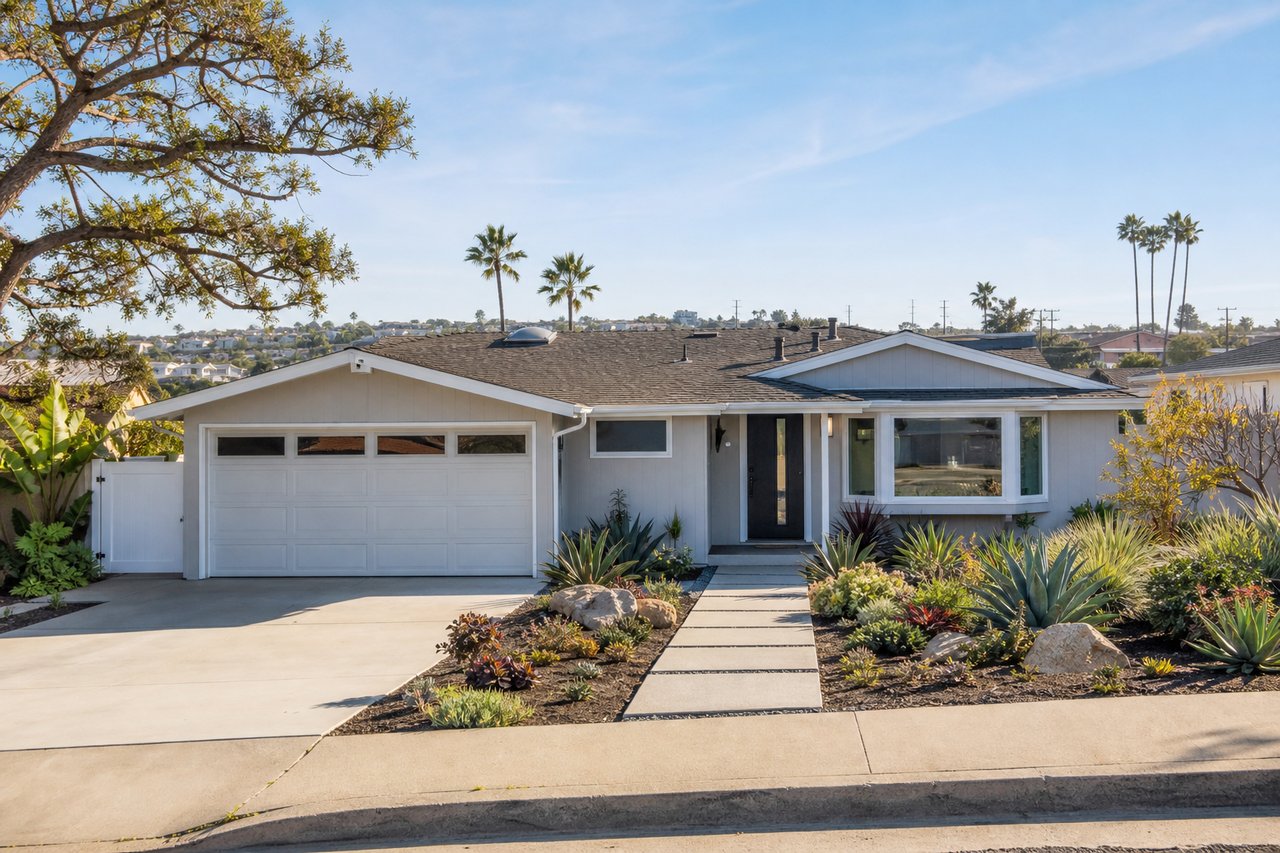
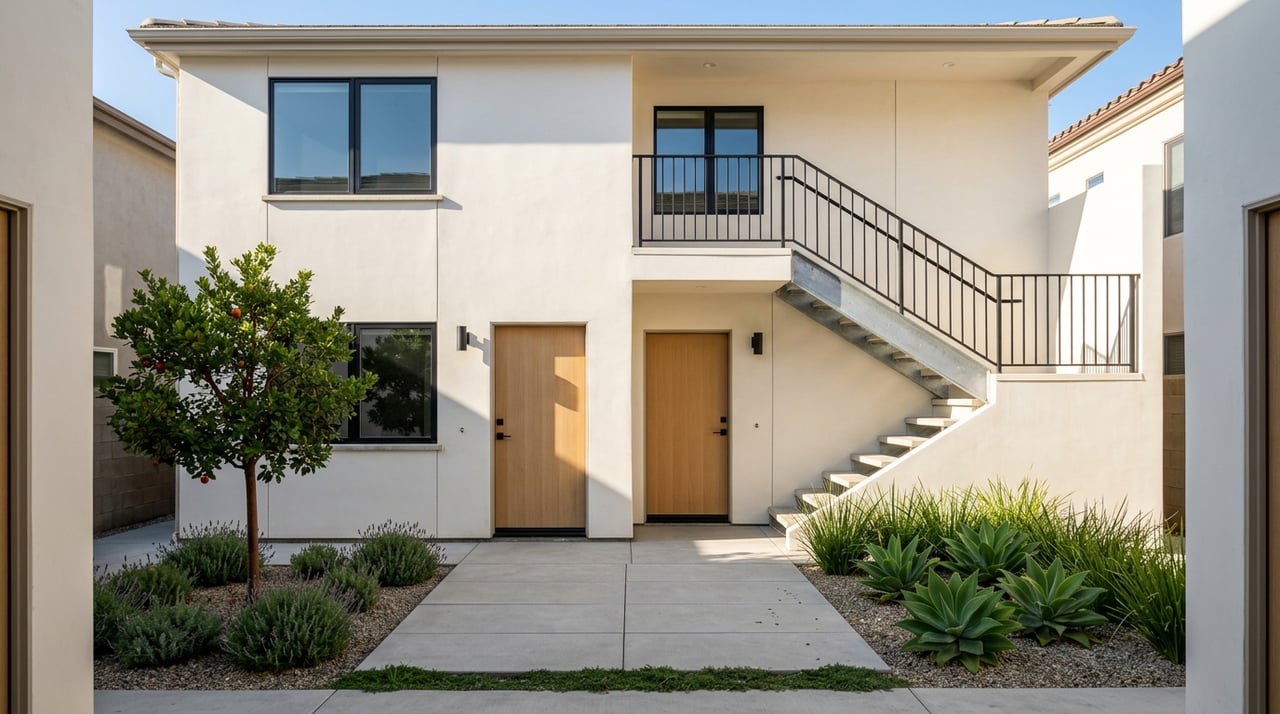
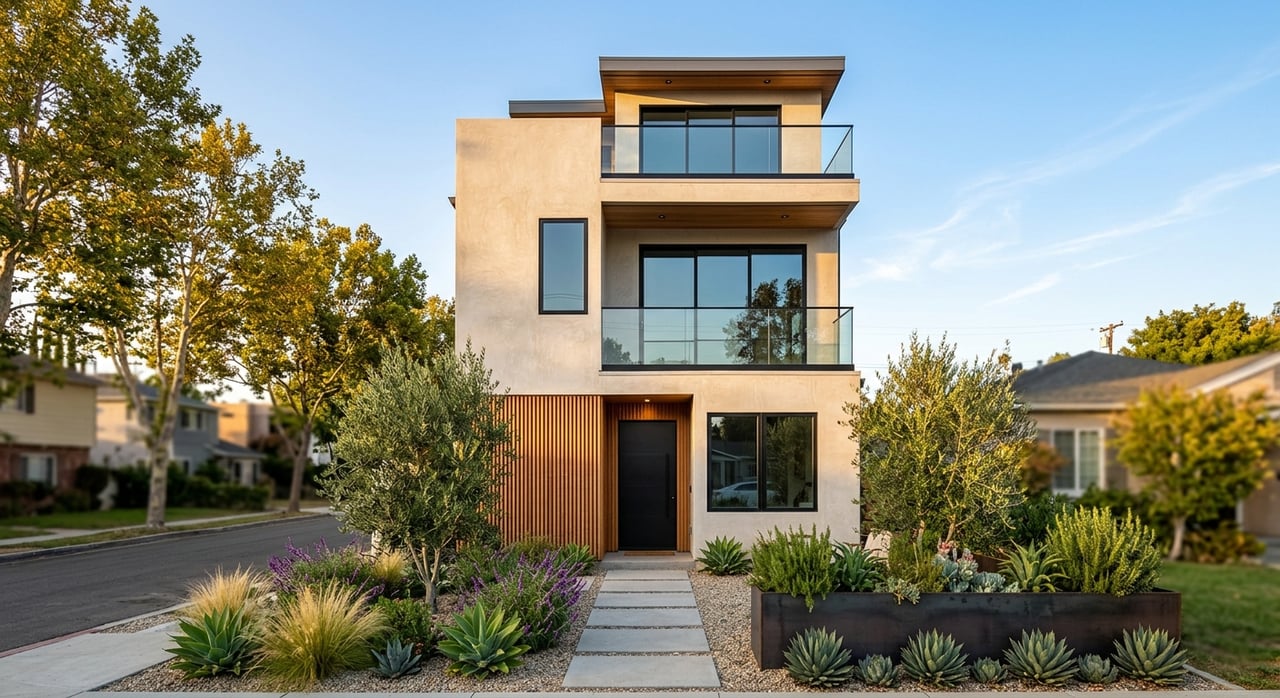
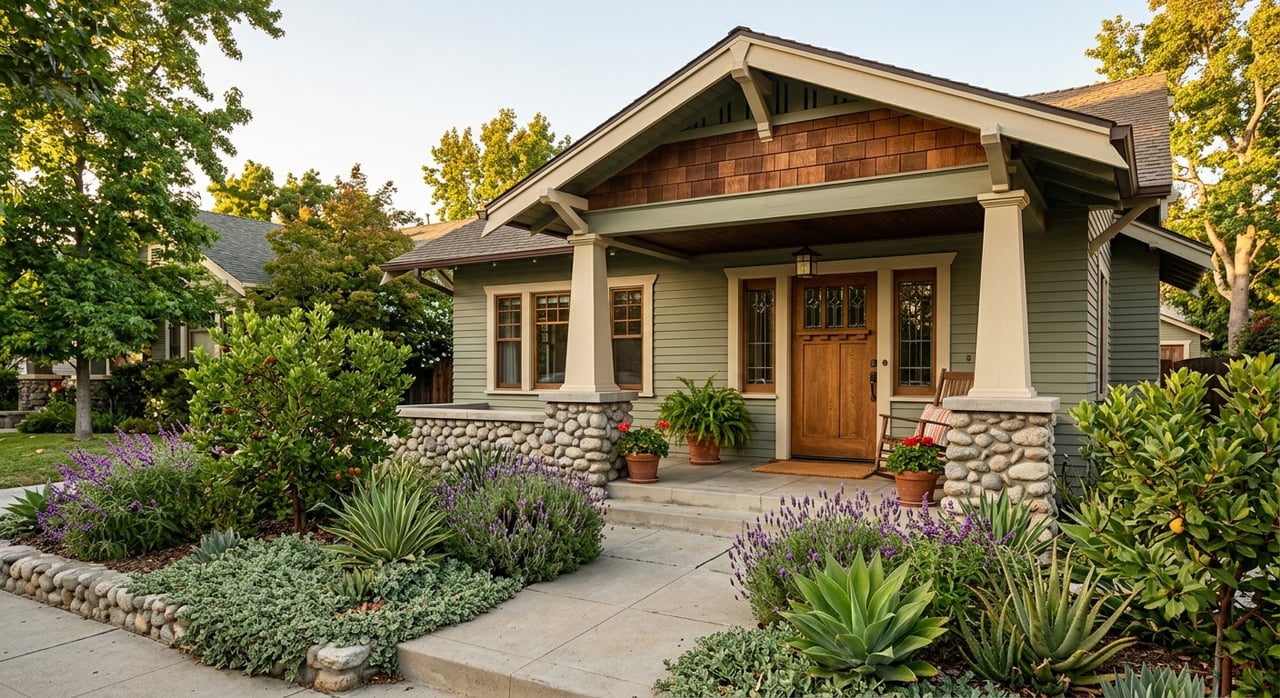
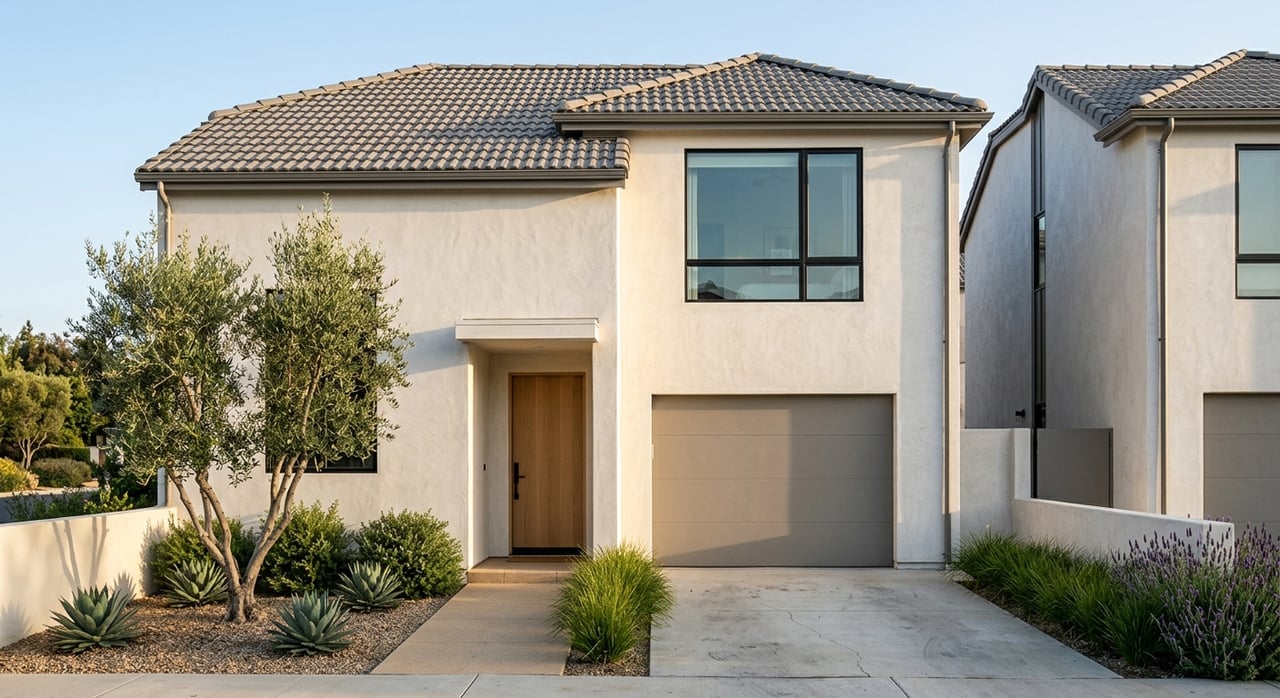
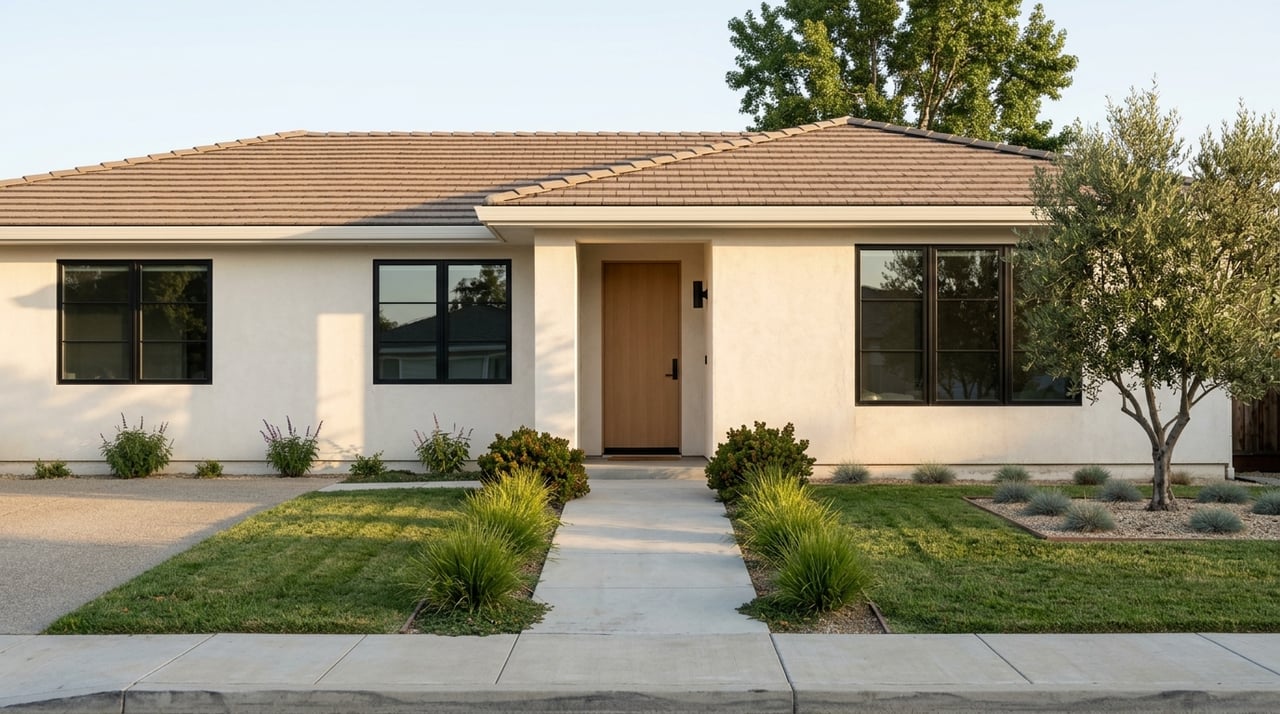
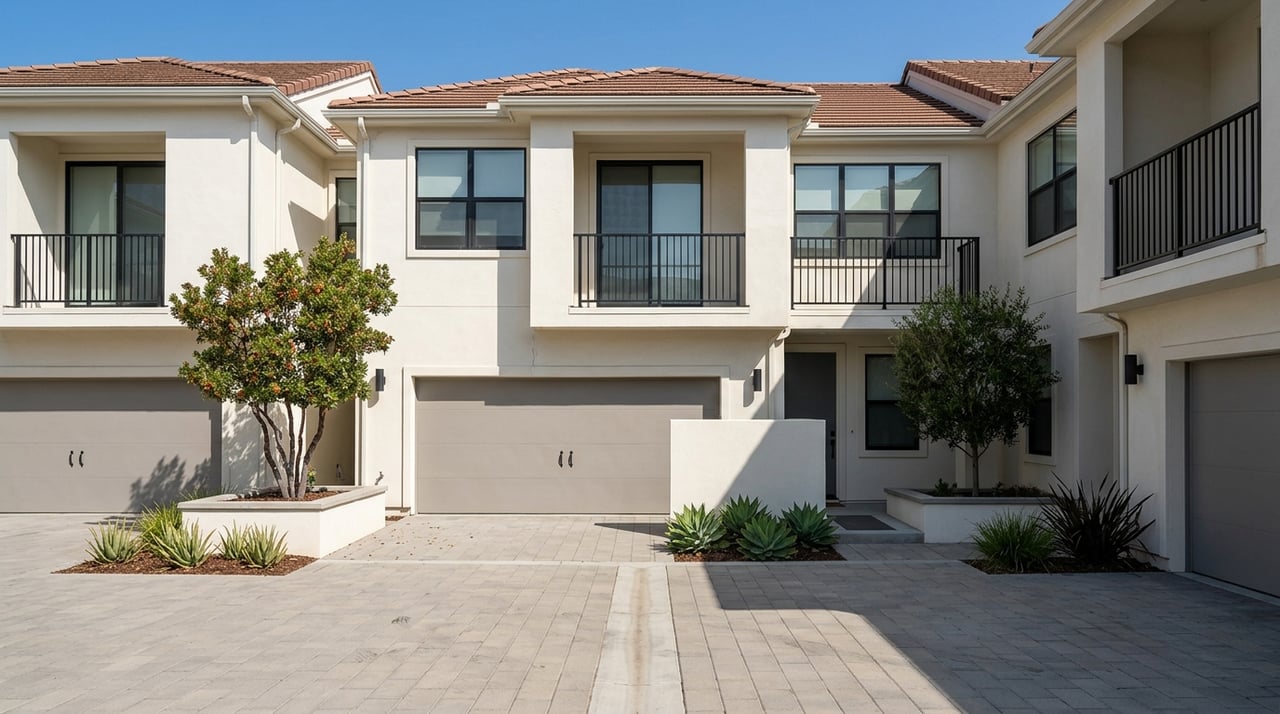
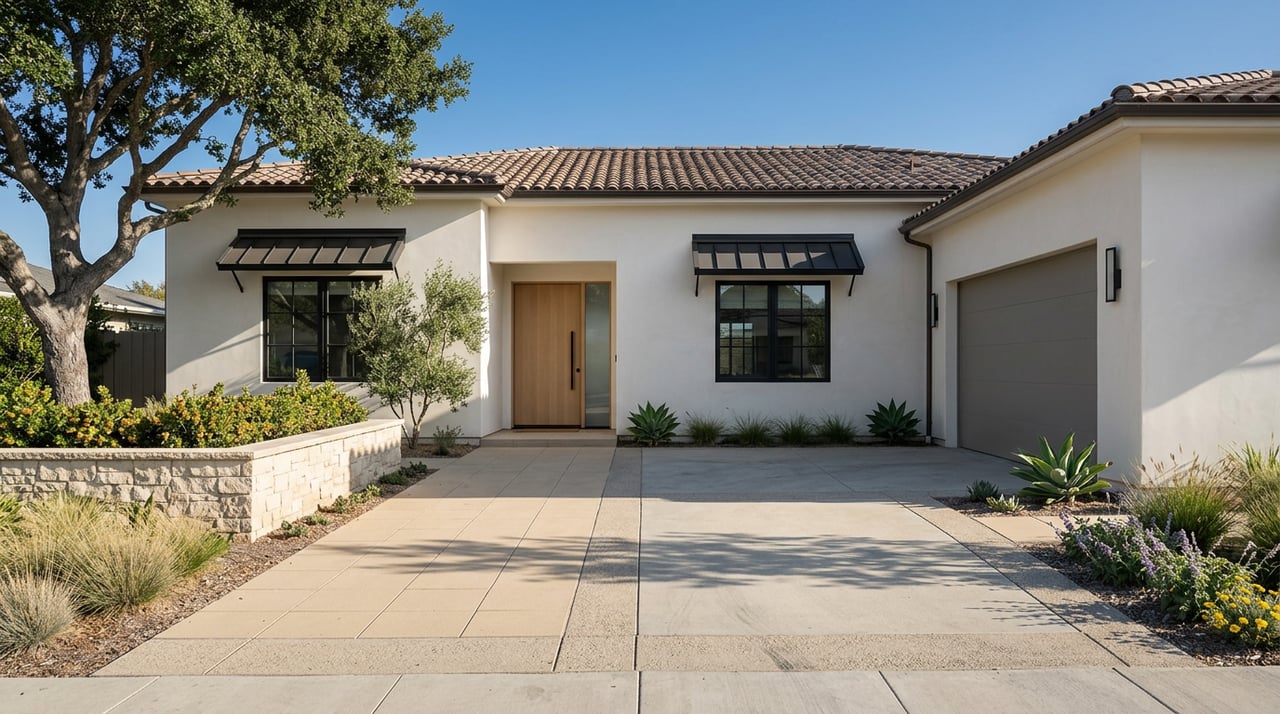
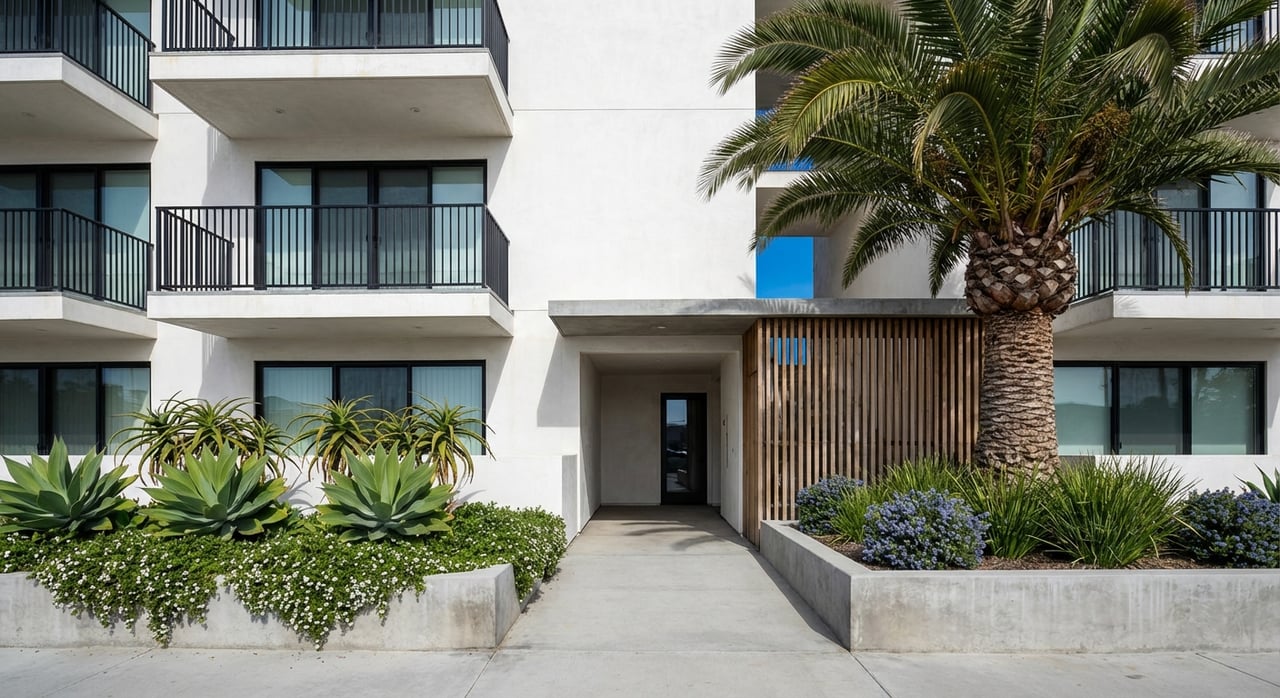
One of the biggest misconceptions about the Sand Section is that it is made up of one home type. In reality, the city’s land use framework allows for a mix of housing forms. Depending on the block and zoning, you may see detached single-family homes, duplexes, triplexes, condominiums, apartments, and senior housing in the broader Beach Area.
District 3, which includes the Beach Area, has the city’s highest residential density allowances. That matters because it helps explain why the Sand Section can look and feel different from one street to the next. Some blocks feel distinctly residential and low-profile, while others reflect a denser coastal pattern shaped by limited land and high demand.
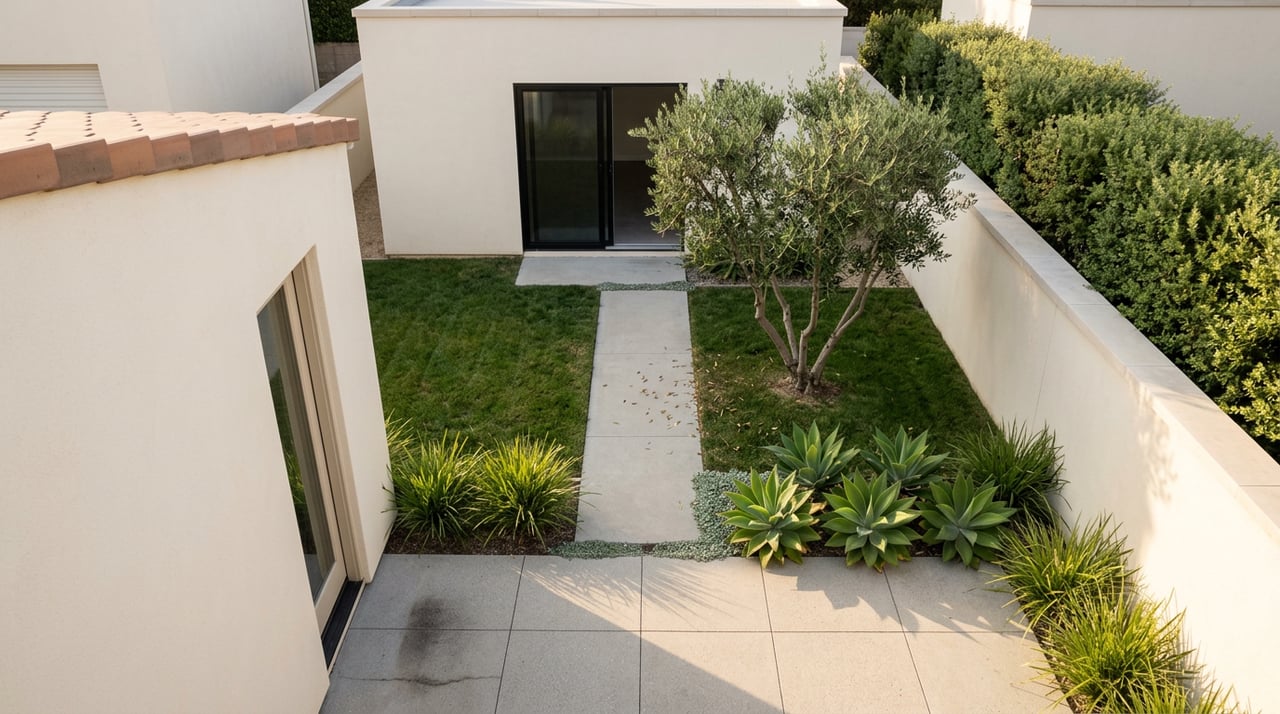
Lot size is another important part of the story. Under the city’s mansionization ordinance, the Beach Area has a maximum lot size of 7,000 square feet, which is smaller than the caps in some inland districts. The city also notes that Manhattan Beach is densely developed, with many homes built using minimum setbacks and limited landscaped open space.
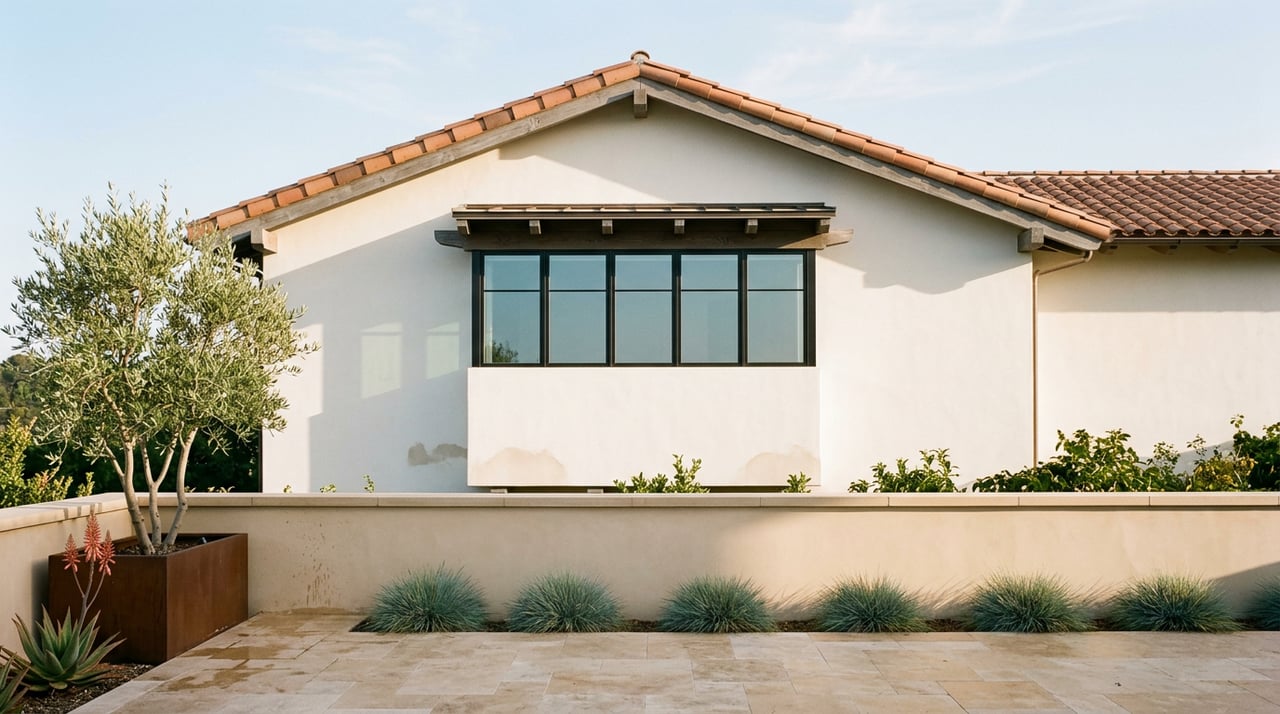
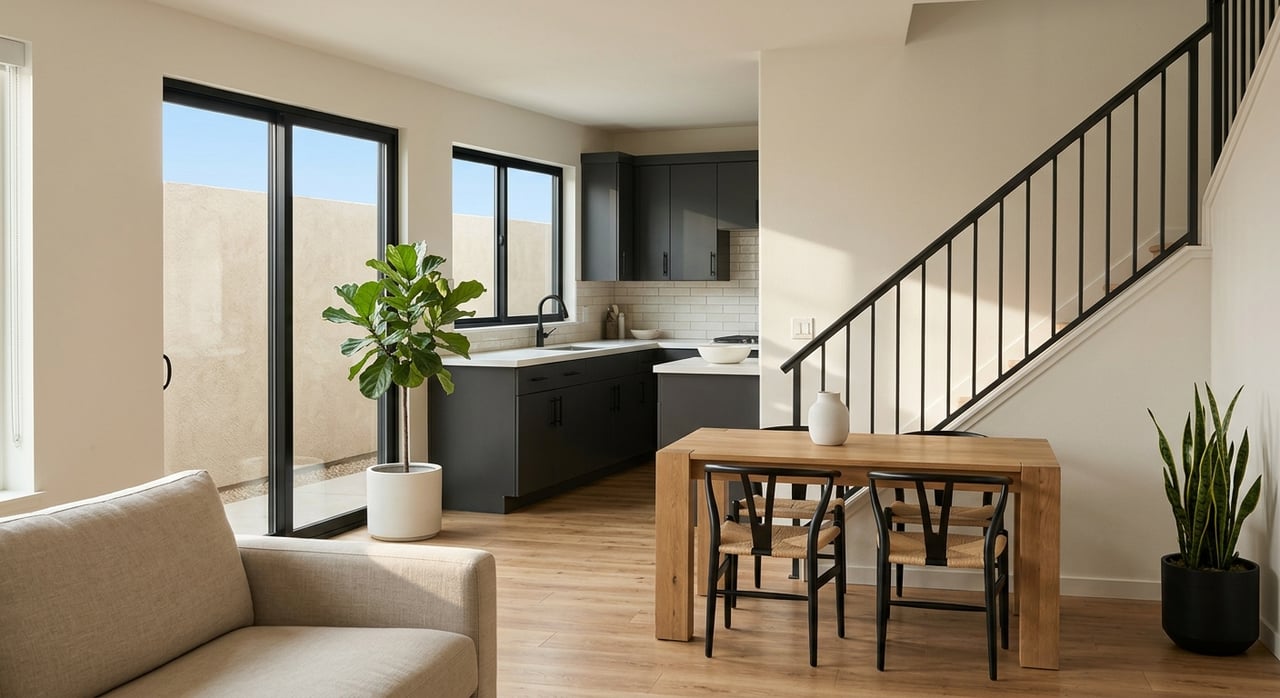
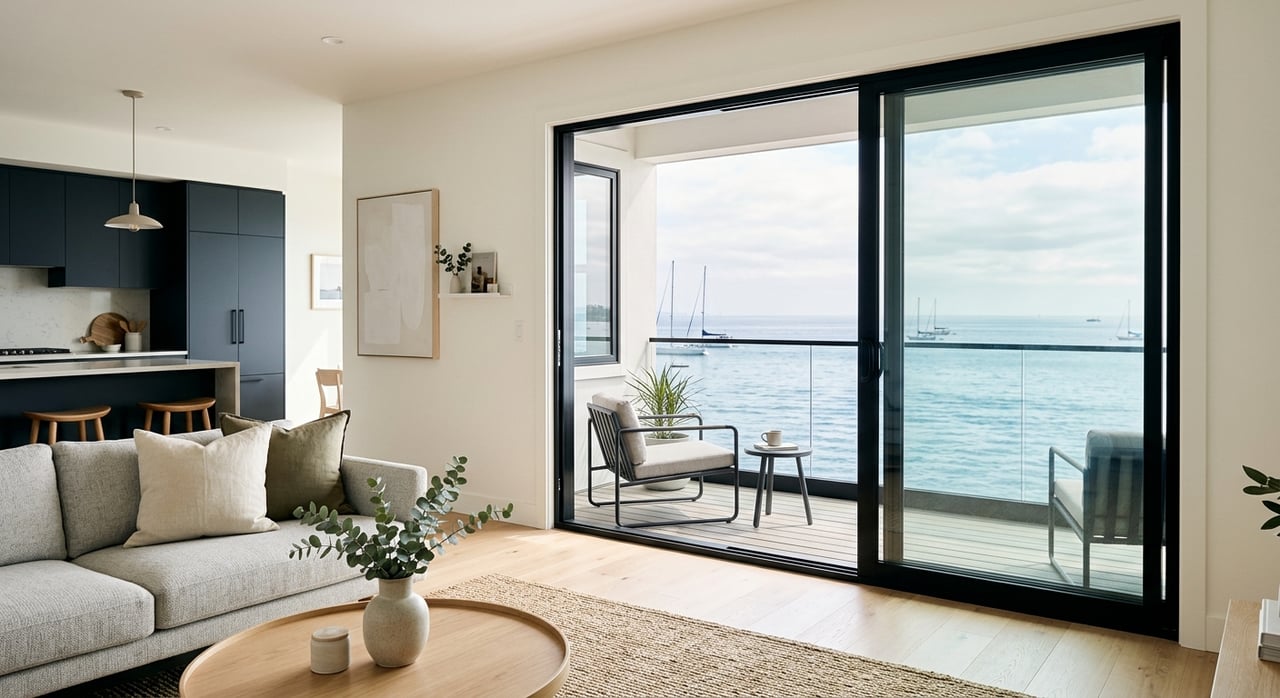
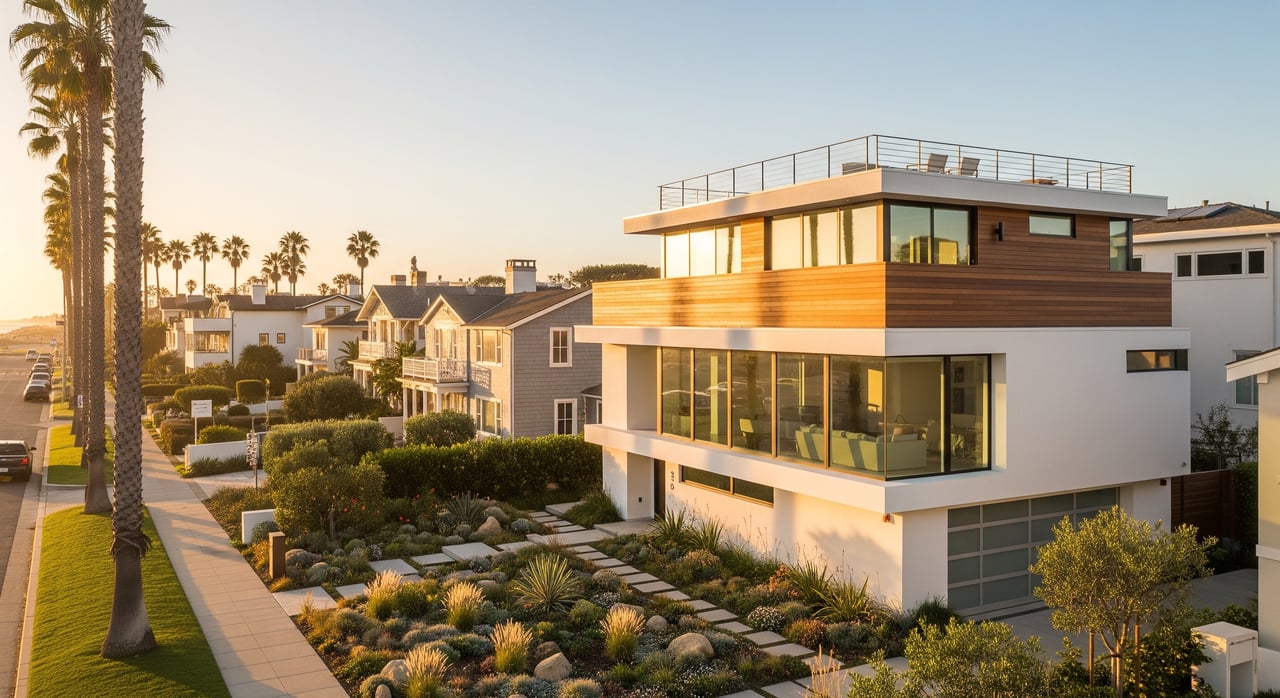
For you as a buyer, this often means evaluating a classic coastal tradeoff: location versus land. In the Sand Section, buyers are often choosing prime access to the beach and Downtown over larger yards or more separation between homes. Many standout properties are the result of thoughtful remodels or rebuilds on existing parcels rather than large-lot estate-style construction.
Why the Neighborhood Feels Tighter
The Sand Section generally feels more built-out than inland parts of Manhattan Beach. That is not a flaw. It is part of the neighborhood’s character. The city has been clear that development should avoid overbuilding on small lots, which reflects the reality that this is a dense coastal area where scale matters.
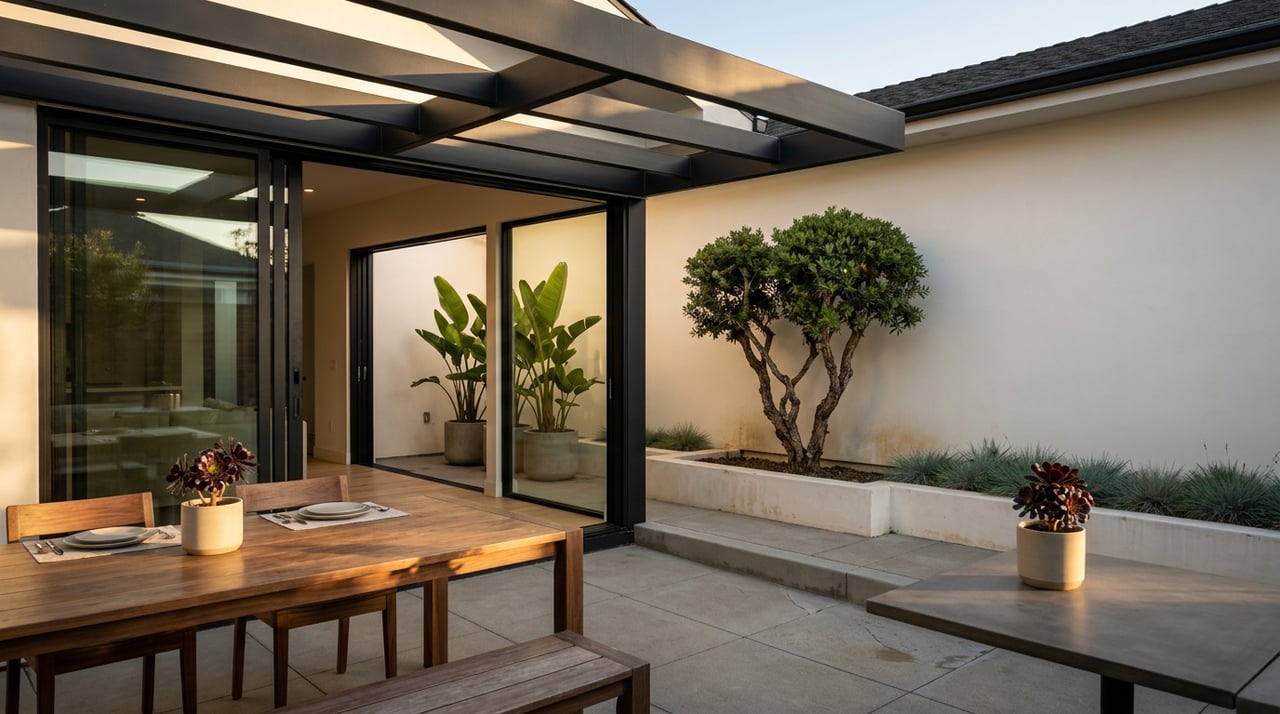
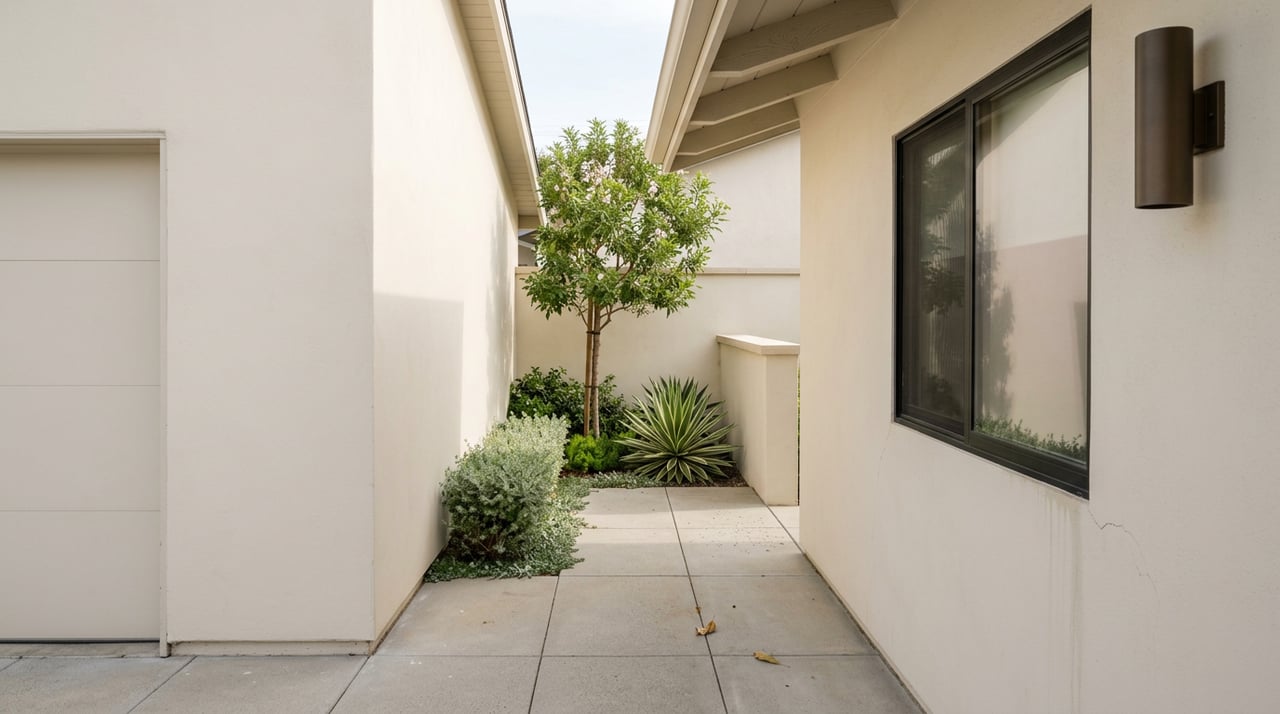
In practical terms, homes may sit closer together, outdoor space may be more limited, and architectural value often comes from how well a property uses its footprint. If you are comparing the Sand Section with inland sections, this difference is one of the first things you are likely to notice.
This is also why buyer priorities matter so much here. Some buyers want immediate beach access and do not mind a smaller lot. Others discover they prefer a little more space and easier parking inland. Neither choice is better. It comes down to how you want to live.
Parking Is the Everyday Tradeoff
Ask almost anyone who knows the area well, and parking comes up quickly. In the Sand, Dune, and Tree sections, parking pads in the public right-of-way are public spaces, not private front-yard extensions. Vehicles parked there are subject to the same rules as street parking, including the city’s 72-hour limit.
The city also offers overnight residential parking permits in the Upper Pier Lots, the 26th Street Lot, and the El Porto Lot. That can be useful, but it does not eliminate the broader reality that parking near the beach is limited and highly shared.
This becomes especially noticeable during summer and on event-heavy weekends. According to the city’s parking study, the highest parking demand runs between Memorial Day and Labor Day and during popular special events in Downtown and the North End business districts. If you live in the Sand Section, that means some days will feel easy and local, while others will feel much busier.
For many residents, short trips are simply easier on foot or by bike during peak periods. That is part of the lifestyle here. If you expect suburban-style parking convenience, the adjustment can be real. If you embrace a more walkable coastal routine, the tradeoff may feel worth it.
Summer vs. the Rest of the Year
Seasonality shapes the Sand Section more than many inland neighborhoods. Manhattan Beach’s climate is mild year-round, which is one of its biggest draws. But the lived experience of the neighborhood changes depending on the time of year.
Summer tends to bring more visitors, more beach traffic, and more competition for parking. Streets and public areas often feel more active, especially on weekends. That can be fun and energizing if you enjoy being in the center of the action.
Outside peak summer months, the area often feels more relaxed and local. While the city’s data specifically highlights summer as the highest-demand season, the broader pattern is easy to understand. In shoulder seasons and winter, you may still enjoy the same coastal setting with a little less pressure on streets, lots, and public spaces.
What Buyers Should Know About Pricing
The Sand Section is a premium market, and pricing reflects that. Redfin’s May 2026 sold-data snapshot showed a median sale price of $4.8 million, with homes selling in 33 days and averaging about 1% below list. Realtor.com’s May 2026 listing snapshot showed 45 homes for sale, a median listing price of about $6.25 million to $6.3 million, a median 48 days on market, and a sale-to-list ratio of 100%.
Those figures come from different portals using different methodologies, so they are not directly comparable. Still, they point in the same direction: high entry prices, limited inventory, and a market where preparation matters.
For you, that means clarity is important before you start touring homes. You want to know your budget, your must-haves, and which compromises you are willing to make. In a neighborhood like this, the difference between the right fit and the wrong fit often comes down to details such as parking, layout, block location, and renovation potential.
Renovation and Rebuild Planning
If you are considering a major remodel, teardown, or custom rebuild, the Sand Section has another layer to keep in mind. Much of the area is in the coastal zone, and the city says that in the appealable area of the Coastal Zone, new single-family and multifamily residences and certain larger additions require administrative Coastal Development Permit review.
That does not mean improvement plans are off the table. It does mean you should expect an added permitting layer when evaluating future potential. In a dense, high-value neighborhood, that kind of due diligence can make a meaningful difference in both timing and strategy.
This is one reason buyers in the Sand Section often benefit from looking beyond surface-level appeal. A home may be attractive today, but your long-term plans for expansion or redesign should be part of the conversation early.
Is the Sand Section Right for You?
The Sand Section works best when your lifestyle matches the setting. If you want easy beach access, a walkable environment, and a compact coastal neighborhood with a strong sense of place, it can be hard to beat. If your top priorities are a larger lot, easier parking, and a more spread-out residential feel, you may want to compare it carefully with other parts of Manhattan Beach or the broader South Bay.
The key is understanding that this is not just a luxury market. It is a specific lifestyle market. People are often buying the ability to walk to the beach, stay close to Downtown, and enjoy a built environment designed around access and activity.
When you look at the Sand Section through that lens, the appeal becomes much clearer. So do the tradeoffs. And that is exactly what helps you make a smarter decision.
If you want a calm, local perspective on Manhattan Beach and the broader South Bay, Dennis Hartley can help you evaluate neighborhoods, compare property types, and decide whether the Sand Section fits your goals.
FAQs
What is the Sand Section in Manhattan Beach?
- The Sand Section generally refers to the beach-facing core of Manhattan Beach, commonly associated with the city’s Beach Area and parts of District 3 in the city’s planning documents.
What types of homes are common in Manhattan Beach’s Sand Section?
- The area includes a mix of housing types, including detached homes, duplexes, triplexes, condominiums, apartments, and senior housing in the broader Beach Area.
What is parking like in Manhattan Beach’s Sand Section?
- Parking is one of the main day-to-day tradeoffs, especially in summer and during popular events, with public parking pads, street rules, and limited supply near the beach.
How expensive is the Sand Section housing market?
- Research snapshots from May 2026 indicate a high-price market, with sold median pricing reported at $4.8 million and listing median pricing reported around $6.25 million to $6.3 million, depending on the source.
Do renovation projects in Manhattan Beach’s Sand Section need extra permits?
- In much of the coastal zone, new residences and certain larger additions require administrative Coastal Development Permit review, so buyers planning major work should account for added permitting steps.