Ever wonder where your HOA dollars actually go when you buy a condo in San Pedro? You are not alone. Understanding what your fee covers, what it does not, and how to spot risks in an HOA’s finances can save you money and stress. This guide breaks down typical inclusions, common exclusions, local factors that influence dues, and a practical checklist to help you evaluate any building with confidence. Let’s dive in.
What your HOA fee usually covers
Your monthly dues fund the shared costs of running and maintaining the community. Every building is different, but most San Pedro associations include a core set of line items in their budgets.
Exterior and common upkeep
- Exterior building maintenance and repairs, such as roofing, exterior paint, siding, balconies, and sometimes windows depending on the CC&Rs.
- Common areas like lobbies, hallways, courtyards, and walkways, including lighting and general upkeep.
- Landscaping and irrigation for shared outdoor spaces.
Utilities and shared services
- Common-area utilities, such as electricity for hallways and parking areas, and water for landscaping or pools.
- Trash and recycling service for common bins or bulk pickup in many communities.
- Elevator maintenance and required inspections in buildings with elevators.
Insurance, management, and admin
- Master property insurance that covers the building structure and common elements. This is not a replacement for your individual condo policy.
- Professional management fees if the HOA uses a property management company.
- Administrative costs like accounting, bookkeeping, postage, and bank fees.
Amenities and reserves
- Pool, spa, fitness room, or clubhouse care where amenities exist.
- Security, gates, or concierge where provided.
- Reserve contributions to fund future major projects, such as roof replacement, exterior painting, paving, or elevator modernization.
Tip: Two buildings with the same square footage can have very different dues based on age, amenities, staff levels, and which utilities are included in the monthly fee.
What HOA fees usually do not cover
You should plan for certain costs that fall outside your dues unless the CC&Rs say otherwise.
Inside your unit
- Interior maintenance and repairs, such as plumbing within the unit, appliances, and in-unit HVAC components.
- Wear-and-tear or upgrades to finishes and fixtures.
Insurance gaps
- Personal property and interior finishes are not covered by the master policy. You will want an HO-6 policy to insure your interior, personal contents, and liability.
- Earthquake coverage is typically not included in the HOA’s master policy. Consider separate earthquake insurance in California.
Utilities and extras
- Individually metered utilities like electric, gas, or water when not included in dues.
- Cable, internet, and phone unless the HOA has a bulk contract that folds these into your monthly fee.
- Parking or storage fees, if your community charges extra for additional spaces or lockers.
Special assessments
- Special assessments are not part of regular dues. These one-time charges pay for large projects or shortfalls when reserves and operating funds are not enough.
How to read the HOA’s finances
Understanding the budget and reserves helps you evaluate both value and risk.
Operating budget vs. reserves
- Operating funds pay day-to-day expenses like utilities, management, janitorial, and small repairs.
- Reserves are savings for big-ticket items that wear out over time, such as roofs, siding, paving, and elevators. Healthy associations contribute to reserves every month.
Reserve health and percent funded
- A reserve study estimates how much the HOA should set aside and when major components will need replacement.
- The percent funded tells you how close the current reserve balance is to the target. Industry guidance views higher funding as healthier. As a practical rule of thumb, near or above roughly 70 percent is generally better, while under about 30 to 40 percent can signal a higher risk of future assessments.
Delinquencies and cash flow
- The delinquency rate is the share of owners behind on dues. Elevated delinquency can strain cash flow and force short-term fixes like cutting maintenance or borrowing from reserves.
- Ask for the current delinquency report to see how many owners are in arrears and for what amounts.
Special assessments and insurance deductibles
- Review any recent or proposed special assessments and what they covered. Repeated assessments can be a red flag.
- Check the master insurance policy’s limits and deductibles. Large deductibles can lead to bigger out-of-pocket costs for owners if a claim is assessed back to the community.
San Pedro and Los Angeles factors that affect dues
Local context matters. These issues often drive costs in San Pedro condos.
Building age and coastal wear
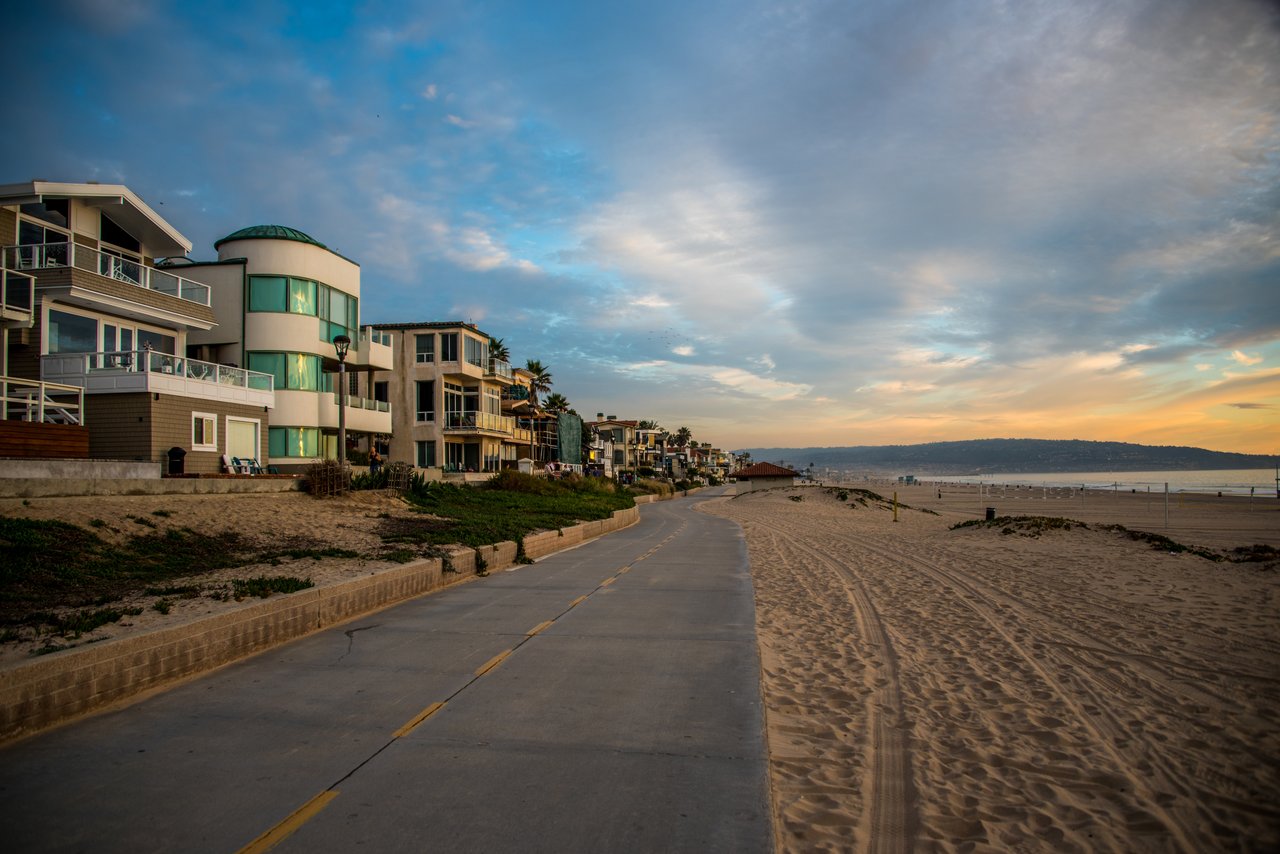
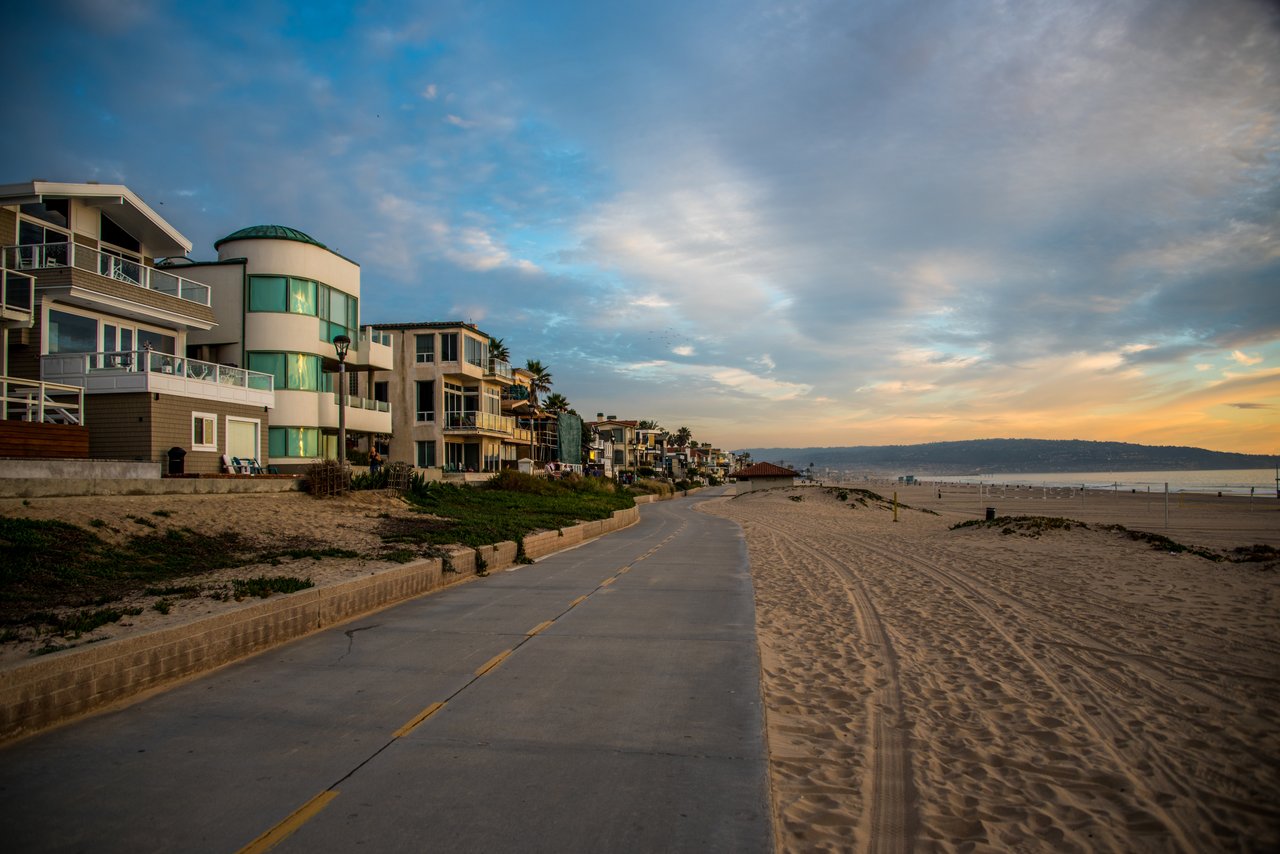
San Pedro includes a mix of older low- to mid-rise buildings and newer developments. Salt air and coastal weather can accelerate corrosion and shorten the life of exterior surfaces, decks, railings, and metalwork. Older buildings may also face deferred maintenance, which increases reserve needs and the possibility of assessments.
Seismic retrofit programs
Los Angeles has programs that require certain structures to be evaluated or retrofitted for seismic safety, including soft-story conditions in some buildings. If your condo building is subject to a retrofit program, the HOA may need to fund significant work through special assessments or loans. Ask whether the building has been evaluated, whether work is required, and how costs will be paid.
Insurance market pressures
Property and liability insurance premiums have risen in many parts of California. HOAs are seeing higher master policy costs and, in some cases, larger deductibles. Increased premiums can push dues higher or trigger special assessments if budgets are not adjusted.
Utilities, internet, and parking
In Los Angeles, water and sewer service may be billed to the HOA for master-metered buildings or billed directly to owners for individually metered units. Some associations negotiate bulk cable or internet contracts with providers, which can add value but increase dues. Parking configurations vary by building, and additional spaces or storage may carry separate fees.
Buyer checklist: documents and questions
Use this practical list to verify what your dues cover and to assess financial health before you write an offer.
Documents to request
- Current operating budget and recent financial statements
- Reserve study and the current reserve account balance
- Board meeting minutes for the past 6 to 12 months
- CC&Rs, bylaws, rules and architectural guidelines
- Master insurance declarations with limits and deductibles
- Notices of any special assessments in the past 5 years
- Litigation disclosures involving the HOA
- Management contract, if professionally managed
- Owner delinquency report
Smart questions to ask
- What exactly is included in the monthly fee? List utilities, insurance scope, amenities, parking, and any bulk services.
- What is the reserve balance and percent funded relative to the study’s target?
- When was the last reserve study completed and who performed it?
- Are there any planned projects in the next 1 to 5 years? Will they require an assessment or a loan?
- Has the HOA levied special assessments in the last 5 years? What were they for and are they fully paid?
- Is the building subject to any seismic or city-mandated retrofit? What costs are anticipated?
- Are there any lawsuits or claims involving the association?
- Are utilities master-metered or individually metered for each unit?
- What is the current delinquency rate among owners?
- Are there rental caps or owner-occupancy rules that affect resale or renting?
How to compare two condos by dues
Sometimes one condo has higher dues than another, yet it is the better value. Here is how to compare apples to apples:
- Make an inclusion checklist for each building. Note which utilities and services are included, and which you would pay separately.
- Weigh amenity value against your lifestyle. If you will not use a pool or gym, higher amenity costs might not be worth it.
- Evaluate reserve strength and upcoming projects. A slightly higher monthly fee with healthy reserves can be preferable to a low fee that hides future assessments.
- Factor in master insurance scope and deductibles. If the HOA’s policy is “bare walls,” you may want more coverage on your HO-6, including loss assessment protection.
Protect your budget with the right insurance
A condo policy designed for your building’s coverage can prevent surprises.
- Buy an HO-6 policy to cover interior finishes, personal belongings, and liability.
- Consider loss assessment coverage to help with your portion of an uninsured claim or a high master policy deductible.
- Evaluate separate earthquake insurance. Most master policies do not cover quake damage, and California risk is real.
Key takeaways for San Pedro buyers
- Dues vary by building based on age, amenities, included utilities, and insurance costs.
- Healthy reserves and transparent finances reduce the chance of surprise assessments.
- Local factors like seismic retrofit, coastal wear, and insurance pricing play a big role in HOA budgets.
- Your best protection is document-driven due diligence and a clear understanding of what your fee includes.
Get local guidance before you buy
You deserve a calm, experienced guide who knows how San Pedro HOAs actually operate. If you want help reviewing budgets, reserves, and disclosures, or you need a second set of eyes on a building’s risk profile, let’s talk. Connect with Dennis Hartley for clear, local advice and a plan that fits your goals.
FAQs
What do San Pedro condo HOA fees usually include?
- Most cover exterior and common-area maintenance, shared utilities for common spaces, master property insurance for the structure, management and admin costs, amenities, and reserve contributions.
What costs are not covered by typical HOA dues?
- Interior unit repairs, personal property insurance, earthquake insurance, individually metered utilities, and special assessments are usually not included unless stated in the CC&Rs.
How can I tell if an HOA’s reserves are healthy?
- Review the reserve study and the percent funded. A higher percent funded is generally stronger, while low funding can point to future special assessments.
Are Los Angeles seismic retrofit rules a big deal for condos?
- They can be. If your building is subject to evaluation or retrofit, project costs may be significant and are often paid through assessments or HOA loans.
Do higher HOA dues mean better buildings?
- Not always. Higher dues can reflect valuable inclusions like utilities, staffing, or strong reserves, but you need documents and recent minutes to confirm real value.
What insurance do I need as a condo owner?
- You will want an HO-6 policy for interior coverage, contents, liability, and loss assessment protection, plus separate earthquake insurance if you choose to add it.