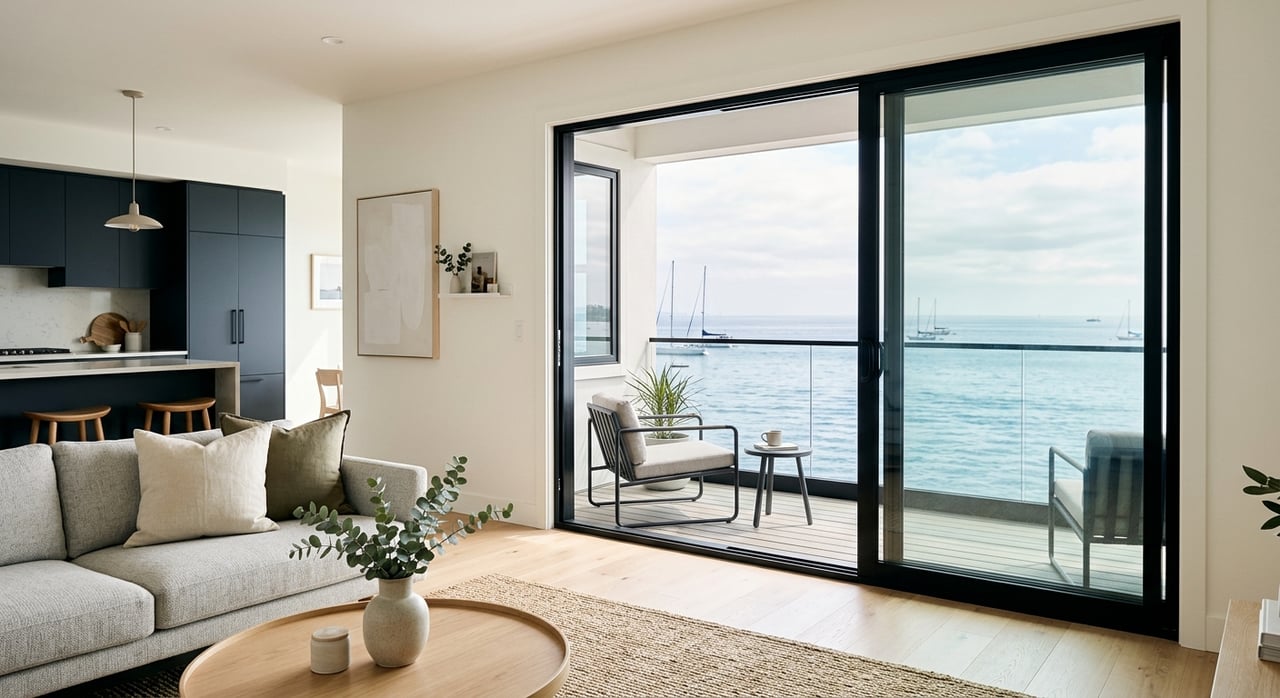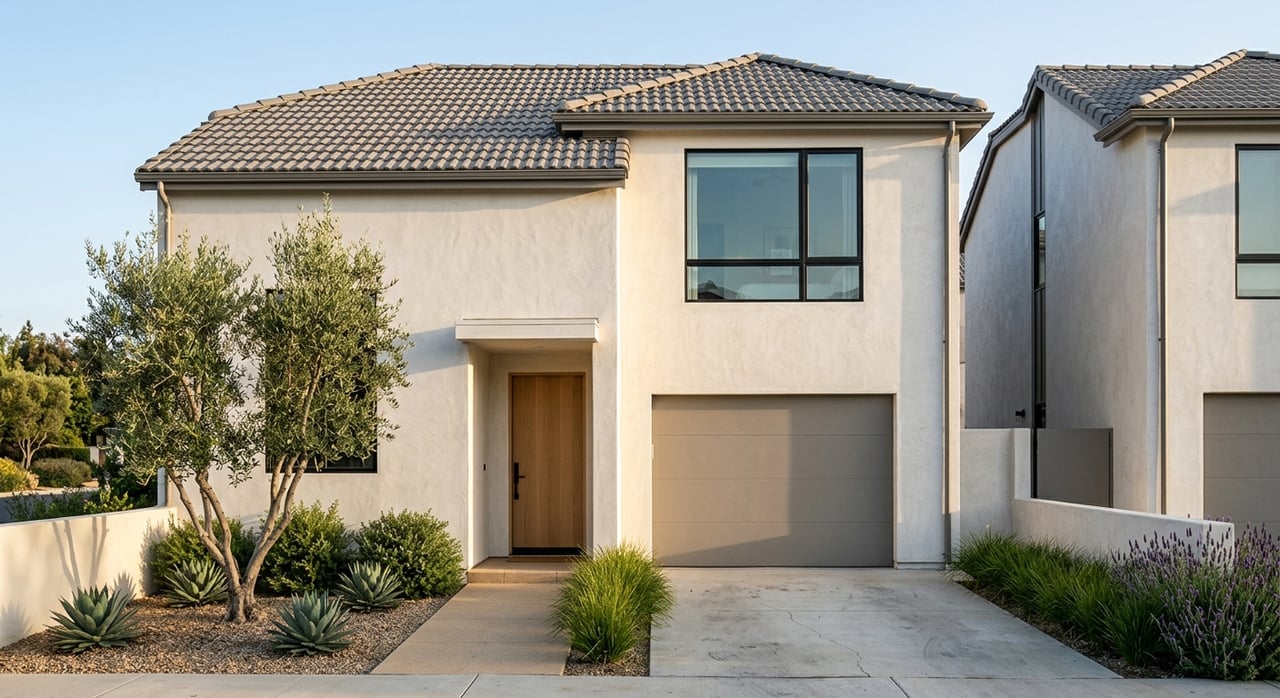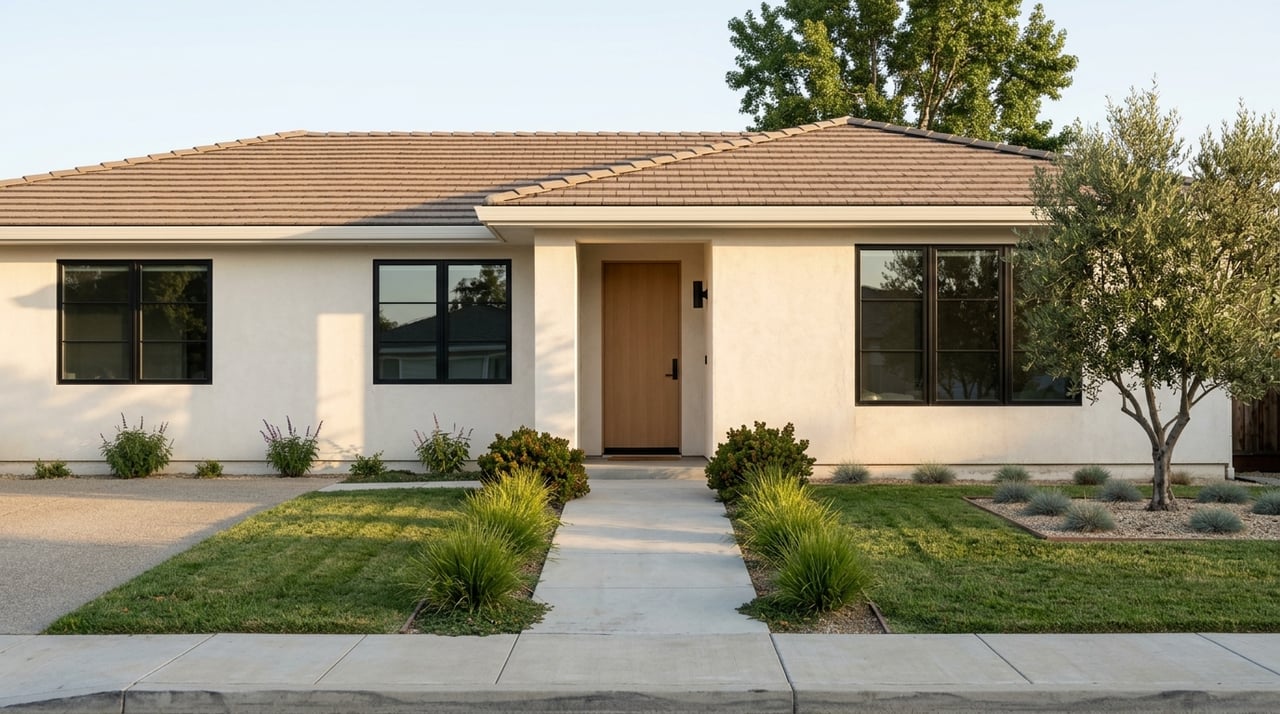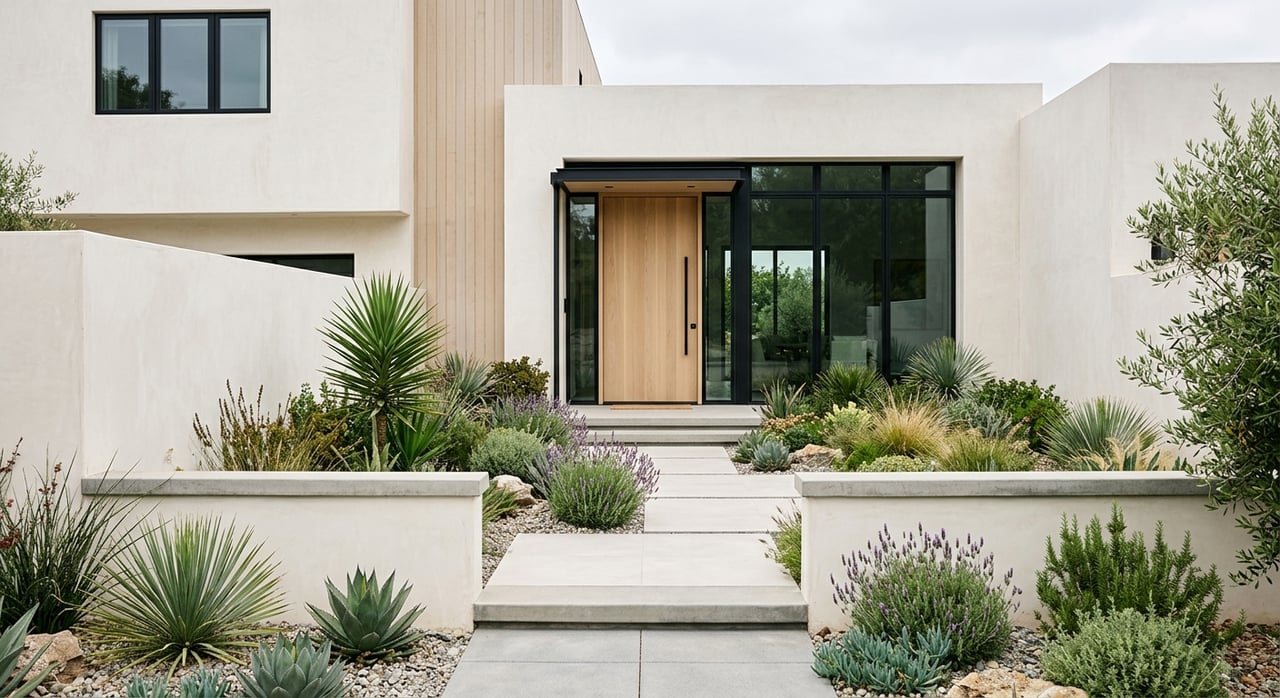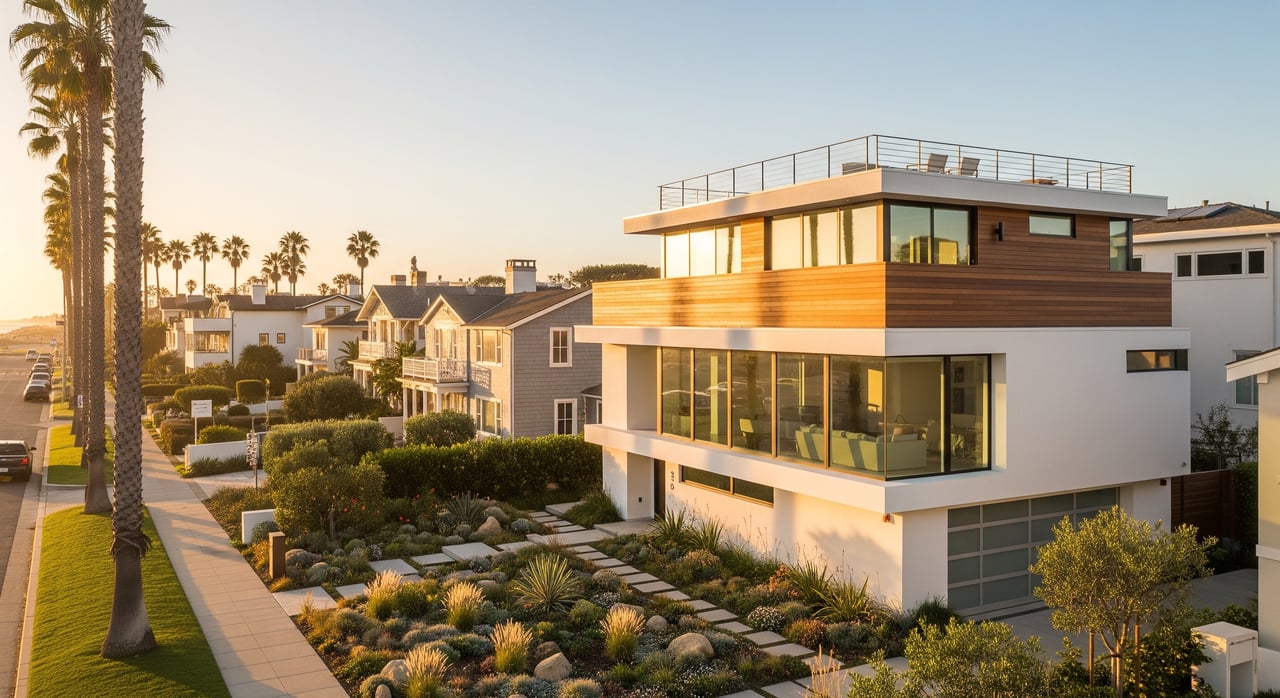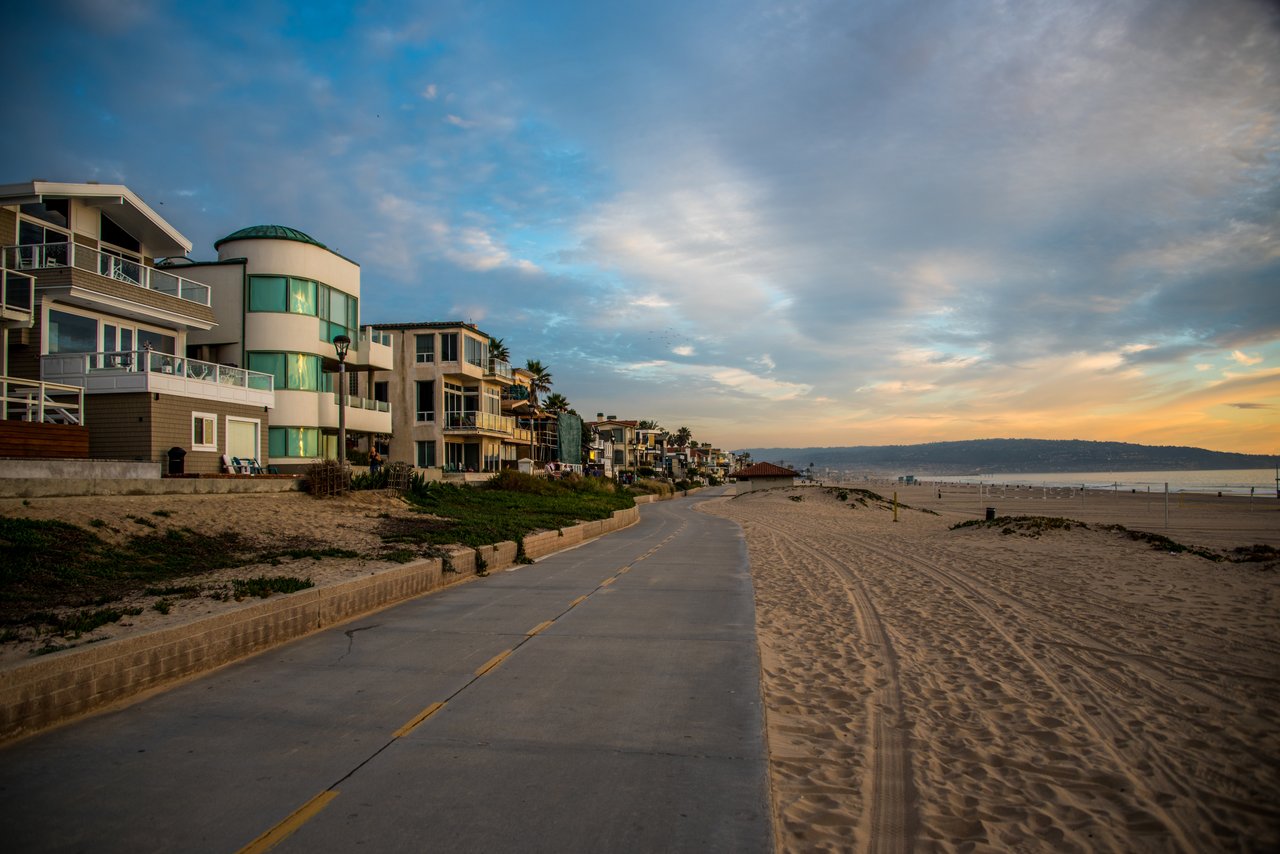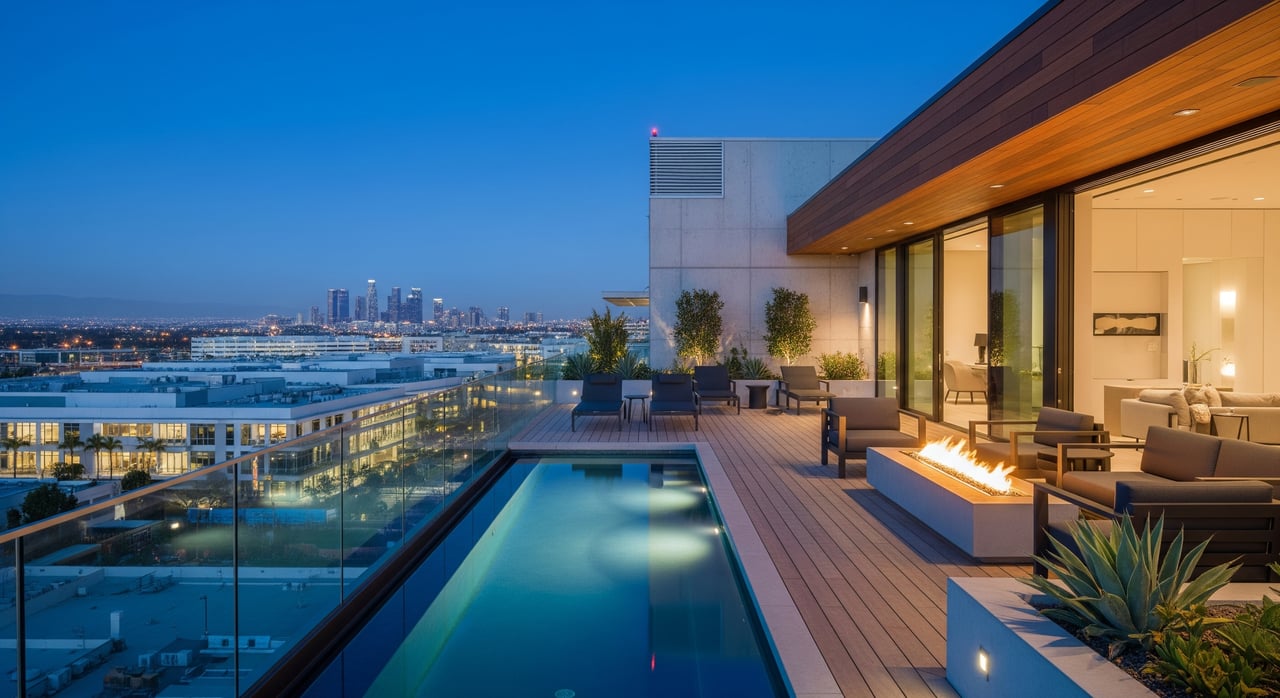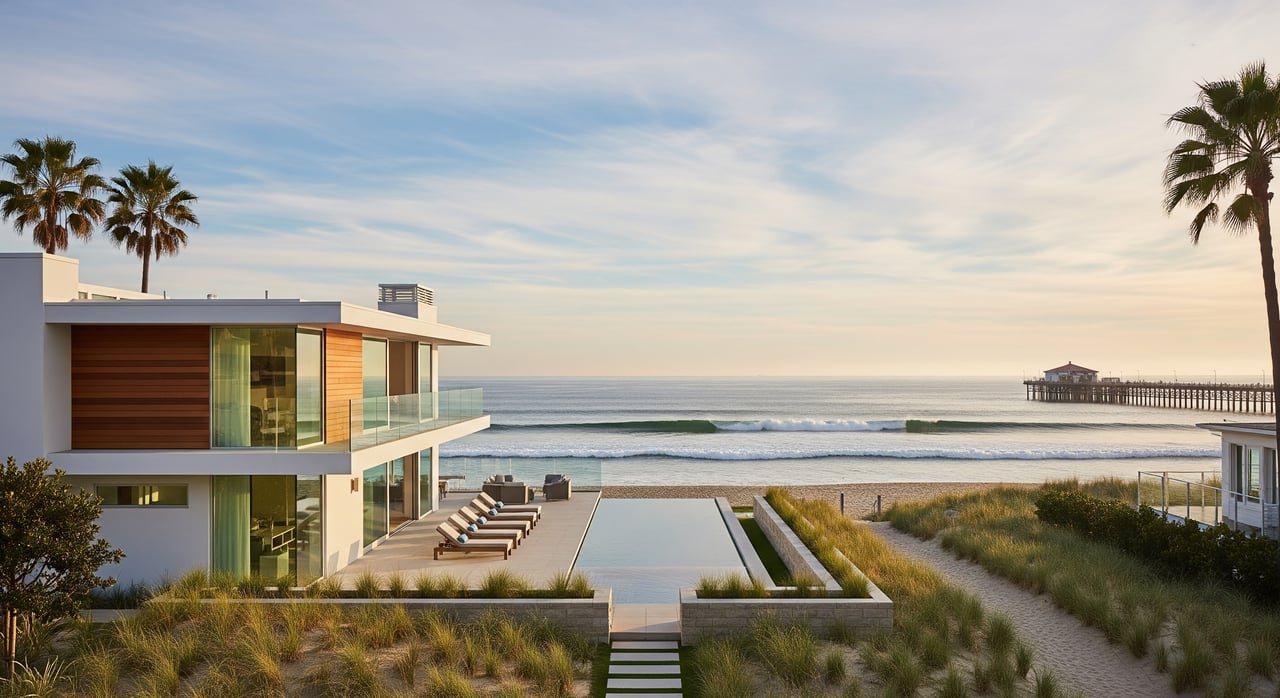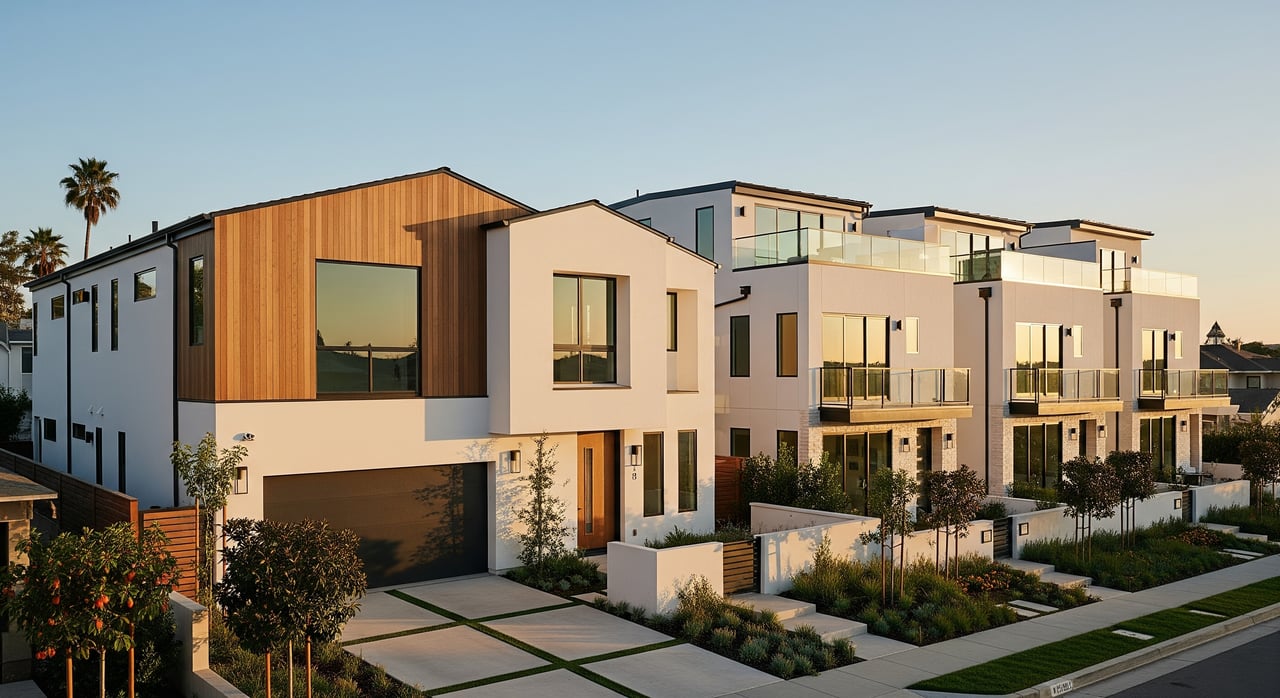
Trying to choose between a townhome or a single-family home in El Segundo? You are not alone. With limited land, strong buyer demand, and a mix of older homes and newer attached developments, the choice comes with real tradeoffs. In this guide, you will learn how costs, lifestyle, and resale potential differ for each option so you can make a confident move that fits your budget and goals. Let’s dive in.
How El Segundo shapes your choice
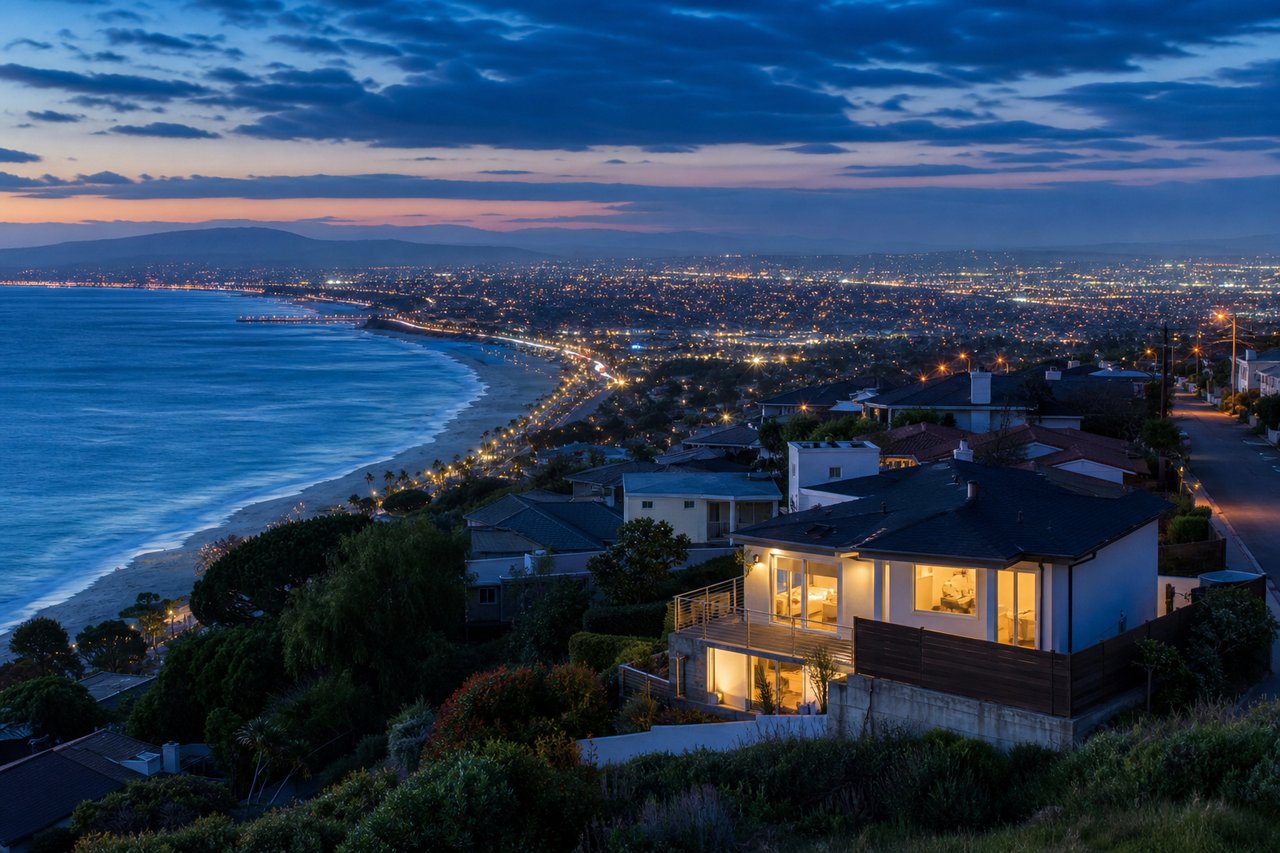
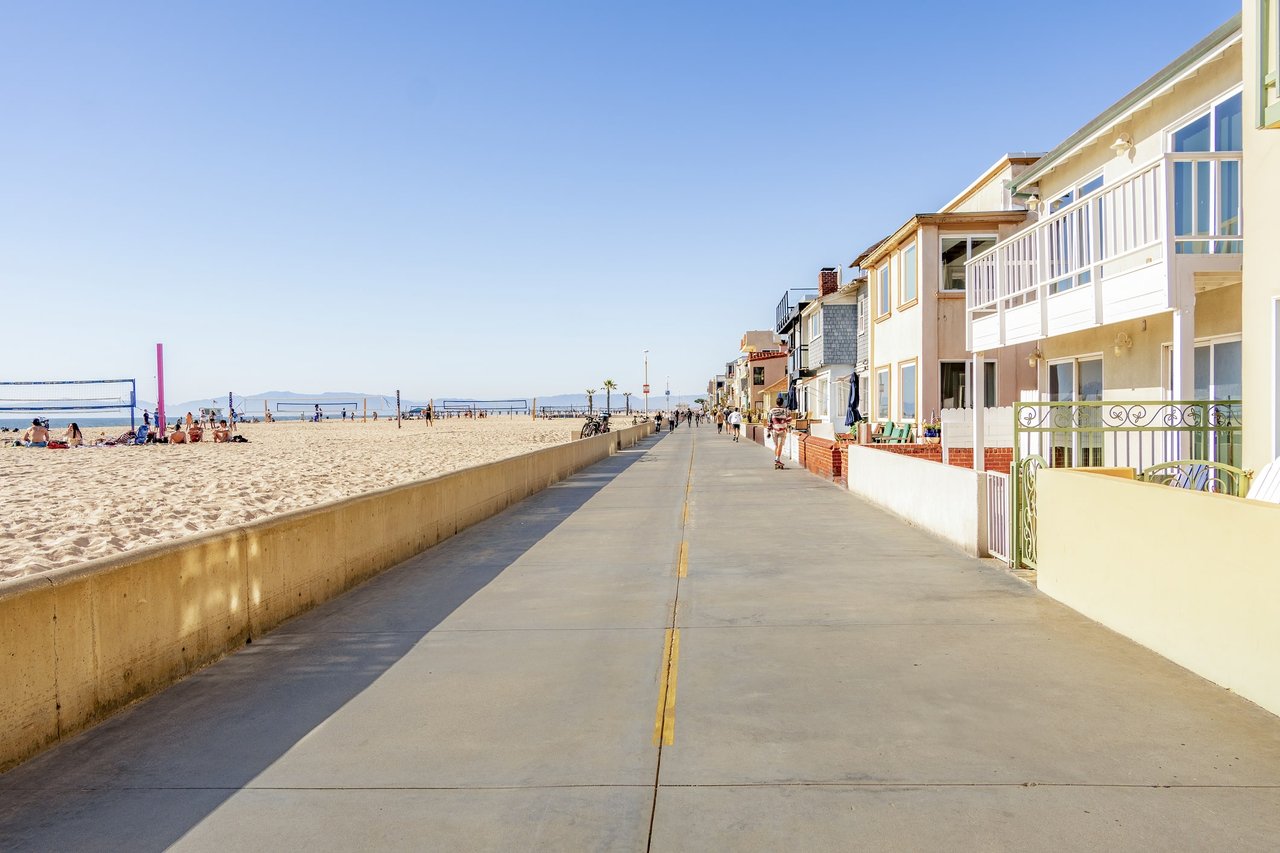
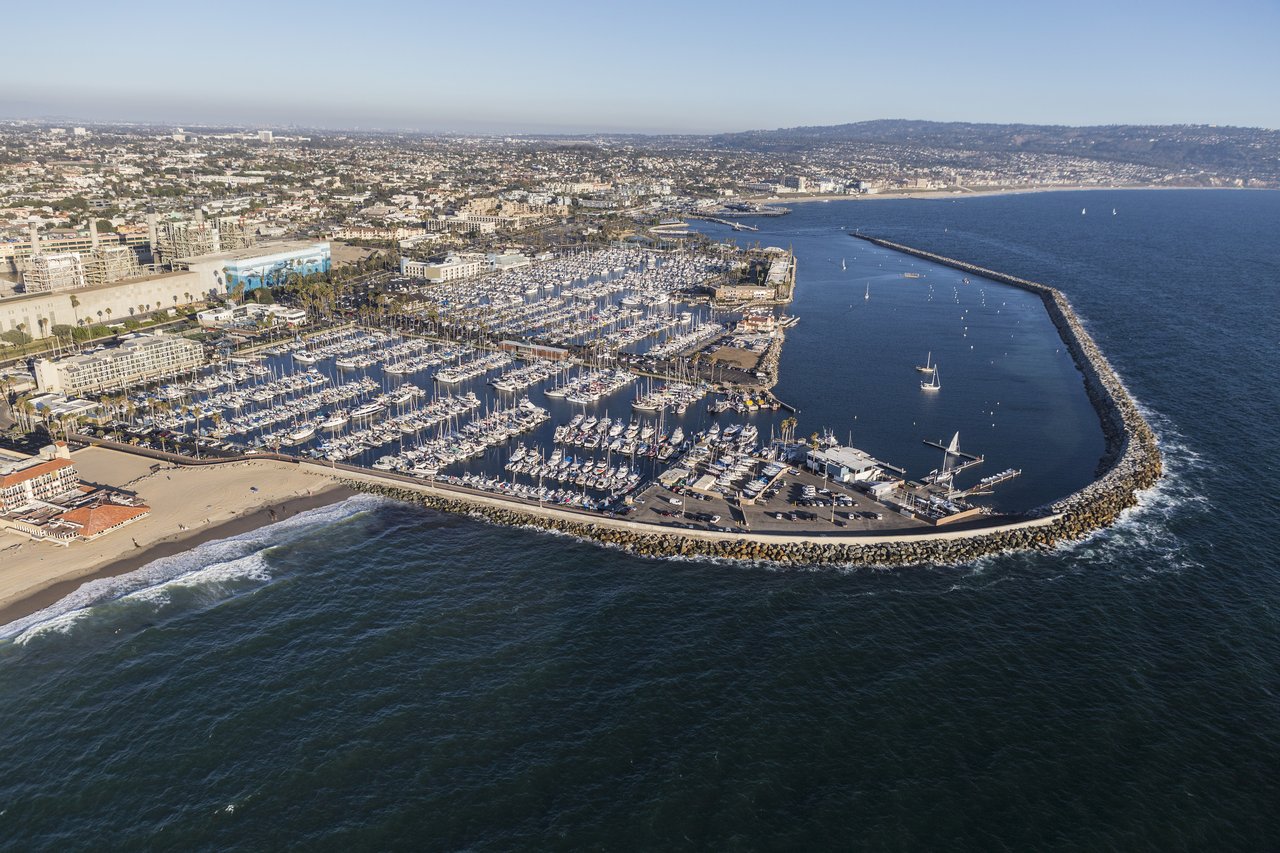
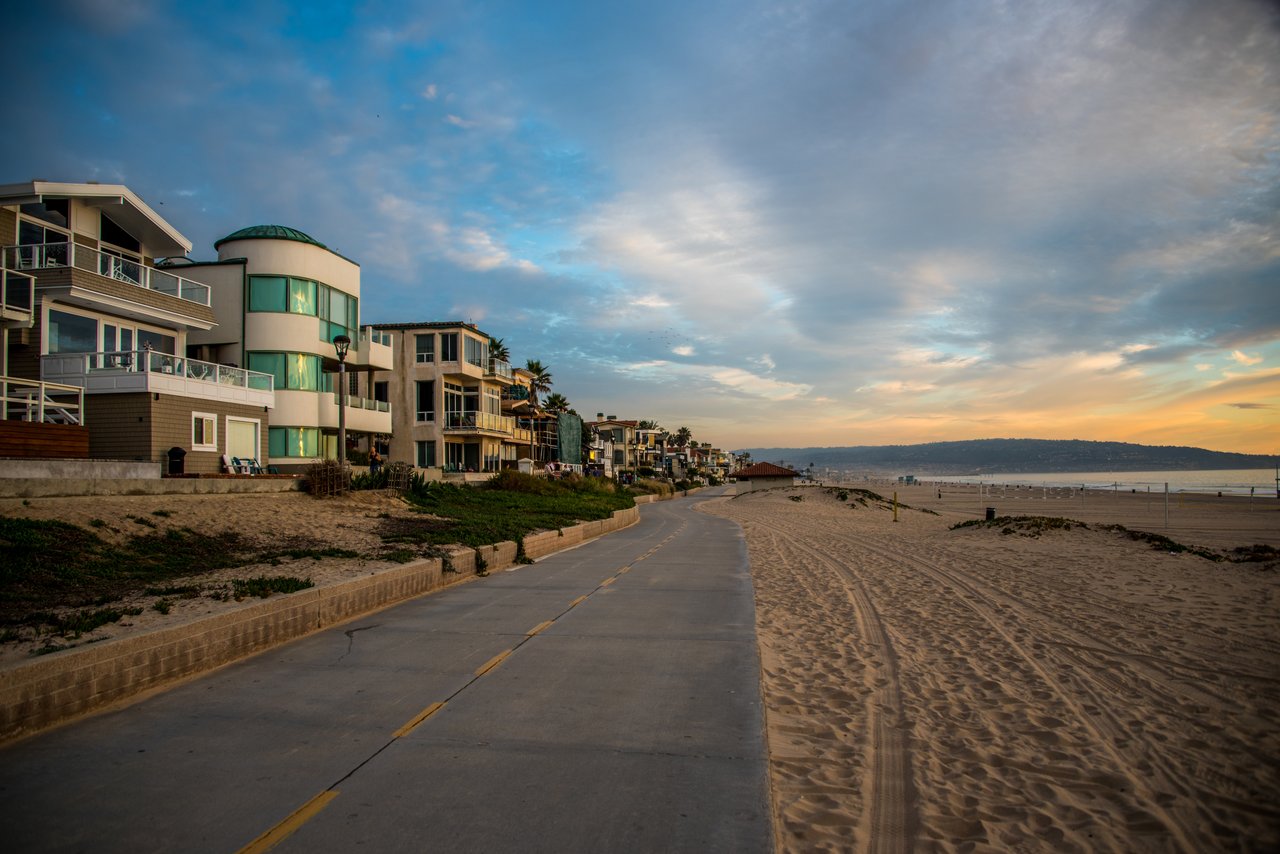
El Segundo is a compact coastal city with strong demand and limited inventory. That combination tends to support higher prices and competitive offers across property types. Proximity to LAX, major employers, and the beach boosts appeal while also introducing local factors like aircraft noise and traffic that can vary block to block.
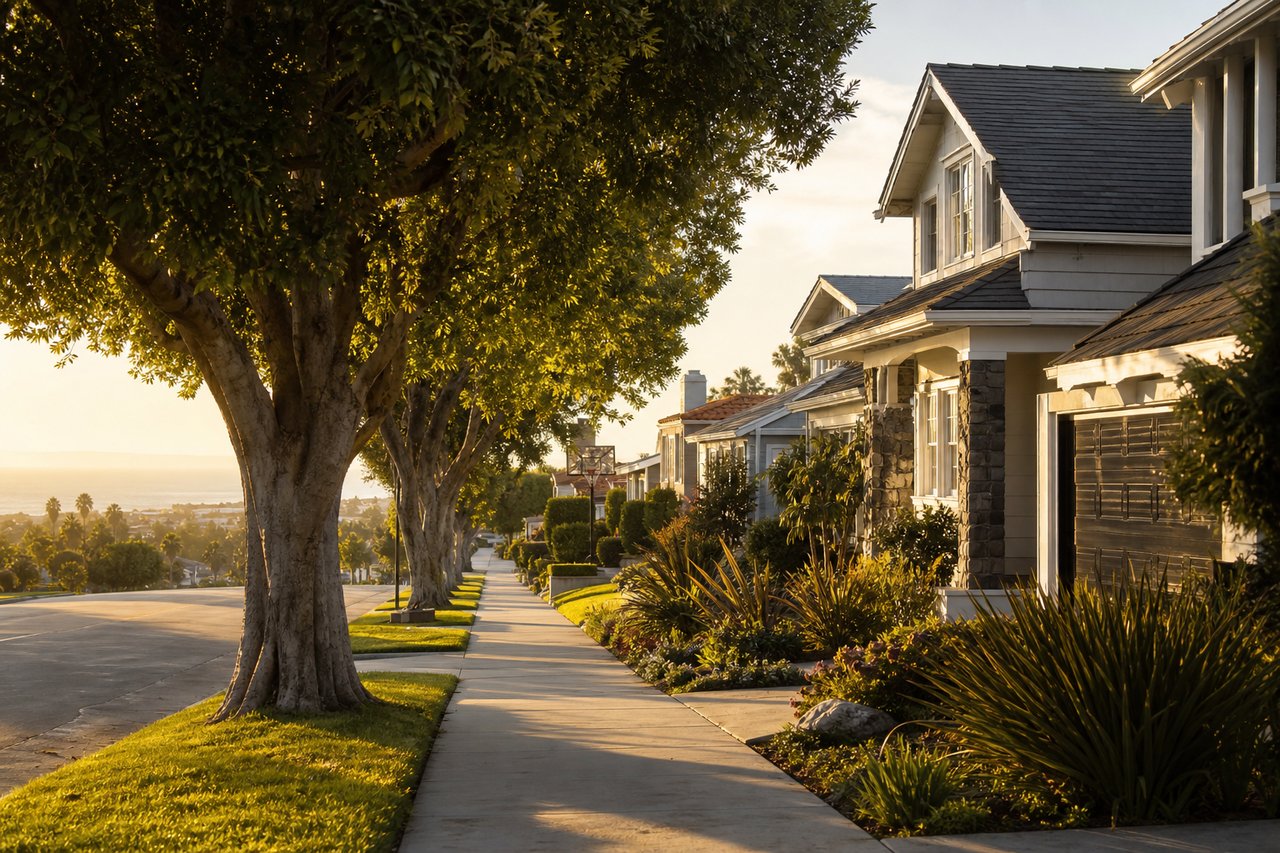
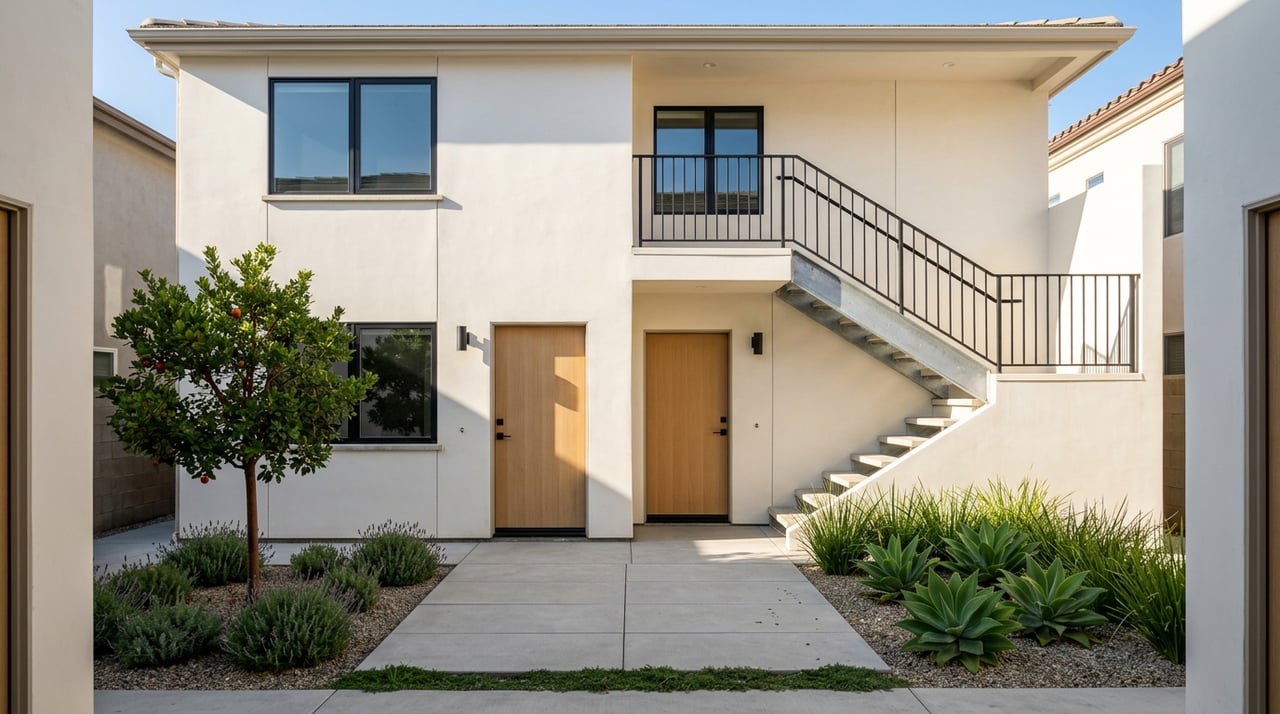
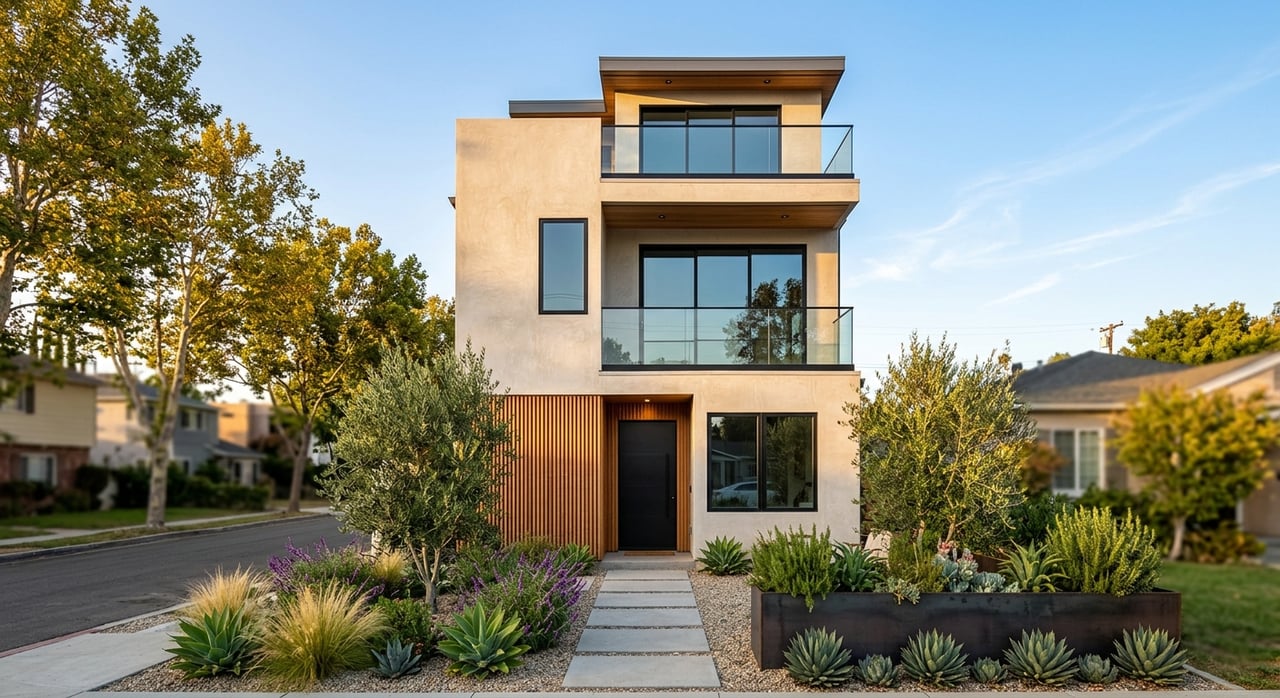
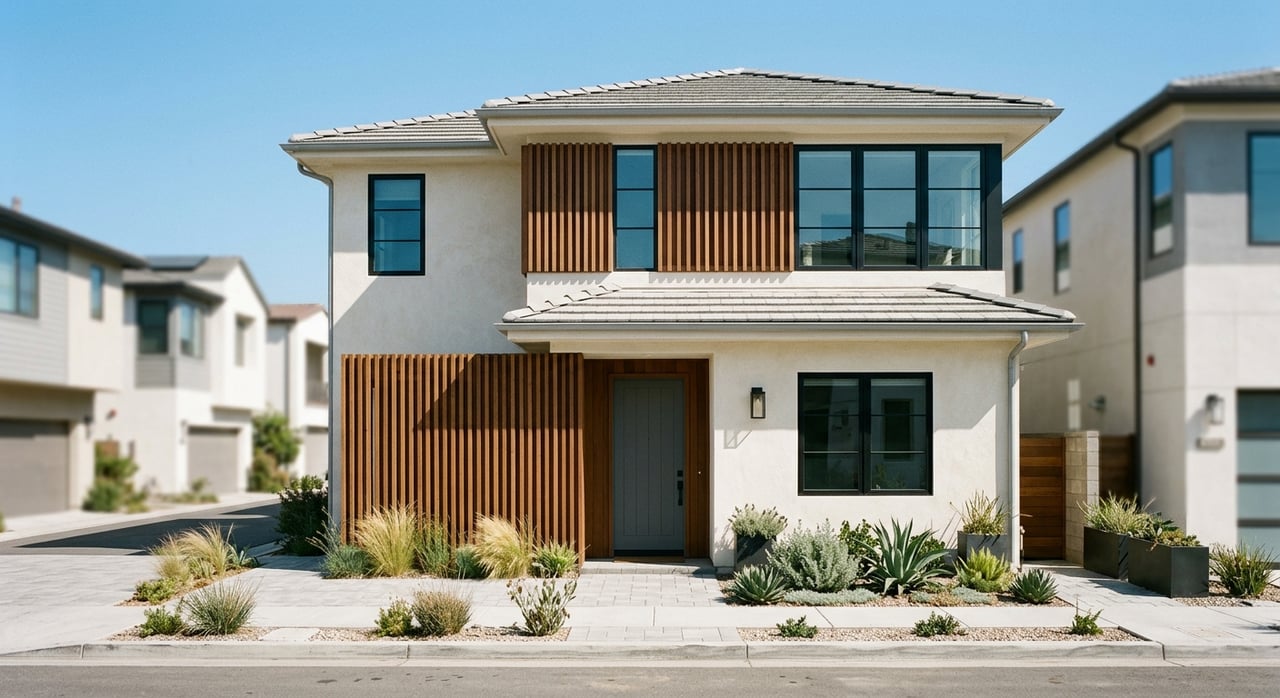
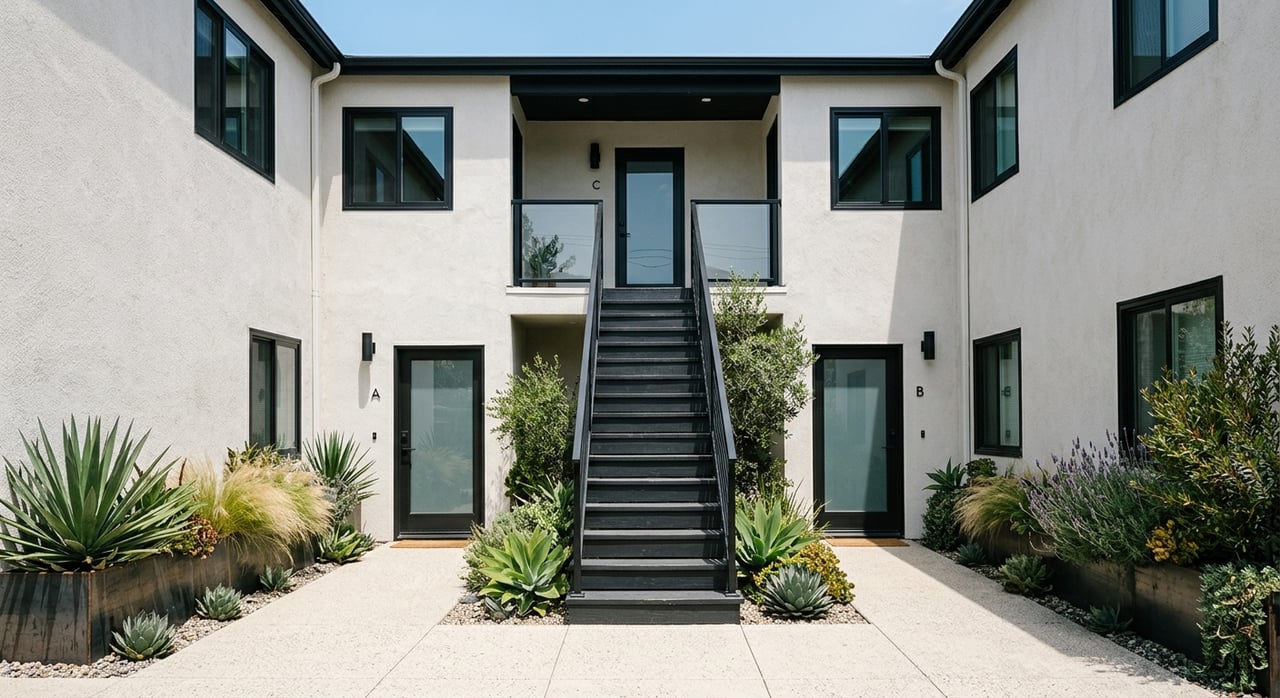
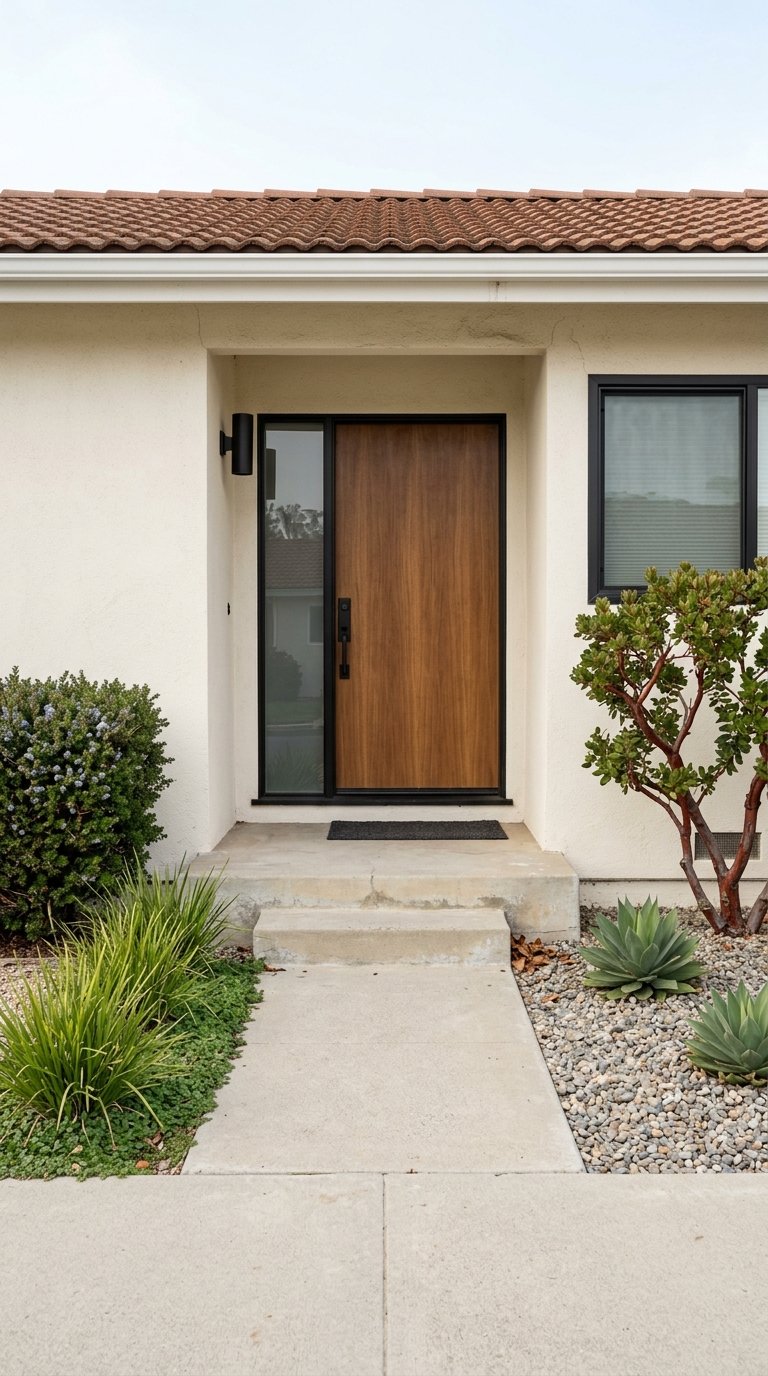
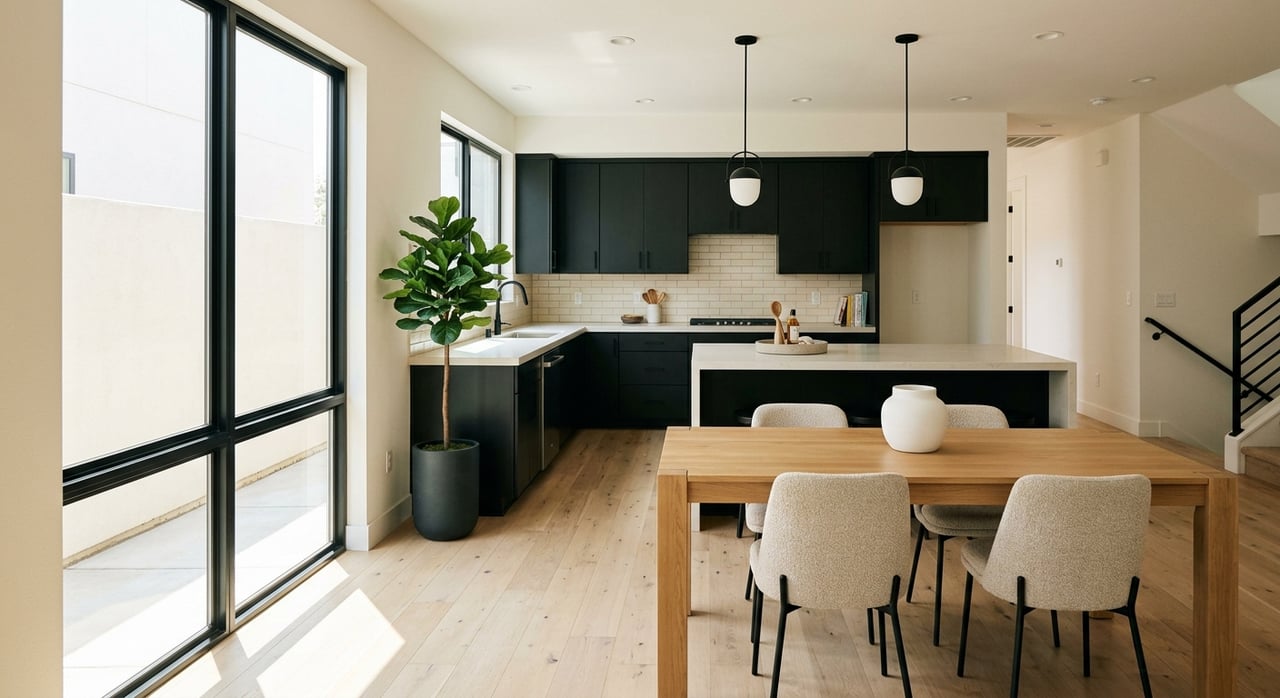
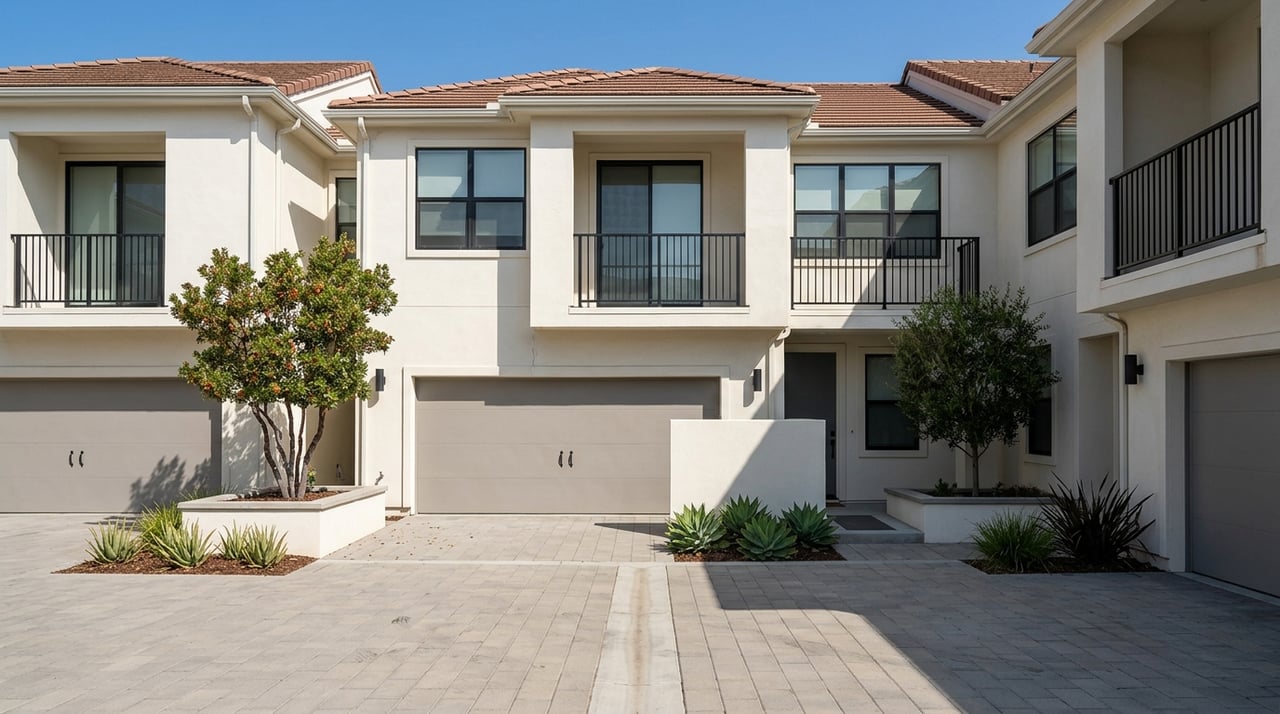
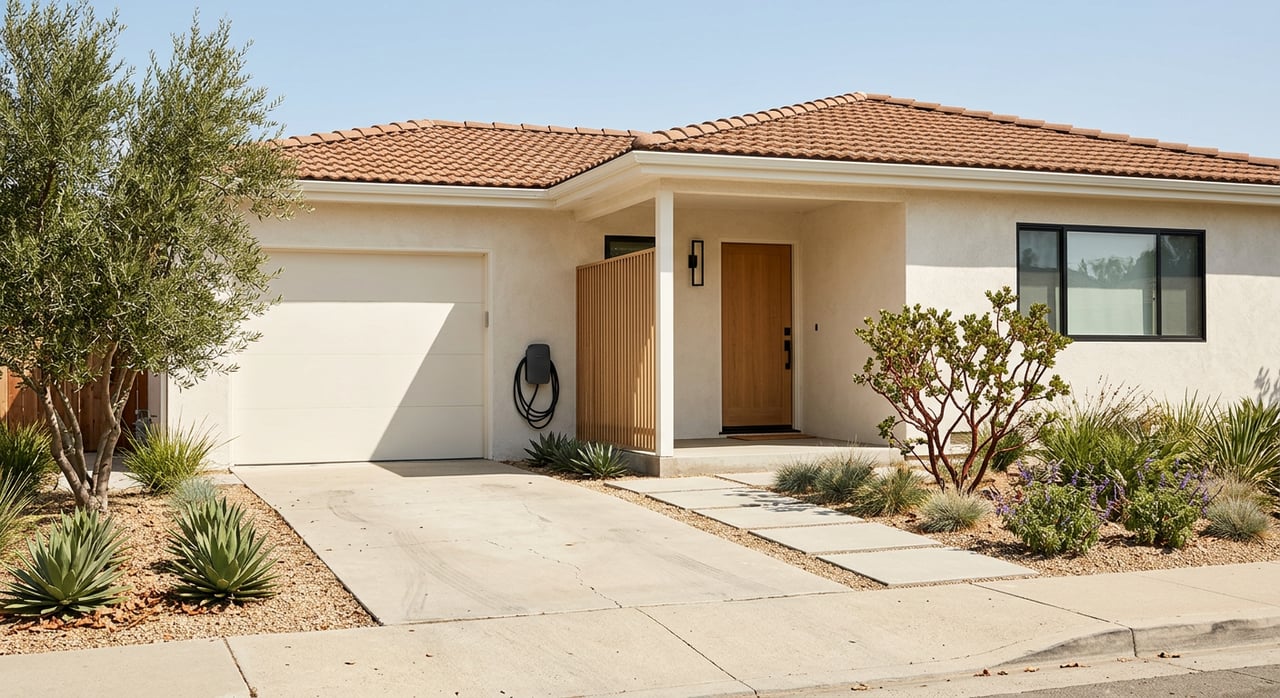
Neighborhoods feature a mix of older single-family streets and newer townhome communities. Many buyers prioritize convenience and newer finishes in attached homes, while others prefer the privacy and flexibility of a detached lot.
Cost comparison: what you will pay
Recurring costs to budget
- Mortgage principal and interest based on price, down payment, and loan terms.
- Property tax in California typically about 1 percent of assessed value plus local assessments. Verify the exact rate for the parcel with the county.
- Insurance differences:
- Single-family: you carry an HO-3 or HO-5 policy that covers the structure and contents.
- Townhome or condo: the HOA usually carries a master policy for common areas and sometimes exteriors. You carry an HO-6 walls-in policy. Confirm master coverage and deductible.
- HOA dues for townhomes often fund exterior maintenance, landscaping, shared insurance, reserves, and sometimes utilities. Ask for current dues, recent increases, reserve study, and assessment history.
- Utilities and services. Townhomes may have lower yard-related utilities. Single-family homes often have higher irrigation, exterior lighting, and trash costs.
- Maintenance reserve. Single-family owners should set aside funds for exterior systems like roof, paint, and landscaping. Townhome owners may set aside less personally because the HOA covers shared items.
Irregular and one-time costs
- Special assessments. HOAs can levy assessments for capital projects. Review financials and meeting minutes for pending work.
- Major repairs or remodels. Single-family owners pay for all exterior and structural work. Townhome owners may focus on interiors, but HOA rules and shared walls can limit scope.
Use a Total Monthly Carry
Create a simple comparison for two realistic comps in the same micro-area. Add up your Total Monthly Carry:
- Mortgage principal and interest
- Property tax divided by 12
- Insurance divided by 12
- HOA dues if any
- Utilities
- Maintenance reserve
This side-by-side view helps you see today’s cost and how each choice might appreciate over time in El Segundo.
Lifestyle tradeoffs that matter
Privacy and noise
Townhomes share walls or floors, which can increase neighbor noise. Newer buildings may have better soundproofing. Single-family homes offer more separation and privacy since the structure is detached and yards create space between neighbors.
Outdoor space and yard
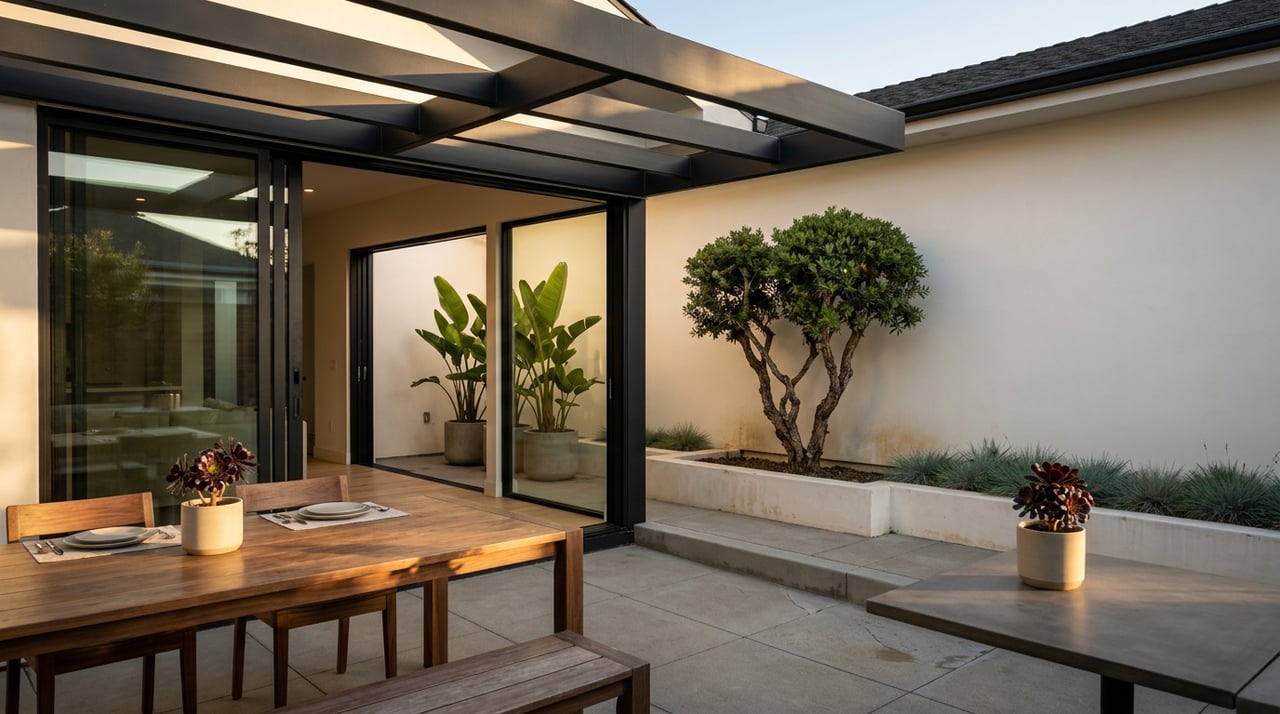
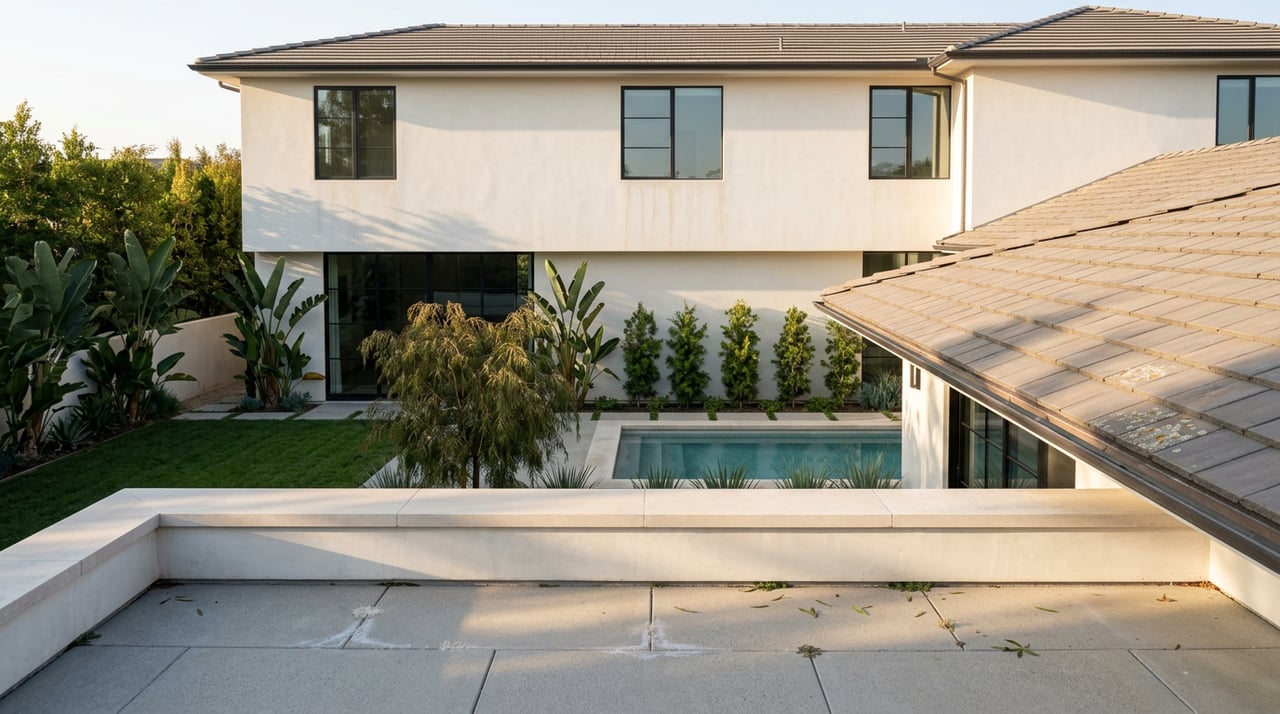
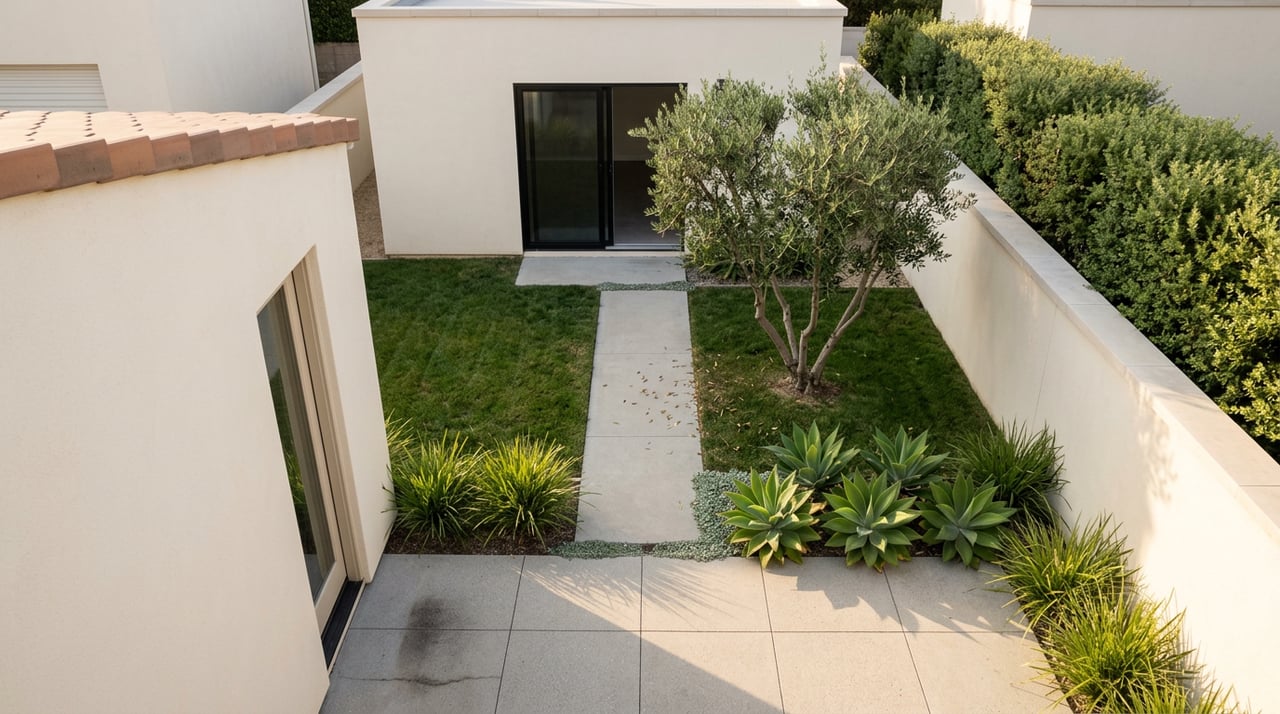
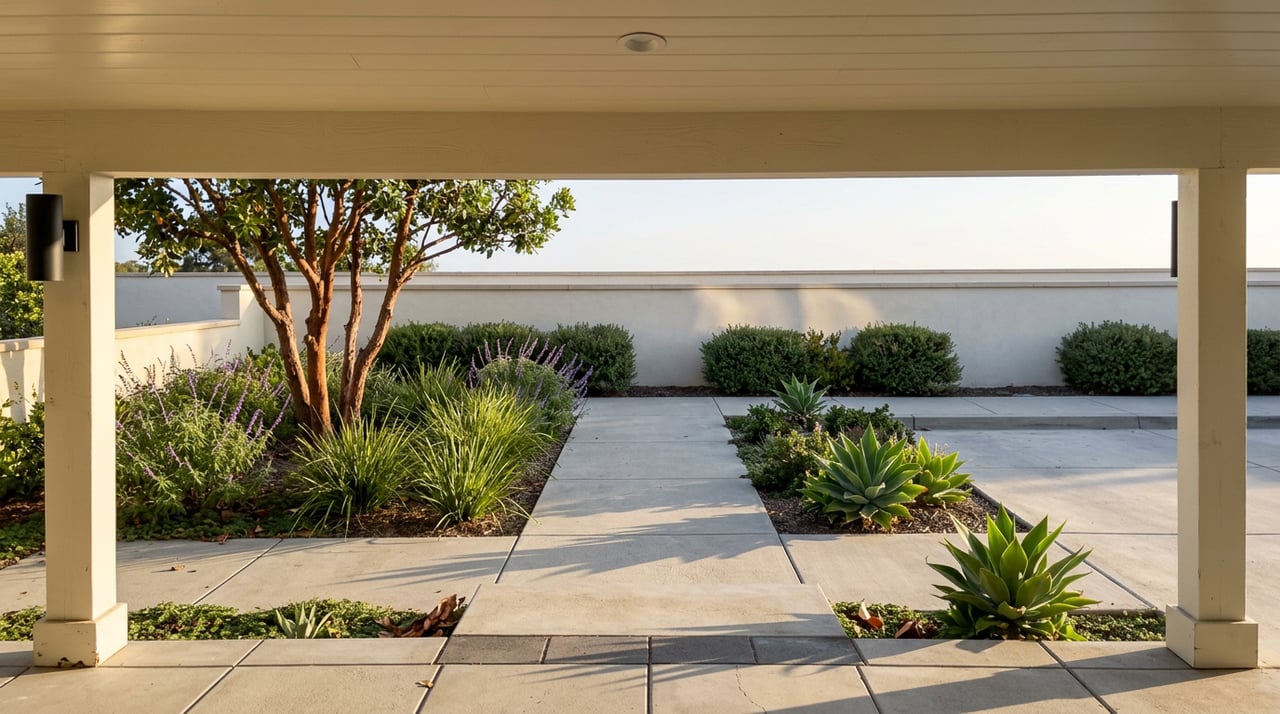
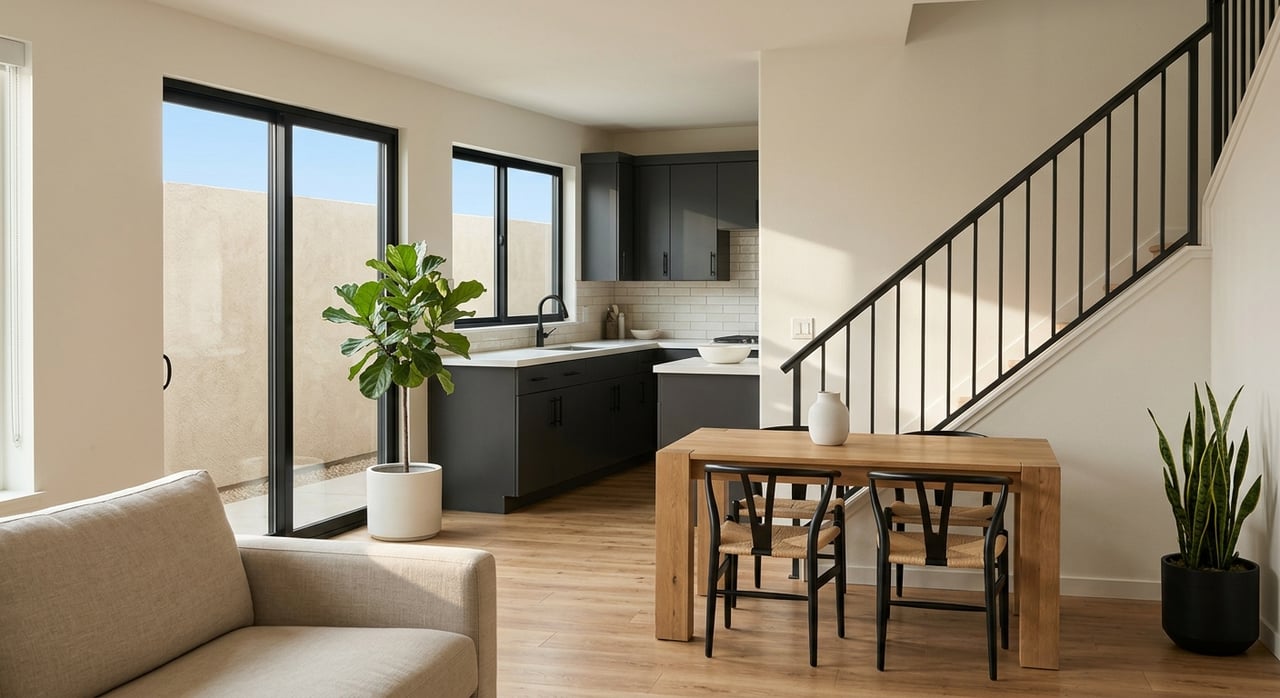
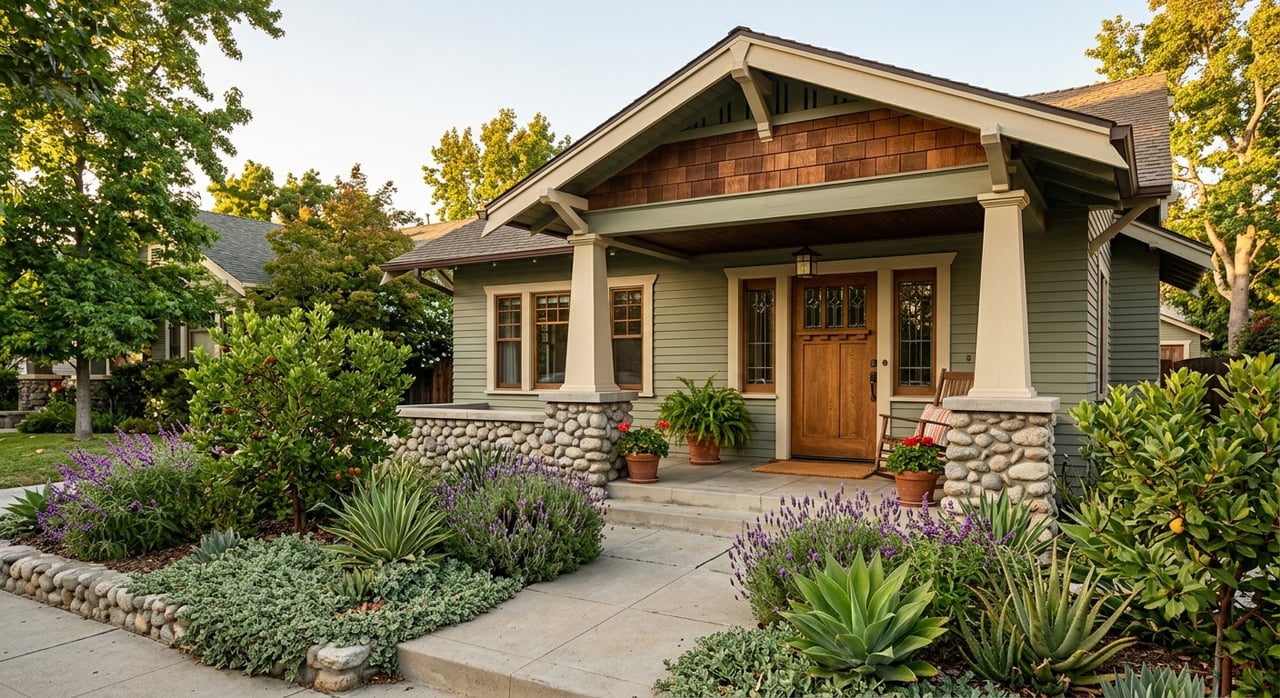
Townhomes often include smaller yards, patios, or balconies, plus shared amenities like courtyards or a pool if the community offers them. Single-family homes provide private yards and more room for gardening, outdoor play, or future features like a pool or an accessory dwelling unit, subject to permits and local rules.
Renovation and expansion
Single-family homes give you more freedom to remodel exteriors, add ADUs, or rework landscaping, all subject to zoning and permits. Townhomes are governed by HOA rules and CC&Rs that control exterior changes and may limit certain upgrades. Interiors are generally more flexible, but shared structures can add constraints.
Parking and storage
Townhomes often have assigned garage or tandem parking with rules for guests. Single-family homes typically include a private driveway and garage plus potential for added storage in the yard or attic.
Resale and buyer pool in El Segundo
Who tends to buy each
Single-family homes usually draw a wide buyer base that values privacy, a yard, and future flexibility. Townhomes appeal to first-time buyers, downsizers who want low exterior maintenance, and buyers who prize location and newer finishes.
What drives appreciation
In constrained coastal markets, both types can perform well. Lot value often supports single-family appreciation over time. Townhomes can outperform when they are newer, close to jobs and services, and offer turnkey living that buyers want. Location, school boundaries, street frontage, HOA health, and exposure to aircraft noise are important for resale.
Financing, insurance, and local rules
Lending differences for attached homes
Single-family purchases typically qualify for conventional, FHA, and VA loans with standard underwriting. Townhomes and condos may require additional condo project approval for certain loans. Lenders review HOA financials, owner-occupancy, reserve levels, and any litigation, which can affect loan availability and terms.
Insurance and coastal exposure
Confirm the HOA master policy type and deductibles for attached homes so you understand what your HO-6 must cover. In coastal areas, check flood risk. Standard homeowner policies do not cover flood, so evaluate FEMA flood maps and the availability of flood insurance if applicable.
Local regulations to check
- Zoning, setbacks, and ADU rules for any expansion plans in single-family yards.
- Noise from the LAX flight path, which can vary by street and may affect comfort and resale.
- Environmental factors such as industrial adjacency or historical uses near certain parcels.
- Mello-Roos or community facilities district taxes on newer developments. Review the parcel tax line items on the property tax bill.
Due diligence checklist
For townhomes and condos
- CC&Rs, bylaws, and rules and regulations
- Current budget, reserve study, and audited financials
- HOA board meeting minutes and notices of special meetings
- List of current or pending special assessments and major projects
- HOA insurance declarations and deductible details
- Owner-occupancy ratio and rental caps
- Parking assignments, guest policies, and pet rules
- Evidence of compliance with state condo requirements and any eligibility needed for your loan program
For single-family homes
- Recent pest and termite report
- Roof, foundation, and sewer lateral inspections
- Permits for any additions or remodels, and confirmation of no unpermitted work
- Property lines, easements, and setback encroachments
For all properties
- Current property tax bill and any parcel taxes or special assessments
- FEMA flood map status and any applicable coastal hazard information
- Neighborhood noise and traffic patterns, plus planned local projects
- School district boundaries if relevant to your plans
- Comparable sales for both townhomes and single-family homes in the same micro-area over the last 6 to 12 months
A simple decision framework
- Define your priorities: budget, privacy versus low maintenance, need for a yard or ADU potential, and comfort with HOA governance.
- Calculate your Total Monthly Carry for a townhome and a single-family comp in the same area.
- Check financing constraints. Confirm condo or townhome eligibility for your loan program if applicable.
- Study resale patterns in your target micro-area. See which type tends to sell faster and who the likely future buyer will be.
- Complete targeted due diligence. Focus on HOA documents for attached homes and permits plus inspections for single-family.
- Weigh nonfinancial factors like commute, aircraft noise, and long-term flexibility.
- Decide with a contingency plan. You might accept a slightly higher carry for a single-family if you value long-term flexibility, or choose a townhome to minimize upkeep and commute time.
Examples: which fits you
- You want low exterior maintenance and newer finishes near work. A townhome could fit if you accept shared walls and HOA rules.
- You plan to garden, add an ADU, or want more privacy. A single-family home could be better if you are comfortable with higher maintenance and yard care.
- You are optimizing total cost today. A townhome may pencil out with lower personal maintenance, but factor in HOA dues and special assessment risk.
- You are focused on long-term flexibility. A single-family lot often provides more options for expansion subject to permits.
Work with a local advisor
Your best decision will come from realistic comps and clear due diligence that reflects El Segundo’s block-by-block nuances. If you want a steady, detail-oriented approach, backed by modern marketing tools and hands-on guidance, connect with a local advisor who knows the South Bay and El Segundo micro-markets.
Ready to weigh your options with clear numbers and a practical game plan? Reach out to Dennis Hartley for buyer representation, strategic seller services, or relocation guidance across the South Bay.
FAQs
What should I compare for El Segundo townhomes versus single-family homes?
- Start with Total Monthly Carry, then weigh privacy, yard needs, HOA rules, financing eligibility, and likely resale in your target micro-area.
How do HOA dues impact affordability for El Segundo townhomes?
- HOA dues cover shared expenses and reserves, which can reduce your personal maintenance but raise monthly costs. Review dues history, reserves, and any assessments.
How does aircraft noise near LAX affect home choice in El Segundo?
- Noise exposure varies by street and elevation. Visit at different times, review disclosures, and consider window quality and insulation when comparing homes.
Can I build an ADU on a single-family lot in El Segundo?
- California allows ADUs broadly, but local design standards and permits apply. Confirm zoning, setbacks, and utilities with the city planning department.
What HOA documents should I review before buying a townhome?
- Review CC&Rs, rules, budgets, reserve studies, audited financials, insurance declarations, meeting minutes, owner-occupancy, rental caps, and any current litigation.
How do California property taxes work for El Segundo buyers?
- Expect roughly 1 percent of assessed value plus local assessments, with increases limited under state rules. Verify the exact rate and parcel taxes for the property.