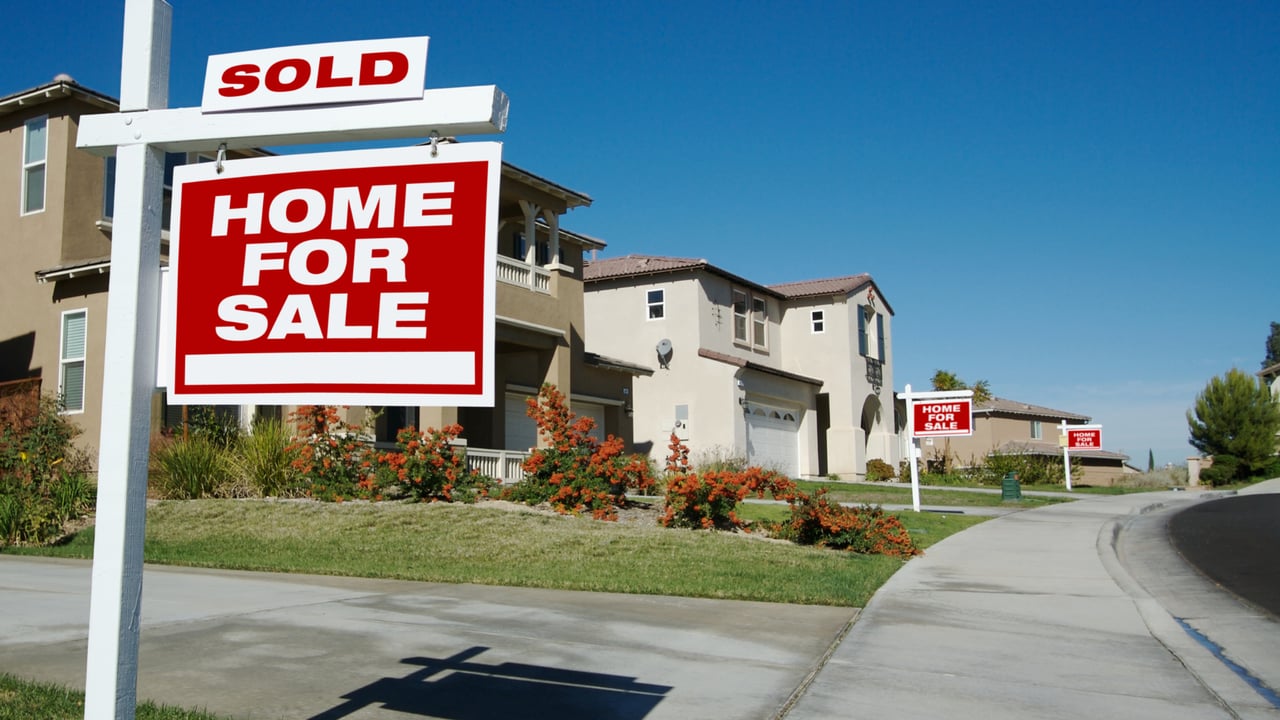
Selling a home is exciting, but it’s also important to understand the financial side of the process before your property hits the market. Many homeowners focus on their potential sale price but forget to plan for the expenses that come with selling. Knowing what to expect helps you avoid surprises and confidently plan your next move.
Here’s a breakdown of the real costs of selling a home.
Real Estate Commissions
For most sellers, the largest expense is real estate commission. This typically covers both the listing agent and the buyer’s agent, along with marketing, professional photography, negotiations, and transaction management.
While this is an investment, the right strategy and exposure can often result in a higher sale price and smoother transaction.
Preparing Your Home for the Market
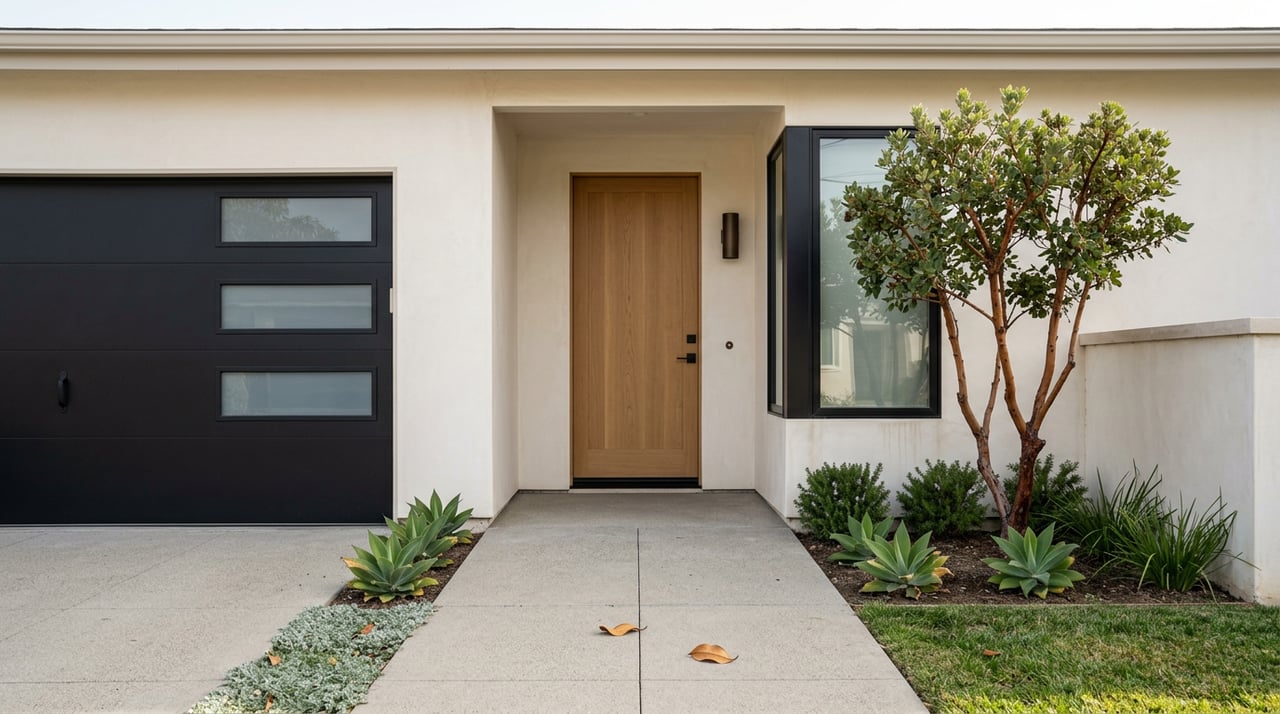
First impressions matter. Preparing your home to stand out can significantly impact buyer interest and offers.
Typical preparation costs may include:
-
Deep cleaning and decluttering
-
Interior and exterior touch-up paint
-
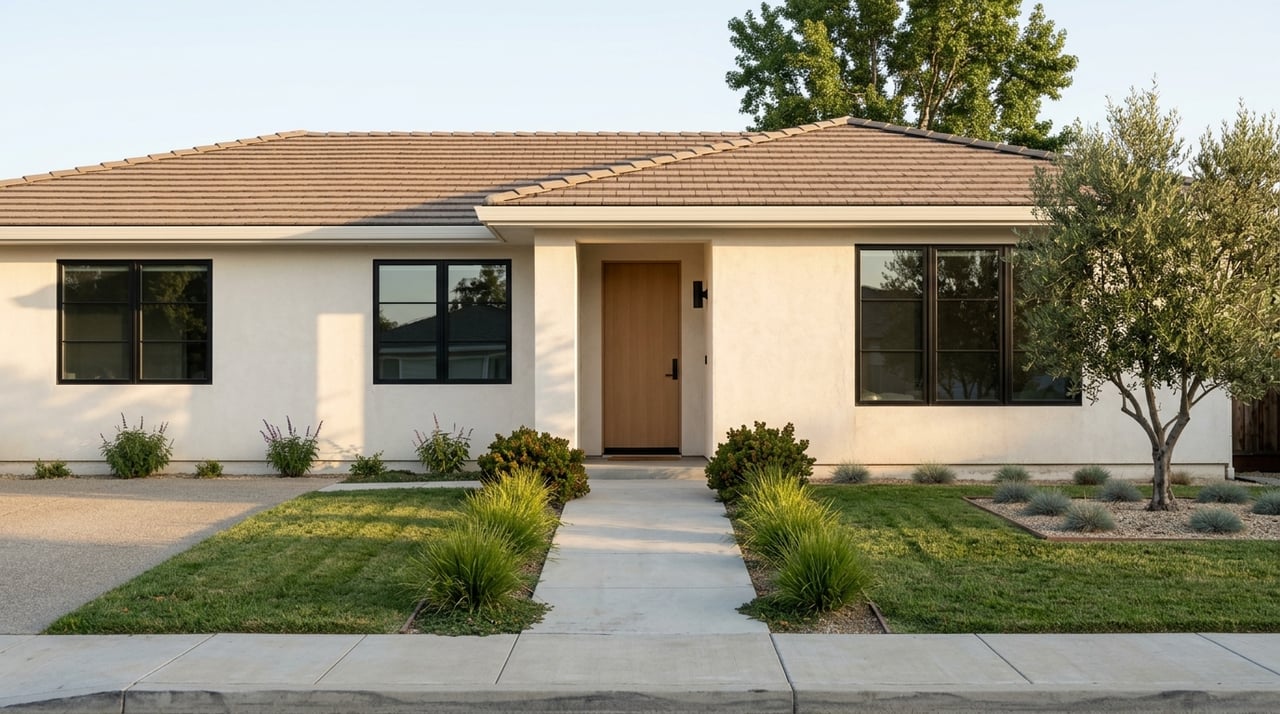
Landscaping and curb appeal improvements
-
Minor repairs and maintenance
-
Professional staging or styling
Even small updates can make a big difference in how buyers perceive value.
Inspections and Repairs
In many transactions, sellers choose to complete inspections upfront or negotiate repairs during escrow.
Common costs can include:
-
Home inspection or pre-listing inspection
-
Termite inspection and potential treatment
-
Roof, plumbing, or electrical repairs if needed
-
General maintenance items discovered during escrow
Planning ahead for these possibilities helps reduce stress later in the process.
Closing Costs and Fees
At closing, sellers are responsible for several transaction-related costs. These may include:
-
Escrow and title fees
-
Transfer taxes and recording fees
-
HOA document fees (if applicable)
-
Prorated property taxes
-
Potential buyer credits or negotiated concessions
These costs vary depending on the property and the terms of the sale.
Moving Expenses
Once the home is sold, the next chapter begins. Don’t forget to budget for:
-
Professional movers or truck rental
-
Packing materials and storage if needed
-
Cleaning your home after move-out
-
Temporary housing if timing requires it
Planning for moving costs helps ensure a smoother transition.
Why Planning Ahead Matters
Understanding the full financial picture allows you to:
-
Estimate your net proceeds accurately
-
Avoid last-minute surprises
-
Make confident decisions about your next home
-
Create a smoother, less stressful selling experience
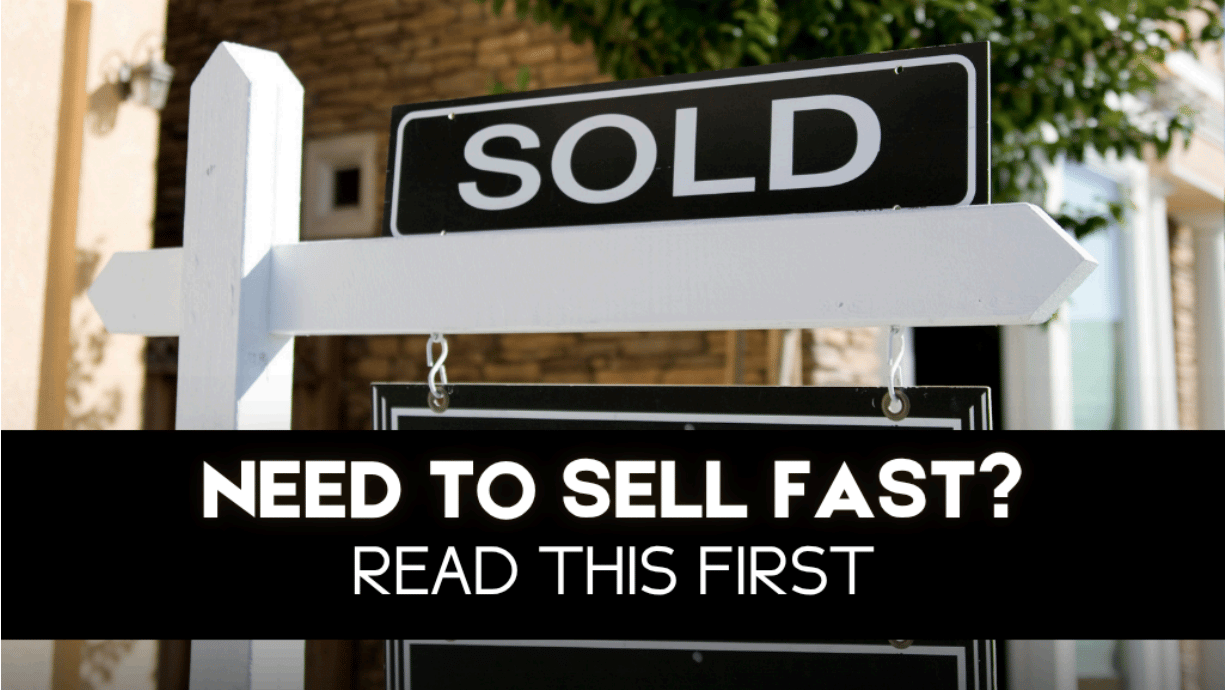
Selling a home is more than putting a sign in the yard — it’s a strategic process that benefits from preparation and expert guidance.
If you’re considering selling and would like an estimate of what your potential net proceeds might look like, I’m always happy to help you plan ahead.