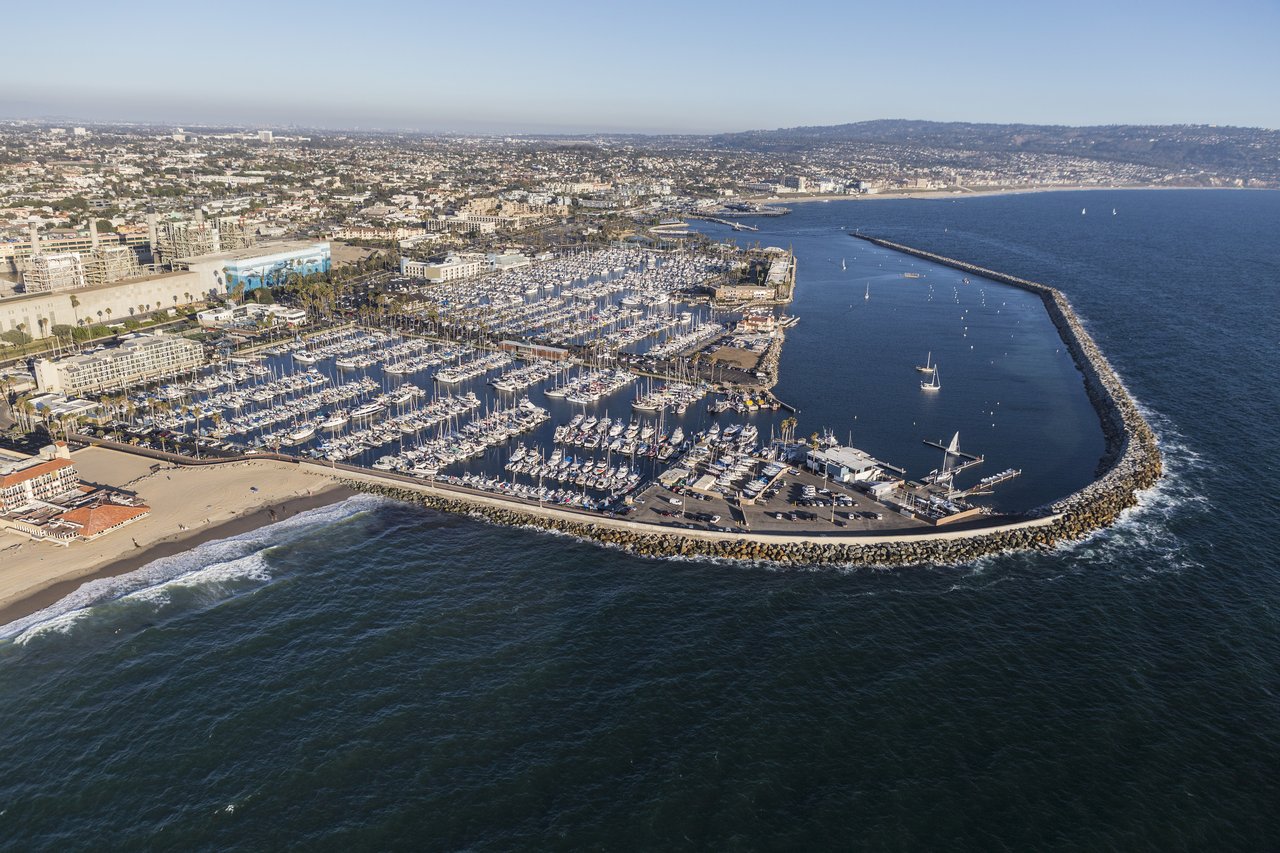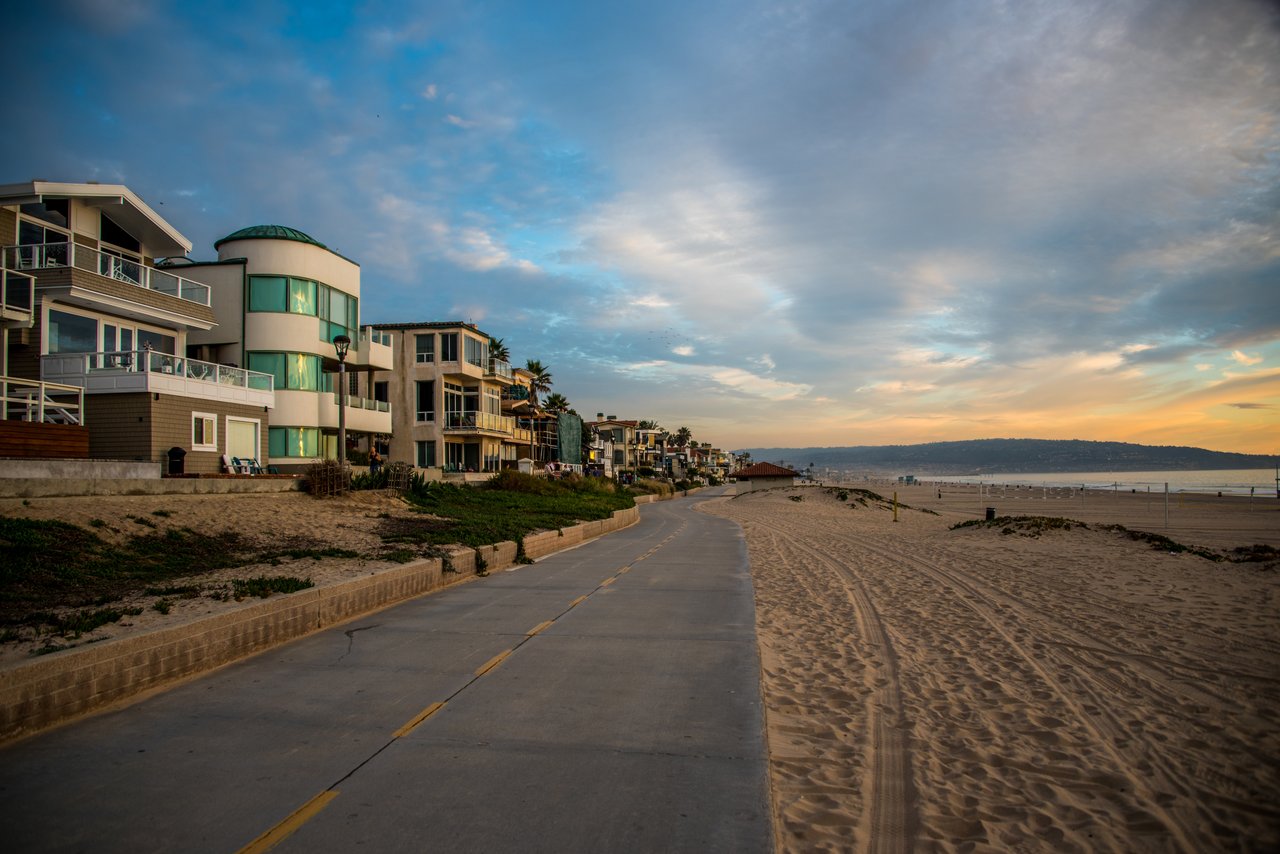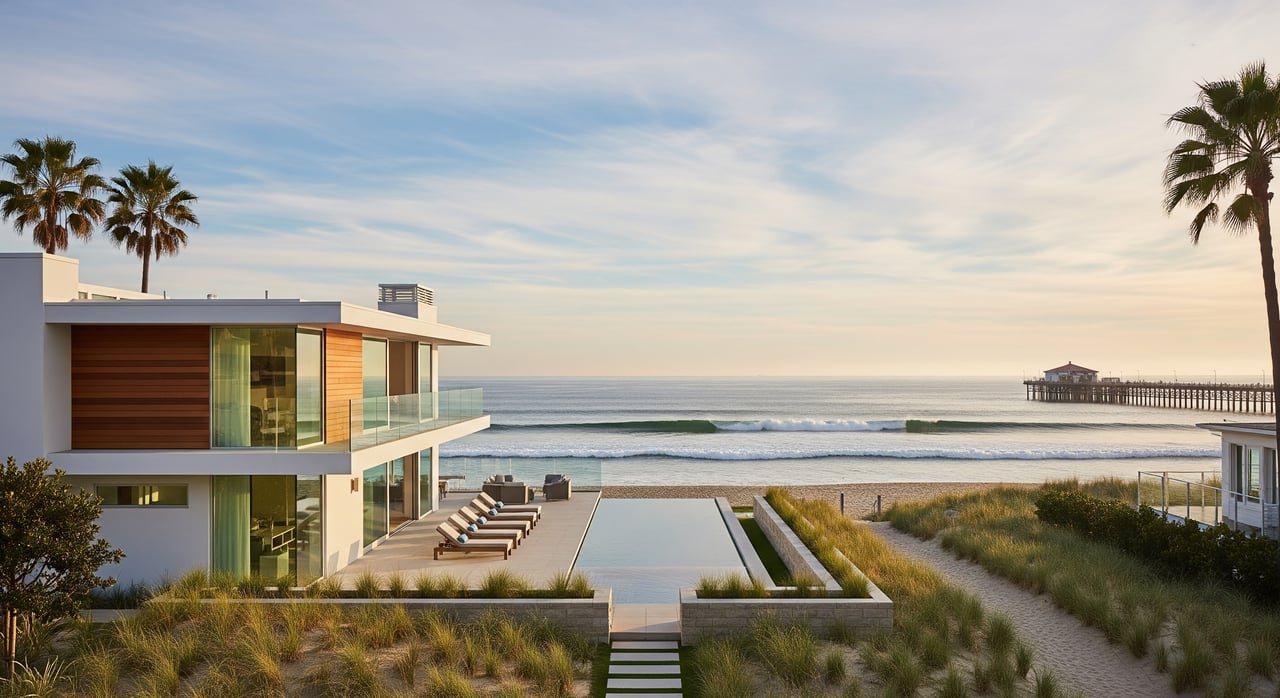
Thinking about adding a second story, building an ADU, or redoing hardscape in Manhattan Beach? If your home is in the Coastal Zone, you may need a Coastal Development Permit before you start. It can feel confusing at first, especially when your project seems small. In this guide, you’ll learn when a CDP is required, how it fits with city approvals, typical timelines, and where to verify the rules. Let’s dive in.
What a Coastal Development Permit is
A Coastal Development Permit, or CDP, is a coastal review required by the California Coastal Act for most development inside the Coastal Zone. The goal is to protect coastal resources like public access, views, and shoreline safety. You can read the basics on the California Coastal Commission’s permits page, which explains how coastal permitting works and who issues what in different areas of the coast. See the Commission’s overview under permits for more context on coastal review and appeals at the state level (Coastal Commission permits info).
Is your home in the Coastal Zone?
Not every block in Manhattan Beach is inside the Coastal Zone, and rules can vary by location. Start by contacting the City of Manhattan Beach Planning Division for mapping and guidance on local procedures (City of Manhattan Beach Planning). You can also learn how local coastal programs work and how authority is shared between cities and the Coastal Commission on the Commission’s Local Coastal Programs page (Local Coastal Programs explained).
Projects that usually need a CDP
In coastal areas, “development” is broad. In a residential setting, these project types often require a CDP:
- Additions that increase footprint or floor area, including second stories and new porches.
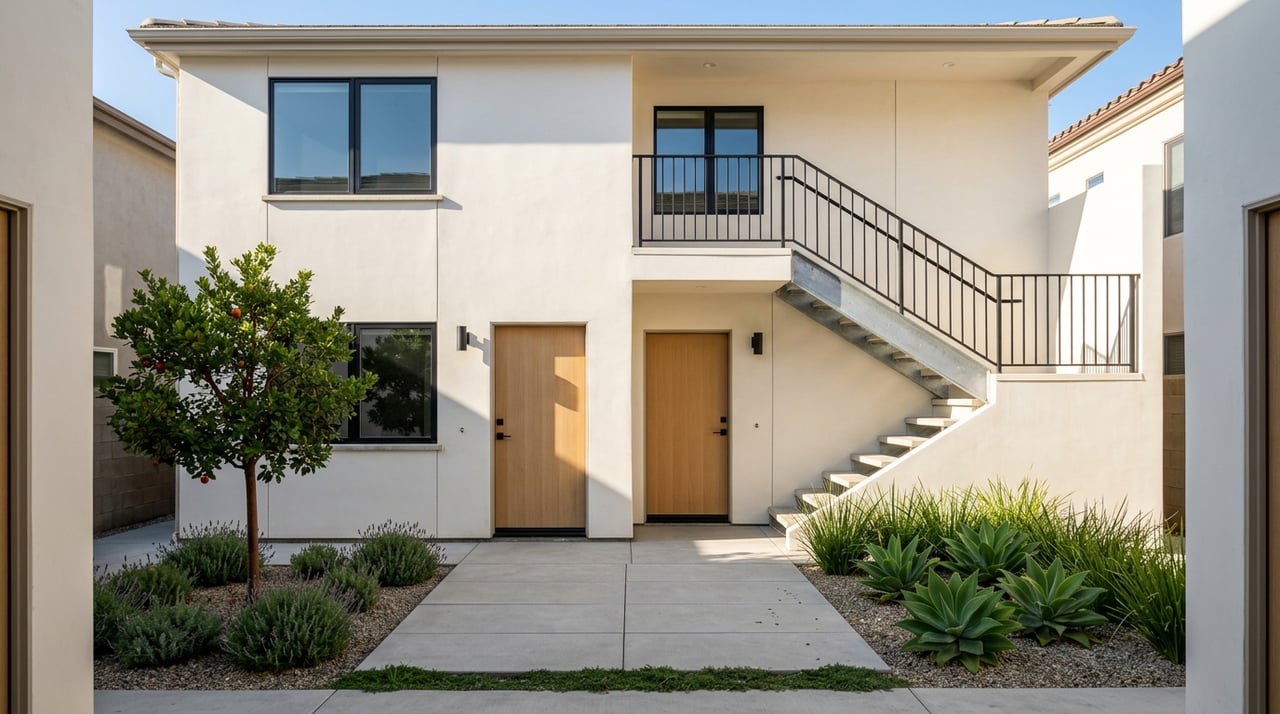
- New structures such as ADUs, garages, decks, and balconies.
- Exterior remodels that change the footprint, grading, or drainage.
- Retaining walls and major hardscape or landscaping work that could affect runoff or slope stability.
- Shoreline protection like seawalls or revetments, which face specialized review and potential state jurisdiction.
- Driveway expansions or new curb cuts that may affect public access or coastal resources.
Thresholds can be case specific. Many small changes, like a new deck or retaining wall, still qualify as development and need review. Properties close to the beach, public access points, or bluff areas receive extra scrutiny and can involve the Coastal Commission.
What may not need a CDP
Some work is often exempt from coastal permitting, but you should always confirm with the City before you proceed:
- Interior-only renovations that do not change the exterior, grading, or land use.
- Routine maintenance and minor repairs that do not alter size, character, location, or impacts.
- Cosmetic exterior work, such as paint or trim, when it does not change massing or drainage.
Exemptions are narrow and sometimes require a written determination. Do not assume your scope is exempt without checking with Planning staff.
How the CDP fits with City approvals
Most homeowners navigate the coastal review alongside standard planning and building steps. Here is the typical path in Manhattan Beach:
- Confirm Coastal Zone status and local authority. Ask the Planning Division if your property is in the Coastal Zone and whether the City or the Coastal Commission will handle your permit (City of Manhattan Beach Planning). The Coastal Commission’s LCP page explains how authority is shared in certified areas (Local Coastal Programs).
- Pre-application check. Complete a pre-application or intake meeting if offered. This helps surface required studies early.
- Prepare materials. You may need site plans, elevations, a coastal consistency analysis, geotechnical and drainage reports, and other studies, depending on location and scope.
- Staff review and environmental review. City staff review for completeness and consistency with local coastal rules and may apply CEQA where applicable.
- Noticing and hearings. Many coastal projects require public notice and may go to the Planning Commission or other local bodies.
- Local decision and possible state appeal. If the City has authority, it can issue the CDP. Some approvals can be appealed to the California Coastal Commission within a set window, depending on the project and location. The Commission’s permits page outlines appeal basics (Coastal Commission permits info).
- Building permits. Do not start grading or construction until you have the CDP or exemption and all required building permits.
For underlying zoning and procedures, you can consult the City’s municipal code for coastal overlay and related provisions (Manhattan Beach Code of Ordinances).
Timelines you can expect
Timeframes vary by scope and location:
- Small projects or exemptions: several weeks to a few months.
- Additions and projects with public hearings: several months.
- Shoreline work or appealed decisions: many months to a year or more.
Your timeline also depends on required technical reports, public noticing, and whether an appeal is filed.
Exemptions and emergency work
There are limited exemptions for routine maintenance and some emergency actions to protect health and safety. If you need emergency work, agencies often require documentation and follow-up permits for permanent repairs. The City can advise on what qualifies as emergency work and what needs a standard coastal permit.
Special cases to know
- Shoreline protection. Seawalls and revetments are highly regulated and may fall under state retained jurisdiction. Expect coastal engineering and geotechnical studies and a close look at alternatives.
- ADUs and accessory structures. State ADU law still works within the Coastal Zone. In many cases, an ADU will need coastal review for consistency with the local coastal rules. Plan for this in your timeline and budget.
A practical homeowner checklist
Use this quick list before you hire contractors or submit plans:
- Confirm if your property is in the Coastal Zone with the City’s Planning Division (City of Manhattan Beach Planning).
- Ask if your exact scope, such as a 200 square foot addition, new deck, or retaining wall, needs a CDP or could qualify for an exemption.
- Request a pre-application meeting to identify required studies early.
- Clarify technical reports up front, such as geotechnical, drainage, or biological surveys if needed.
- Include a coastal consistency analysis in consultant scopes.
- Budget time for public notice, hearings, and potential appeal windows.
- Do not begin grading or construction until your CDP or exemption and all building permits are issued.
- If near the beach or a bluff, expect stricter review and possible state involvement.
How a local advisor helps
If you are buying, selling, or updating a home in Manhattan Beach, you want a plan that aligns your project scope with the coastal process. A calm, organized approach can keep your timeline realistic and reduce surprises during due diligence or escrow. You can stay focused on your move while your design team and the City work through the right steps for coastal compliance.
If you are weighing a project or a move in the Coastal Zone, connect for local context and a practical next step. Reach out to Dennis Hartley for a conversation about your goals in Manhattan Beach.
FAQs
Do interior-only remodels in Manhattan Beach need a CDP?
- Usually no if the work is strictly interior with no exterior changes, grading, or change of use. Always confirm with the City’s Planning Division to be sure.
How do I check if my Manhattan Beach lot is in the Coastal Zone?
- Contact the City’s Planning Division for maps and guidance (City of Manhattan Beach Planning), and review how coastal authority works through the Commission’s LCP overview (Local Coastal Programs).
Will a Manhattan Beach ADU require coastal review?
- In the Coastal Zone, ADUs often require review for consistency with the local coastal rules. Plan for a CDP unless the City confirms an exemption.
Who issues coastal permits in Manhattan Beach, the City or the Coastal Commission?
- In areas with certified local authority, the City typically issues the CDP, with some projects subject to appeal. The Coastal Commission may retain authority in specific areas or for certain project types (Coastal Commission permits info).
How long does a typical CDP take in Manhattan Beach?
- Small or exempt projects can be a few weeks to a few months. Larger additions, shoreline work, or appealed decisions can take several months to a year or more.
Can I appeal a local CDP decision?
- Some City approvals are appealable to the California Coastal Commission within a limited window. Appeal details are outlined on the Commission’s permits page (Coastal Commission permits info).
Where can I read the local rules for coastal development?
- Start with the City’s municipal code for zoning and coastal overlay rules and procedures (Manhattan Beach Code of Ordinances), and use the Commission’s site for coastal permitting basics (Coastal Commission home).