Thinking about living near SpaceX in Hawthorne? The commute savings are real, but so are the everyday trade-offs around lot size, noise, and traffic. If you work in the South Bay aerospace corridor, you might be weighing convenience against comfort at home. This guide gives you a clear, practical look at what to expect in Bodger Park and nearby pockets, so you can decide with confidence. Let’s dive in.
Why live near SpaceX
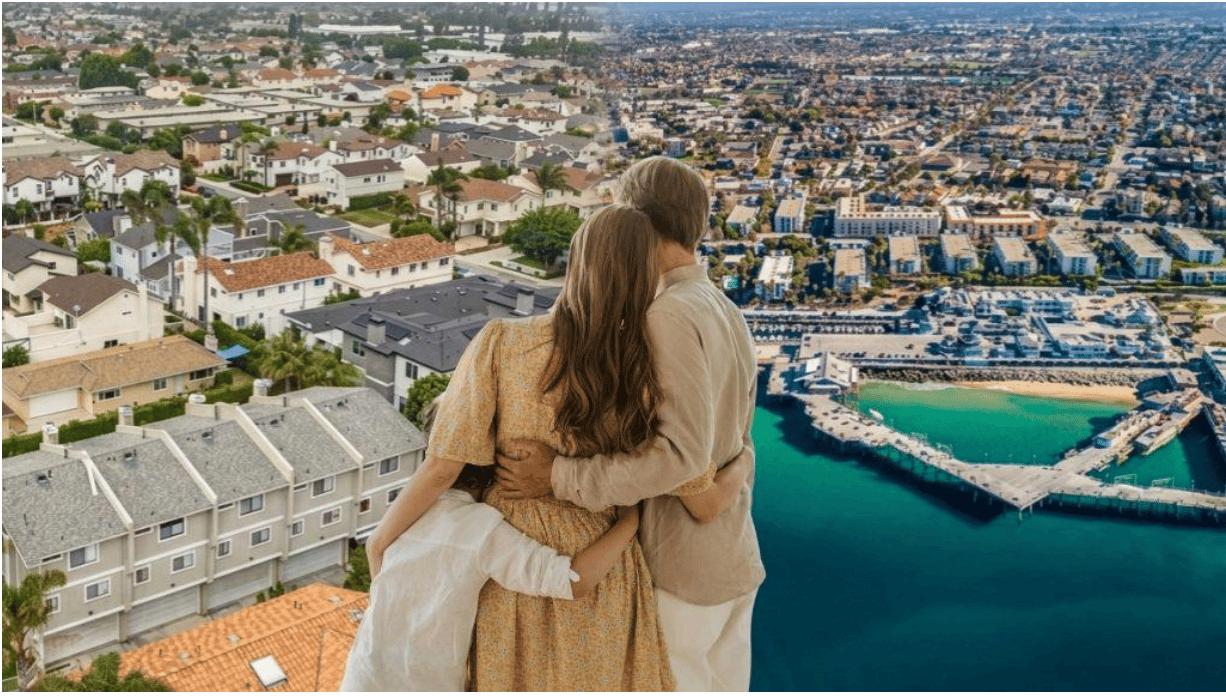
You get quick access to major employers in Hawthorne, El Segundo, and Torrance, plus short drives to LAX and the beach communities. Hawthorne sits between the I-405 and I-105, which puts regional job centers within reach. Typical short trips include El Segundo in about 5–15 minutes and LAX in roughly 10–20 minutes depending on traffic and exact location. Proximity is the draw, especially for shift-based work.
Neighborhood snapshot: Bodger Park
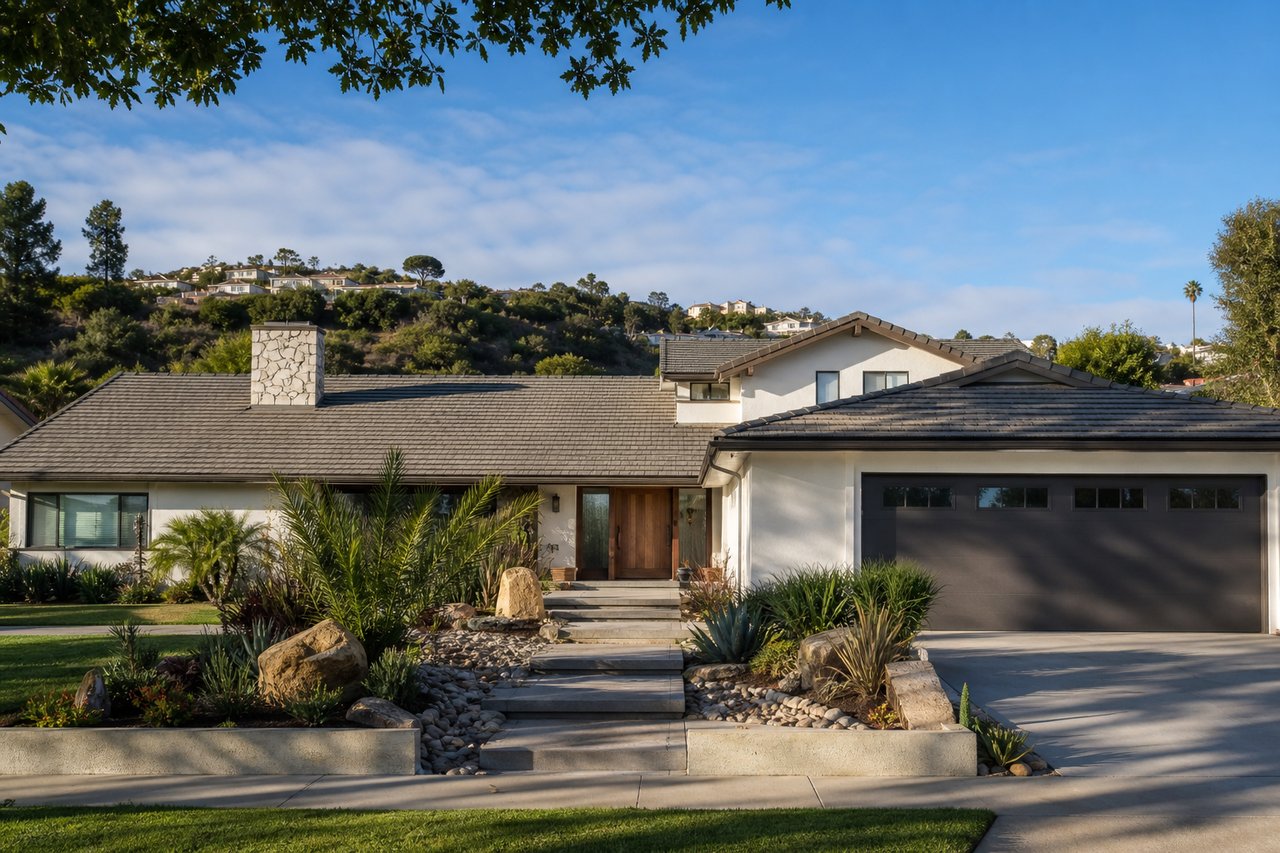
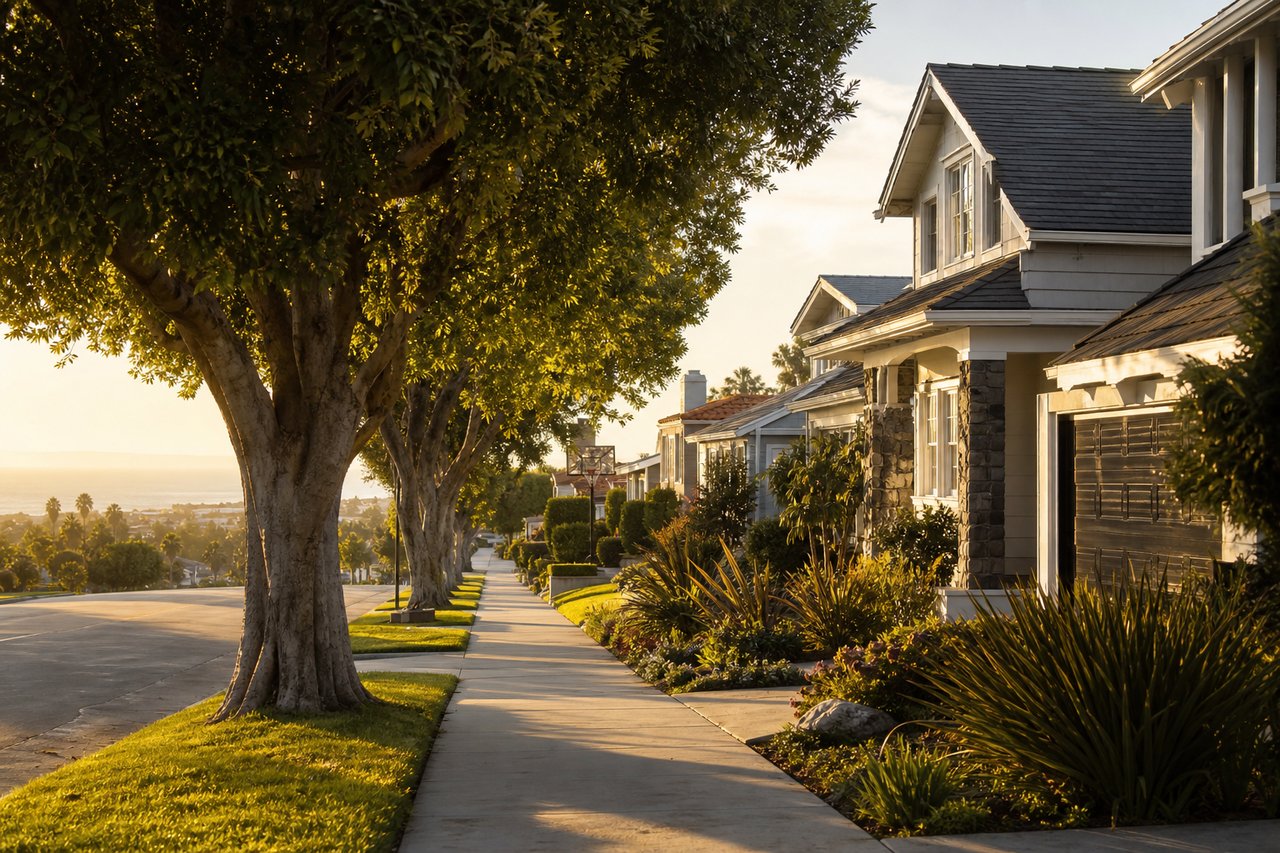
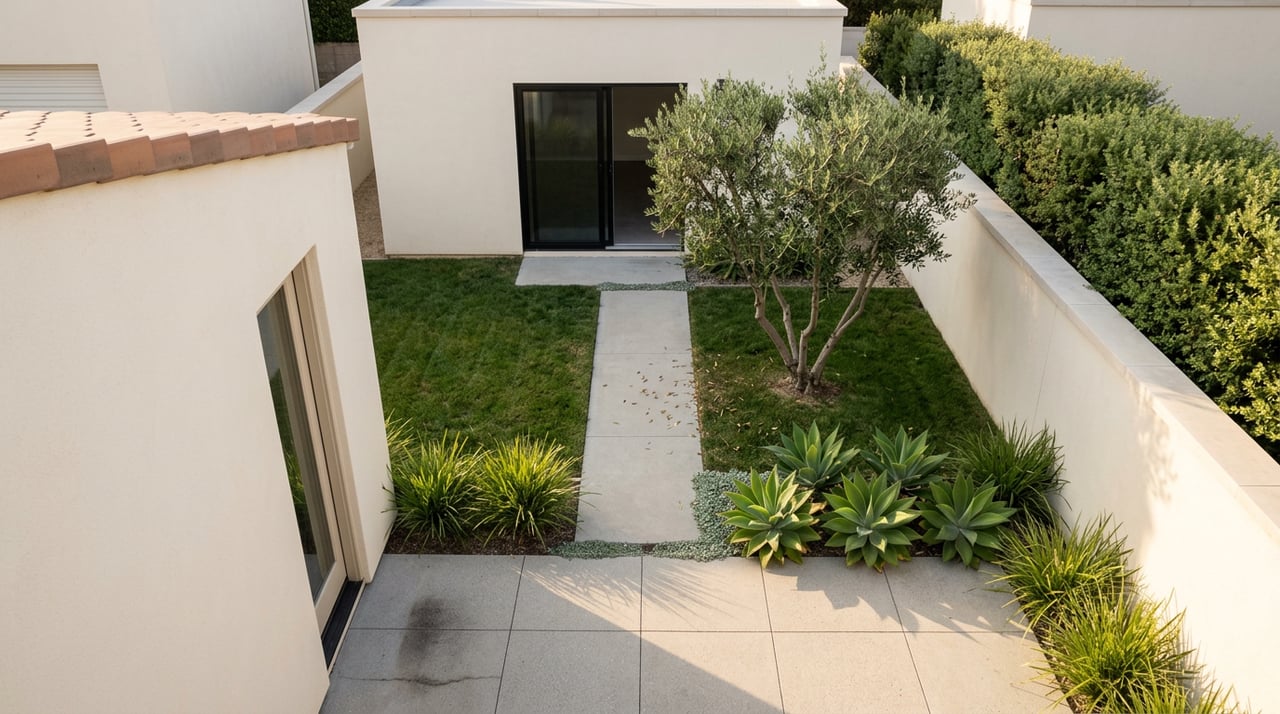
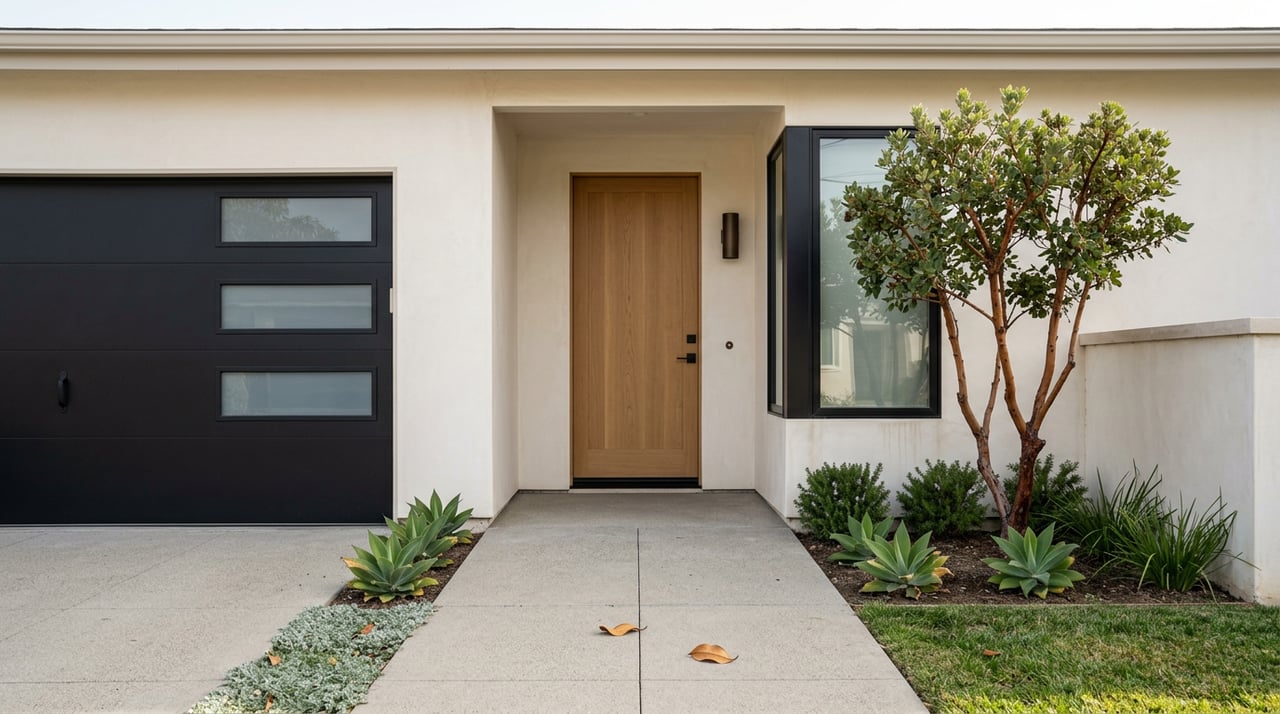
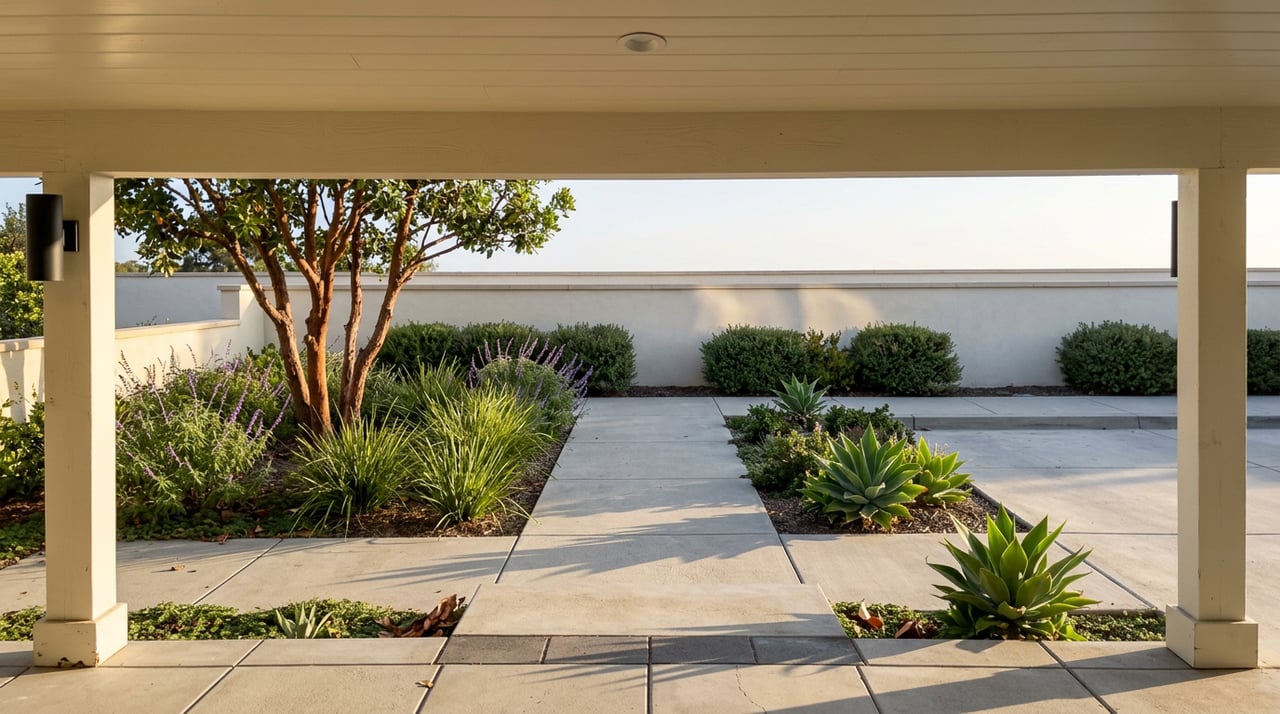
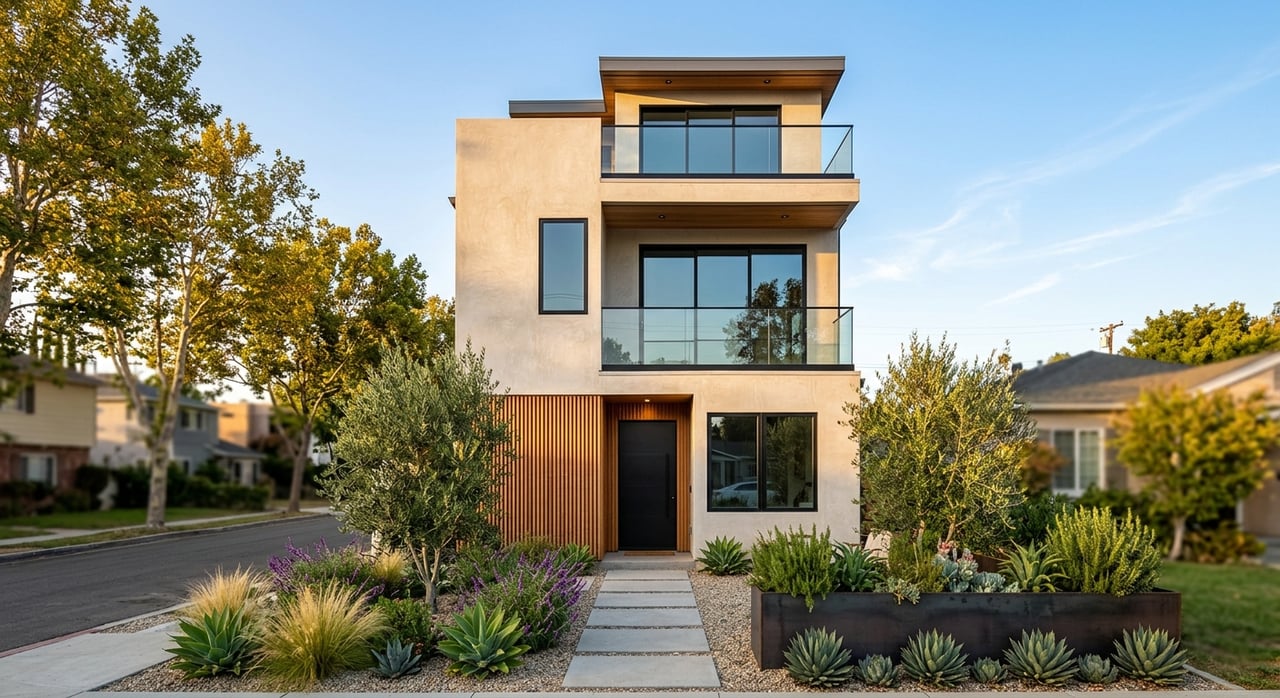
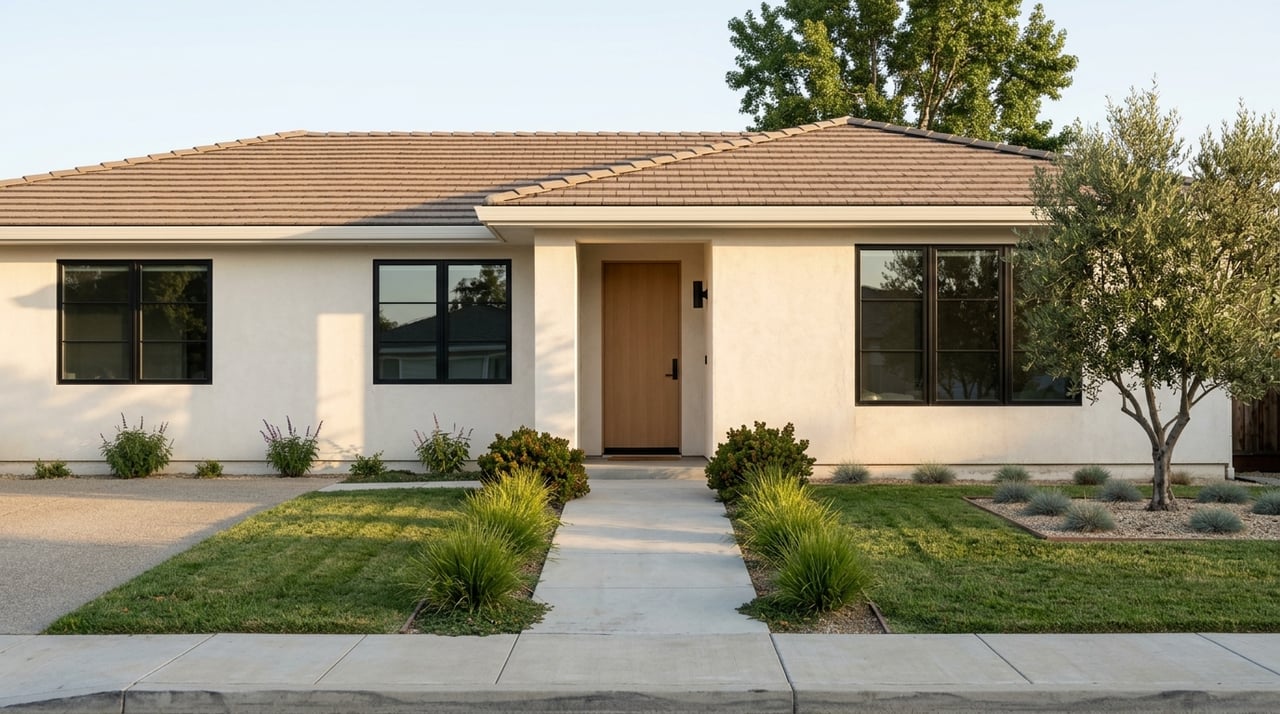
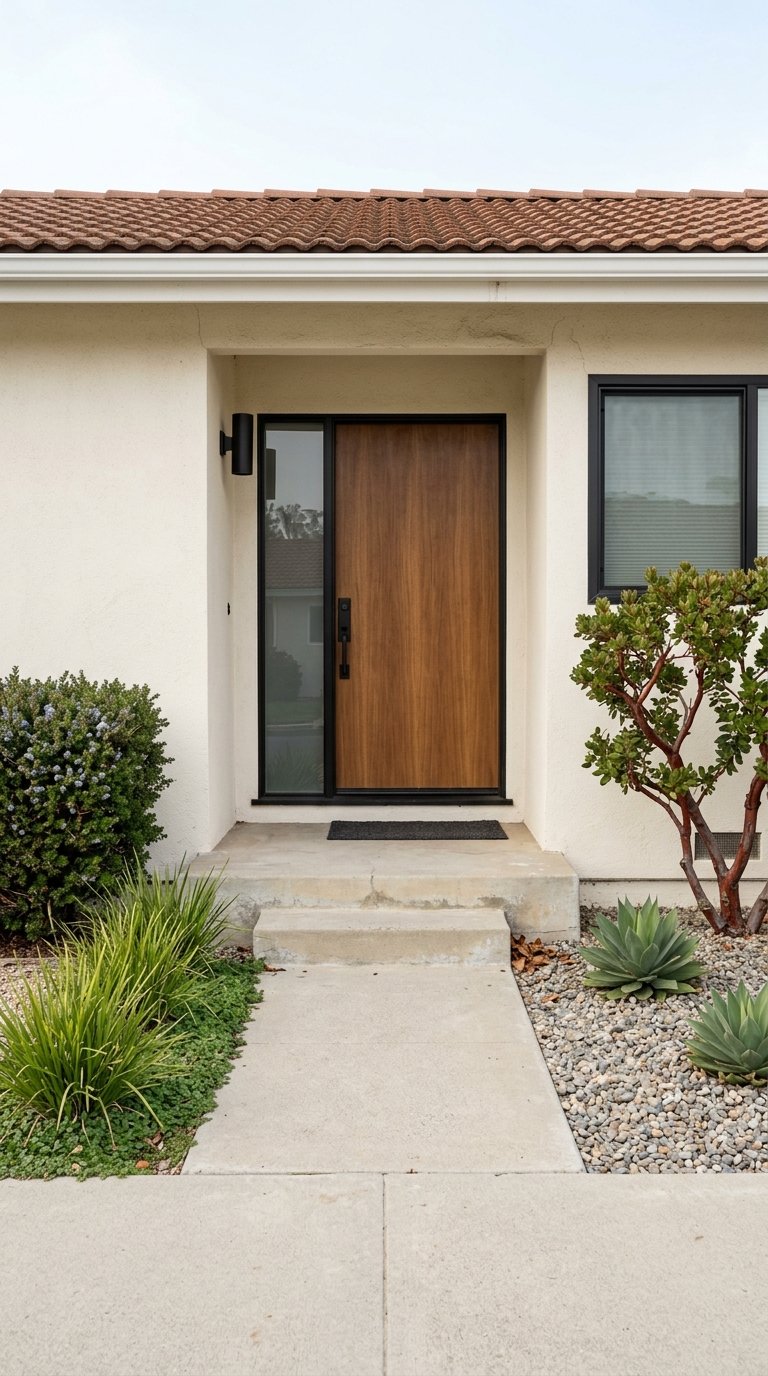
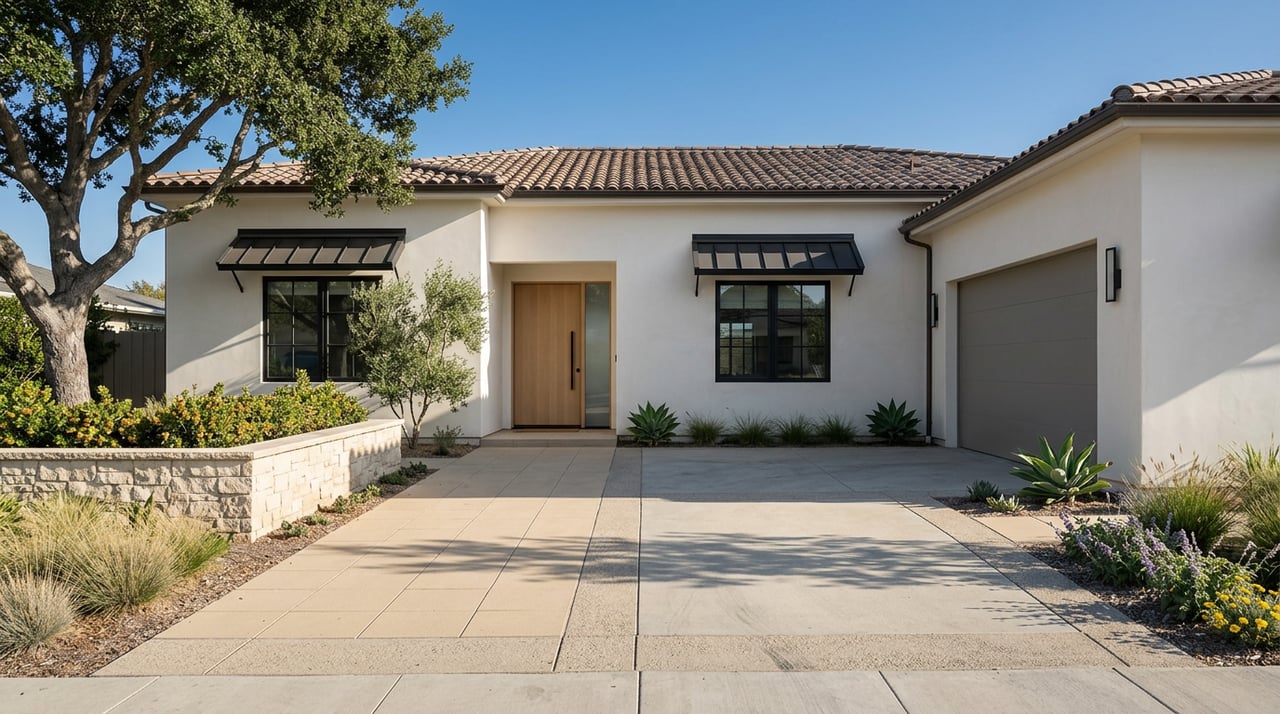
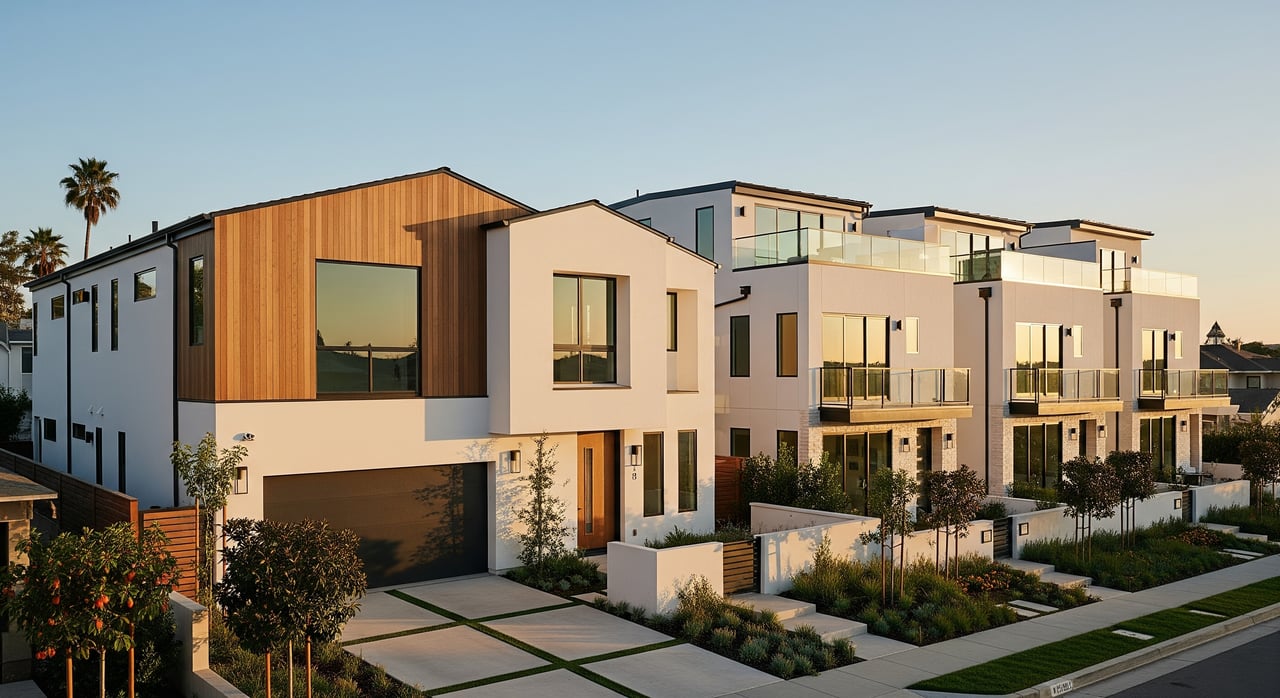
Bodger Park and nearby single-family pockets offer a residential feel close to the aerospace and industrial corridors. Homes often date to the mid-20th century, with a mix of updated properties and places that still need work. Yards are modest by suburban standards, but the area trades size for access to jobs and services.
Housing types and lot sizes
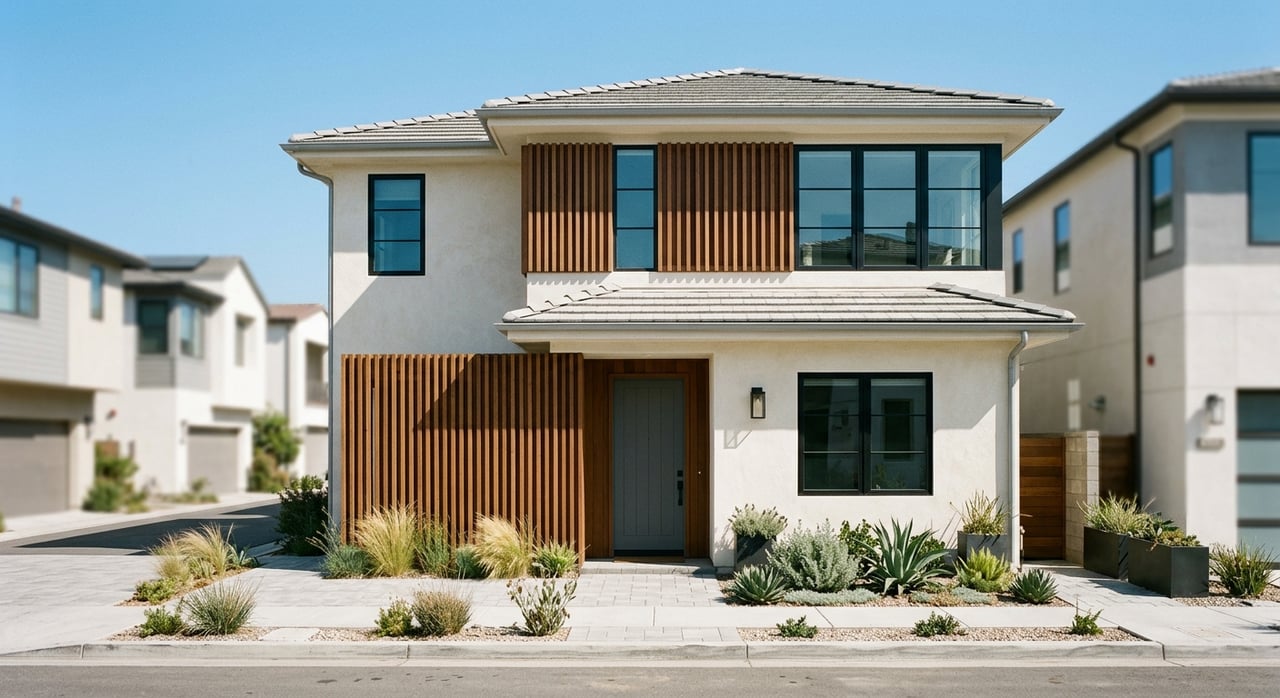
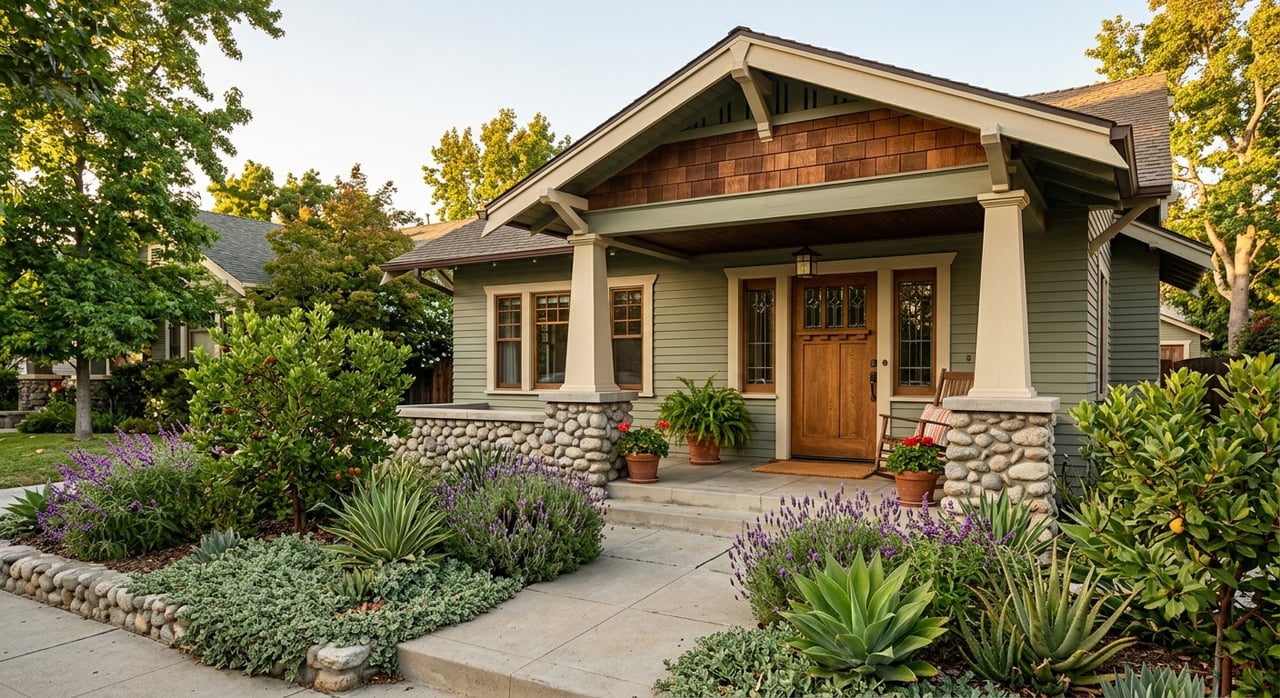
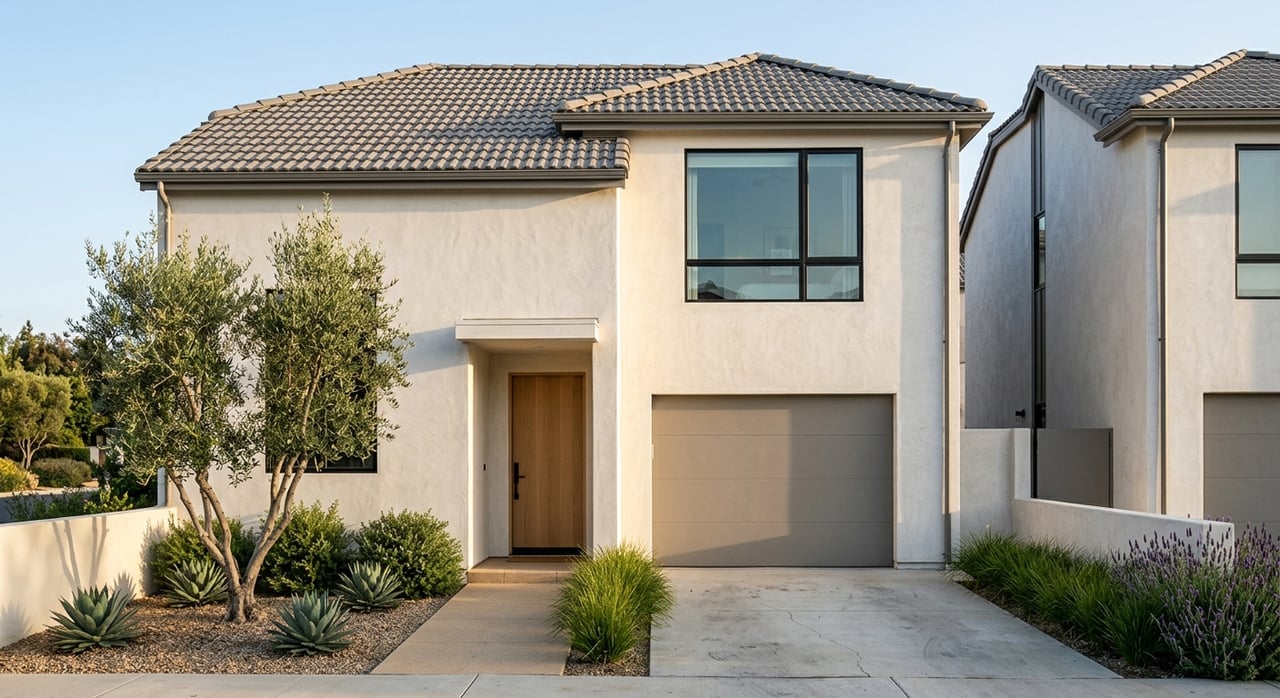
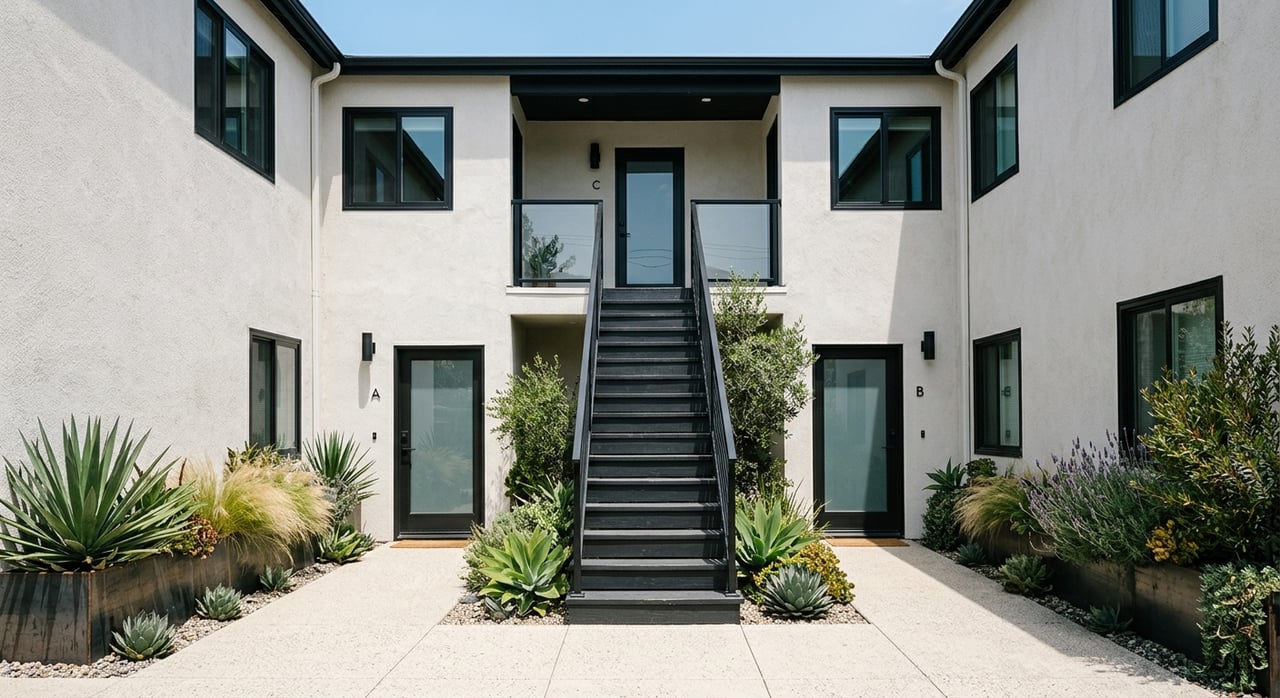
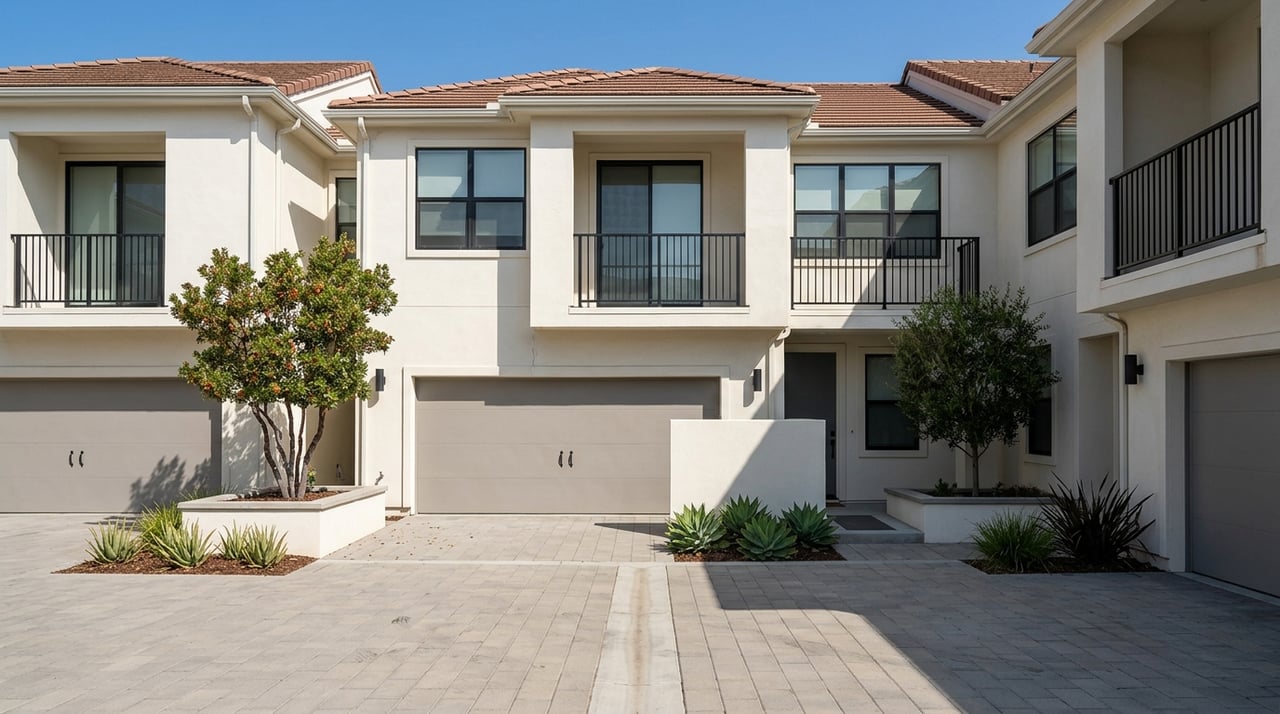
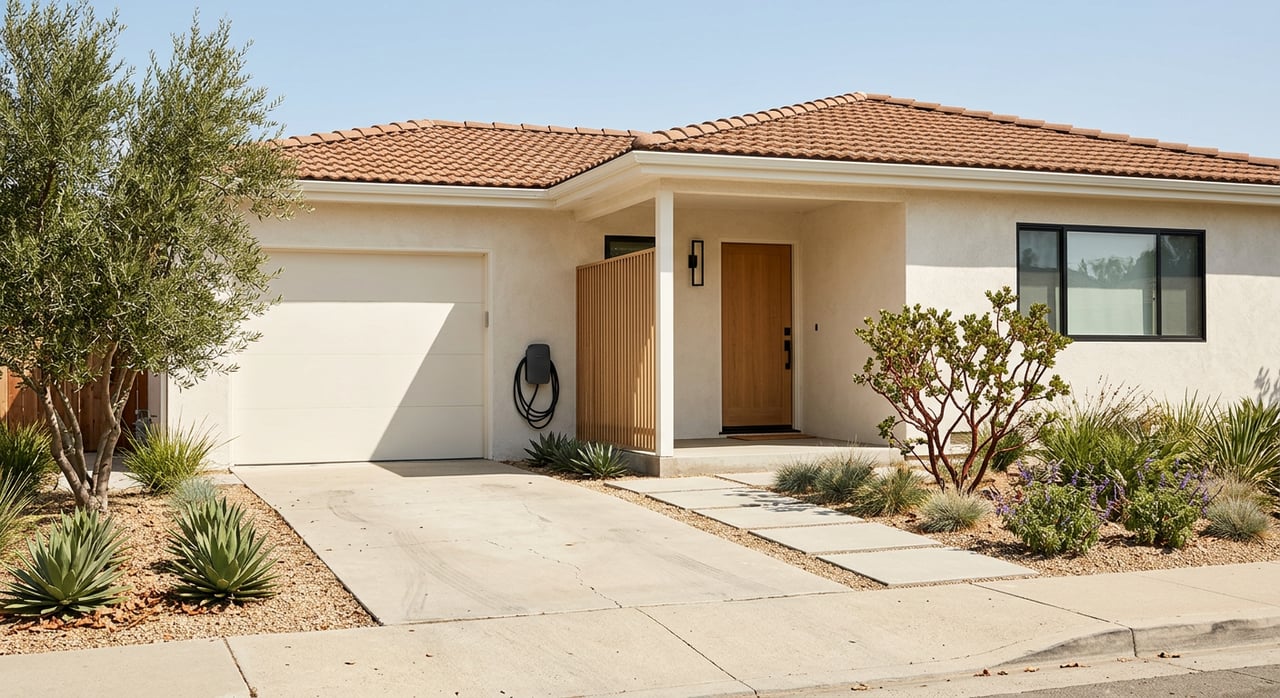
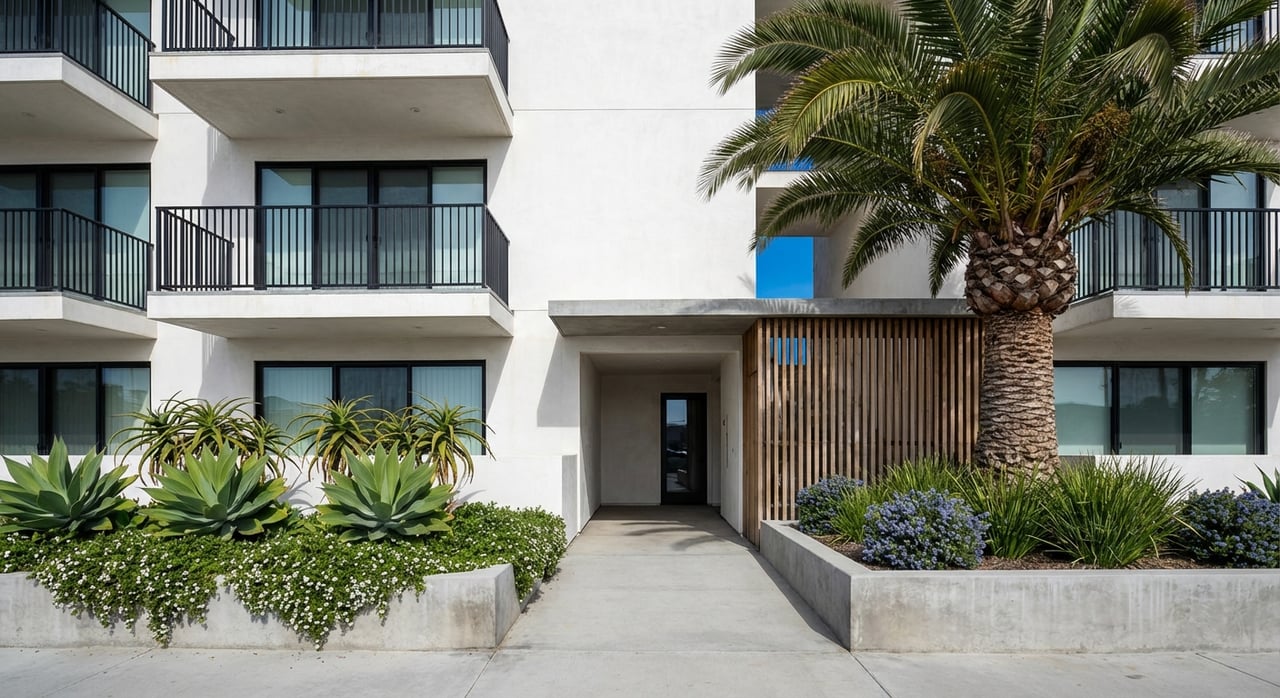
You will see older bungalows, mid-century ranches, and some newer infill single-family homes. Multifamily options, including duplexes and apartments, are more common along major streets and transit corridors. Many single-family lots run roughly 3,000–7,000 square feet. If you want a 1/4-acre yard or larger, expect to look outside central Hawthorne.
Typical condition and upgrades
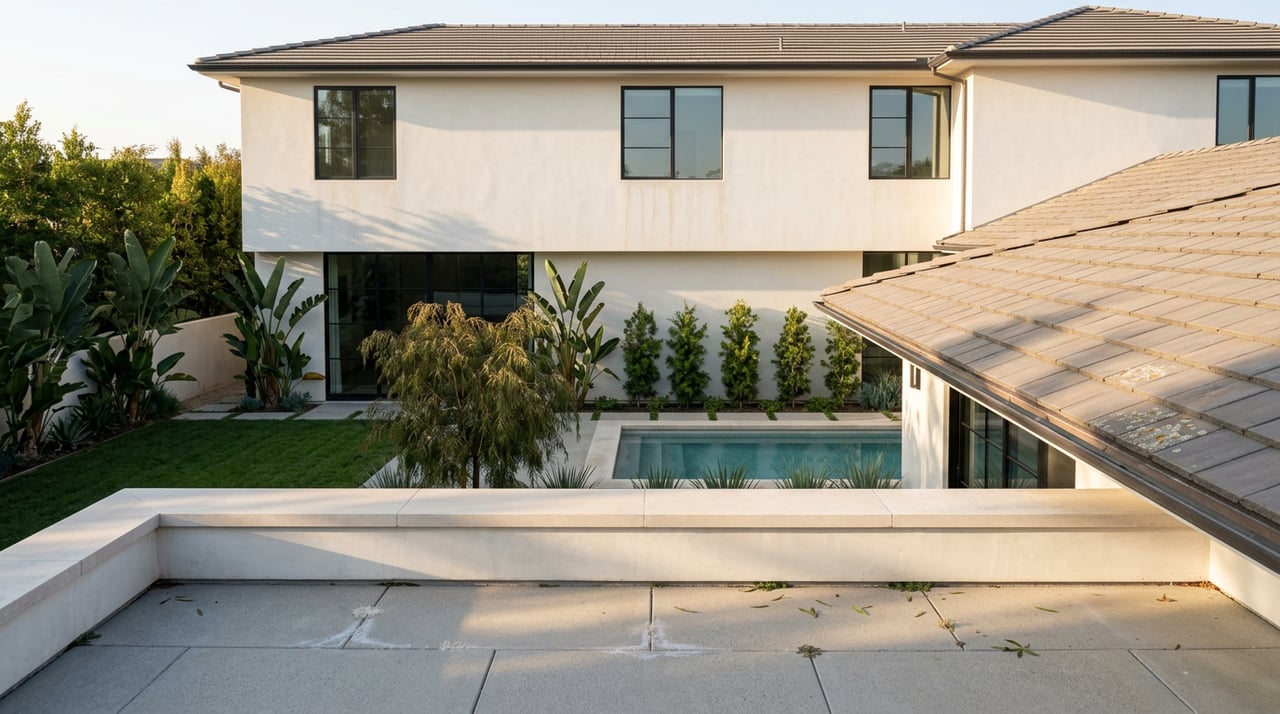
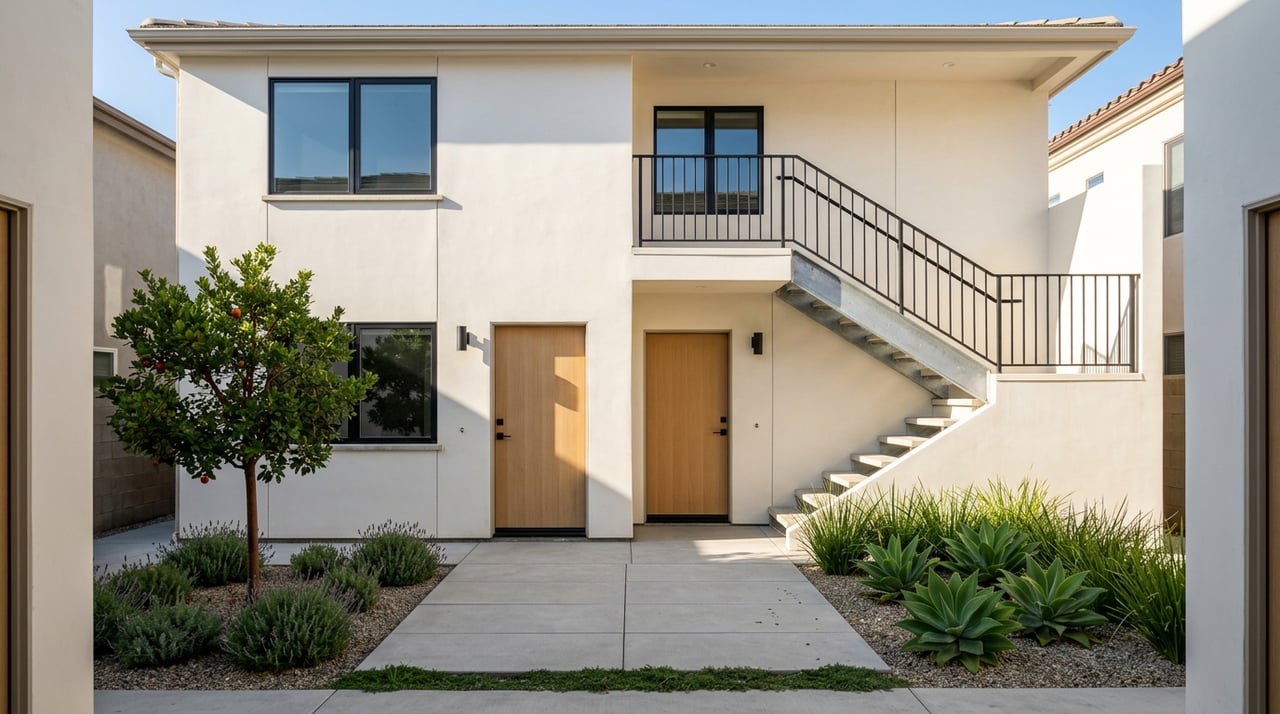
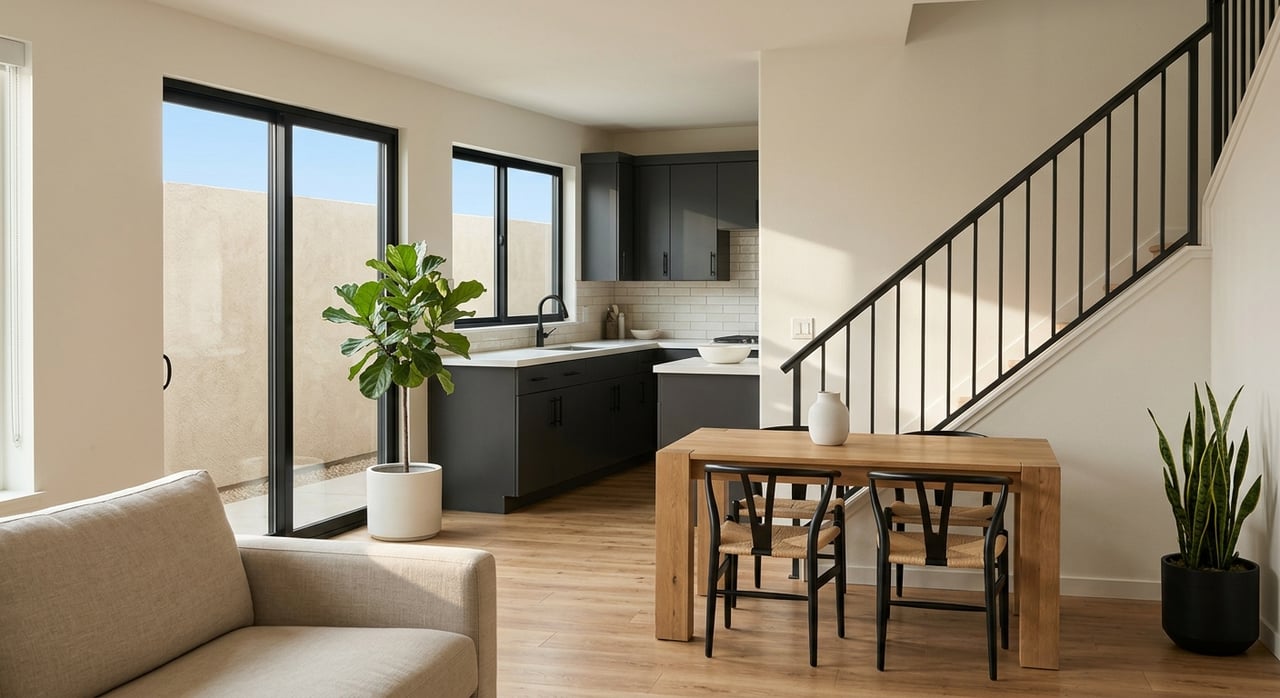
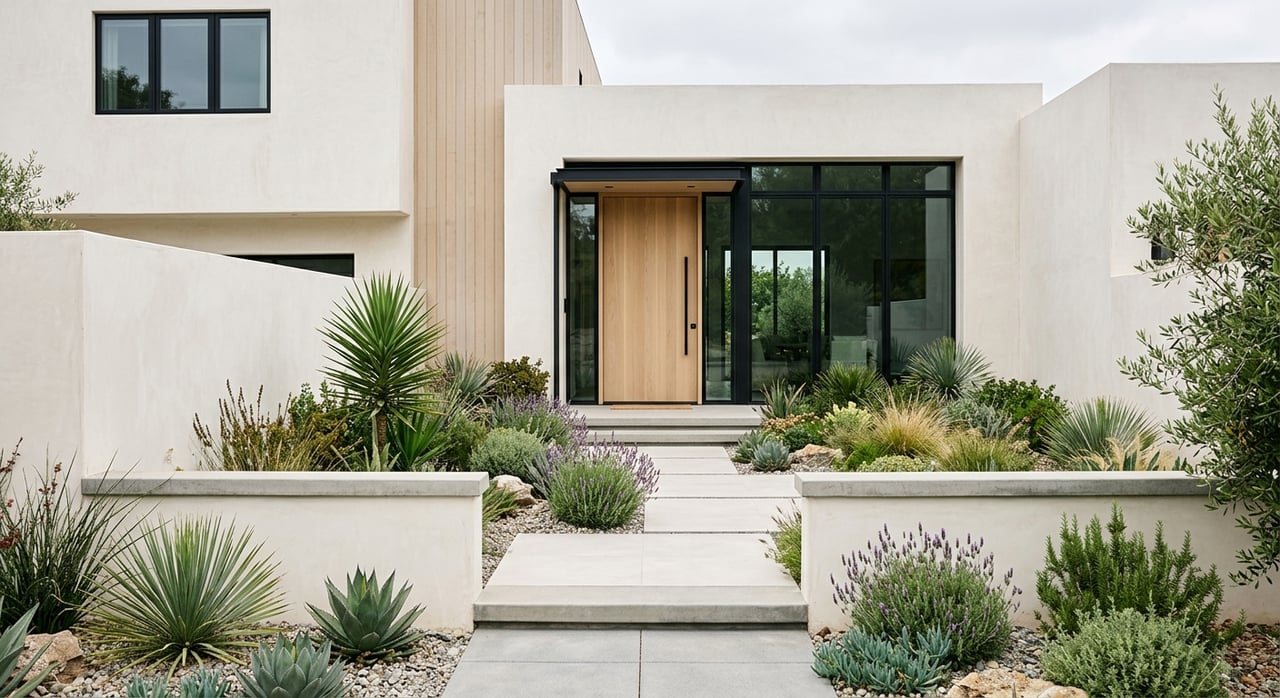
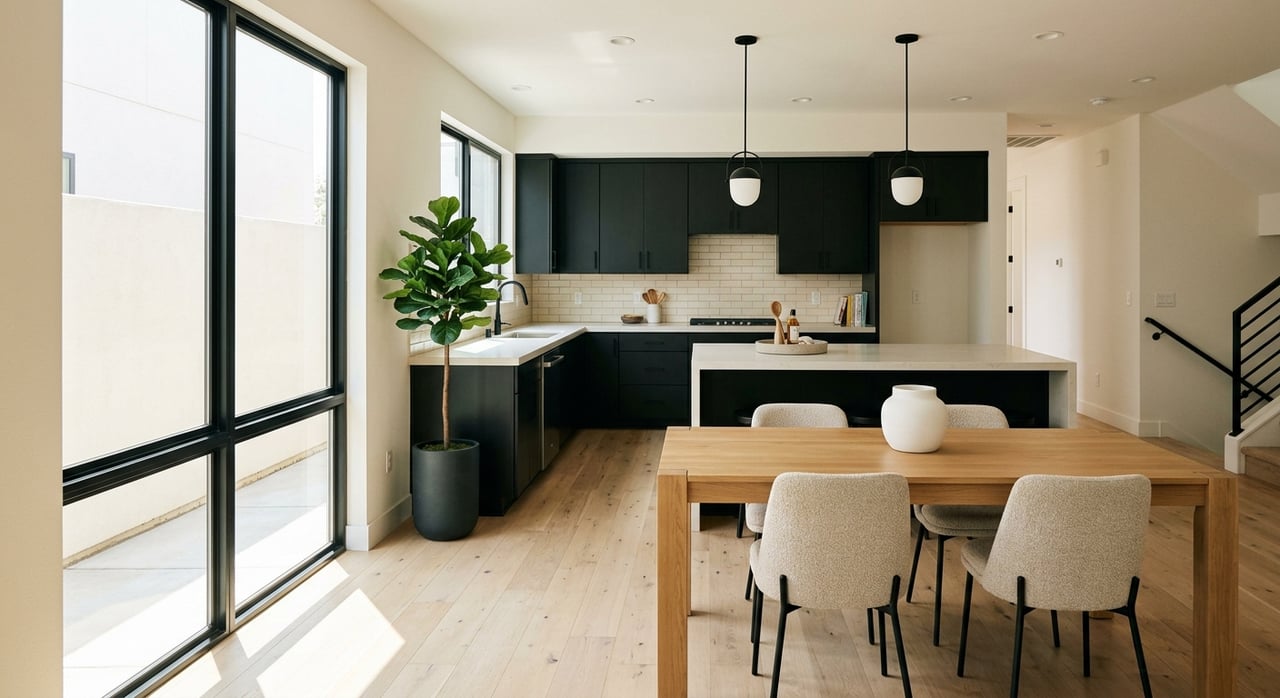
Because many homes are mid-century, plan for common updates like kitchens, bathrooms, roofing, windows, and possible seismic retrofits. Some properties are fully remodeled; others may need phased improvements. If you are considering an ADU, state rules are more permissive, but site specifics like setbacks, utilities, and lot layout will govern what is feasible.
Ownership costs and insurance
Property taxes in California start around 1% of assessed value under Prop 13, with total effective rates often 1.1–1.5% after local assessments. HOAs are typical for condos and townhomes, but most single-family neighborhoods do not have them. Standard homeowner policies do not include earthquake coverage; separate earthquake insurance is available and worth evaluating. Flood risk is limited in much of Hawthorne, but always confirm parcel-level FEMA maps if a property sits near low-lying areas.
Commute and transport
Freeways and local routes
I-105 and I-405 are the main arteries serving Hawthorne. Surface streets like Hawthorne Boulevard and Crenshaw handle local trips and can become busy around shift changes. Peak-hour congestion can add meaningful time to your commute, so test multiple routes.
Transit options
LA Metro light rail lines and buses serve the broader South Bay, with some C Line and K Line stations within a few miles of many Hawthorne neighborhoods. Door-to-door transit times vary by address, transfers, and walking distances, so check specific routes if you plan to rely on transit.
Bike and micromobility
Terrain is mostly flat to rolling in parts of Hawthorne, which makes short bike commutes feasible for some residents. Dedicated bike lanes exist on select arterials, though protected networks are limited. If you plan to bike to work, ride the route at your typical commute time to assess comfort and safety.
Parking realities
Older homes often have single-car garages and narrow driveways. On-street parking can be tight on certain blocks, especially near busier corridors. If you have multiple vehicles or frequent visitors, confirm on-street rules and availability.
Everyday living and amenities
Groceries, dining, and retail
Daily shopping is available along Hawthorne Boulevard and near the El Segundo border, with larger retail and entertainment options in nearby South Bay cities. You will find a mix of neighborhood services within a short drive of most residential pockets.
Parks and recreation
Hawthorne maintains parks and community facilities across the city. If access to a specific park or program matters, review the city’s parks map and visit during the times you would normally use it.
Schools overview
Public school assignments vary by exact address and may span different districts for elementary and high school. Quality and programs differ by site and change over time. Verify current boundaries, enrollment, and any specialized programs directly with the districts and official reporting sources.
Healthcare access
Primary care and urgent care options are available in the city, with major hospitals a short drive away in neighboring South Bay communities.
Noise, air quality, and industrial adjacency
Hawthorne Municipal Airport is an active general aviation field near industrial areas and SpaceX operations. Homes closest to these zones can experience intermittent aircraft and facility noise, along with truck traffic. South Bay air quality is generally moderate, but freeway and industrial emissions, plus seasonal wildfire smoke, can affect conditions at times. For any property, review disclosures and consider environmental resources for parcel-level checks.
Core trade-offs to weigh
- Commute vs price and space: Closer-in homes can cut your drive but may come with higher prices and smaller lots.
- Yard vs upkeep: Larger, older homes can mean more maintenance; newer infill often offers modern systems on smaller lots.
- Quiet vs convenience: Walkable proximity to employer or airport boosts convenience while increasing exposure to daytime activity and noise.
- Transit access vs residential feel: Areas near bus or rail nodes may be denser and more mixed-use, while quieter single-family pockets often sit farther from stops.
Which buyer profile fits you
Aerospace or tech worker
If you want the shortest commute, prioritize proximity to SpaceX and El Segundo. Consider townhomes or smaller-lot homes and confirm last-mile travel times and parking before you commit.
Family seeking yard and parks
Look at interior single-family blocks like Bodger Park-style areas. Confirm park access, school assignments, and on-street parking. Expect a slightly longer drive compared with homes closer to major corridors.
Investor or ADU-minded buyer
Focus on parcels that support duplex/ADU potential and confirm zoning, setbacks, utilities, and permit history. Weigh tenant demand from the aerospace corridor against any industrial adjacency considerations.
First-time buyer on a budget
Explore condos, townhomes, or smaller single-family homes a bit farther from the busiest streets. Balance purchase price savings with your commute needs.
On-site visit checklist
- Visit at multiple times: rush hour, midday, weekend morning, and evening.
- Drive your commute and an alternate route; time both during peak hours.
- Do a noise audit: listen for aircraft, trucks, and facility operations; test with windows closed.
- Measure usable yard space, privacy, and sun exposure.
- Verify school boundaries and recent enrollment information for the exact address.
- Confirm internet providers and speeds if you work from home.
- Review disclosures for industrial activity, nuisances, or environmental concerns; request any available studies.
- Ask for parcel tax history and any special assessments.
- Verify permits for remodels or ADUs; look for unpermitted work.
Offer strategy and resale
Inspection and due diligence should reflect the trade-offs you observed. If noise or proximity to industrial activity is a concern, address it in inspections and negotiations. Budget for likely mid-century upgrades such as roofing, windows, and system updates. For resale, proximity to major employers can support demand, but cycles can shift with local employment trends. Access to multiple job centers and transit can broaden your buyer pool in the future.
How a local advisor can help
A calm, experienced guide can help you weigh commute savings against home condition, yard size, and long-term resale. With deep South Bay knowledge and a boutique, hands-on approach, you can expect clear communication and practical next steps from first tour through closing. If you are considering Bodger Park or nearby pockets, partner with someone who understands the block-by-block details and the realities of living near the aerospace corridor.
Ready to compare your options and plan a smart move? Connect with Dennis Hartley for thoughtful buyer representation, relocation guidance, and a clear path to the right home.
FAQs
What are the pros and cons of living near SpaceX in Hawthorne?
- You gain a short commute and access to regional job centers, while trading for smaller lots, potential airport/industrial noise, and busier nearby corridors.
How large are typical lots in Bodger Park and nearby pockets?
- Many single-family lots are roughly 3,000–7,000 square feet, with larger parcels less common inside central Hawthorne.
What commute times should I expect to El Segundo and LAX?
- El Segundo can be about 5–15 minutes and LAX roughly 10–20 minutes, depending on your exact address, route, and time of day.
How noticeable is airport or industrial noise near SpaceX?
- Noise varies by block; homes closest to Hawthorne Municipal Airport and industrial areas can experience intermittent aircraft, truck, and facility sounds.
Are ADUs practical on typical Hawthorne lots?
- State rules are more permissive for ADUs, but feasibility depends on lot size, setbacks, utilities, and site layout, so verify for each property.
How do property taxes and insurance generally work in Hawthorne?
- Property taxes start around 1% of assessed value plus local assessments, and earthquake coverage is a separate policy to evaluate for your risk tolerance.