Trying to choose between the Sand, Tree, Hill, or East of Sepulveda in Manhattan Beach? You’re not alone. Each pocket offers a distinct feel, housing style, and set of tradeoffs that shape daily life and long-term value. In this guide, you’ll learn how the main neighborhoods compare so you can focus your search with confidence and avoid costly surprises. Let’s dive in.
Manhattan Beach at a glance
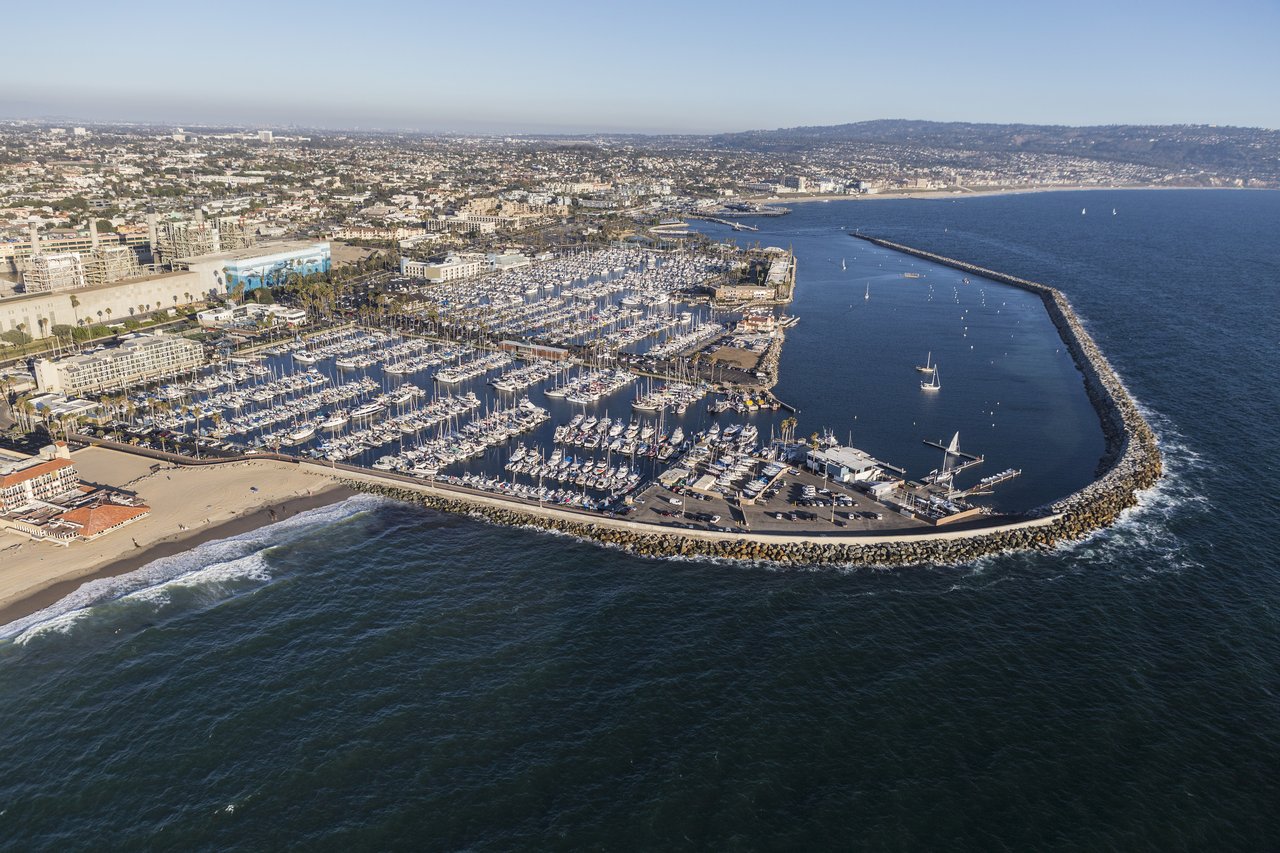
Manhattan Beach is compact at roughly 3.9 square miles, yet the lifestyle shifts from block to block. Neighborhood names are local terms rather than separate cities, and boundaries can blur, so focus on the feel of each section and the specific street you choose. Your daily routine, parking needs, and renovation plans should guide your decision as much as the home itself.
Quick neighborhood snapshot
- Sand Section: Closest to the beach and downtown, highest walkability, small lots, premium prices, and tight parking.
- Tree Section: Quiet, residential streets with more yard space and a classic neighborhood vibe.
- Hill Section: Elevated homes with views, larger custom builds, and a prestige feel.
- East of Sepulveda: Inland value play with larger lots, easier parking, and strong access to major corridors.
Sand Section
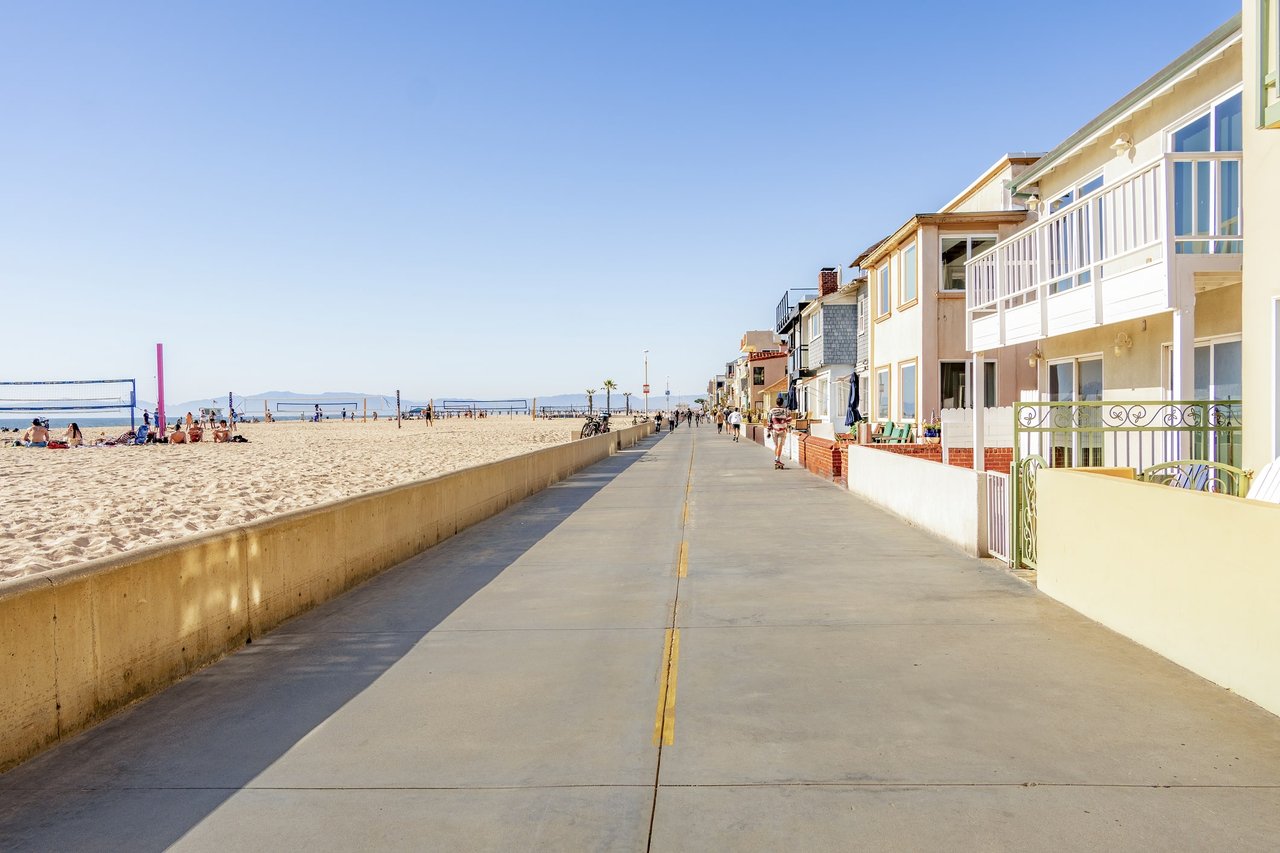
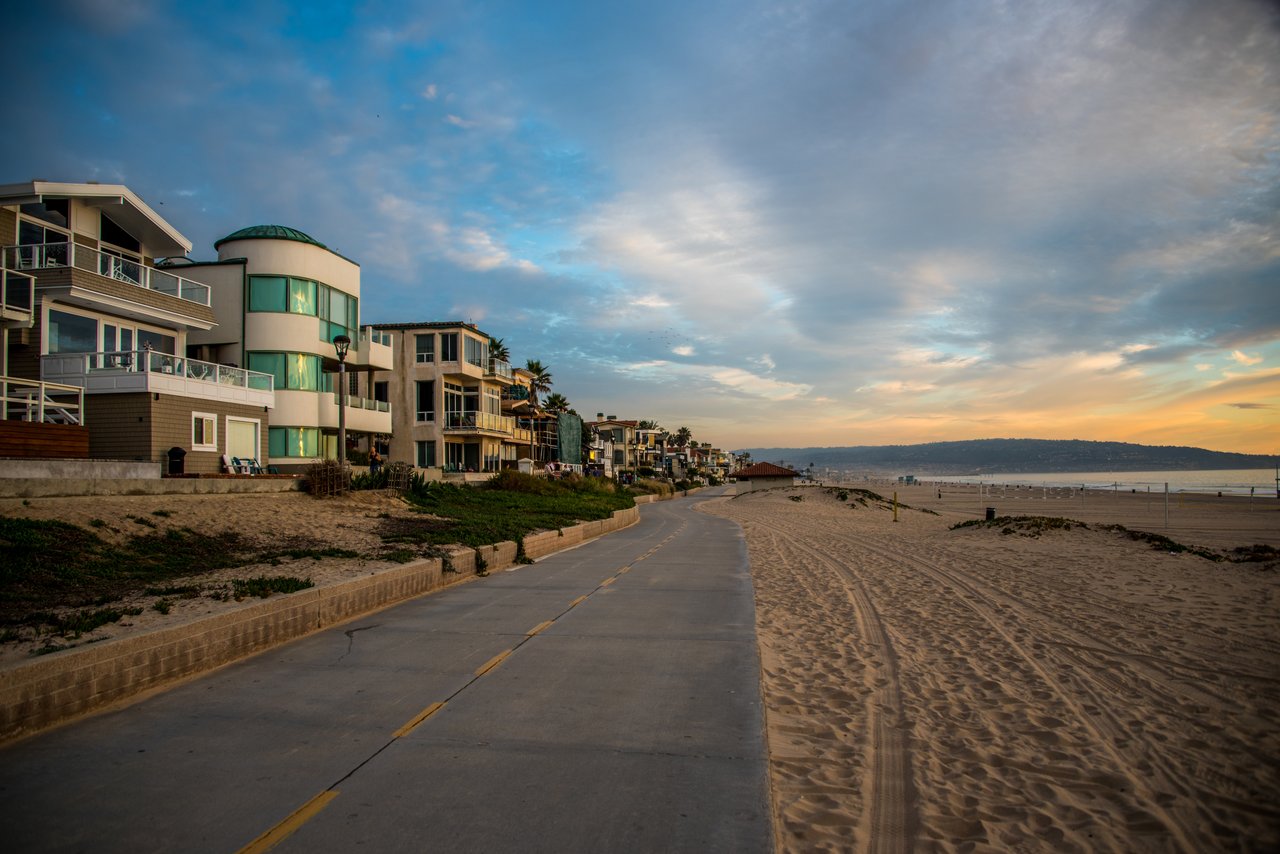
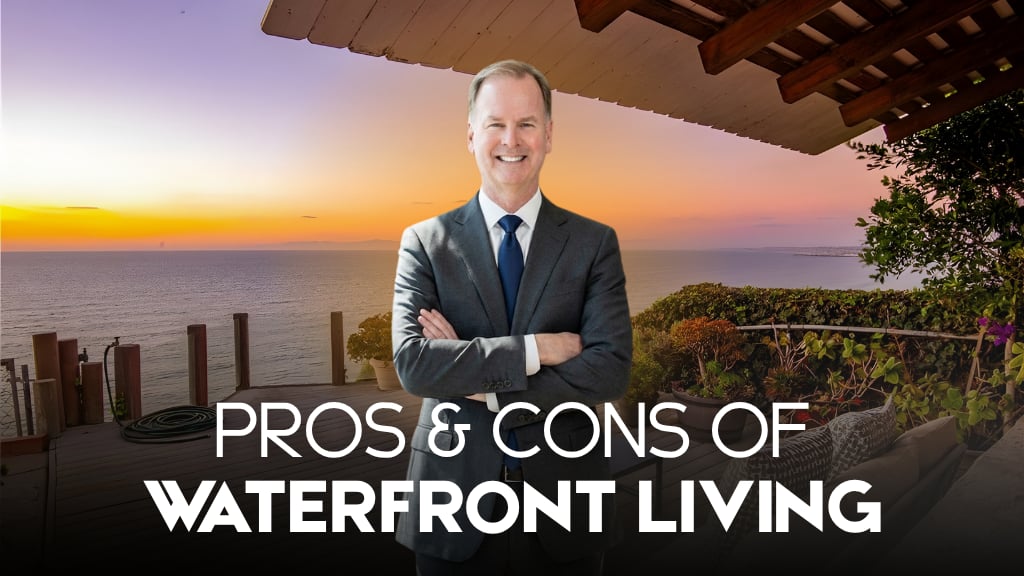
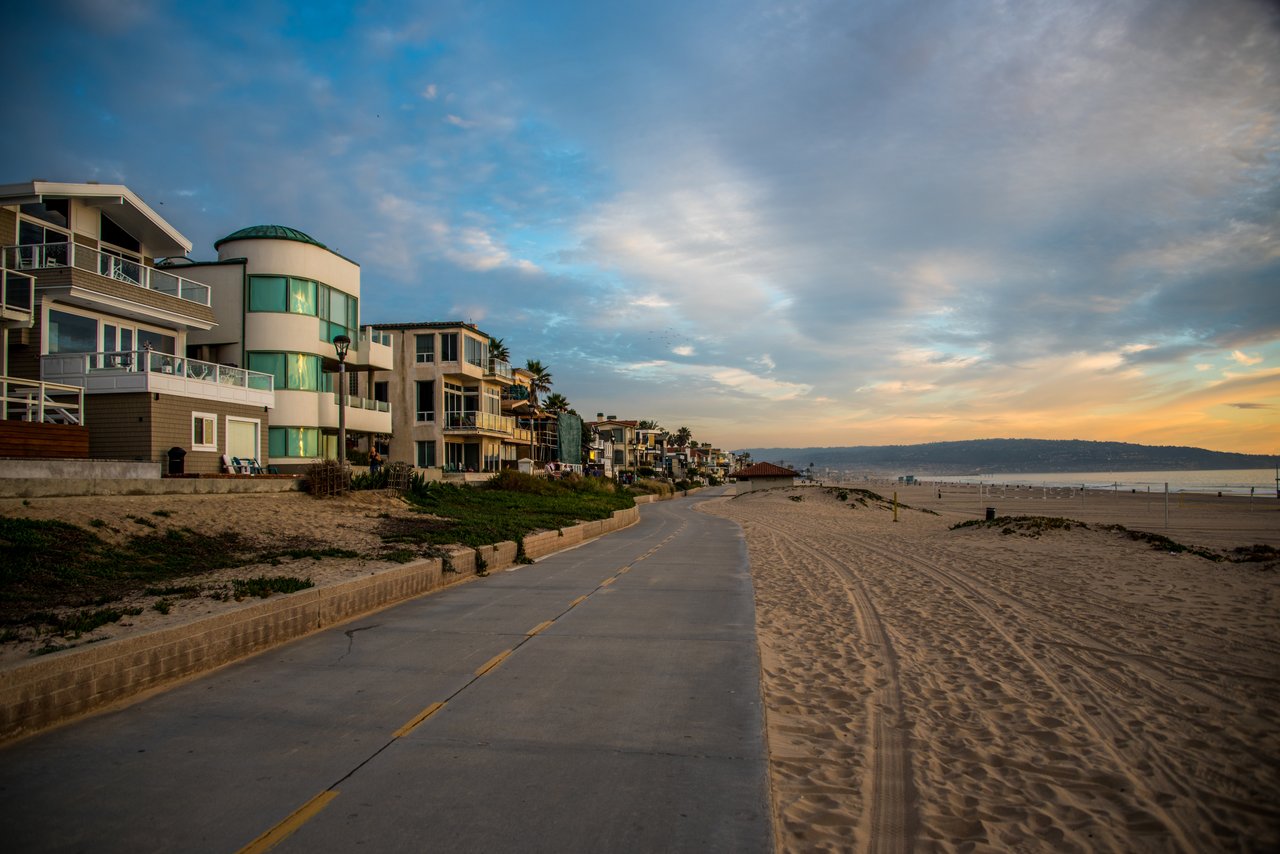
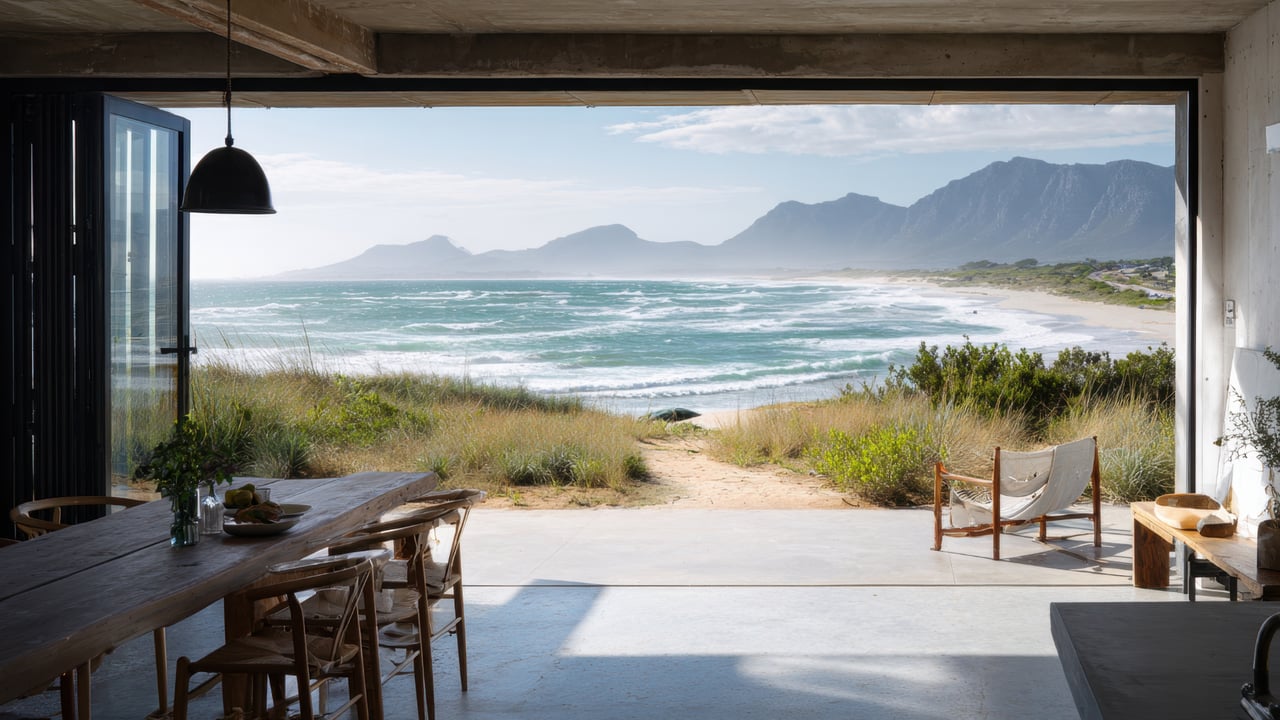
The Sand Section puts you closest to the Strand, beach, and pier. You can walk to coffee, dinner, and oceanfront activities in minutes. It feels lively, especially near downtown, with more tourist foot traffic during peak seasons.
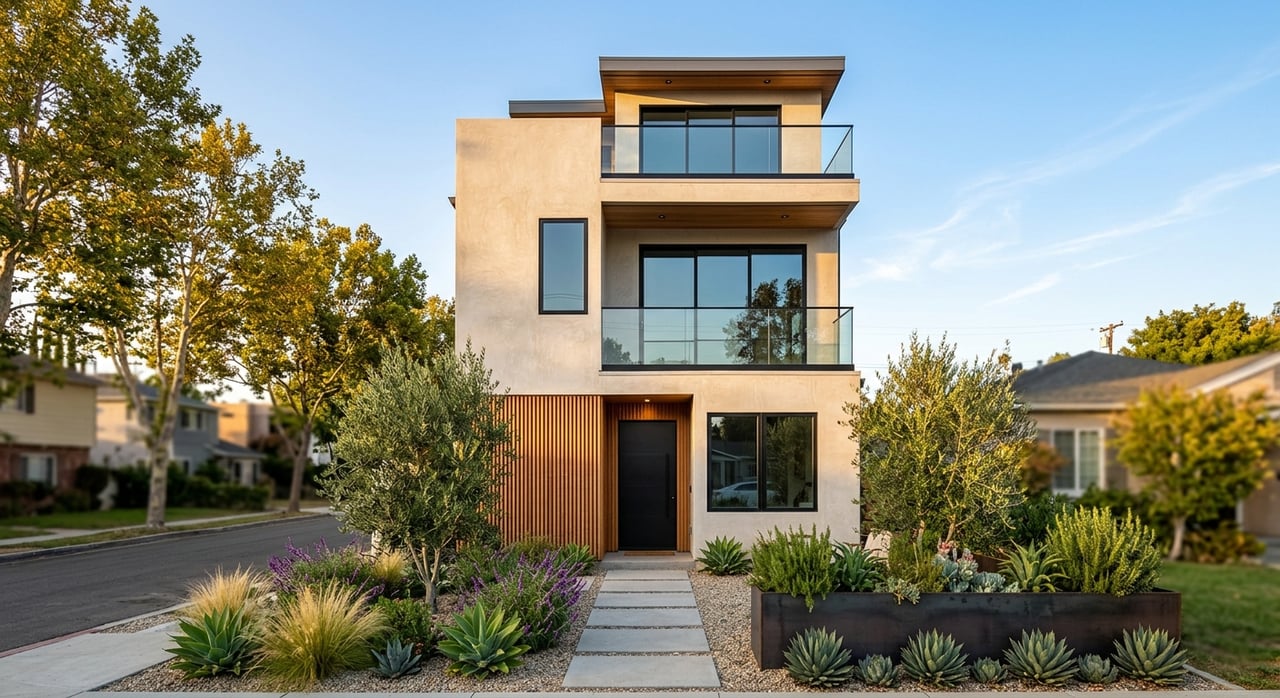
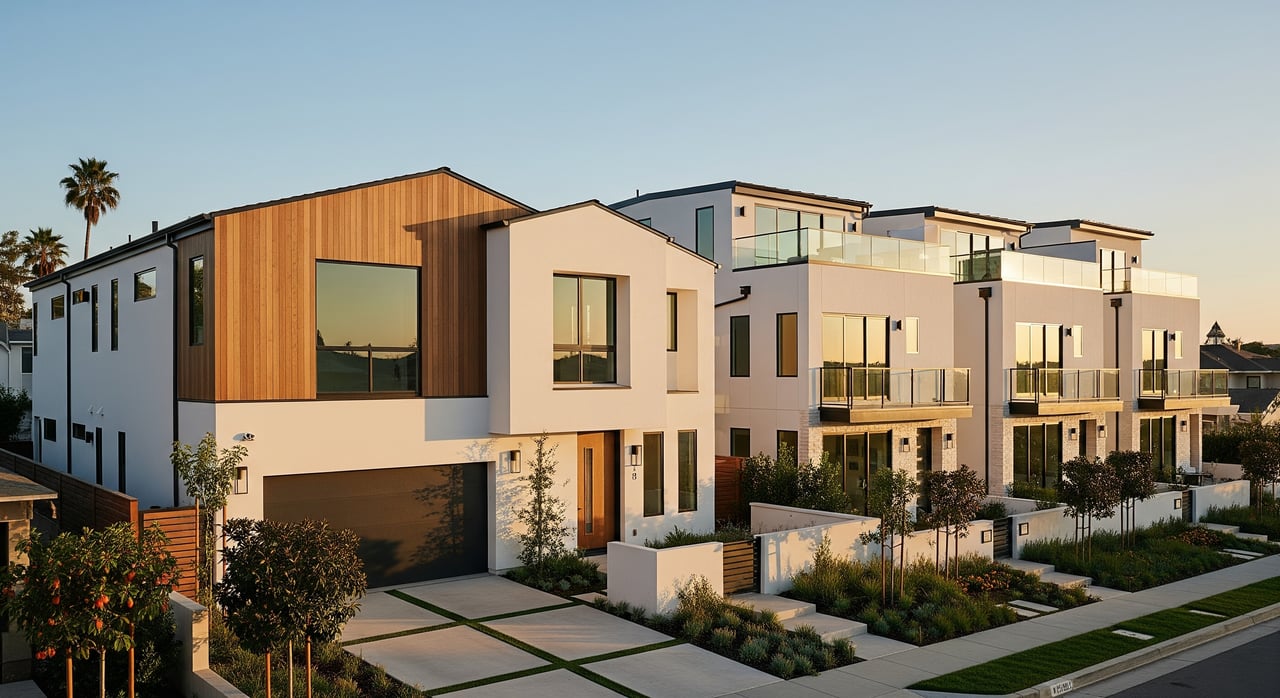
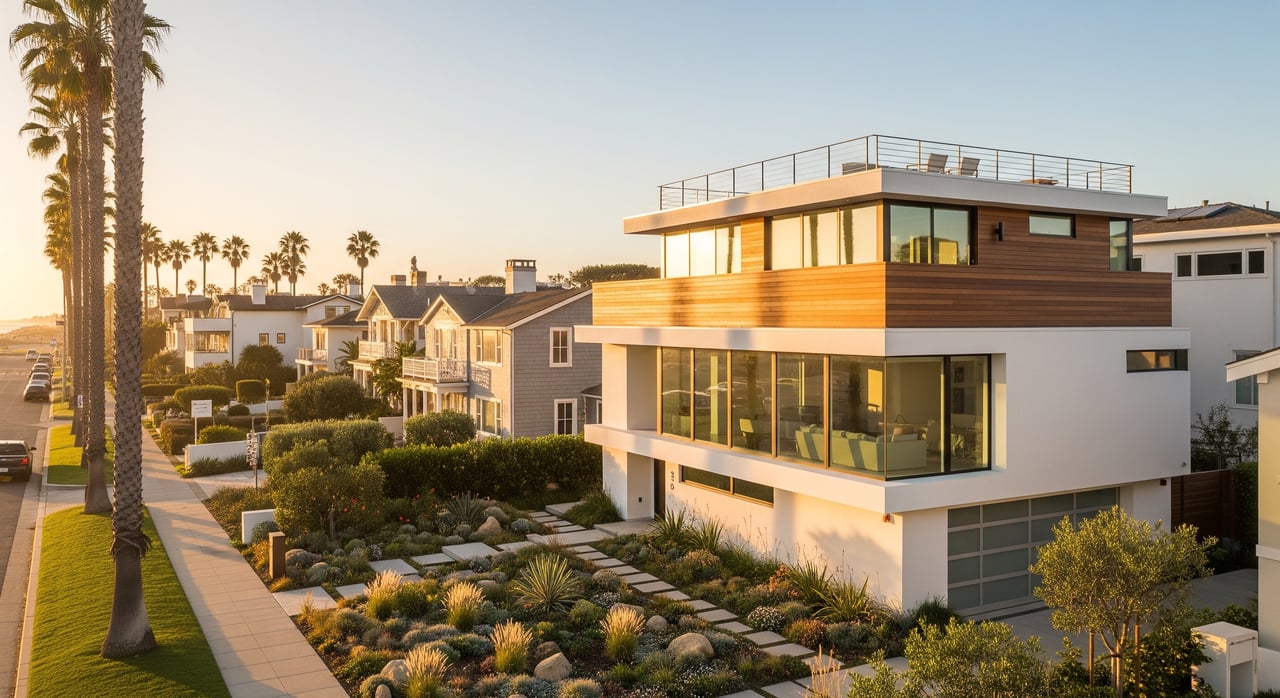
Housing here includes high-value single-family homes on narrow lots, many of them modern rebuilds that rise vertically to capture views. You’ll also find some condominiums and townhomes closer to the pier. Small lots make building up more common than building out.
Walkability is a major perk, but parking is tight. Street parking is regulated, and off-street parking can be limited. Expect the highest price per square foot in the city, plus salt air and coastal weather to factor into maintenance.
Best for you if: You want a true beach lifestyle and are comfortable with small lots, vertical living, and seasonal crowds in exchange for world-class walkability and ocean proximity.
Key tradeoffs: Premium pricing, parking constraints, potential coastal exposure, and busier streets near the pier.
Tree Section
The Tree Section offers a classic residential feel with quiet, shaded streets and a strong neighborhood rhythm. You’ll be near parks, schools, and small commercial nodes that serve day-to-day needs.
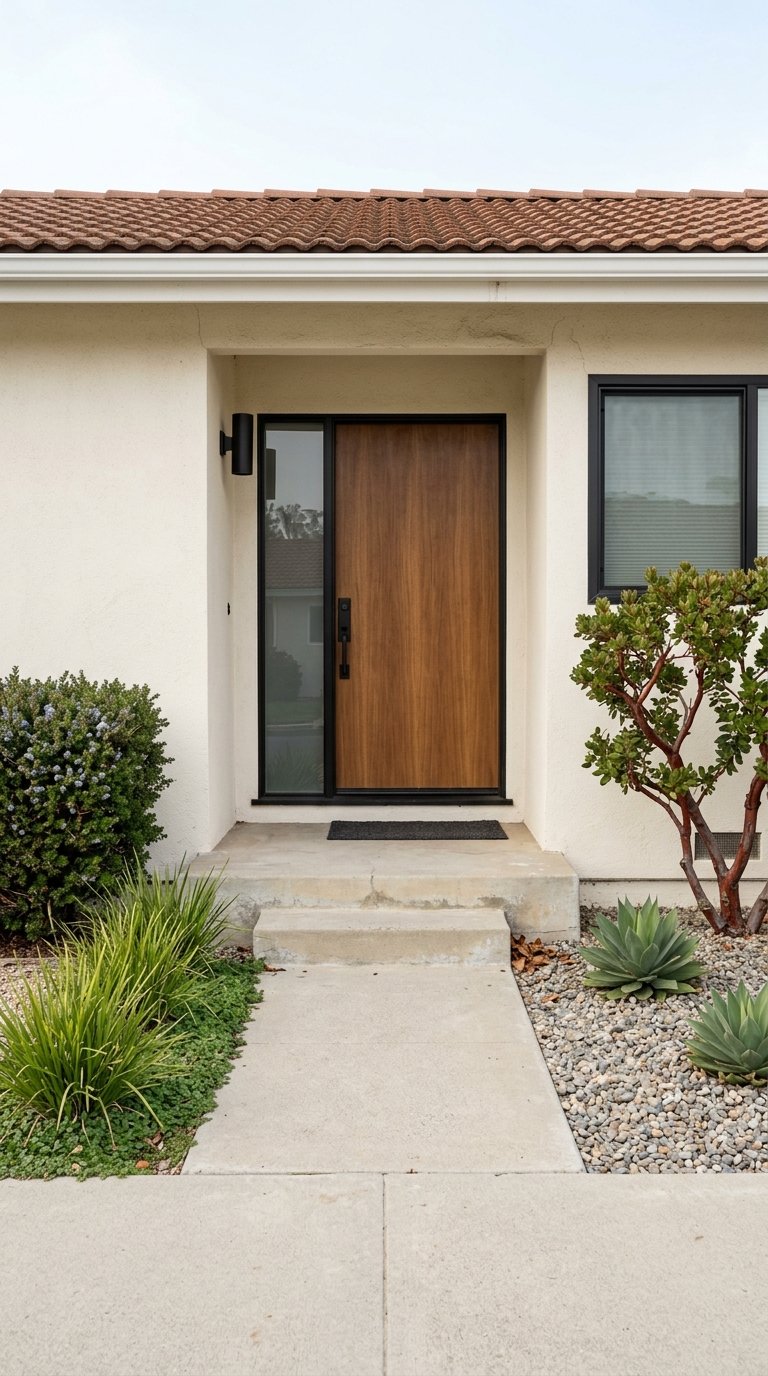
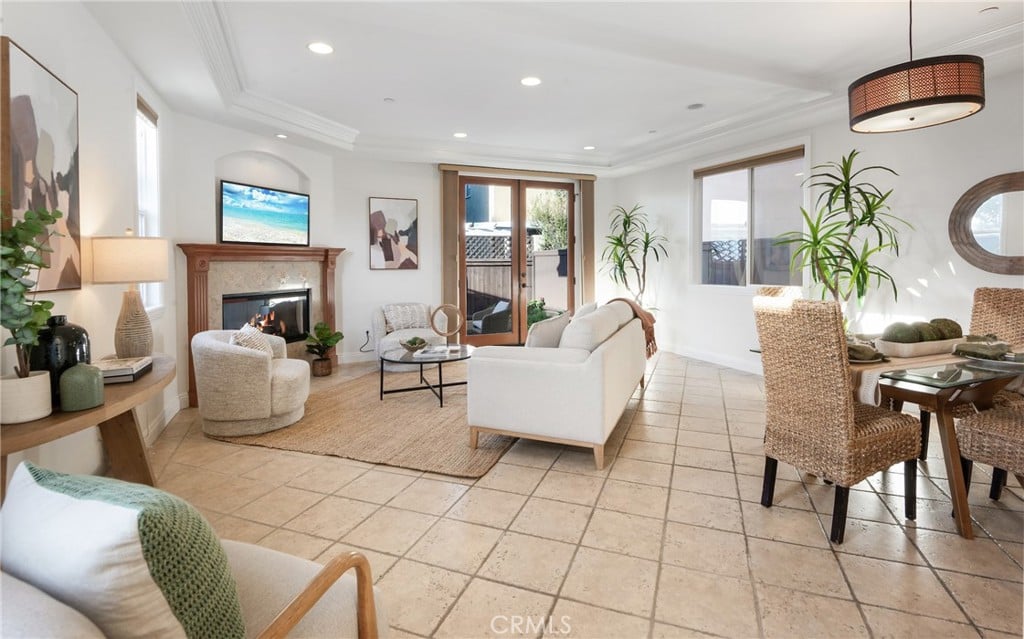
Homes are mainly mid-sized single-family properties, with a mix of original builds from the 1940s to 1960s and newer remodels or tear-down replacements. Lots tend to be wider than beachfront parcels, which supports more traditional floor plans and yard space.
Walkability is solid within the neighborhood, and parking is easier than by the sand. Beach access is a bike ride or short drive away, which many households find to be a manageable tradeoff for more space.
Best for you if: You want a balanced lifestyle with yard space, neighborhood parks, and convenient access to schools.
Key tradeoffs: Less immediate beach access and fewer ocean views compared with the Sand and Hill sections.
Hill Section
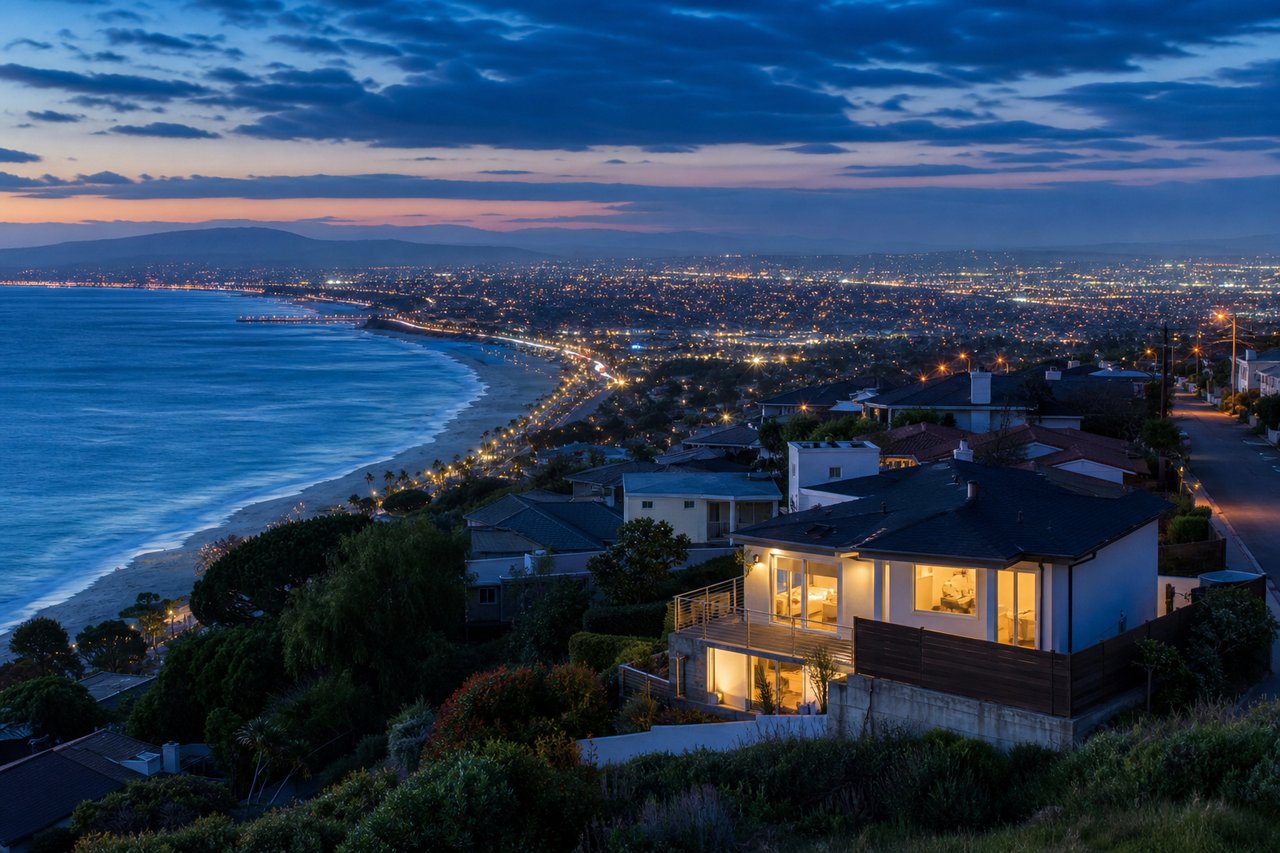
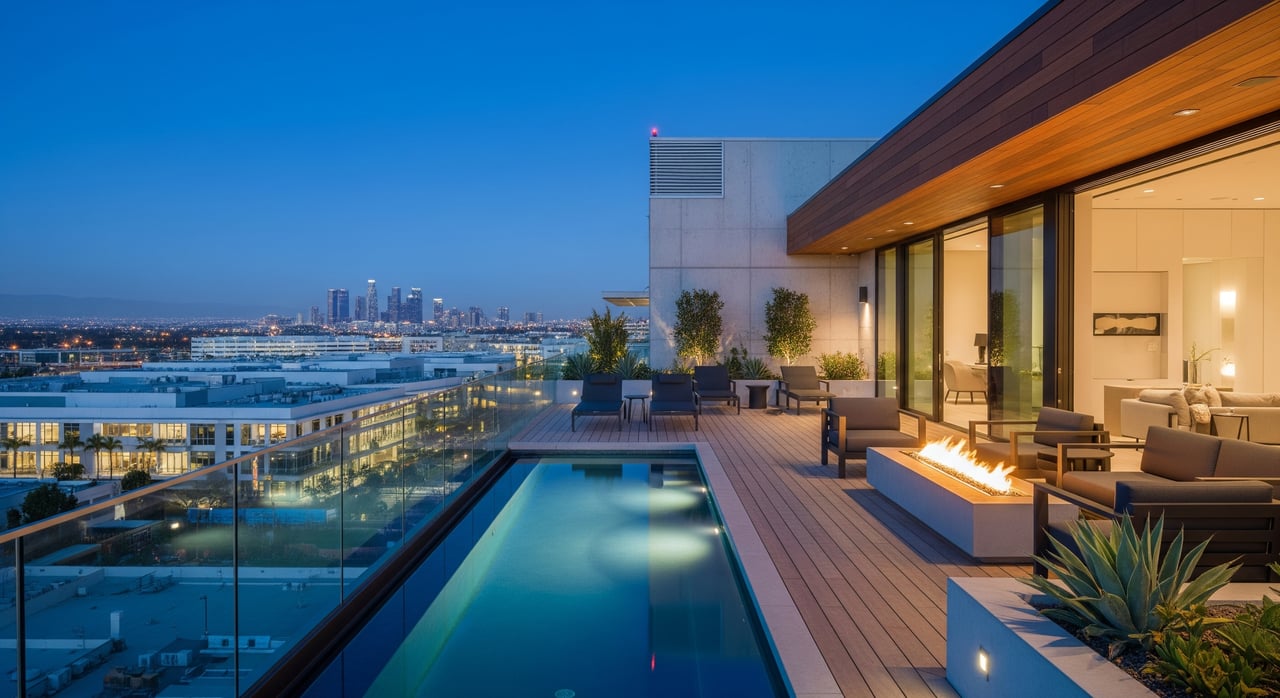
The Hill Section sits on elevated terrain that delivers ocean and city views from many properties. The streets feel quieter, and addresses here often carry a prestige factor tied to views and custom builds.
Homes are typically larger single-family properties. Sloped lots are common, which can mean specialized engineering for foundations, drainage, or retaining walls. Many homes have private driveways and garages.
Walkability to the Strand depends on the exact location, and the climb back home can be a workout. Buyers pay a premium for views and larger homes, and should budget thoughtfully for hillside maintenance over time.
Best for you if: Views and privacy are top priorities, and you prefer a custom home feel.
Key tradeoffs: Higher prices for view properties, potential for steep driveways, and ongoing hillside upkeep.
East of Sepulveda
East of Sepulveda delivers value within Manhattan Beach standards. This inland pocket is quieter with less tourist activity and offers straightforward access to major roads, parks, and neighborhood services.
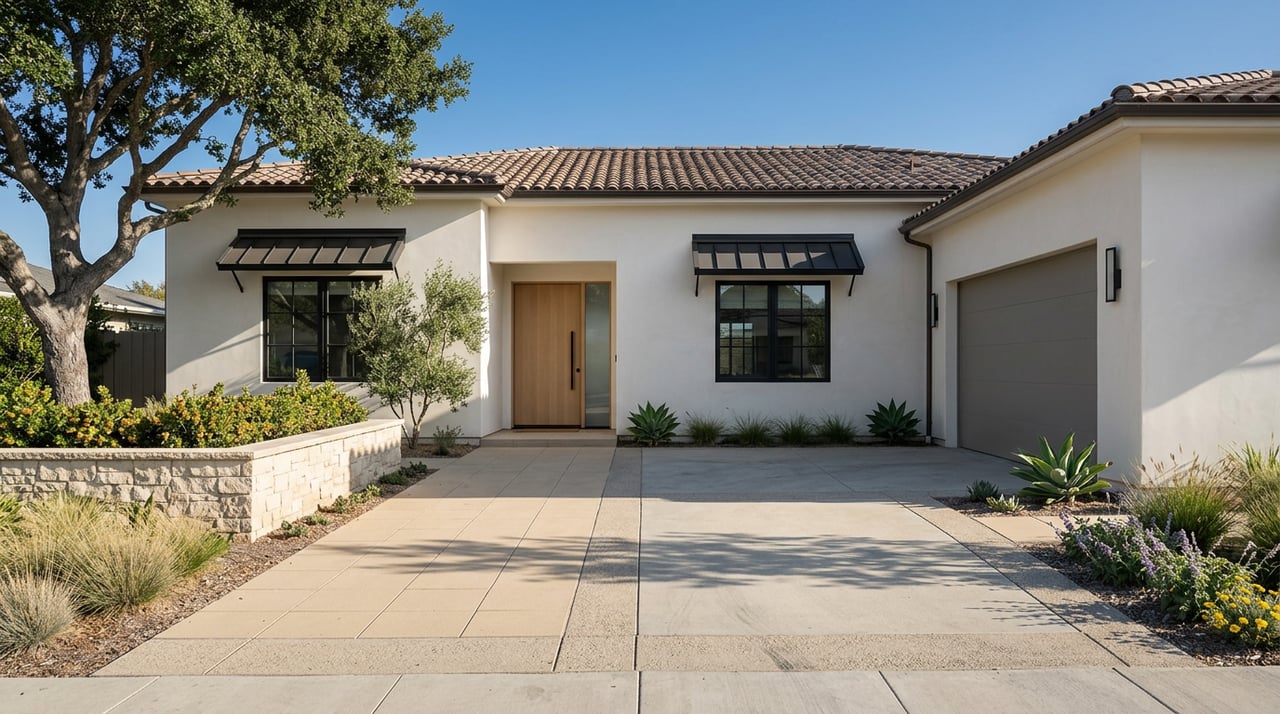
You’ll find a mix of mid-century and contemporary single-family homes, with larger lots than the beachfront sections and more multi-family along major streets. Many blocks feel more traditionally suburban compared with the coast.
Parking is easier, and driving to the 405 and regional employment centers is convenient. Walkability varies by block, with more options closer to commercial corridors and downtown.
Best for you if: You want more interior space and easier parking at a relative discount to the beachside sections.
Key tradeoffs: Less immediate beach access and fewer ocean views.
What drives value
Manhattan Beach pricing tends to follow a clear hierarchy. The Sand Section and Hill Section lead due to ocean proximity and views, the Tree Section is highly sought for neighborhood living, and East of Sepulveda offers relative value within the city.
Key value drivers include:
- Ocean proximity and views
- Lot size and buildable square footage
- The reputation of local schools within Manhattan Beach Unified School District (MBUSD)
- Inventory scarcity and strong demand
- Zoning and height limits that shape what you can build
You’ll see upward redevelopment across the city. Small lots in the Sand Section often lead to taller, view-focused designs. Across all sections, older homes are commonly remodeled or rebuilt, which is part of the area’s ongoing value story. Near the shore, coastal regulations and height limits can narrow what is possible, so planning ahead is essential if you’re eyeing a value-add purchase.
Commute, walkability, and daily life
If you want to live at the beach and be out the door on the Strand within minutes, the Sand Section is your best match. Parts of the Hill Section also offer good beach access points, especially on lower slopes. For parks, playgrounds, and larger yards, the Tree Section and East of Sepulveda tend to shine.
Dining, shopping, and coffee are concentrated downtown near the pier, which is very walkable from the Sand and some Tree Section blocks. East of Sepulveda residents often mix downtown with nearby commercial corridors for daily errands. Biking is popular throughout the city, while transit options are limited, so most people rely on cars and bikes for commuting.
For regional access, Sepulveda Boulevard and the 405 freeway are key routes. Proximity to employment hubs in El Segundo and Playa Vista, as well as LAX, is a benefit for many professionals in the area.
Risks, permits, and maintenance
Smart budgeting includes a look at coastal risks, regulations, and the realities of maintaining a home in this environment.
- Coastal exposure: Homes nearest the beach can face storm surge exposure and long-term sea-level considerations. Insurance costs may be higher and can include flood and earthquake coverage depending on the property.
- Permits near the coast: Significant work close to the shoreline may require California Coastal Commission review in addition to city permits. This can affect timelines and design scope.
- Zoning and parking: Most interior blocks are single-family zoning, with multi-family and commercial along major corridors. Street parking near the beach is highly regulated, and short-term rentals are typically subject to strict rules.
- Hillside engineering: On the Hill, be ready for geotechnical considerations, drainage solutions, and retaining walls where needed.
- Older coastal homes: Plan for focused inspections of foundations, seawalls where applicable, and termite conditions, plus routine salt-air maintenance.
Buyer due diligence checklist
Use this checklist to avoid surprises and protect your long-term value:
- Confirm exact school assignments by block and any enrollment rules
- Review FEMA flood mapping and local coastal studies for the parcel
- Check recent permit history and any unpermitted work with the city
- Verify lot lines, easements, and access in title and survey
- Understand parking arrangements and any street permit requirements
- Review HOA rules, dues, and reserves for condos or townhomes
- Confirm local short-term rental regulations and enforcement practices
- Estimate utilities, municipal fees, and any special assessments
- Get insurance quotes for homeowner, flood, and earthquake coverage
- Scope renovation constraints, including zoning, height limits, and any coastal oversight
How to choose your best fit
- Choose Sand Section if daily beach access and walkability are non-negotiable, and you are comfortable with small lots, vertical layouts, and higher costs.
- Choose Tree Section if you want a classic neighborhood feel, yard space, and proximity to parks and schools, with a short drive or bike to the beach.
- Choose Hill Section if views, privacy, and larger custom homes match your lifestyle, and you are prepared for hillside upkeep.
- Choose East of Sepulveda if you want more space and easier parking while staying in Manhattan Beach, and you value quick access to major corridors.
When in doubt, focus on your daily routine. Where will you park, store gear, or work from home? How much do you value quiet streets versus being steps from the action? Align the micro-location with how you actually live.
Ready to explore with a local guide?
A block-by-block walkthrough can clarify the right fit fast. If you’d like a measured, local perspective on specific streets, building considerations, and long-term resale factors, connect with Dennis Hartley. You’ll get calm, practical guidance backed by decades of South Bay experience and full-service buyer representation.
FAQs
What are the main Manhattan Beach neighborhoods for buyers?
- The principal areas are the Sand Section, Tree Section, Hill Section, and East of Sepulveda, each with a distinct feel, housing stock, and tradeoffs.
How do prices compare across Manhattan Beach sections?
- The Sand and Hill sections generally command the highest pricing, followed by the Tree Section, with East of Sepulveda offering relative value within the city.
Is parking difficult near the beach and pier?
- Yes, street parking is limited and regulated in the Sand Section, especially near downtown and the Strand, so plan for garage or permit strategies.
Which neighborhoods offer larger lots and yard space?
- The Tree Section and East of Sepulveda typically have larger lots than beachfront areas, supporting more traditional floor plans and outdoor space.
What should I know about coastal permits and renovations?
- Projects near the shoreline may require additional coastal review along with city permits, which can affect design scope and timelines, so plan early.
Are there specific risks in hillside areas?
- Hill Section homes can need geotechnical work, retaining walls, and enhanced drainage due to sloped lots, so include these in inspections and budgeting.
How do schools factor into neighborhood choice?
- Manhattan Beach Unified School District is widely regarded as high-performing, but school assignments vary by exact block, so verify boundaries during your search.