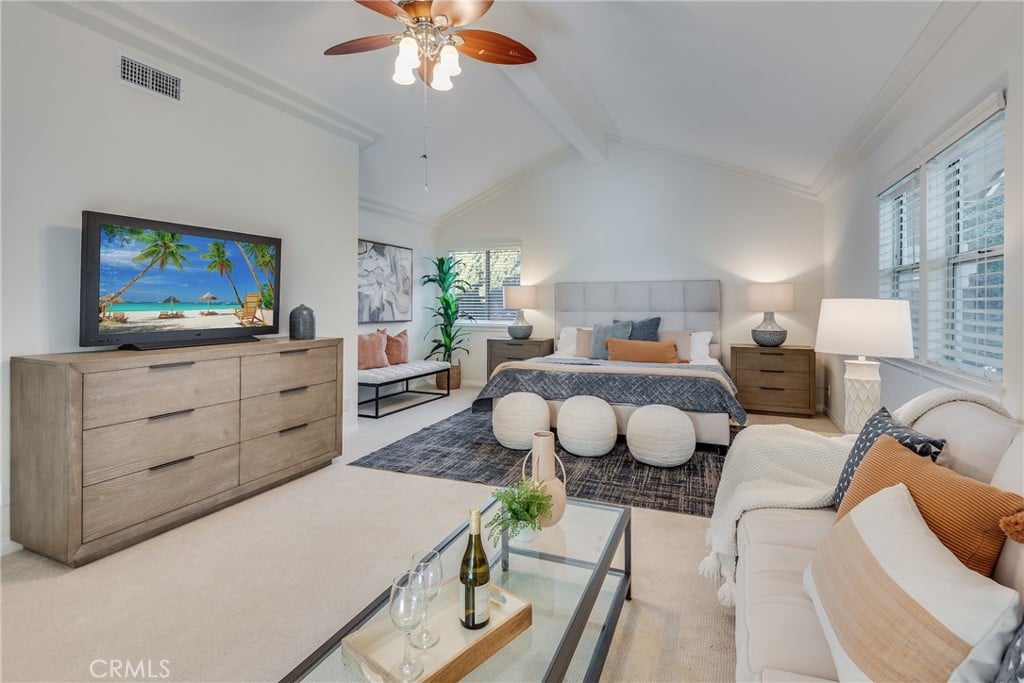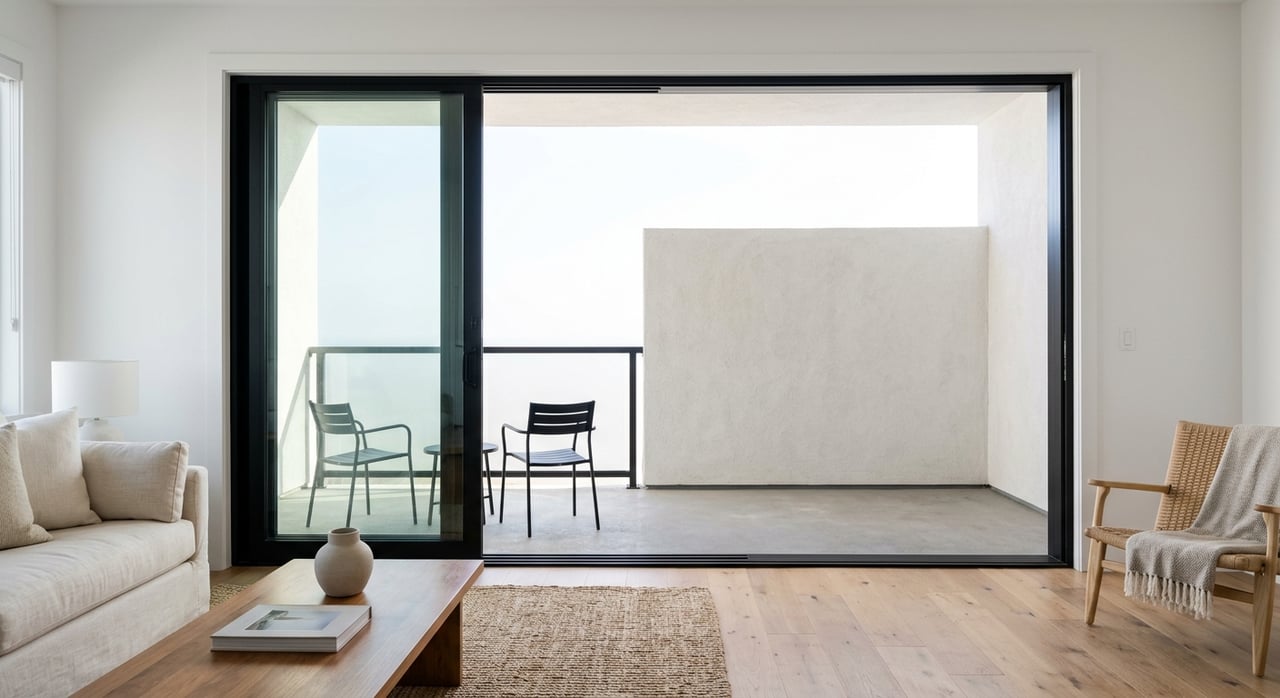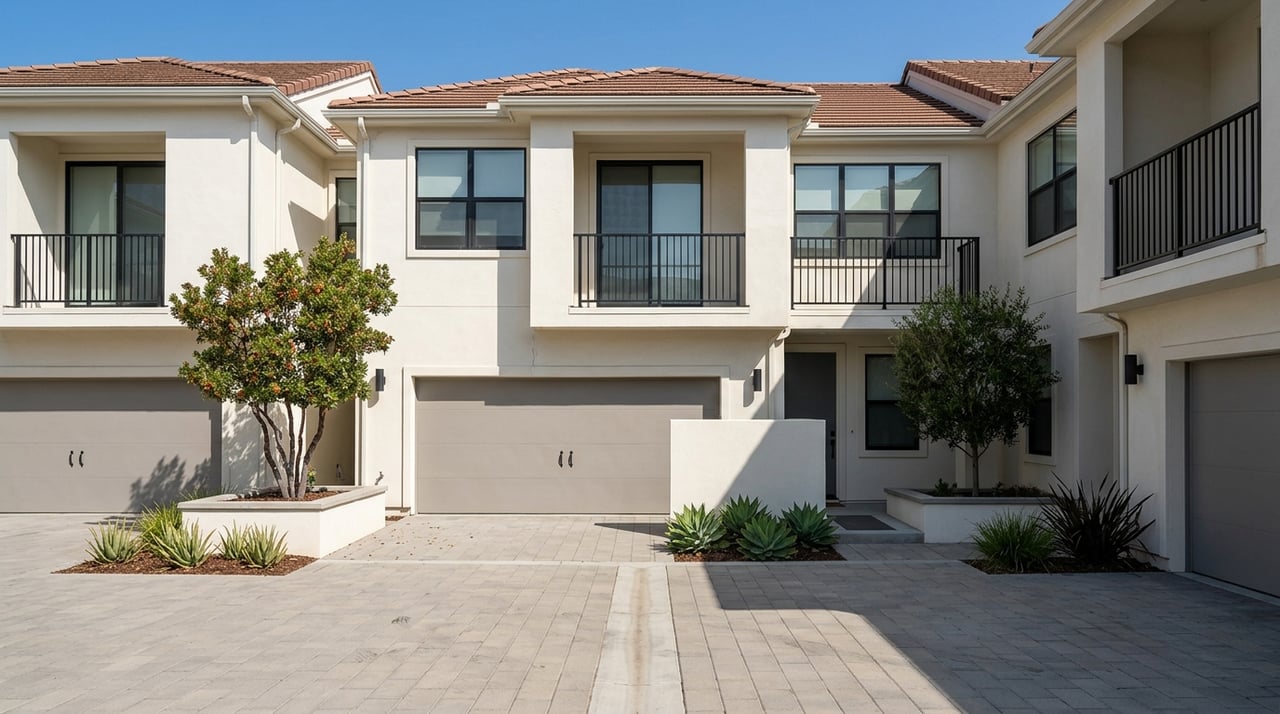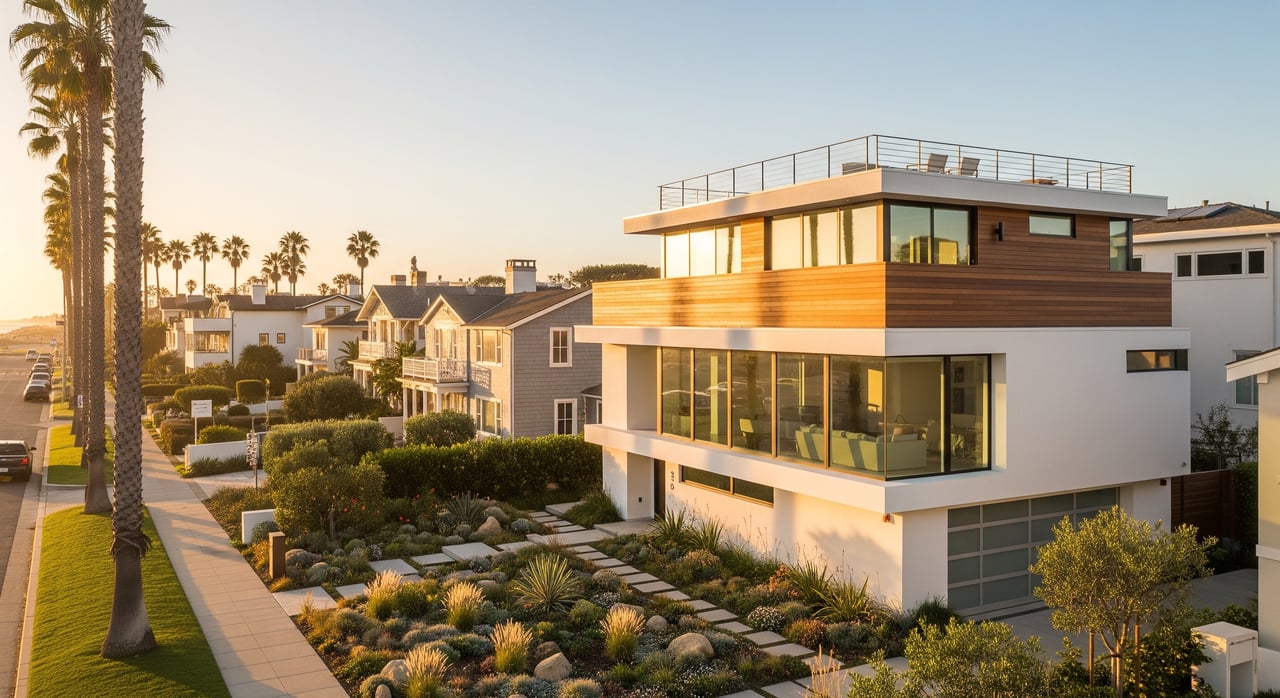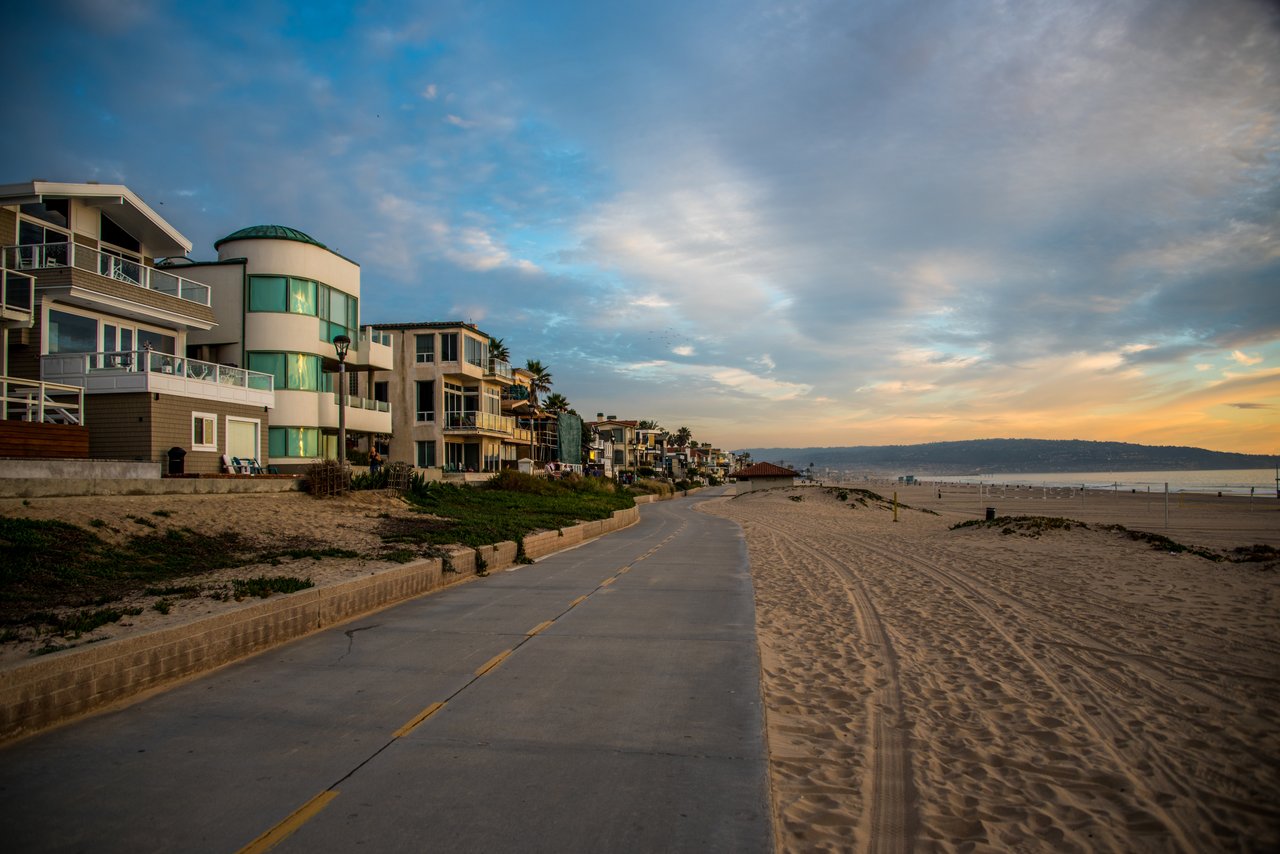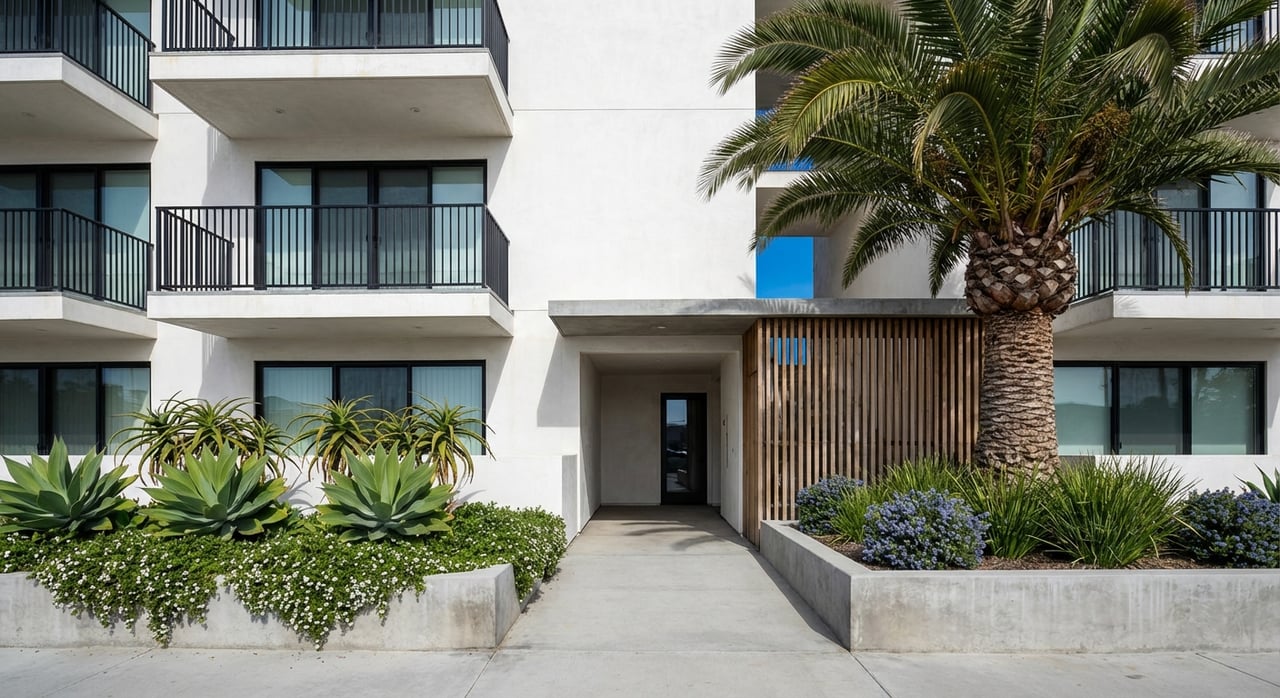
If waking up to waves and sunset views is on your wish list, Redondo Beach’s oceanfront and near-ocean condos deserve a close look. You get everyday access to the sand, coastal trails, and a lively harbor scene, all in a lock-and-leave package. But buying at the beach also brings unique costs, rules, and building details you will want to understand before you write an offer. This guide gives you a clear plan for choosing the right building, sizing your true costs, and completing smart coastal due diligence. Let’s dive in.
Quick buyer checklist
- Confirm coastal hazards for the exact address, including flood zone, tsunami mapping, and local sea-level planning notes. Save copies for your file.
- Request the full HOA resale packet early, including CC&Rs, rules, recent minutes, budget, insurance certificate, and the latest reserve study.
- Verify your financing path. Ask your lender about project warrantability and whether FHA or VA is possible in that building.
- Order a general home inspection plus a building envelope or balcony specialist review if the unit has exterior decks.
- Confirm rental rules with both the City and the HOA. If you plan to rent, get everything in writing.
Why buyers choose the Esplanade and Harbor
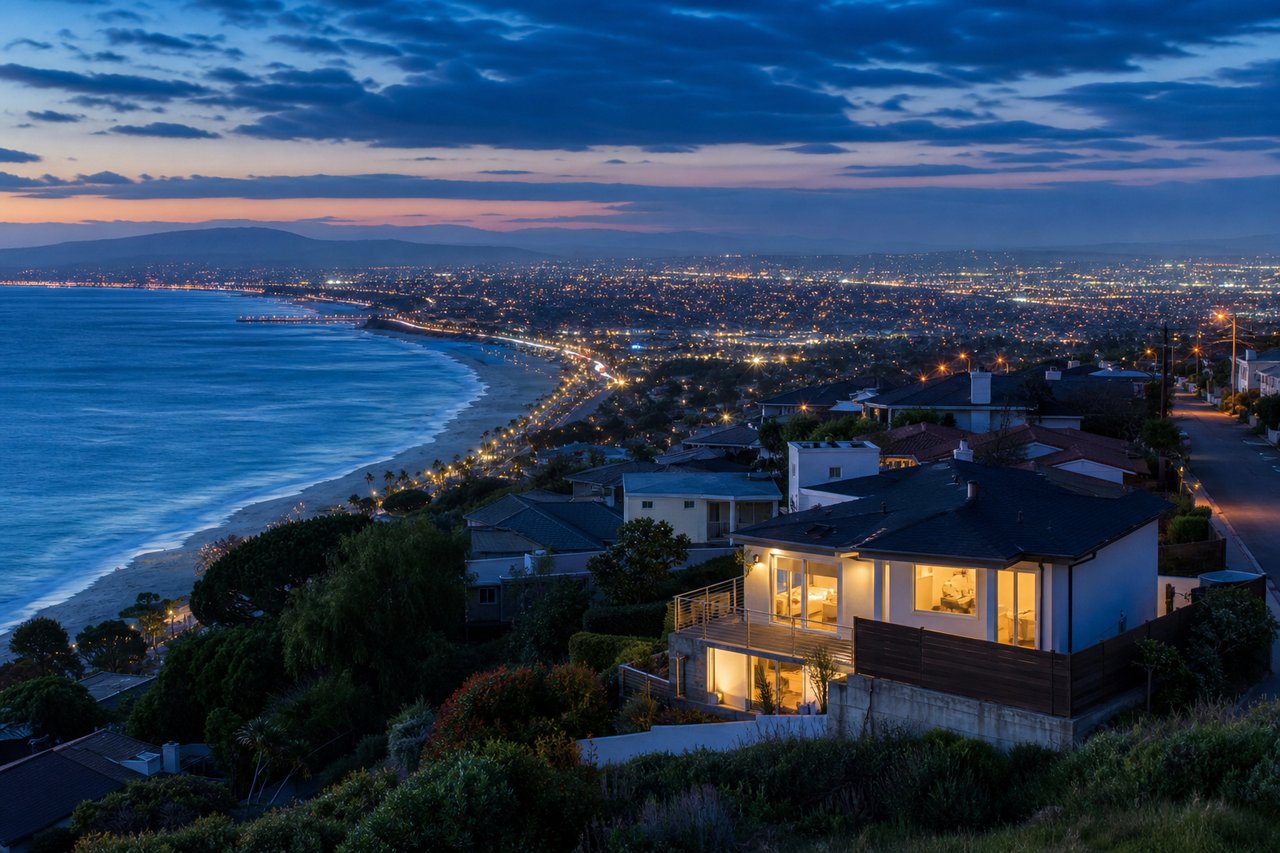
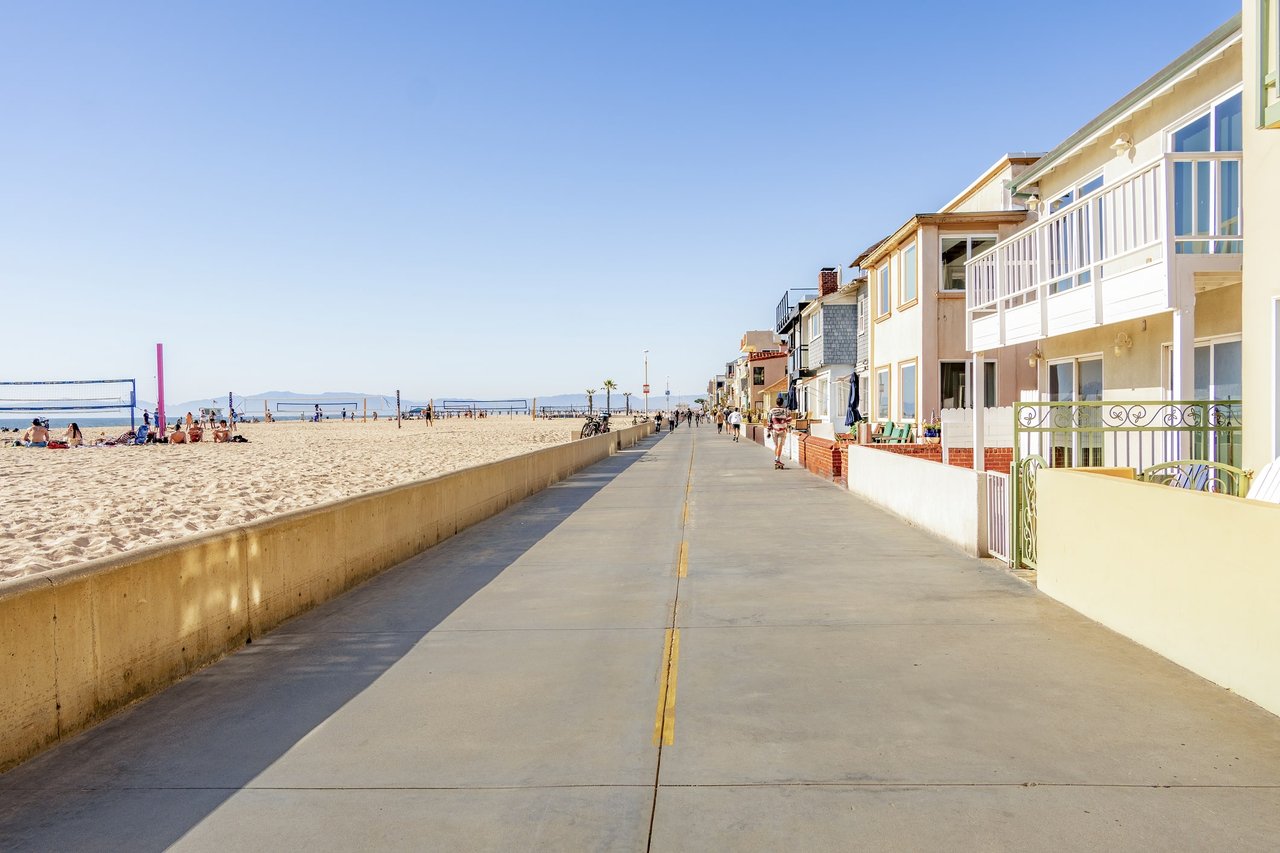
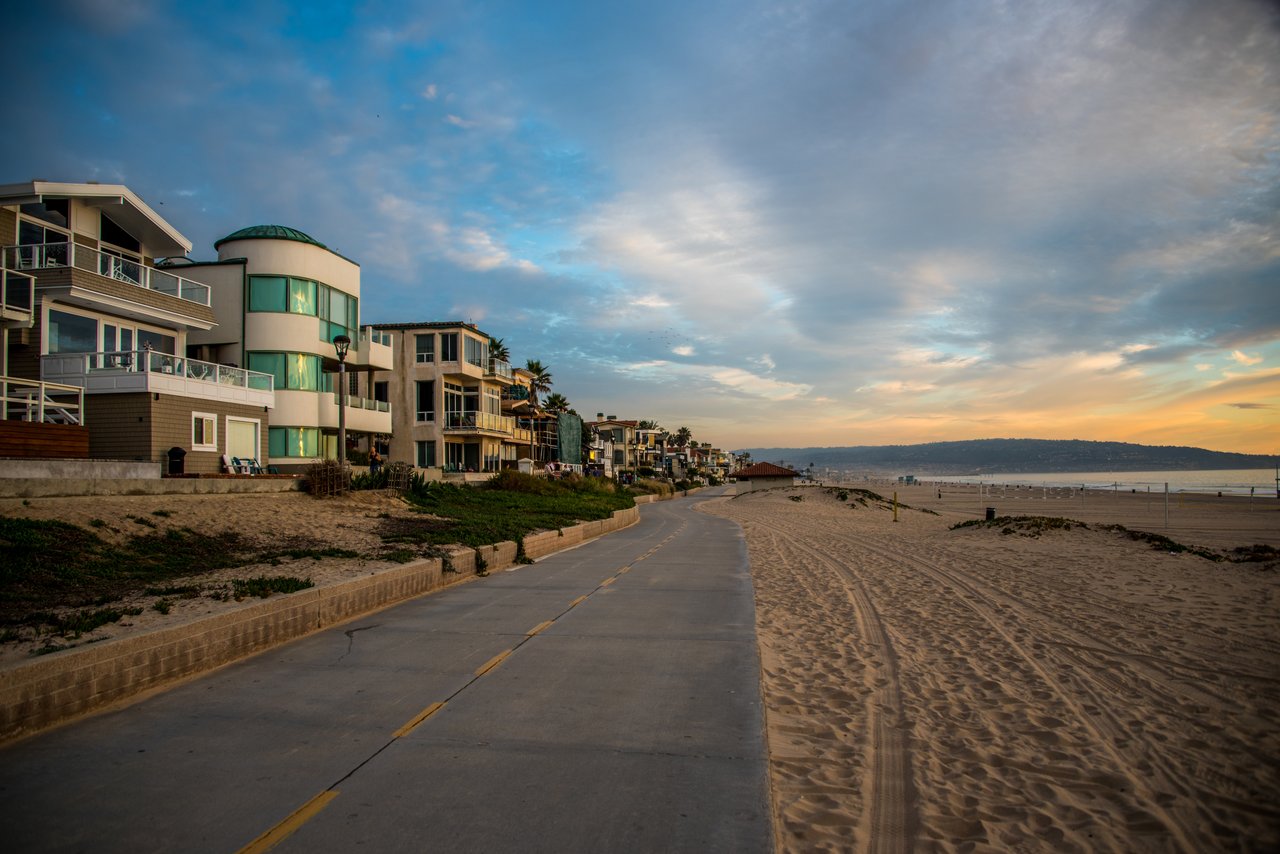
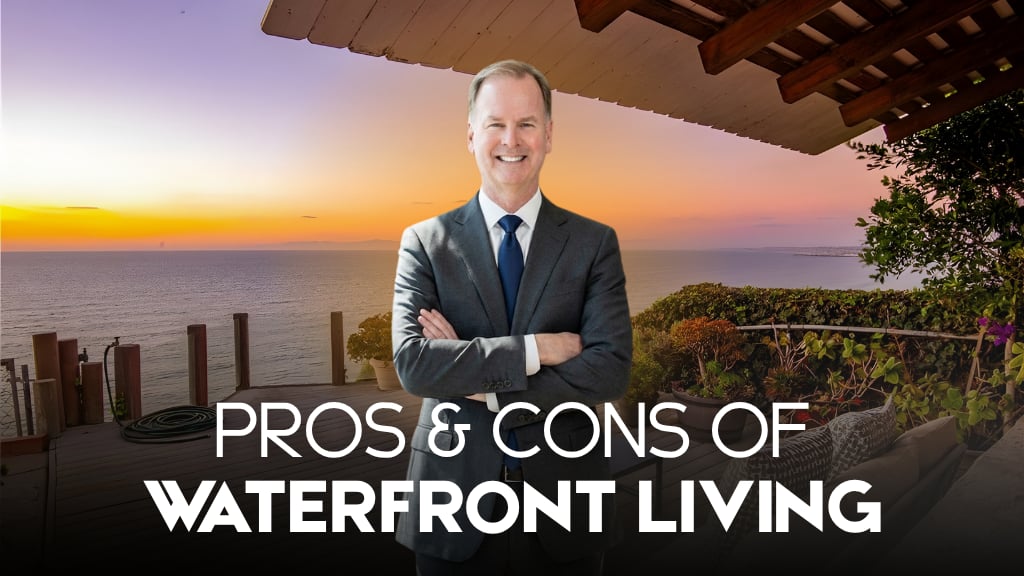
The Esplanade offers some of the South Bay’s most walkable beachfront living. You are steps from the sand, coastal paths, and casual dining. Many buildings sit close to the bluff with wide ocean views.
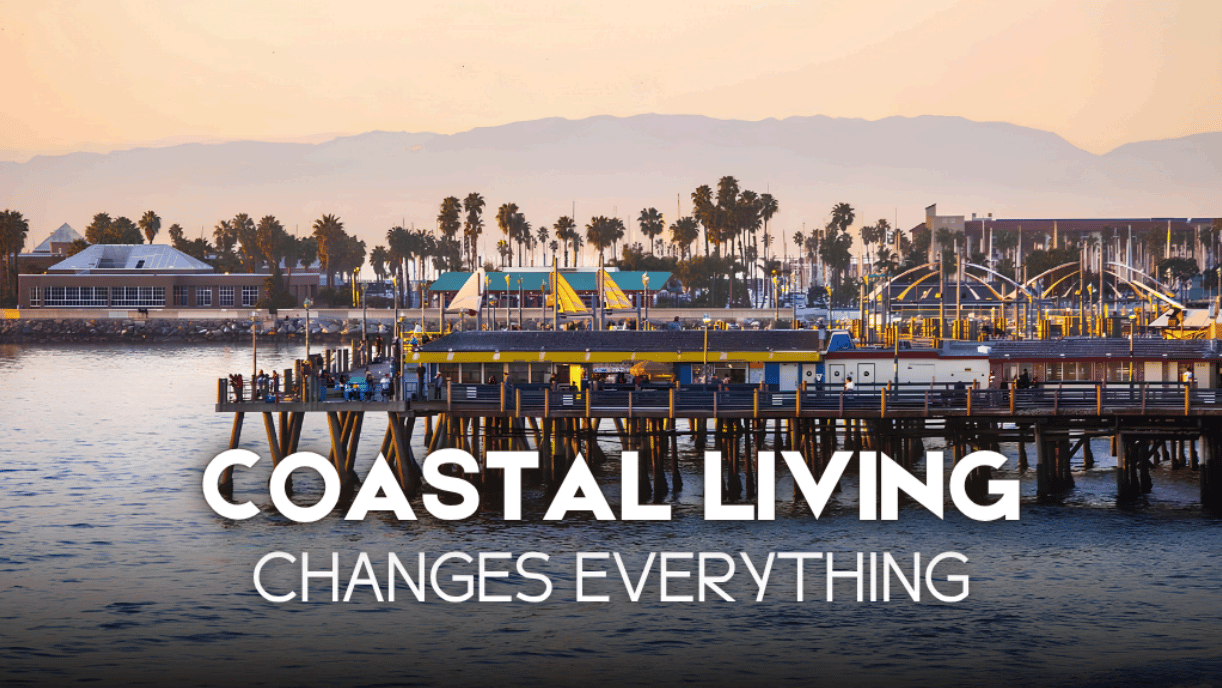
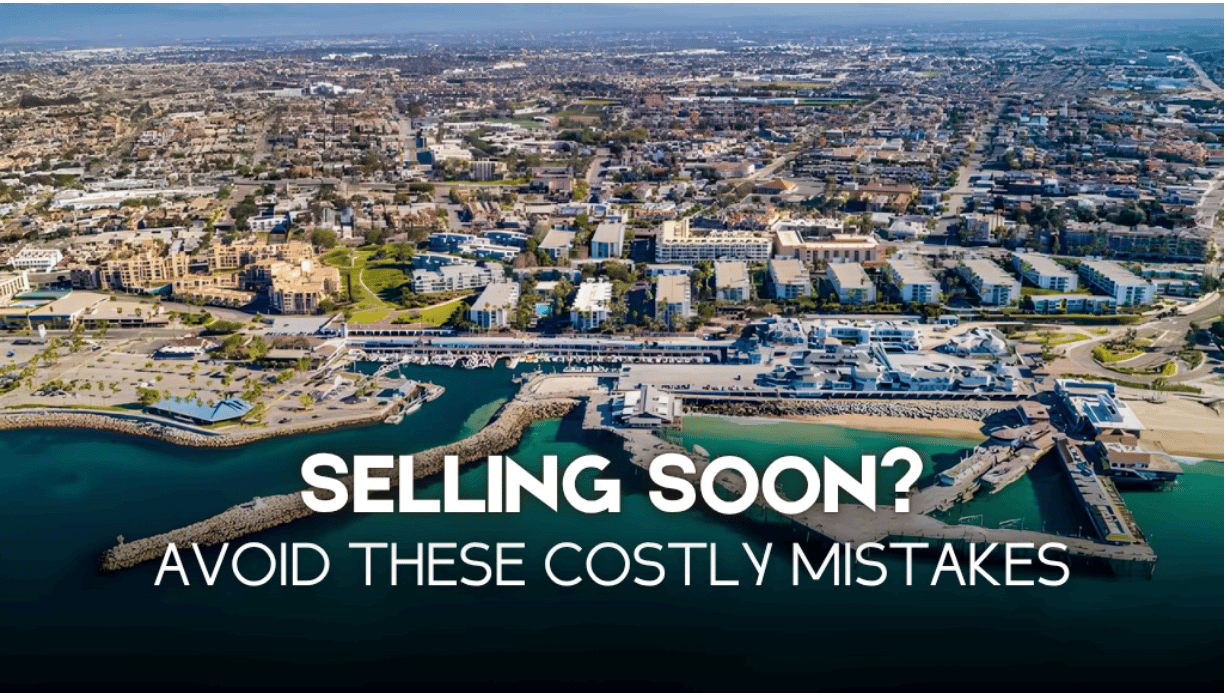
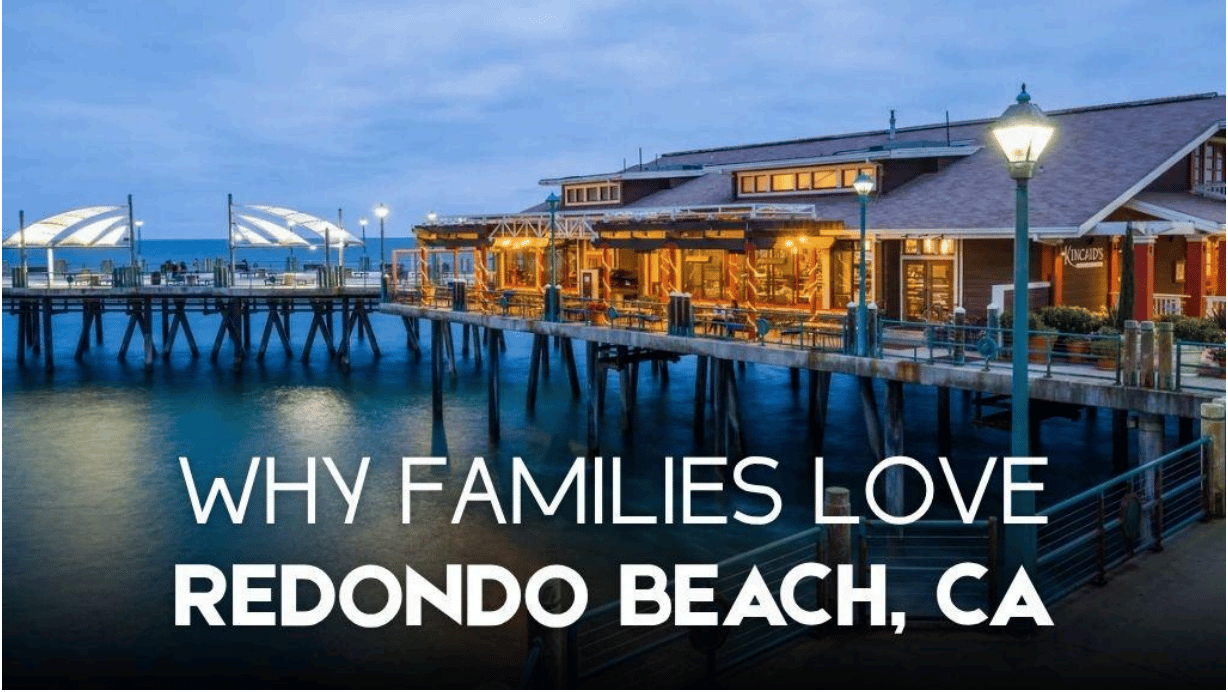
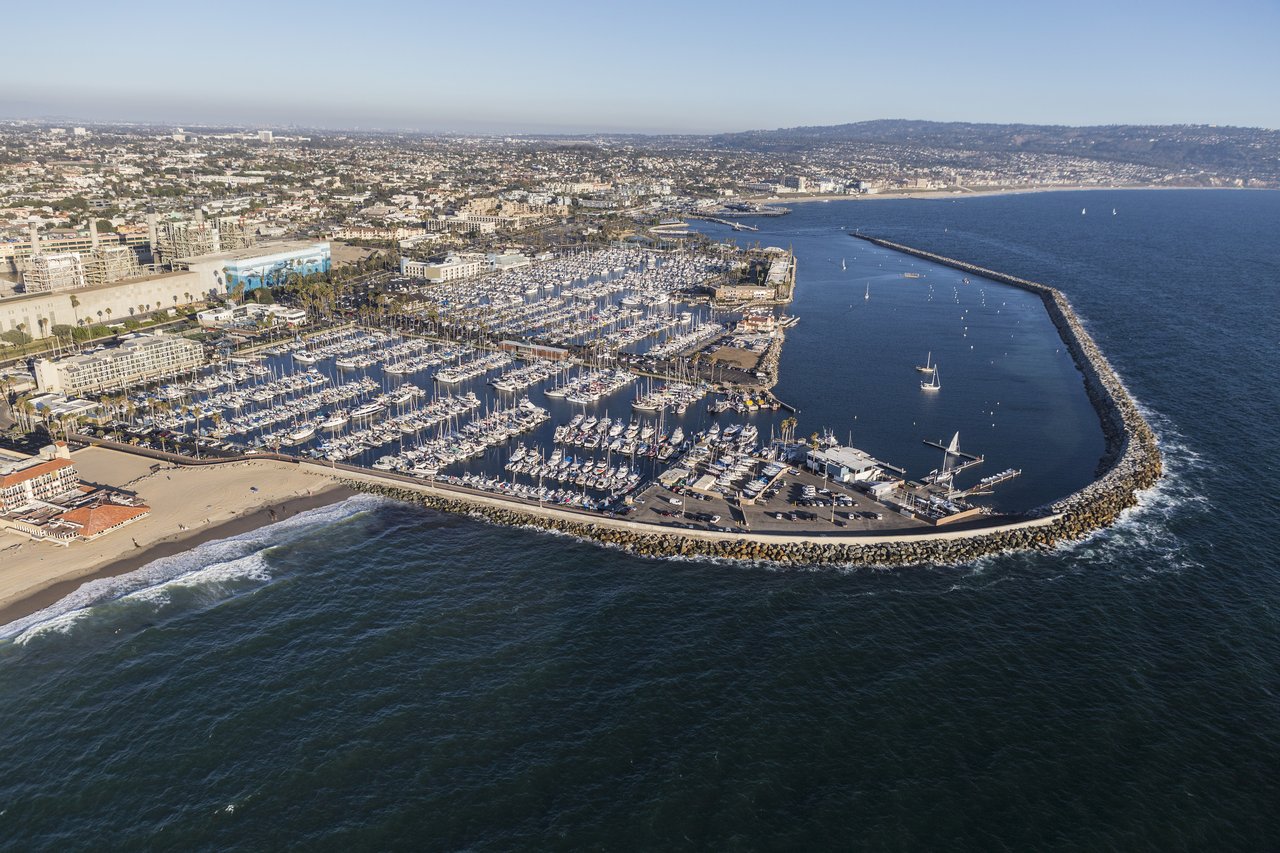
Near the Pier and King Harbor you get a marina backdrop, restaurants, and seasonal events. It is a busier, amenity-dense setting that many buyers love for convenience and energy. You can explore current harbor activities and amenities on the official King Harbor site for a feel of daily life.
What buildings you will find
Esplanade condos
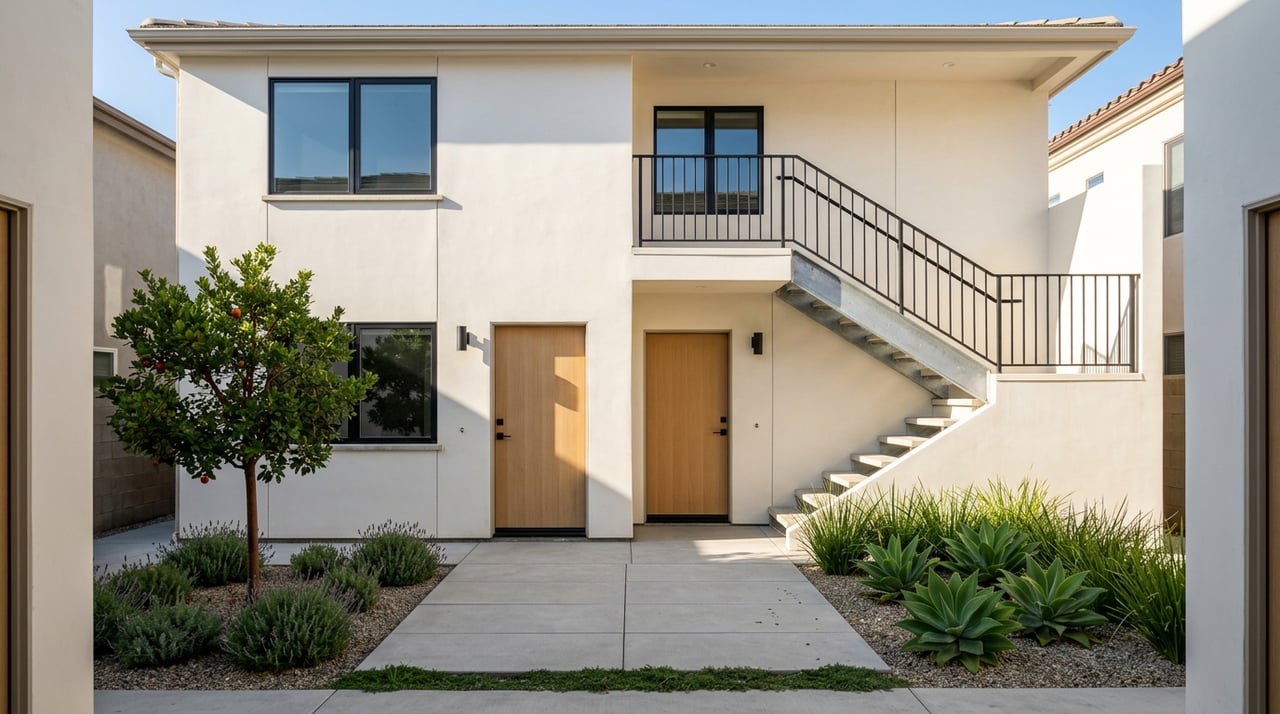
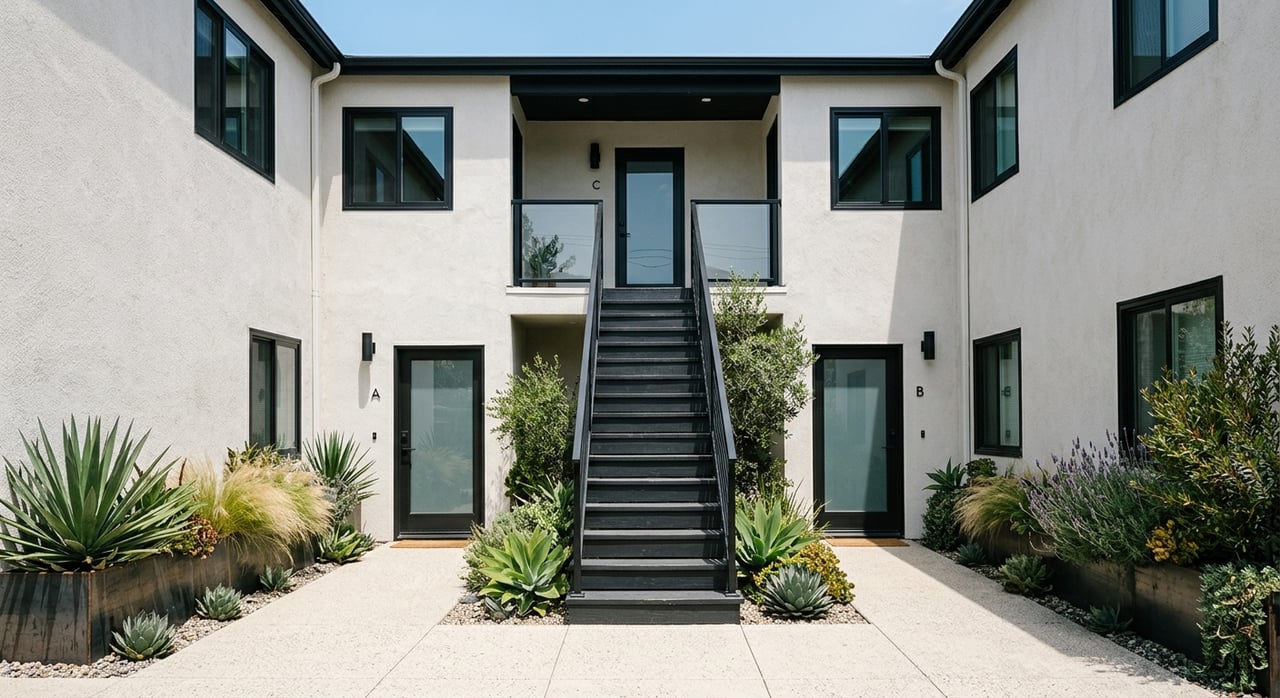
Along the Esplanade you will see low-rise walk-ups and townhouse-style stacks, often mid-century to 1980s vintage. Stucco exteriors and wood-frame construction are common. Some buildings have modest amenity packages, while others add pools or shared decks.
Age matters at the coast. Older plumbing, original waterproofing, and balcony systems can drive near-term projects. Review HOA reserves and recent work to understand what is coming next.
Pier and King Harbor area
Closer to the marina, mid-rise buildings with elevators and podium parking are more frequent. These can range from simple footprints to larger complexes with gyms, EV stalls, and on-site management. You will also find renovated or rebuilt infill that highlights upgraded envelopes designed for coastal exposure.
True cost of ownership on the beach
Monthly HOA dues at oceanfront or near-ocean buildings are often higher than inland counterparts. Pools, elevators, shared mechanicals, and seawall or bluff access require steady funding. Review the budget and the latest reserve study to see how well long-lived items are funded. California’s Davis-Stirling rules outline the resale package and core disclosures you should receive, and a practical overview is available through the Davis-Stirling and board resources summarized by the HOA management guide at hoamgmtla.com.
Understand insurance from both sides. The HOA carries a master policy that covers the structure according to the policy type. You carry an HO-6 unit owners policy for interior finishes, belongings, liability, and usually loss-assessment coverage that can help if the HOA issues an assessment after a claim. A plain-English overview of HO-6 coverage elements is available in this condo insurance guide.
Finally, plan for special assessments. Older coastal buildings may face balcony, waterproofing, or exterior repairs. Read recent minutes for capital projects, review contractor bids if available, and ask how the HOA plans to fund them.
Coastal hazards and planning
FEMA flood zones and insurance
Check the FEMA Flood Map Service Center for every address to see if the parcel is in a Special Flood Hazard Area. Lenders may require flood insurance based on that map. Save a FIRMette for your records and share it with your lender and insurance agent. Start here: FEMA Flood Map Service Center.
Tsunami updates
California’s tsunami inundation maps have been updated in recent years. Press reports note expanded hazard areas along parts of the Los Angeles County coast, including low-lying pockets near waterfronts and harbors. Review evacuation routes and confirm whether the address you are considering lies in a mapped zone. For context on the updated mapping, see the Los Angeles Times coverage of the new data and local cities’ exposure (recent tsunami mapping update).
Sea-level rise and local projects
State guidance expects measurable sea-level rise by mid-century. Local planning efforts look at beach width, access, and harbor resilience over time. Treat this as a long-term factor that can affect amenities and city projects. You can review the state’s program page and 2024 science update through the California Ocean Protection Council.
Important note: Coastal risk is highly address specific. Do not assume a building is outside a hazard zone. Verify each listing against official tools and ask for any related HOA or city correspondence.
Maintenance realities at the coast
Salt-laden air accelerates corrosion in metal and can lead to concrete spalling when embedded reinforcement rusts. Balcony membranes and railings often need more frequent renewal next to the ocean compared with inland properties. The American Concrete Institute’s durability guidance explains why coastal exposure speeds wear on concrete and metals (ACI durability reference).
When you inspect, go beyond the unit. Ask for elevator service logs, pool equipment records, and any recent bids for exterior or balcony work. If the unit has a deck, consider a building envelope specialist or structural engineer to review anchors, flashing, and waterproofing.
Financing and project approvals
Conventional lenders use project health rules to determine whether a condo is warrantable. High investor ratios, low reserves, active major litigation, or hotel-like operations can make a project non-warrantable, which narrows loan options and can require larger down payments. A clear explainer on how lenders view warrantable versus non-warrantable projects is here: warrantability basics.
If you need FHA or VA financing, check the building’s status before you fall in love with a unit. FHA maintains a searchable database of approved projects and outlines single-unit approval options in some cases. Start with the HUD FHA Condominium Search and confirm with your lender and the HOA.
Short-term rental rules
Redondo Beach has historically prohibited rentals of fewer than 30 days, and recent enforcement has targeted unpermitted listings. If rental income is part of your plan, verify the current city policy and the building’s CC&Rs. Local reporting details the City’s outreach and enforcement activity against short-term rental listings (Redondo Beach STR enforcement update). Your lender may also have restrictions on use.
Red flags and negotiation levers
Watch for reserve shortfalls, unresolved litigation, large or recurring special assessments, missing or high-deductible master insurance, and any history of water intrusion or deferred structural repairs. These affect financing, insurability, and resale.
Use what you find to negotiate. Ask for seller credits toward documented defects, escrow holdbacks for identified repairs, or timelines for HOA projects with copies of contractor bids. Keep your offer contingent on a full review of HOA documents so you can exit if the numbers do not pencil.
Lifestyle trade-offs
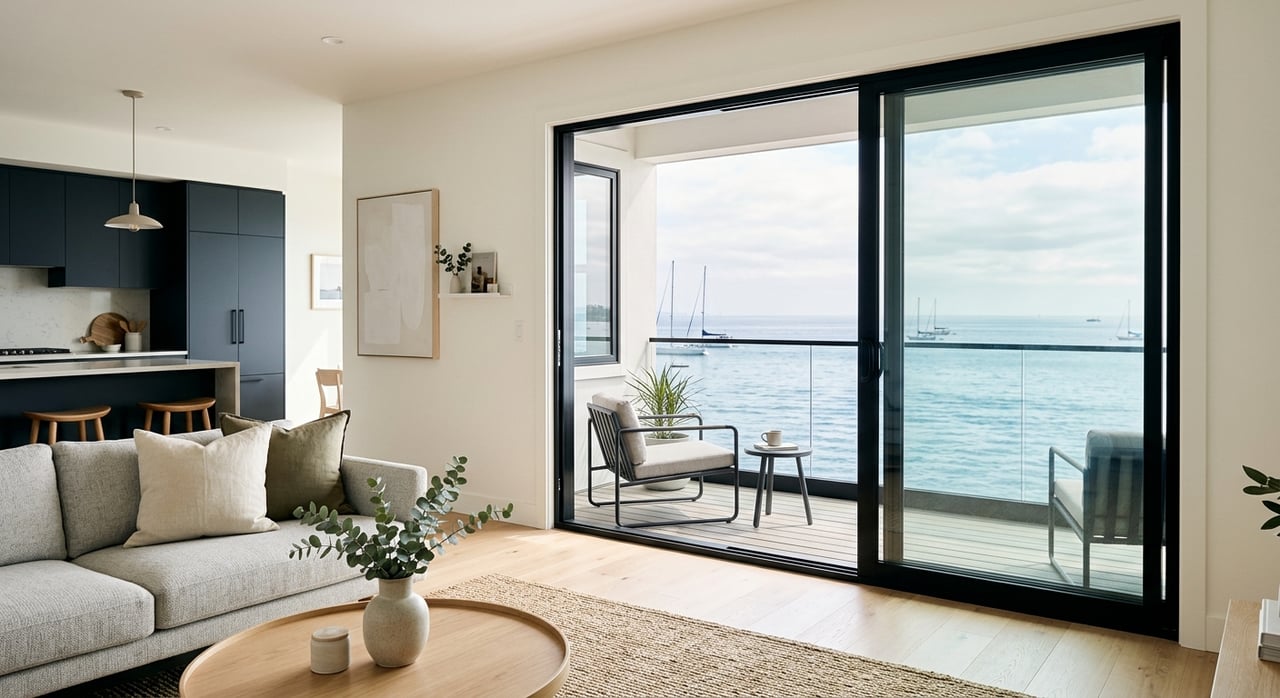
An oceanfront or near-ocean condo delivers what many buyers want most: daily ocean views, instant beach access, and walkability to dining and the harbor. The HOA handles exterior maintenance, which can simplify your to-do list.
You will likely trade for higher HOA dues, possible special assessments, and added insurance needs. Parking can be tighter and activity levels can be higher near the waterfront, especially on weekends and event days. Balance the lifestyle benefits with the true monthly cost and your time horizon.
Ready to size up a specific building or compare units along the Esplanade and near King Harbor? Get a clear plan, address-level risk checks, and a calm, data-informed process with Dennis Hartley. Let’s connect and schedule a consultation.
FAQs
What should I check first when buying a Redondo Beach oceanfront condo?
- Start with a five-point plan: confirm flood and tsunami zones by address, request the full HOA resale packet, verify financing path with your lender, order a general plus balcony-focused inspection, and confirm rental rules with both the City and the HOA.
How do HOA dues differ in Redondo’s oceanfront buildings?
- Dues often run higher where buildings have pools, elevators, or complex exteriors, and older coastal buildings may plan for balcony or waterproofing projects. Always review the budget, reserve study, and last year of meeting minutes to see what is coming.
Do I need flood insurance for an Esplanade condo?
- If the address lies in a FEMA Special Flood Hazard Area your lender may require flood coverage, and costs vary by elevation and building details. Pull the official FEMA map for the exact address and share it with your lender and insurance agent.
Are short-term rentals allowed near the Pier or King Harbor?
- Redondo Beach has long prohibited rentals of fewer than 30 days and has stepped up enforcement, and many HOAs also restrict short-term use. Confirm both city rules and your building’s CC&Rs before you count on rental income.
What makes a condo project non-warrantable and why does it matter?
- High investor ratios, low reserves, major litigation, or hotel-like operations can make a project non-warrantable, which can limit loan options and raise down payment needs. Ask your lender about warrantability for the specific building before you write an offer.
What inspections should I order for a beach condo in Redondo Beach?
- Order a general home inspection plus a building envelope or balcony specialist if there is exterior decking, and request elevator and pool service records. Ask the HOA for recent bids and timelines for any planned exterior or waterproofing work.