If you like the idea of doing more of daily life on foot, by bike, or on transit, El Segundo deserves a closer look. This is not a fully car-free city for most households, but it can support a practical car-light routine, especially if you choose the right part of town and set realistic expectations. If you are thinking about buying in El Segundo, here is how the city’s layout, transit options, and housing patterns can shape that lifestyle. Let’s dive in.
Why El Segundo works for car-light living
El Segundo has a real advantage that many South Bay cities do not: it is compact and regionally connected. The city says it has three Metro rail stations, bus service from LA Metro and Beach Cities Transit, and public-transit access that can reach downtown Los Angeles, Long Beach, Torrance, and Santa Monica in less than 30 minutes.
That said, context matters. El Segundo is also part of a broader auto-oriented region, with the 105, the 405, and Pacific Coast Highway all nearby. So the best way to think about this city is not as fully car-free, but as a place where you may be able to drive less if your home location and routine line up.
The city’s planning direction also supports that outlook. The Downtown Specific Plan update adopted in May 2024 and effective June 20, 2024 is intended to improve mobility, beautification, and streetscape connections between downtown and surrounding neighborhoods.
Downtown is the center of daily convenience
If you want a lower-car lifestyle, downtown El Segundo is the place to focus first. The Main Street District is described in the Downtown Specific Plan as a pedestrian-oriented area with retail and service uses meant to serve residents, employees, and visitors.
That matters because car-light living usually depends on having daily errands close together. When your coffee spot, basic services, and a bus stop are all within a short walk, it becomes much easier to leave the car parked.
Nearby Richmond Street also stands out. The plan notes that it is narrower, carries lighter traffic, and functions more as a local-use street, which makes it especially practical for walking and shorter bike trips.
Transit options that can reduce driving
Transit in and around El Segundo is strong enough to handle some commutes and regional trips without a personal car every day. Metro rail access in the area includes the C Line and K Line, giving residents more than one way to connect into the larger county transit system.
A major upgrade came with the opening of the LAX/Metro Transit Center on June 6, 2025. Metro says the station offers direct rail access, plus a free airport shuttle running about every 10 minutes to all LAX terminals.
For anyone who travels often or works near the airport, that is a meaningful quality-of-life benefit. It creates an easier connection between El Segundo and one of the region’s biggest job and travel hubs.
Bus service adds more flexibility. Metro identifies several routes serving the airport area, including Lines 102, 111, 117, 120, and 232, and the transit center is also served by Beach Cities Transit, Torrance Transit, GTrans, Big Blue Bus, and Culver CityBus.
For local and cross-county trips, two routes are especially useful in the El Segundo conversation:
- Metro Line 125 runs from El Segundo to Norwalk Station via Rosecrans Avenue
- Metro Line 232 runs from Long Beach to the LAX/Metro Transit Center via Sepulveda Boulevard and Pacific Coast Highway
Those routes help cover both east-west and north-south travel. If your work, errands, or airport runs fit along those corridors, a car-light setup becomes much more workable.
Metro fare is also simple enough to support mixed-mode trips. At $1.75 with two hours of free transfers, rail-and-bus chaining can be practical for households trying to cut down on driving.
Biking can play a real role
In El Segundo, biking is not just recreational. For short trips, it can be part of your weekly routine.
The city’s 2020 bike-route work added 4.9 miles of Class III routes on streets including Main Street, Nash Street, El Segundo Boulevard, Grand Avenue, Loma Vista, and Utah Avenue. More recently, the El Segundo Boulevard Improvement Project added more than four miles of Class II, Class III, and Class IV bicycle facilities.
Those improvements were paired with ADA ramps, sidewalk repairs, and pedestrian-crossing upgrades. That combination matters because safer crossings and better sidewalks help walkers and cyclists at the same time.
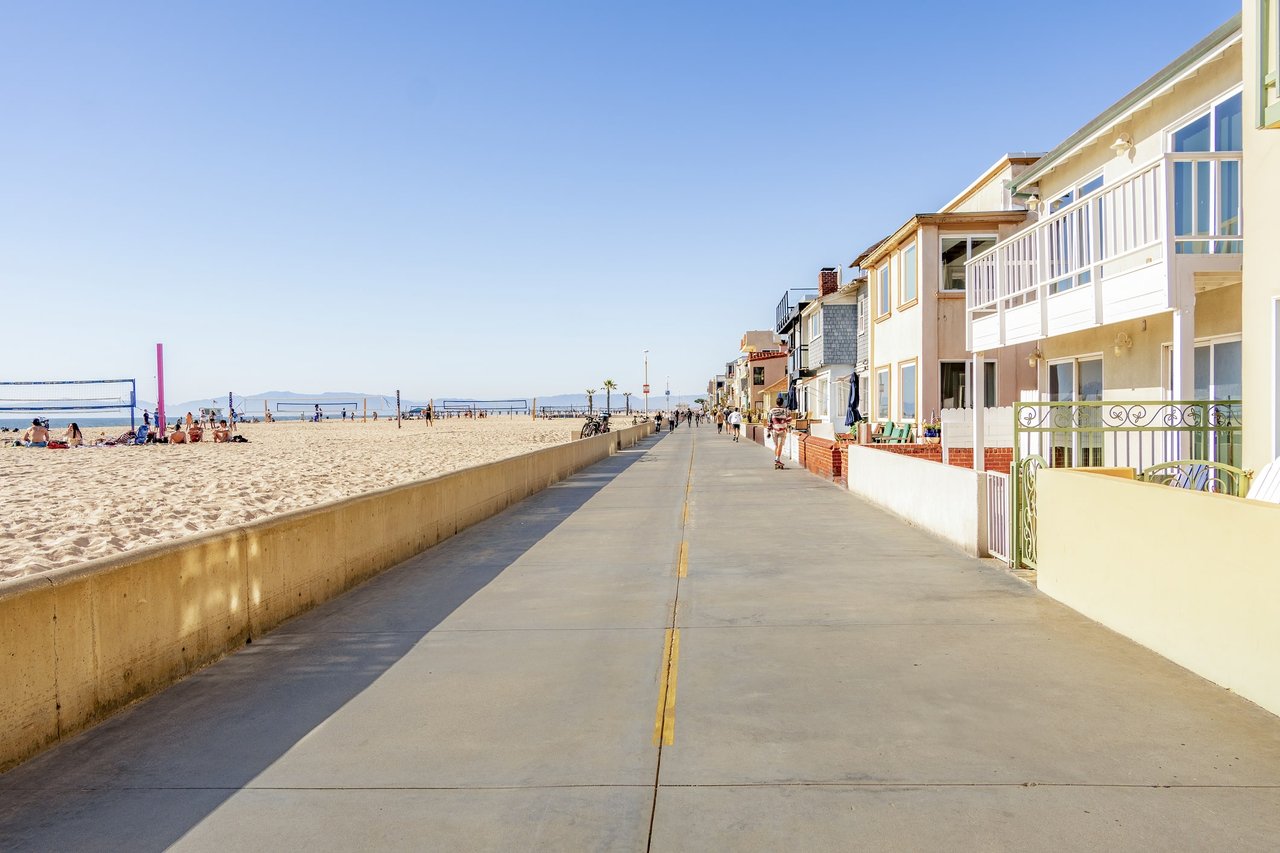
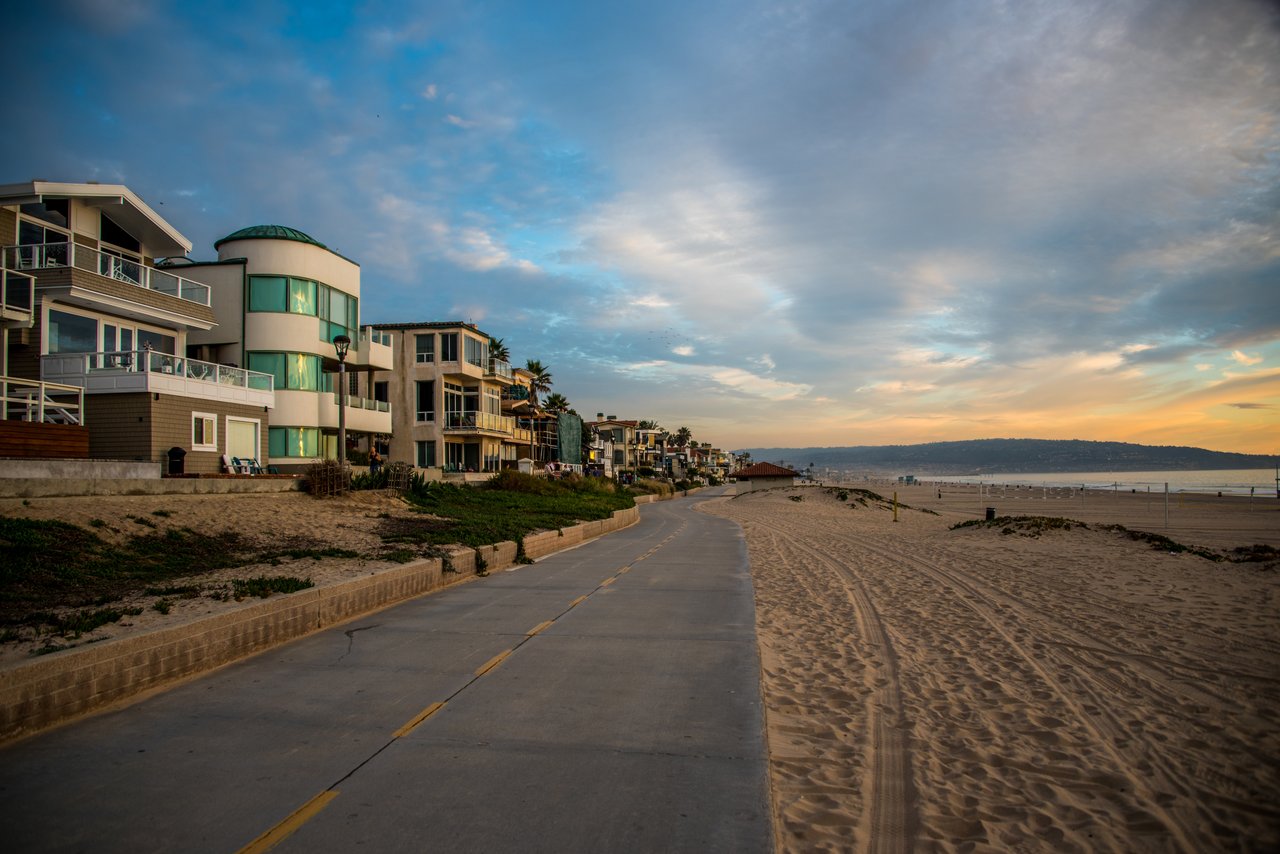
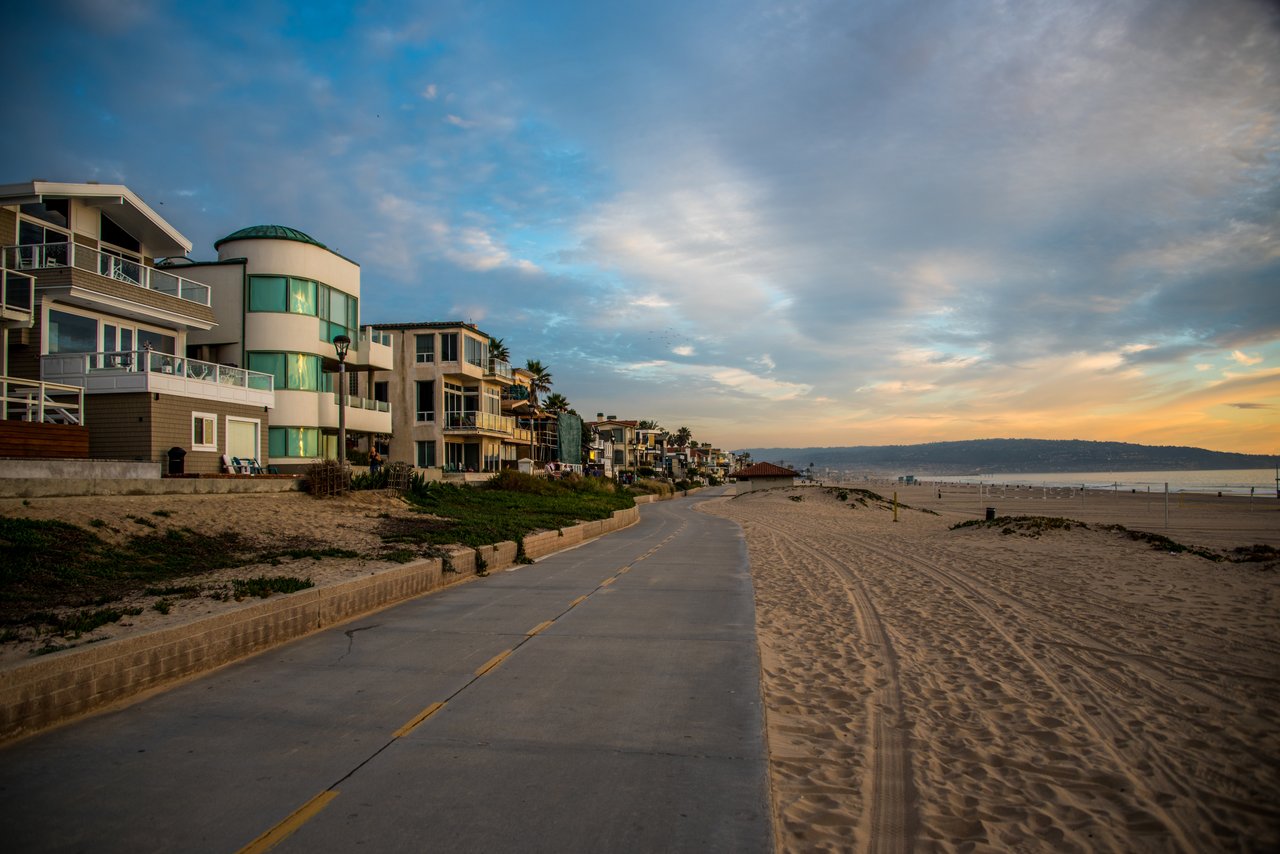
For coastal access, the Marvin Braude Bike Trail is another plus. This 22-mile paved path runs along the shoreline between Will Rogers State Beach and Torrance Beach, giving you a long regional route for beach access and recreation.
The best housing areas for a car-light routine
Not every part of El Segundo supports the same lifestyle equally. If reducing car use is a goal, your home search should be focused rather than broad.
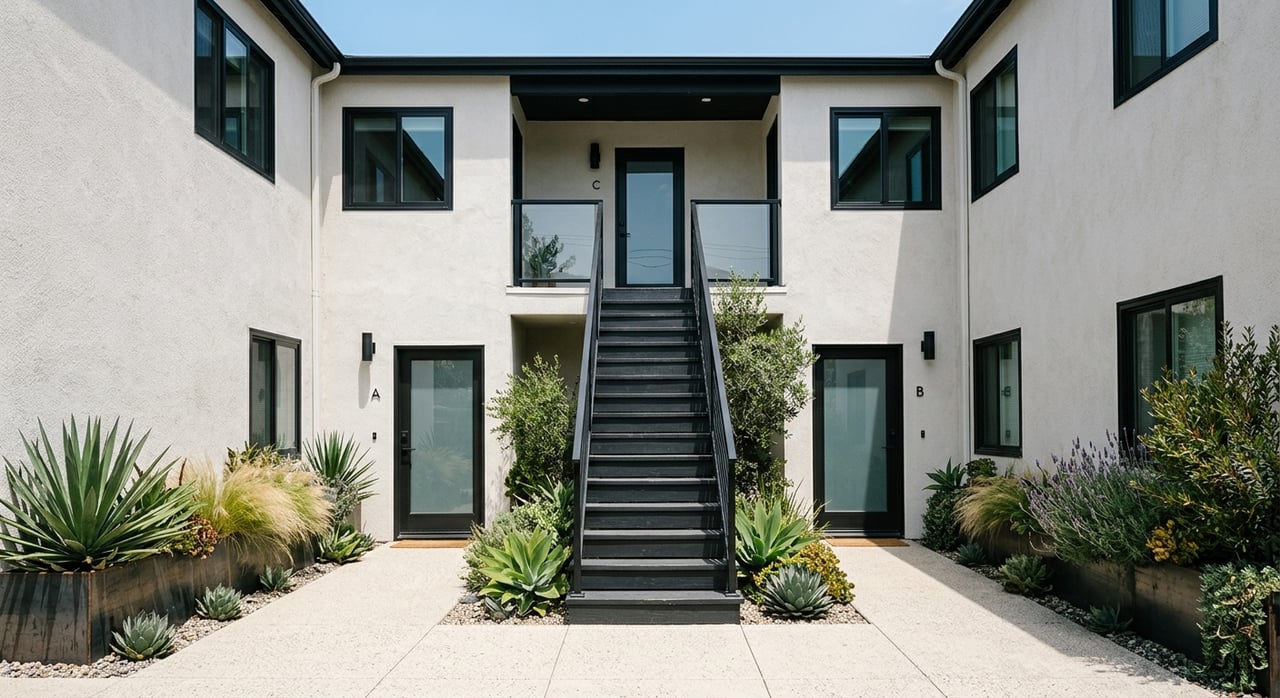
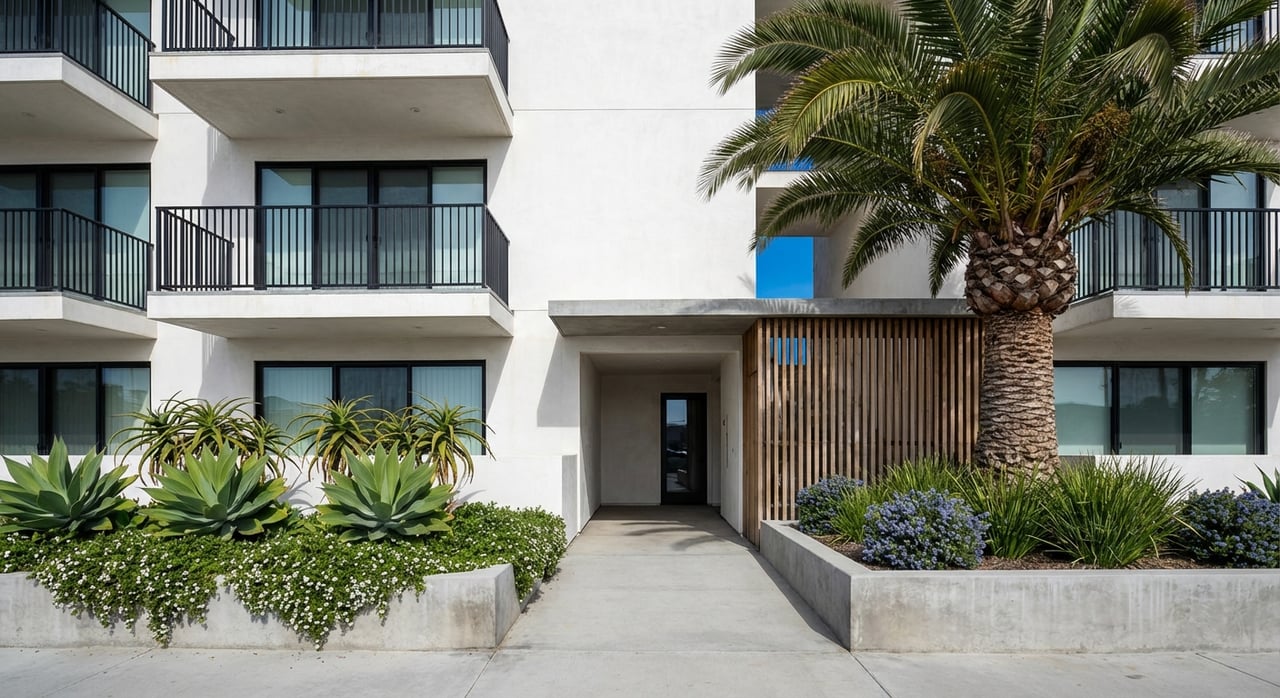
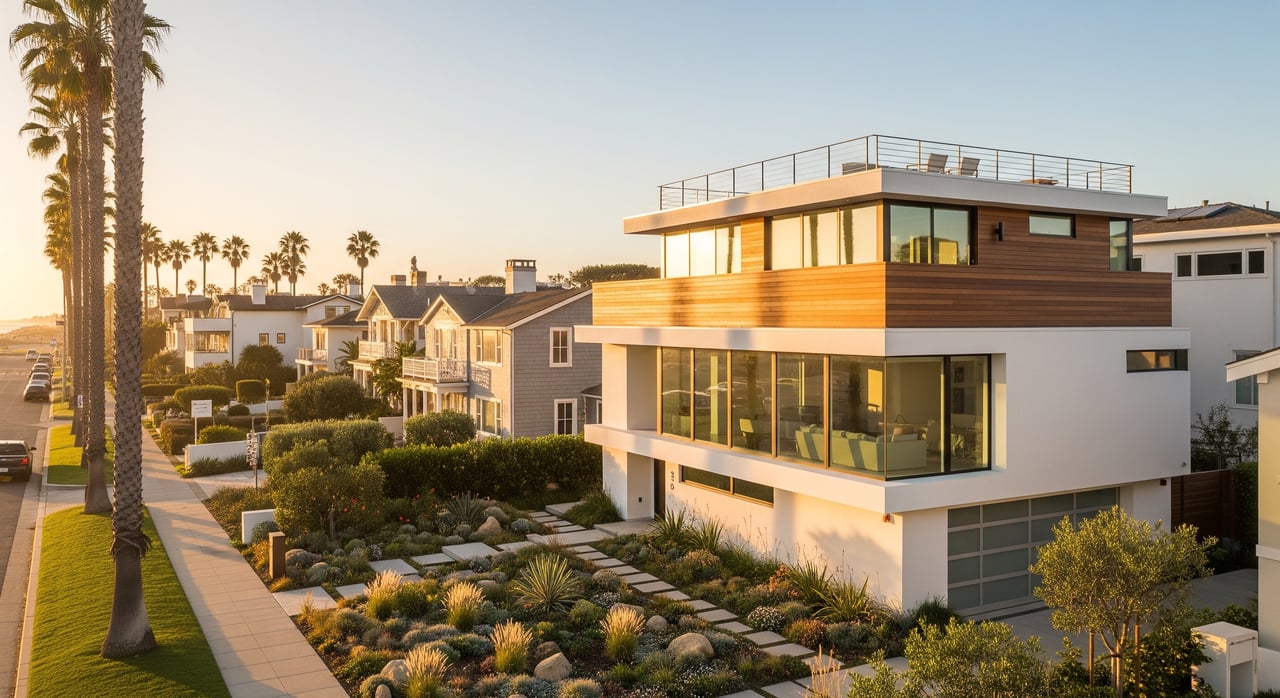
Based on the city’s planning documents, the most car-light-friendly housing is concentrated near downtown. The plan area sits in the northwest quadrant of the city and is surrounded by residential streets that include duplexes, two-family dwellings, small apartment buildings, condominiums, and single-family neighborhoods beyond them.
That mix matters because housing near a commercial core tends to support easier walking access to errands and transit. In practical terms, the most useful search area is often around Main Street, Richmond Street, Standard Street, Concord Street, Virginia Street, and the nearby downtown-adjacent grid.
The city describes the 300 block of Main Street and nearby east-side and west-side blocks as being bordered by R-2 and R-3 residential areas. It also describes the North Richmond Street District as a mix of retail, residential, church, office, and service uses.
For buyers, that usually means a wider range of home types that may fit a car-light routine, including:
- Condos
- Townhomes
- Small multifamily buildings
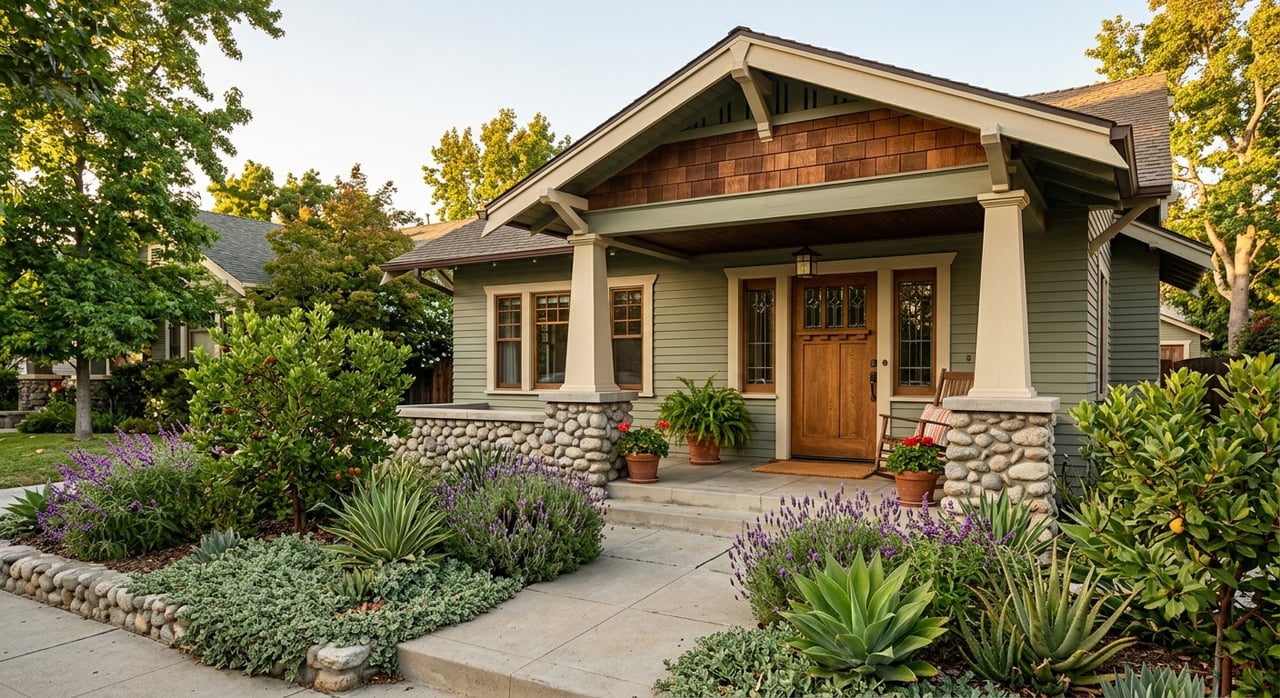
- Older detached homes near downtown services
If your goal is to walk to basic errands, grab transit more easily, and keep daily driving to a minimum, these downtown-adjacent blocks are generally the strongest fit.
Everyday destinations matter more than miles
A car-light lifestyle is not just about transit maps. It is also about whether your regular destinations are close enough to reach without much planning.
Downtown-adjacent El Segundo has an advantage here too. The Downtown Specific Plan notes that El Segundo High School, the Library, and Library Park are north of the specific plan area on Main Street.
That does not make every trip walkable, but it does create a more convenient daily pattern for some households. When civic destinations, open space, and downtown services are clustered together, it becomes easier to handle parts of the day without getting in the car.
Beach access adds flexibility
For many buyers, beach access is part of the appeal of living in El Segundo. The city’s seasonal Beach Shuttle helps make that easier without needing to drive and park every time.
The shuttle runs a continuous loop through residential El Segundo to El Porto Beach. Pickup points include Main Street and Imperial Avenue, Richmond Street and Grand Avenue, Virginia Street and Grand Avenue, Sheldon Street and Imperial Avenue, Center Street and Mariposa Avenue, and Eucalyptus Drive and Holly Avenue.
That kind of service is especially helpful on weekends or warmer summer days. It gives residents another option for local leisure trips, which is often where car-light habits either stick or fall apart.
Who this lifestyle fits best
Car-light living in El Segundo can work especially well for professionals who work near LAX or in the aerospace corridor. The city identifies major employers such as Boeing, Chevron, L’Oreal, Mattel, Raytheon, and Los Angeles Air Force Base, and El Segundo Boulevard serves as a major east-west corridor with commercial properties and aerospace campuses.
If you can live near downtown and work nearby, your daily routine may be much less car-dependent than in other parts of the South Bay. That is one of El Segundo’s strongest practical advantages.
For households focused on lifestyle, the appeal is a little different. You may value the compact downtown, beach access, bike routes, and civic destinations that are closer together than they are in many neighboring areas.
The tradeoffs to keep in mind
The smart way to approach El Segundo is with balance. It offers real tools for driving less, but it is still part of greater Los Angeles.
Most households will still want occasional access to a car, rideshare, or transit for larger errands, regional trips, or destinations that fall outside the downtown core. Some parts of the city are also less naturally walkable for everyday use, especially industrial and parking-heavy edges east of Main Street and farther south.
That is why location choice matters so much. If living car-light is a priority, the difference between being near downtown and being farther from it can shape your day-to-day experience in a big way.
What to look for when buying
If you are shopping for a home in El Segundo with a lower-car lifestyle in mind, focus on the practical details that affect your week.
Here are a few smart questions to ask as you narrow your search:
- How easily can you walk to Main Street services?
- How close are you to bus routes or rail connections you would actually use?
- Can you bike comfortably to errands, downtown, or the beach?
- Are your most common destinations local, airport-related, or regional?
- Would your household still want one car for flexibility, even if you drive less often?
Those answers will tell you more than a simple map radius ever could. In El Segundo, car-light living is very possible for the right buyer, but it works best when your home location matches your real routine.
If you want help identifying which El Segundo blocks best fit your lifestyle, commute, and budget, Dennis Hartley can help you sort through the tradeoffs and focus on the homes that make everyday life easier.
FAQs
Is El Segundo a good city for car-light living?
- Yes. El Segundo can support a car-light routine, especially near downtown, with access to Metro rail, bus service, bike routes, and a compact Main Street area.
Which part of El Segundo is best for walking and transit access?
- The downtown area around Main Street, Richmond Street, and nearby residential blocks is generally the most practical area for walking to services and accessing transit.
Can you commute from El Segundo without driving every day?
- In some cases, yes. Metro rail access, bus routes, and the LAX/Metro Transit Center can make some work and airport-related trips possible without a personal car every day.
Is El Segundo realistic for fully car-free living?
- For most households, a fully car-free lifestyle is less realistic than a car-light one. Many residents will still want occasional access to a car, rideshare, or transit for larger errands and regional trips.
What home types in El Segundo fit a car-light lifestyle?
- Downtown-adjacent condos, townhomes, small multifamily properties, and some older detached homes may be the best fit because they are closer to services, transit, and everyday destinations.
Does El Segundo have bike infrastructure for daily use?
- Yes. The city has added bike routes and bicycle facilities on key streets, and the Marvin Braude Bike Trail provides a long paved coastal route for beach access and recreation.