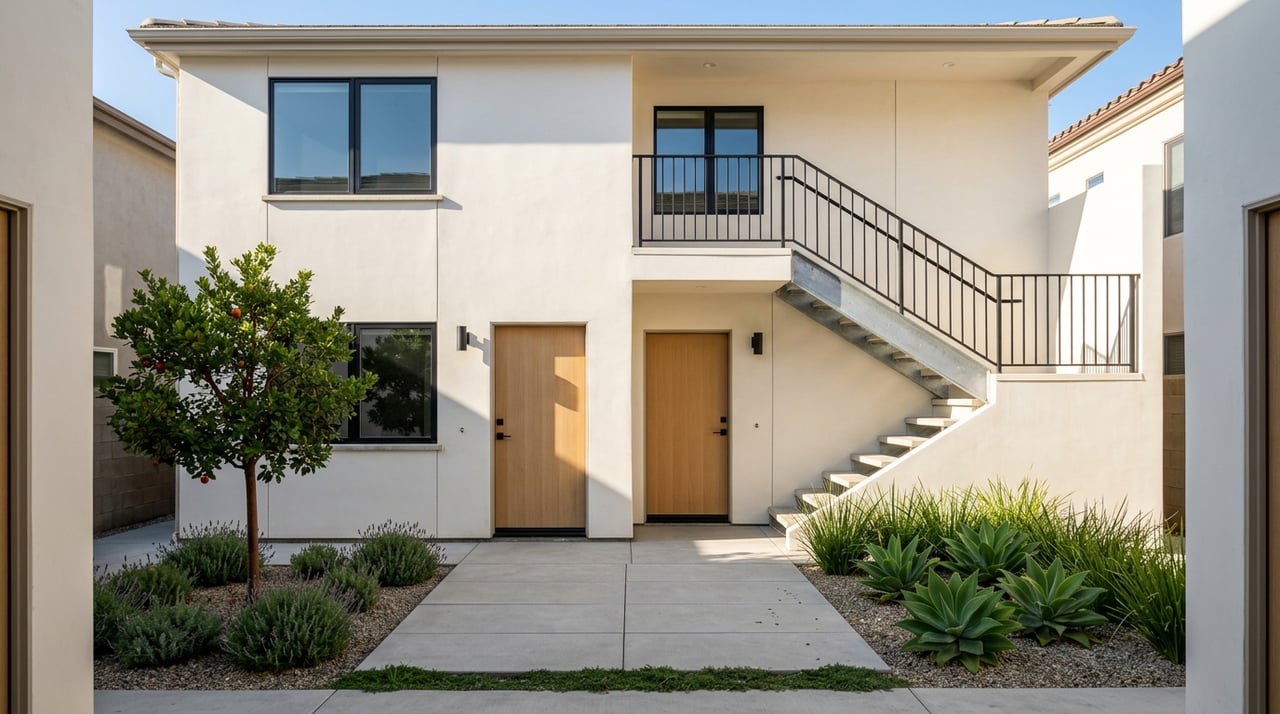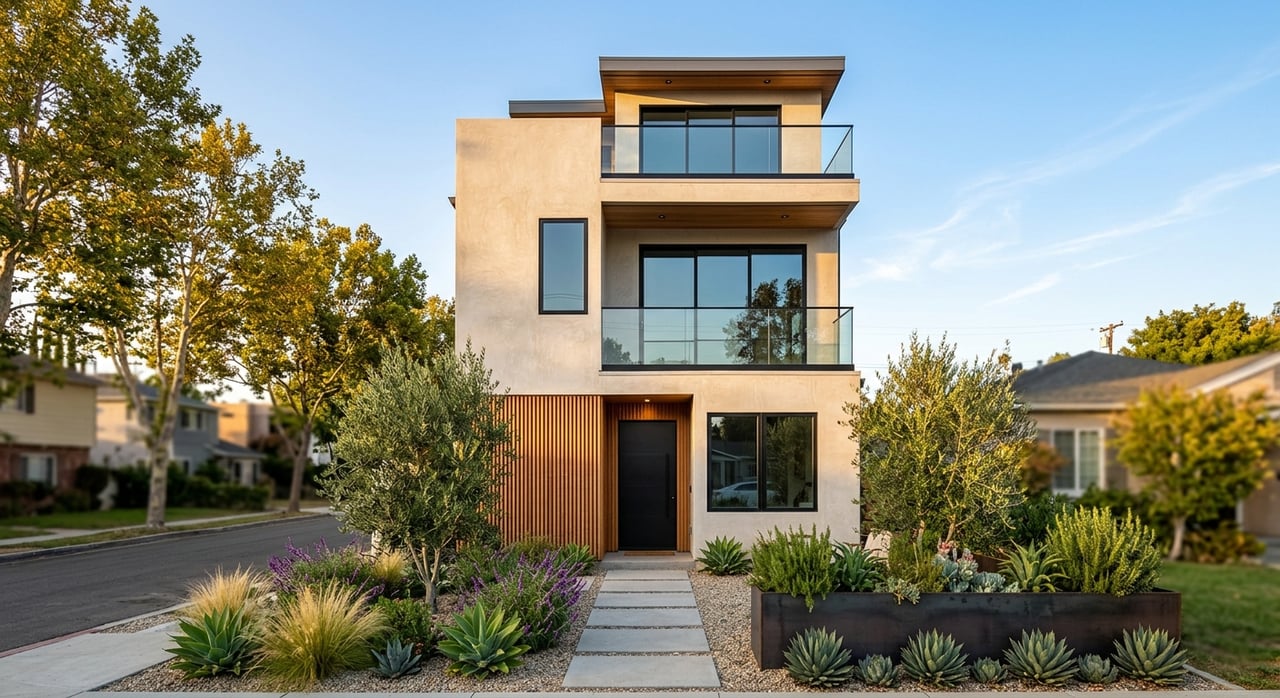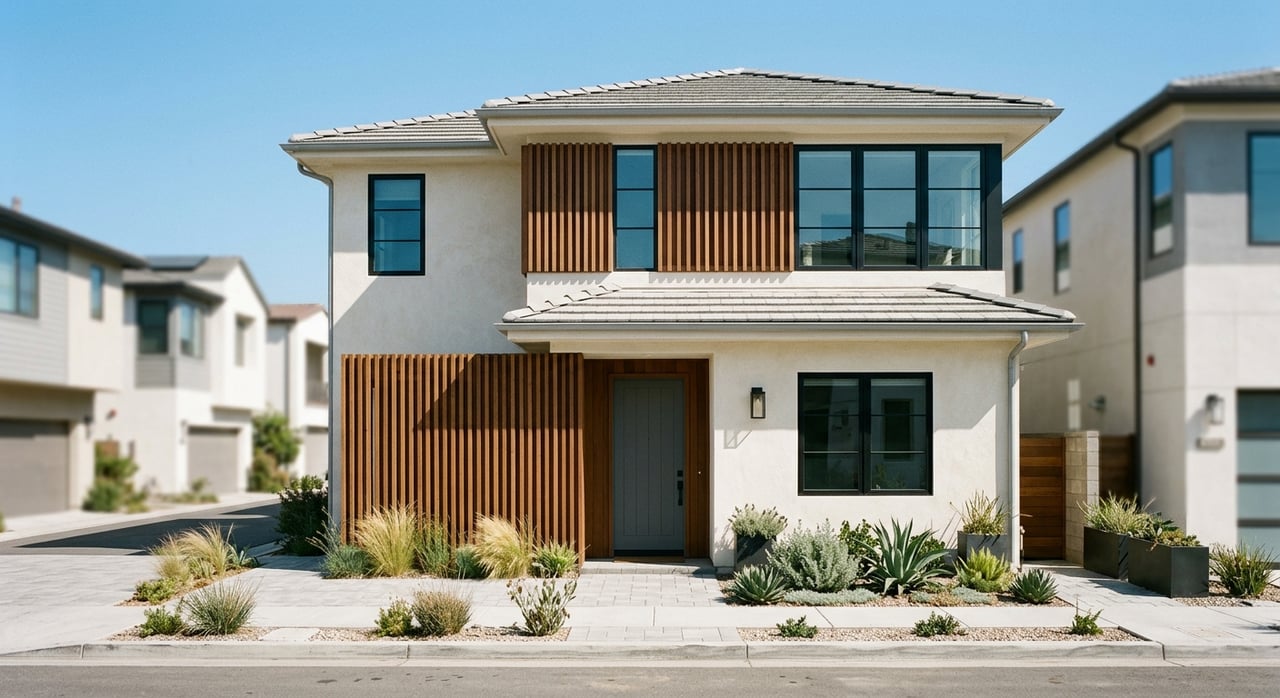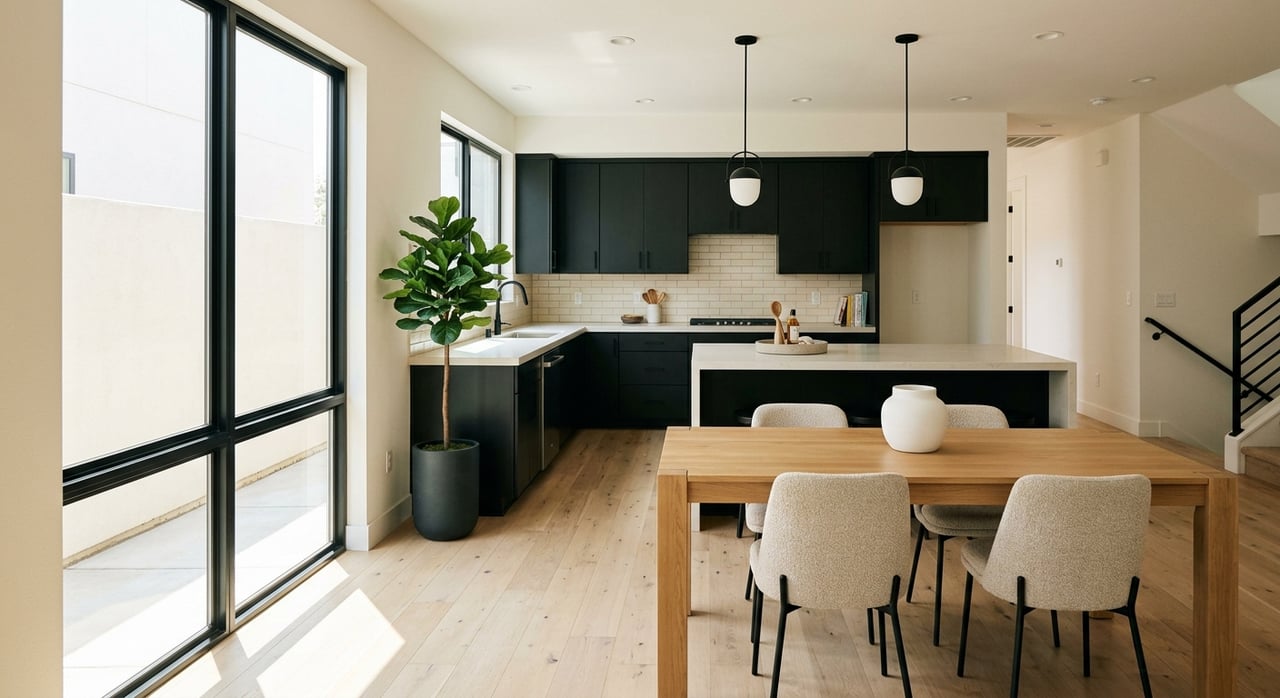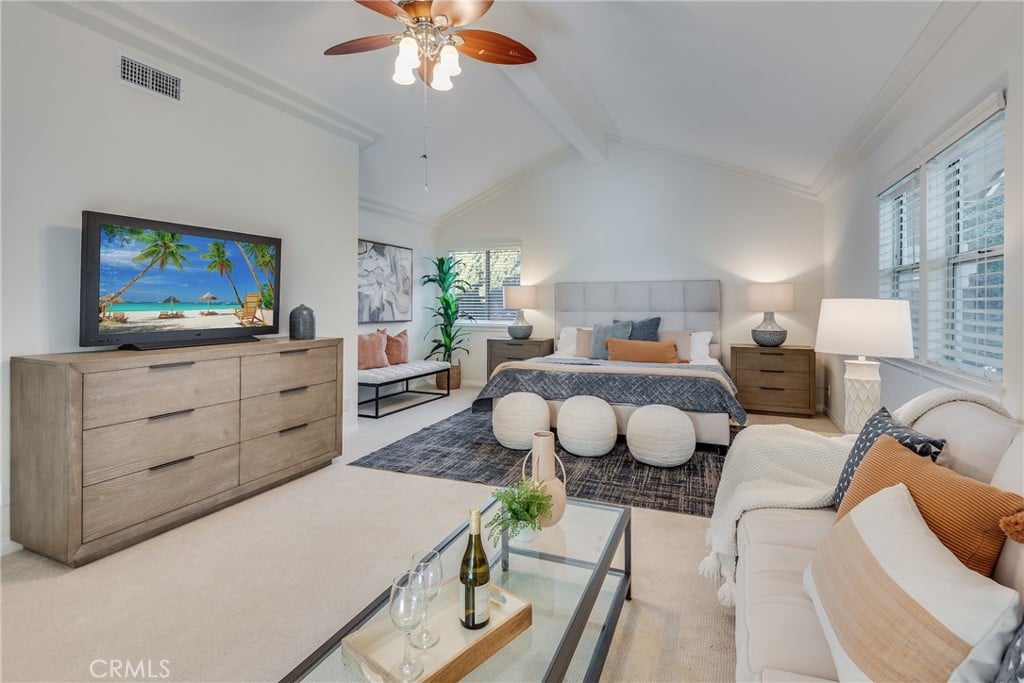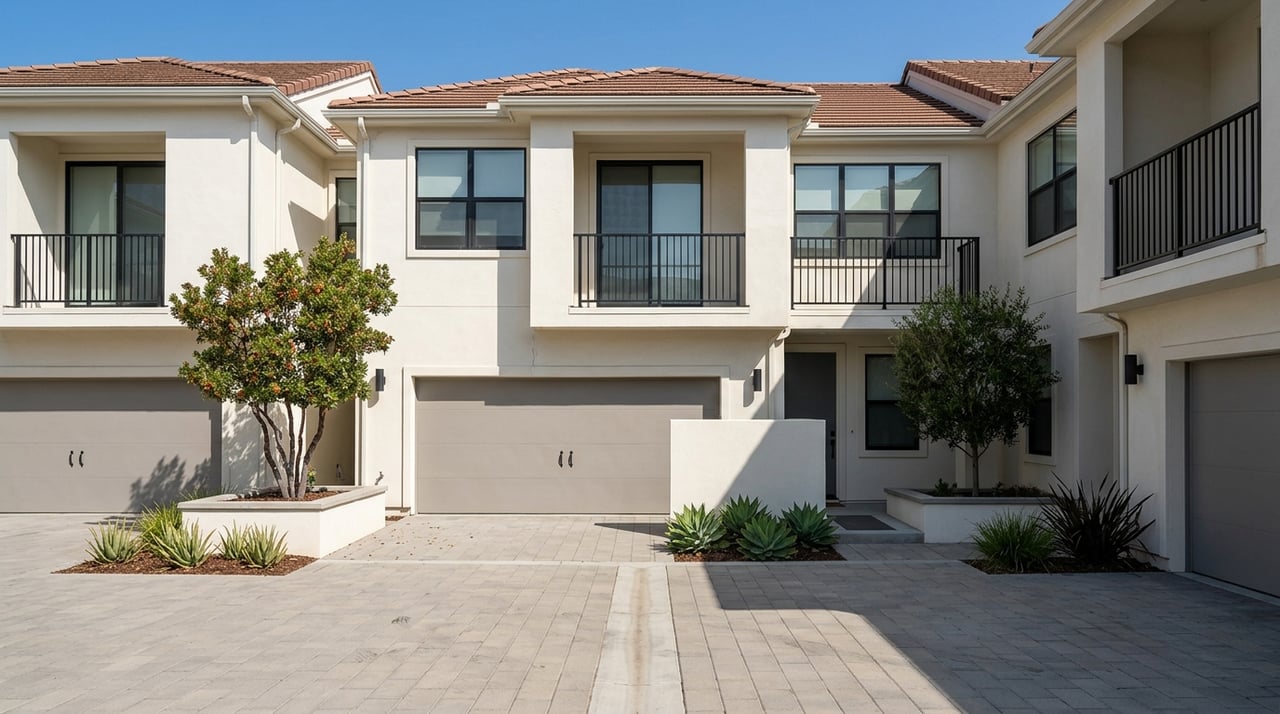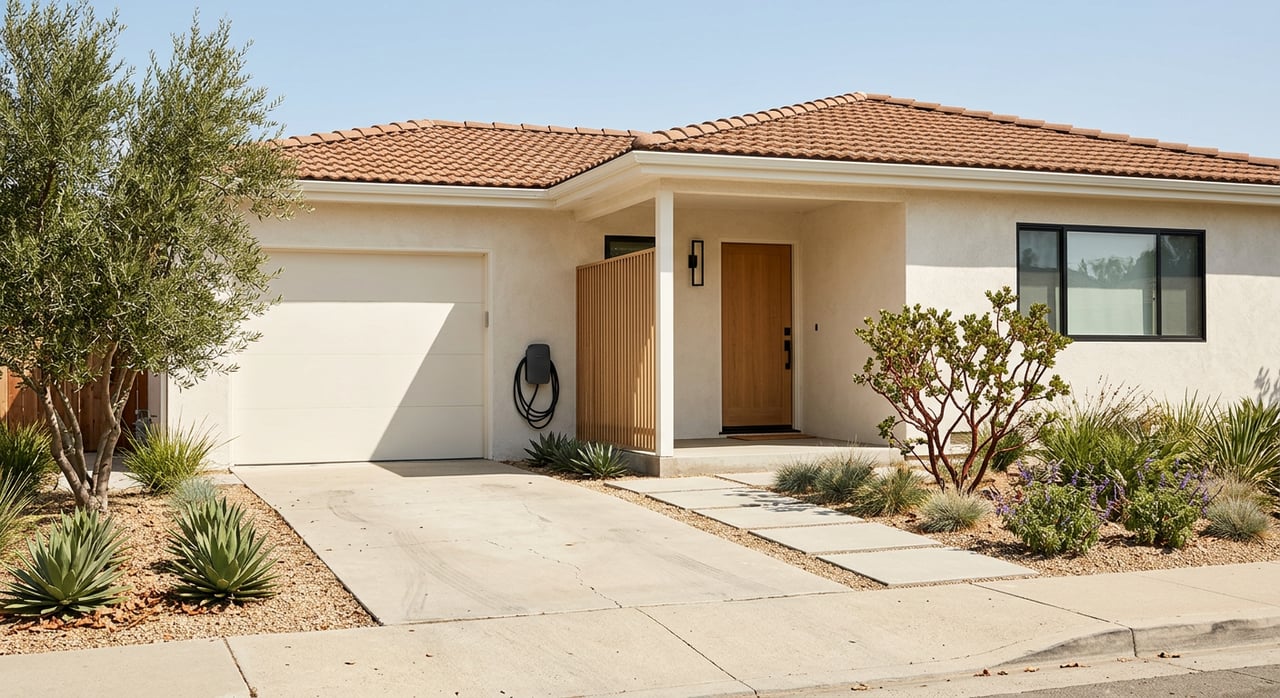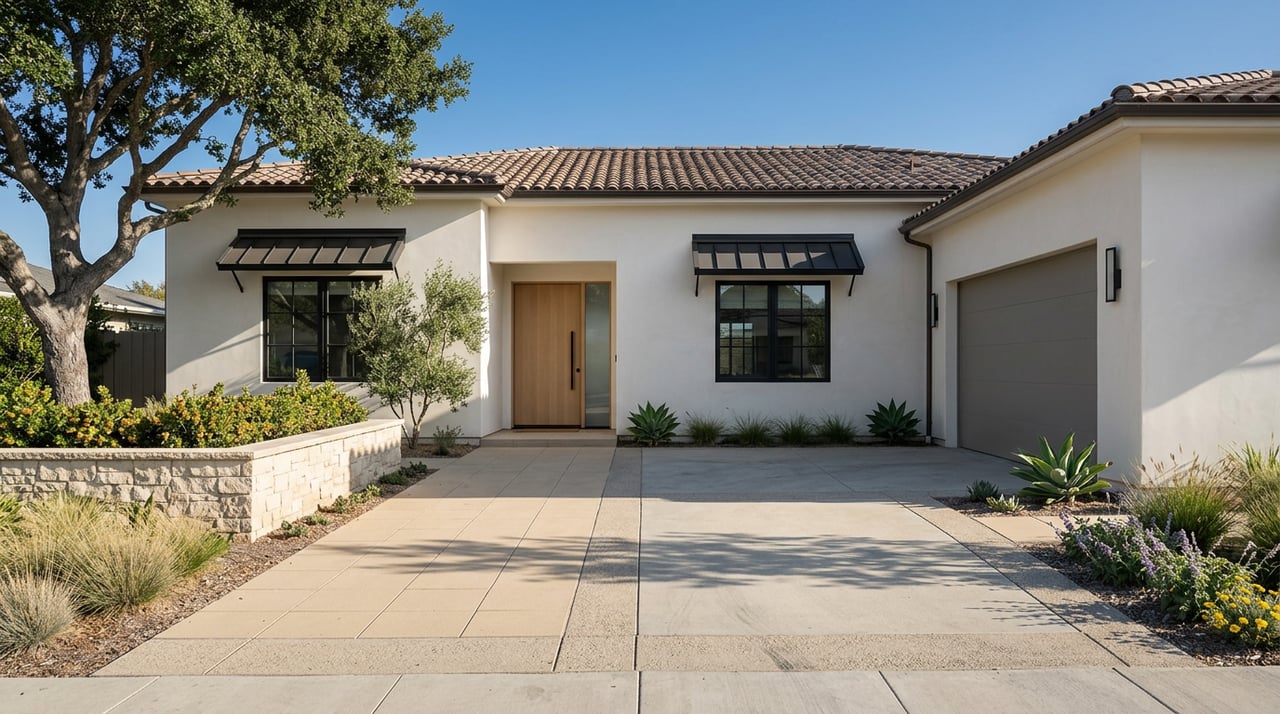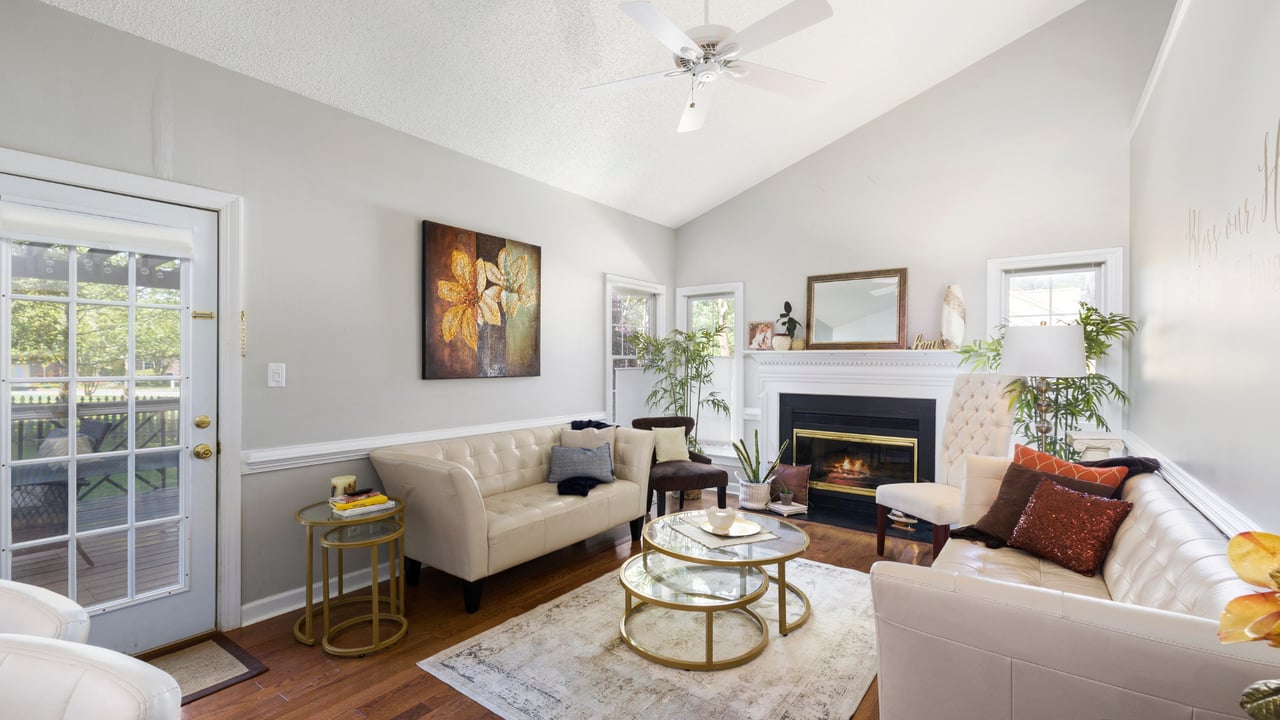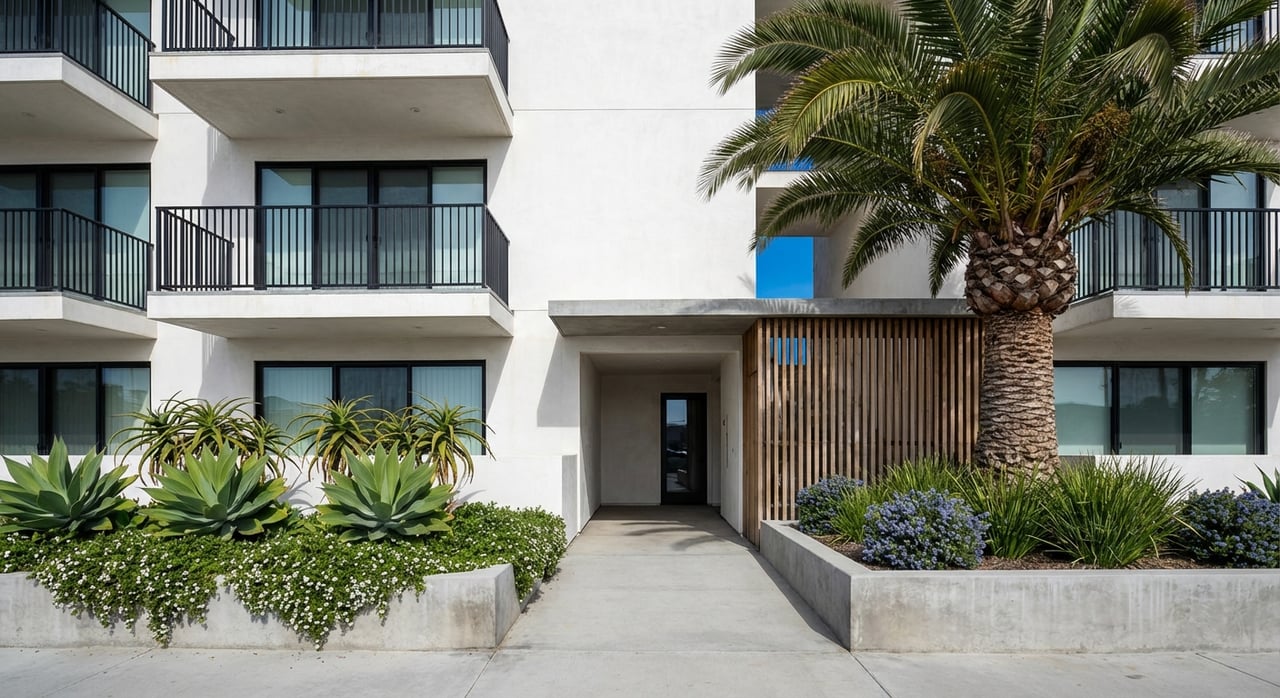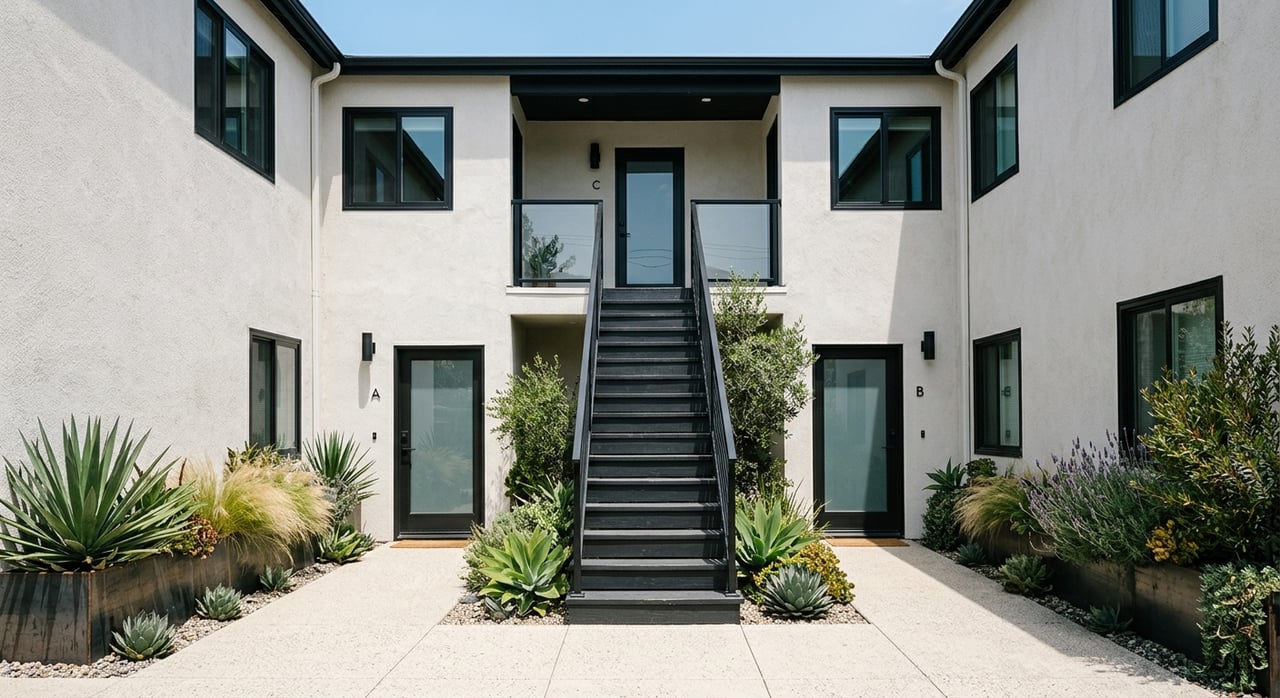
Wondering whether a duplex, triplex, or fourplex in Gardena could help you live more affordably while building long-term equity? You are not alone. For many buyers, a small multifamily property offers a practical middle ground between buying a single-family home and taking on a larger investment property. In Gardena, that decision comes with real opportunity, but also real homework. This guide will help you understand where a small multifamily purchase may make sense, what to verify before you buy, and how to think about financing, zoning, and local rental rules. Let’s dive in.
Why Gardena draws small multifamily buyers
Gardena sits in a central part of the South Bay and Los Angeles County. The city covers about 5.9 square miles and is roughly 13 miles south of Downtown Los Angeles. According to the city, Gardena connects to major freeways, LAX, and the ports of Los Angeles and Long Beach, which makes it relevant for commuters and relocating professionals who want access in multiple directions.
That central location matters if you are considering a live-in investment. Gardena also reports 2,529 businesses in the city, which adds to its appeal as a place where renters may value convenience and connectivity. If your goal is to live in one unit and rent the others, that mix of access and employment base is part of what makes Gardena worth a close look.
The current housing profile also helps explain the interest. Census QuickFacts show a 2024 population estimate of 58,921, 20,822 households, a median gross rent of $1,809, and an owner-occupied housing rate of 48.8%. Gardena’s Housing Element also notes a Regional Housing Needs Allocation of 5,735 units, which keeps infill housing and housing supply active topics in the city.
When a small multifamily property makes sense
A small multifamily property is often most attractive when you want both a place to live and a way to offset your monthly housing cost. If you plan to occupy one unit, the rental income from the others may help support your budget while you build equity over time. That setup can be especially appealing if you are relocating to the South Bay and want flexibility.
It can also make sense if you are comfortable with the day-to-day realities of owning rental property. Even a duplex requires attention to leases, notices, maintenance, and documentation. If you want a hands-off experience, a small multifamily property may feel more active than you expect.
In Gardena specifically, this type of purchase tends to fit buyers who value location and practicality. It is a stronger match for someone who wants a central South Bay base and is prepared to do careful due diligence. It is usually less ideal for someone looking for a fully passive investment with minimal involvement.
Owner-occupants may have the clearest path
If you plan to live in one of the units, financing may be more accessible than many buyers assume. HUD states that FHA financing is available for 1- to 4-unit properties, with down payments as low as 3.5% for eligible borrowers. That can open the door for buyers who want to enter the market with a duplex, triplex, or fourplex rather than a single-unit home.
Freddie Mac also states that it offers mortgages for 2- to 4-unit owner-occupied primary residences. It notes that rental income from the other units may be added to your income for debt-to-income calculations. That can make a meaningful difference if the numbers are close.
At the same time, it is important to know the limits. Fannie Mae’s rental income guidance says the income from the unit you occupy generally cannot be used to qualify for a two- to four-unit principal residence. For the other units, lenders typically need documentation such as leases, an appraisal rent estimate, or other accepted records.
The big takeaway is simple: if you want a small multifamily property in Gardena, living in one unit may give you the most workable financing path. It will not remove the need for a strong application and clean documentation, but it often creates more options than a purely investor purchase.
Zoning matters more than many buyers expect
One of the biggest mistakes buyers make is assuming a property can be changed or expanded just because it is already multifamily. In Gardena, zoning and legal unit count matter. The city’s zoning summary states that R-2 permits 2-unit dwellings, while R-3 allows R-1 and R-2 uses plus multiple-unit dwellings.
The same zoning summary says multifamily uses are permitted in R-2, R-3, R-4, MUO, and C-R zones. It also states that accessory dwelling units are permitted in all residential zones and in C-R and MU when residential use exists. Those details are important if you are thinking beyond the current layout.
A current duplex or fourplex may be straightforward as an existing use, but that does not mean adding units or converting space will be simple. Gardena’s Housing Element says new multifamily developments of four or more units require site plan review, and some corridor projects or discretionary permits may involve added review as well. If your plan includes expansion or repositioning, you need to investigate that before you write the offer, not after closing.
What to verify before you buy
Before you move forward on a small multifamily property in Gardena, focus on the basics first. A good-looking building is not enough if the paperwork and use history do not line up. This is one of those property types where details can change the value quickly.
Here are some of the most important items to confirm:
- Legal unit count
- Current zoning and permitted use
- Off-street parking configuration
- Existing leases and rent amounts
- Whether the seller has provided complete tenant and property records
- Whether your intended use matches the zoning and current improvements
Parking deserves special attention. Gardena’s zoning summary shows that parking standards vary by zone and unit type. If parking is limited or nonconforming, that could affect both usability and future plans.
Leases matter too. If units are occupied, you need to understand rent levels, lease terms, deposit records, and notice history. For an owner-occupant, this is not just an investment question. It affects your move-in timing, your cash flow, and your compliance responsibilities from day one.
Local rent rules are part of the decision
If you are considering a rental property in Gardena, local compliance is not optional. The city has its own Residential Rent Mediation and Hearings chapter. Gardena states that owners of residential rental units must provide the Rent Mediation and Hearing Procedures booklet to each unit and to new tenants.
The city also states that notice periods for rent increases are currently 30 days for increases of 10% or less and 90 days for increases above 10%. In addition, increases over 5% must include notice of the tenant’s right to mediation or hearing. Those requirements are a meaningful part of ownership and should be built into how you plan to manage the property.
California law also applies. The California Attorney General states that most properties in the state that are more than 15 years old are covered by the statewide rent cap of 5% plus inflation, or 10% total, whichever is lower. The Civil Code also includes exemptions, including housing with a certificate of occupancy issued within the previous 15 years.
For duplex buyers, one detail can be especially important. The Civil Code exempts certain owner-occupied two-unit structures from just-cause rules. If you are planning to live on-site in a duplex, that is one of several reasons to review the specific facts of the property carefully.
Property management should be part of your plan
Even if the numbers look solid, ownership works best when your management plan is realistic. Some buyers are comfortable handling notices, maintenance coordination, and tenant communication themselves. Others prefer professional management so the property runs more smoothly and consistently.
Neither approach is automatically right or wrong. What matters is that you go in with clear expectations. A small multifamily property can help you build wealth over time, but it still requires process, recordkeeping, and attention to local rules.
Gardena also offers fair housing support through the Fair Housing Foundation, including landlord and tenant counseling, complaint intake, and investigation. That is a reminder that good management is not just about collecting rent. It also means using fair, consistent practices and keeping documentation organized if questions arise.
A practical way to decide
If you are trying to figure out whether this property type fits your goals, ask yourself a few straightforward questions. Your answers will usually point you in the right direction.
Questions worth asking yourself
- Do you want to live in one unit, or are you looking for a fully investment-focused purchase?
- Are you comfortable reviewing leases, notices, and operating details?
- Do you want monthly income support, or do you prefer a simpler ownership experience?
- Are you considering future changes to the property that would require zoning or planning review?
- Would you rather self-manage, or would you want outside property management?
If your answers lean toward owner-occupancy, long-term hold, and careful due diligence, a Gardena duplex, triplex, or fourplex may be a strong fit. If you want something fully passive or easy to alter after purchase, it may not be the best match.
The bottom line on Gardena small multifamily properties
A small multifamily property in Gardena can be a smart option if you want a central South Bay location and a practical way to combine homeownership with rental income. The city’s location, business base, and housing profile support that appeal. For many buyers, the strongest version of the strategy is living in one unit while renting the others.
The tradeoff is that this path rewards preparation. You need to verify zoning, legal unit count, parking, leases, and local compliance requirements before you commit. If you take that process seriously, a Gardena duplex, triplex, or fourplex can offer both flexibility and long-term value.
If you are weighing a small multifamily purchase in Gardena and want calm, local guidance on the numbers, due diligence, and fit for your goals, Dennis Hartley is here to help.
FAQs
Is a duplex in Gardena a good option for an owner-occupant?
- It can be, especially if you want to live in one unit and use rent from the other unit to help with monthly costs. Owner-occupied financing may also be more accessible for 1- to 4-unit properties.
What should you verify before buying a Gardena triplex or fourplex?
- You should confirm the legal unit count, zoning, off-street parking, current leases, and whether your intended use matches what the property legally allows.
Can you use rental income to qualify for a Gardena small multifamily loan?
- In many cases, yes. Freddie Mac says rental income from the other units in an owner-occupied 2- to 4-unit property may be added to your income, but lenders typically require documentation.
Do Gardena rental properties have local rent rules?
- Yes. Gardena has its own Residential Rent Mediation and Hearings rules, including booklet delivery requirements and specific notice standards for certain rent increases.
Does zoning affect future plans for a Gardena multifamily property?
- Yes. Existing use does not automatically mean future additions or conversions will be allowed. Zoning district, legal unit count, parking, and site plan review requirements can all affect what you can do next.