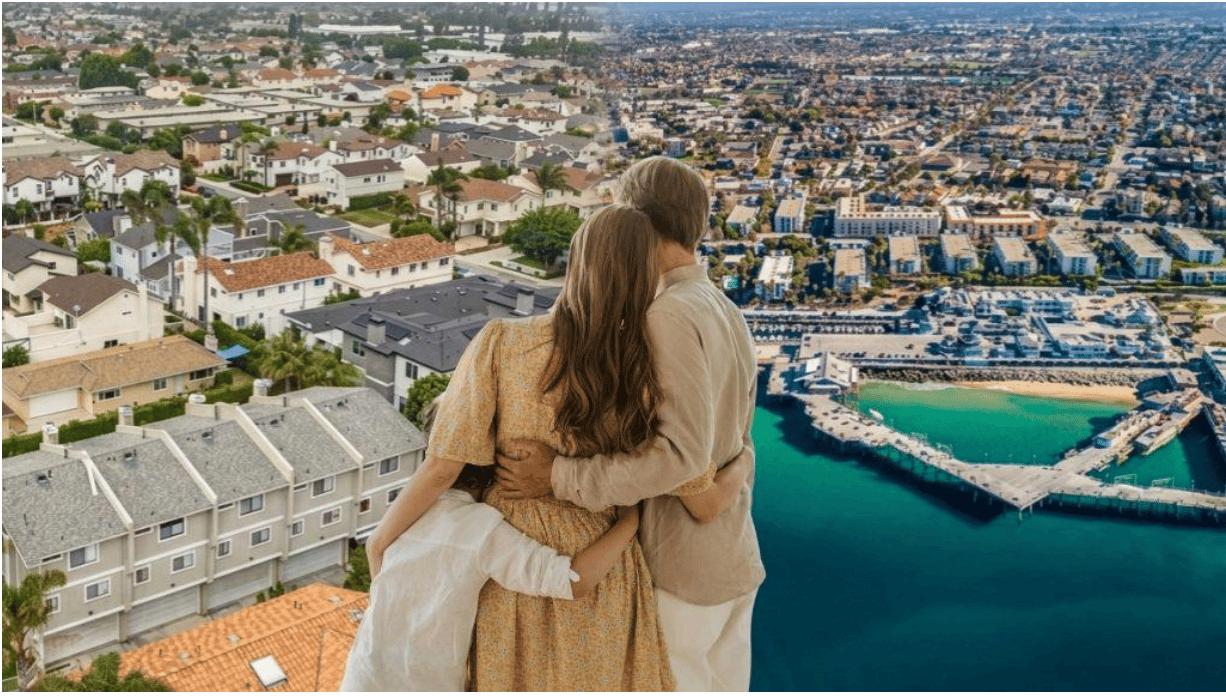
If you have been watching San Pedro’s waterfront evolve, you may be wondering whether all this new investment could eventually show up in local home values. That is a fair question, especially when a neighborhood is gaining new public spaces, dining, entertainment, and access improvements over several years instead of all at once. The short answer is that San Pedro’s waterfront revival could support nearby home values over time, but the effect is more likely to be gradual, local, and uneven than instant or market-wide. Let’s dive in.
What’s changing on San Pedro’s waterfront
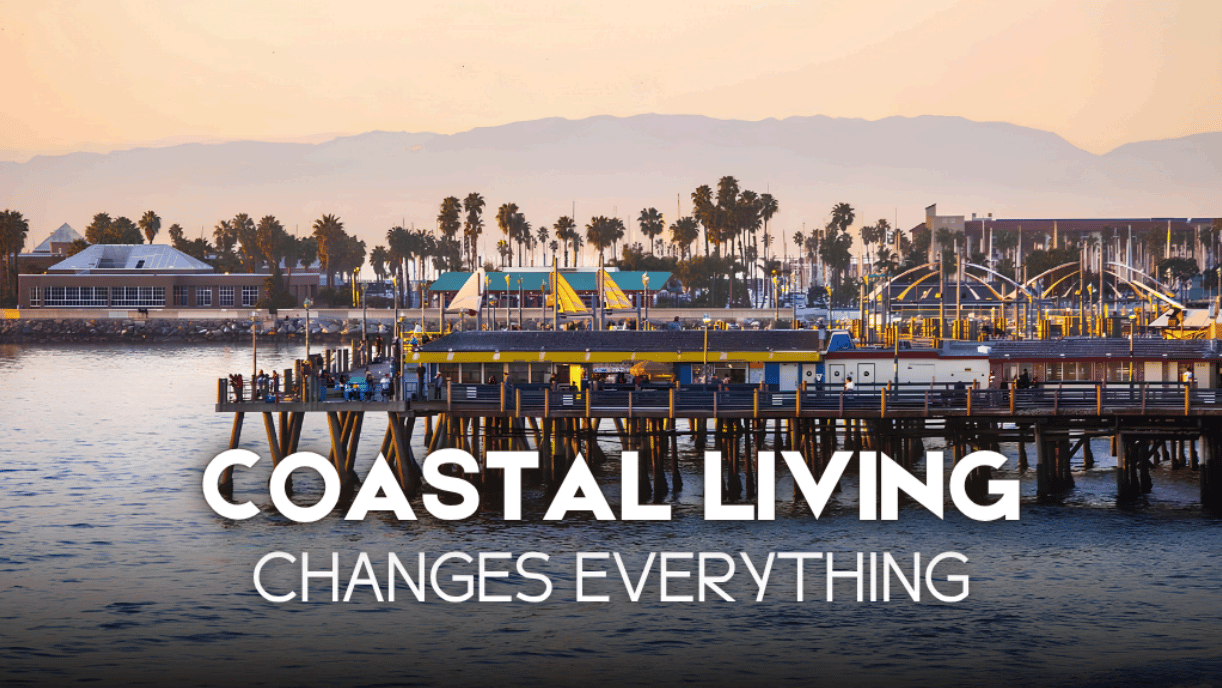
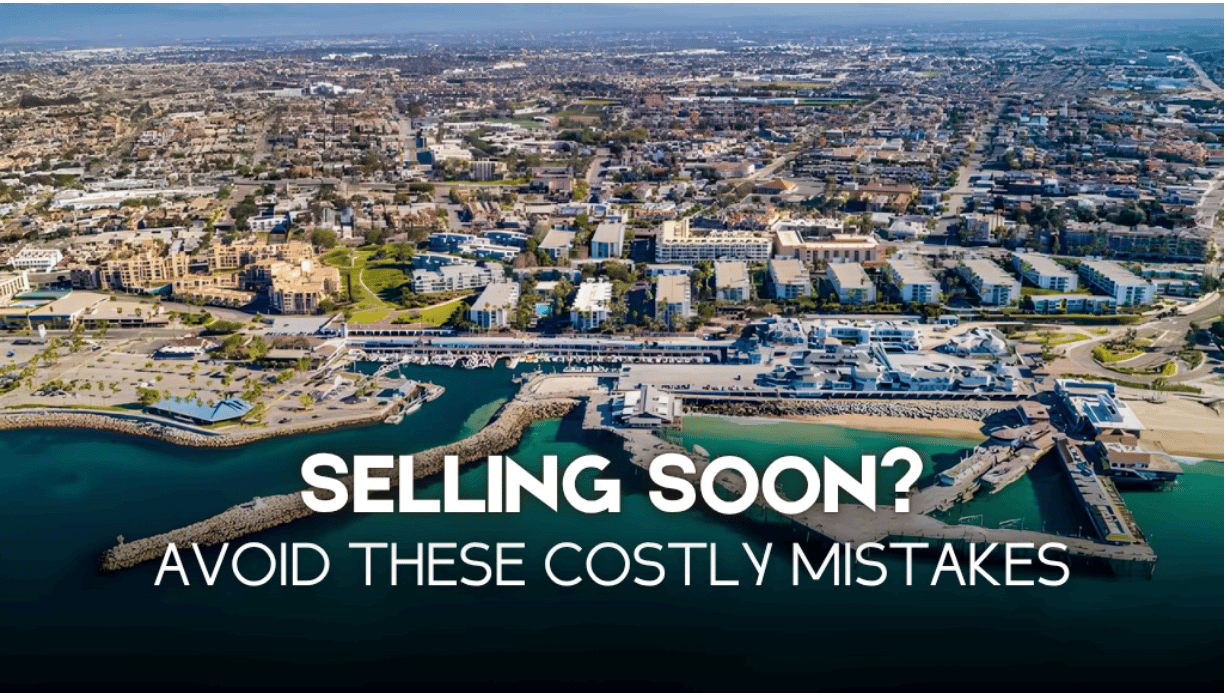
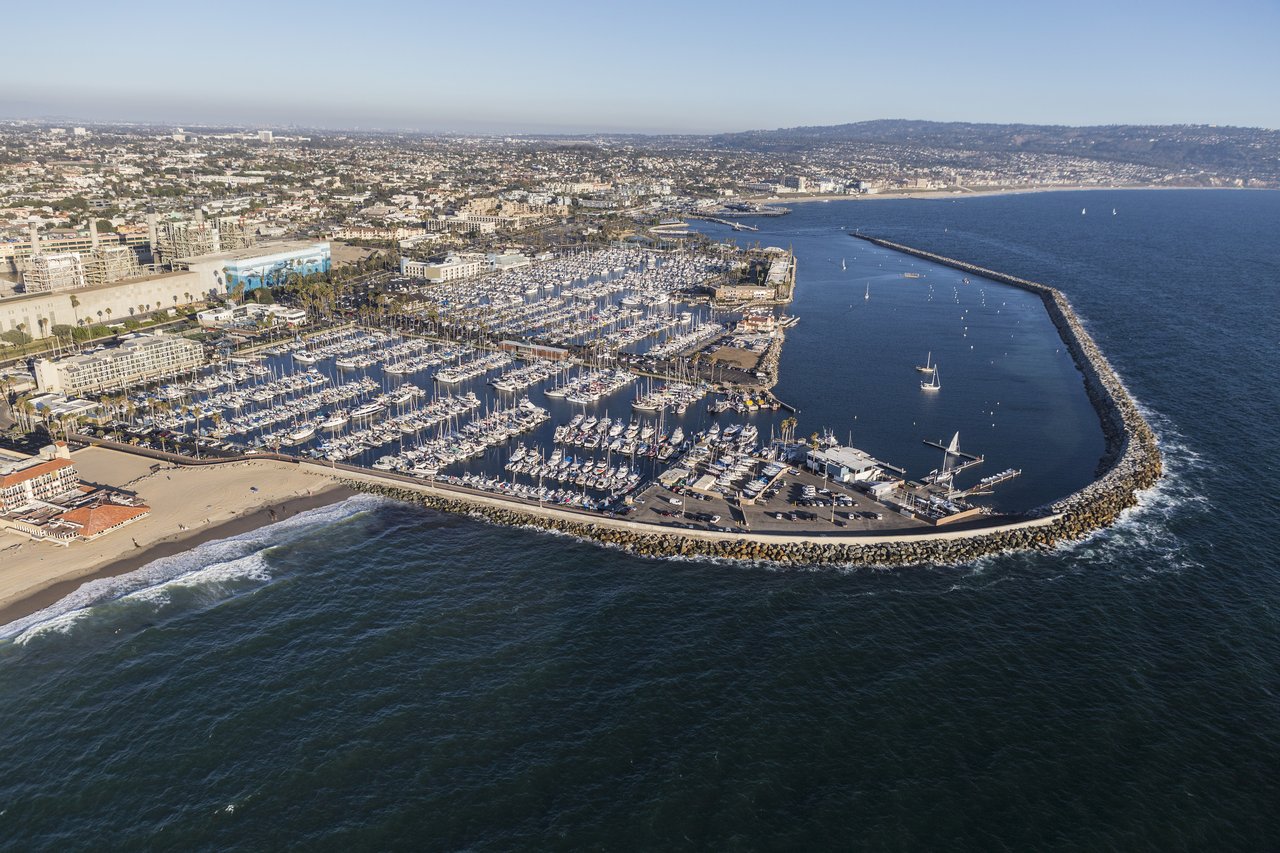
The biggest headline project is West Harbor, a 42-acre waterfront district planned with about 300,000 square feet of retail, dining, and entertainment, 1 mile of direct waterfront access, and a 6,200-seat venue. The project is already activating parts of the shoreline with limited operations and is targeting a 2026 grand opening.
This is not just one development. It is part of a larger, multi-year buildout that includes public access improvements, roadway changes, and new waterfront connections that aim to make the area easier to use and more appealing to visitors and residents alike.
The Port of Los Angeles says its Public Access Investment Plan has directed more than $400 million into LA Waterfront projects, initiatives, and education programs over the past decade. That same update notes recent San Pedro completions such as the Town Square and Promenade, along with road improvements and realignments intended to improve access to West Harbor.
Why waterfront upgrades can influence home values
In real estate, amenities matter because they can shape buyer demand. When an area becomes more walkable, more attractive, and easier to access, more buyers may want to live nearby, especially if the improvements feel durable and well maintained.
Research on parks and open space generally supports that idea. A 2019 review of 33 U.S. studies found that home values often rose as proximity to parks and open space increased, though the effect was usually strongest within a limited distance rather than across an entire city or neighborhood.
An earlier review published through NRPA reached a similar conclusion, while also noting an important tradeoff. Active recreation areas can create smaller premiums when noise, congestion, and similar issues offset some of the benefit.
Waterfront property can be even more sensitive to location and setting. According to EPA research on the value of water amenities, proximity to water and scenic views can influence nearby residential real estate values, though the size of that effect varies by market and shoreline conditions.
Why the effect may be local, not citywide
For San Pedro, the most realistic takeaway is not that every home will rise equally. Instead, the strongest impact would likely show up in homes with easier access to the promenade, nearby dining and entertainment, and possibly water views or a stronger sense of connection to the waterfront.
That lines up with the broader research. The value effect of public amenities often fades with distance, meaning the nearest blocks may see the most noticeable demand response while other parts of the community may feel little direct change.
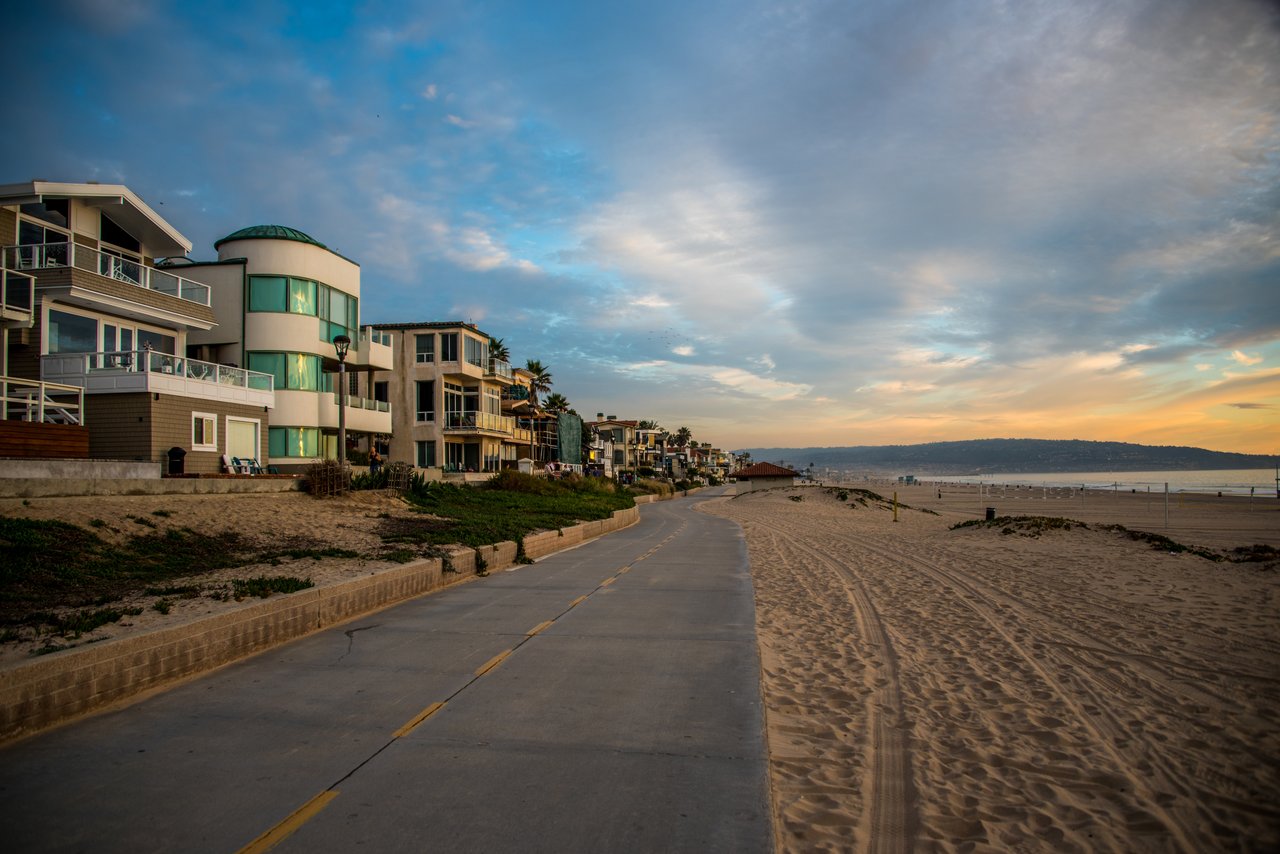
San Pedro’s waterfront is also different from an established beach town. West Harbor describes the district as part of a working waterfront along the Port’s main channel, not a classic beach enclave. That means any uplift is more likely to be block-specific and amenity-specific, rather than a broad jump that suddenly makes all of San Pedro trade like a traditional coastal resort market.
Which homes may feel it most
If buyer demand does strengthen over time, some properties are more likely than others to benefit.
Homes near the promenade
Homes with convenient walking access to the waterfront promenade and public open space may become more appealing if the area continues to activate as planned. The San Pedro Promenade project was designed as an $85 million-plus public access corridor creating nearly one mile of waterfront open space and connecting West Harbor to the broader LA Waterfront.
That kind of connection can matter because it changes how people use an area day to day. A waterfront that feels stitched into the surrounding street network tends to have more staying power than a destination that feels isolated.
Homes with water views
Properties with direct or partial water views may attract added interest if the waterfront becomes more active and visually improved. Water-related real estate premiums are not automatic, but the EPA literature review suggests that access to water and scenic value can translate into higher perceived appeal in nearby housing.
Homes near dining and events
Homes close to new retail, restaurants, and entertainment can benefit when buyers value convenience and lifestyle access. But this is where nuance matters most, because being close can be positive without being right on top of the busiest event activity.
The possible downside for nearby owners
Not every owner will experience the waterfront revival the same way. Some of the very homes closest to major event uses may also be most exposed to traffic, parking pressure, and noise.
That concern is not hypothetical. The Port’s draft environmental review for the proposed waterfront amphitheater describes a 6,200-seat, 100,000-square-foot venue and notes significant, unavoidable impacts related to air quality, greenhouse gases, noise, and transportation.
For buyers and sellers, that creates a tradeoff. One block may enjoy stronger demand because it is near new amenities, while another may face buyer hesitation if event traffic or noise becomes part of the daily experience.
This is one reason why broad statements like “the whole neighborhood will go up” tend to be too simplistic. In a changing waterfront district, micro-location matters.
Access improvements could matter too
New amenities are only part of the story. Access often plays a major role in how buyers judge convenience and long-term desirability.
The SR 47 Interchange Project began in March 2024 as a $130 million effort to reconfigure the Vincent Thomas Bridge, Front Street, and Harbor Boulevard interchange. According to the Port, the work includes replacing and relocating ramps and changing traffic patterns during construction.
If those improvements make the waterfront easier to reach and better connected over time, that could support the area’s usability and visibility. At the same time, construction periods and traffic changes can create short-term inconvenience before any longer-term benefit becomes clear.
How San Pedro compares with higher-priced coastal markets
It also helps to look at where San Pedro stands today. According to Zillow’s March 31, 2026 market pages, the average home value was $845,847 in San Pedro, compared with $1,703,948 in Santa Monica and $3,227,202 in Manhattan Beach.
On those same pages, homes were going pending in about 39 days in both San Pedro and Santa Monica, while Manhattan Beach averaged about 13 days. That does not mean San Pedro is on track to match those markets. It simply shows there is still a meaningful price gap between San Pedro and some of Southern California’s more established coastal areas.
That is why any waterfront-driven value story is better framed as a possible gradual narrowing of the coastal price gap, not a sudden leap to beach-city pricing. San Pedro has its own character, and the working waterfront setting makes it distinct from leisure-first shoreline markets.
What buyers and sellers should watch
Because this is a multi-year shift, your best approach is to watch how the waterfront performs in real life rather than assuming the plan alone will determine values.
Here are a few practical signals to follow:
- How much of West Harbor opens and when
- Whether the promenade and public spaces stay active and well maintained
- How buyers respond to homes within walking distance of the waterfront
- Whether traffic and parking concerns become a bigger issue near event areas
- How access changes affect day-to-day convenience
In other words, the real question is not just what gets built. It is how consistently the area is programmed, maintained, and used over time.
A practical takeaway for San Pedro homeowners
If you own, plan to buy, or may sell in San Pedro, the safest conclusion is this: the waterfront revival could improve buyer demand for some homes, especially those near the promenade, access improvements, and water-oriented amenities. But the effect is unlikely to be even across the entire area, and it may take years to fully play out.
For sellers, that means pricing and marketing should stay focused on the property’s exact location and lifestyle advantages rather than relying on a broad waterfront headline. For buyers, it means weighing both the upside of future amenities and the practical realities of noise, traffic, and event activity on the nearest blocks.
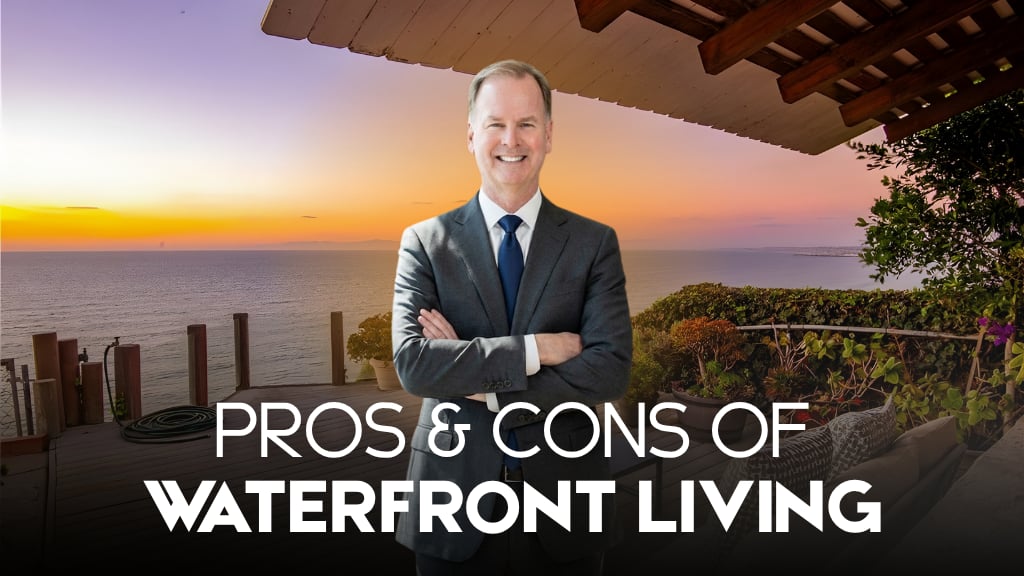
If you want help thinking through how San Pedro’s changing waterfront may influence a specific home, neighborhood pocket, or purchase decision, Dennis Hartley offers calm, data-driven guidance tailored to your goals.
FAQs
How could the San Pedro waterfront revival affect nearby home values?
- The most likely effect is a gradual lift in buyer demand for homes closest to the promenade, waterfront access, dining, and entertainment, rather than an equal increase across all of San Pedro.
Which San Pedro homes are most likely to benefit from waterfront improvements?
- Homes with easy walking access to the waterfront, direct or partial water views, and proximity to new public spaces or dining nodes are the most likely to feel a stronger demand response.
Could some San Pedro homes be negatively affected by the waterfront revival?
- Yes. Homes closest to major event activity may also experience more traffic, parking pressure, and noise, especially near the proposed amphitheater area identified in the Port’s draft environmental review.
Is the impact of West Harbor on San Pedro real estate likely to happen quickly?
- Probably not. The waterfront story is better understood as a multi-year buildout, so any effect on home values is more likely to develop gradually as projects are delivered, activated, and maintained.
Will San Pedro home values rise to match places like Manhattan Beach or Santa Monica?
- The current data suggests San Pedro remains priced well below those coastal markets, so any uplift would more likely show up as a gradual narrowing of the gap rather than a sudden jump to beach-city pricing.