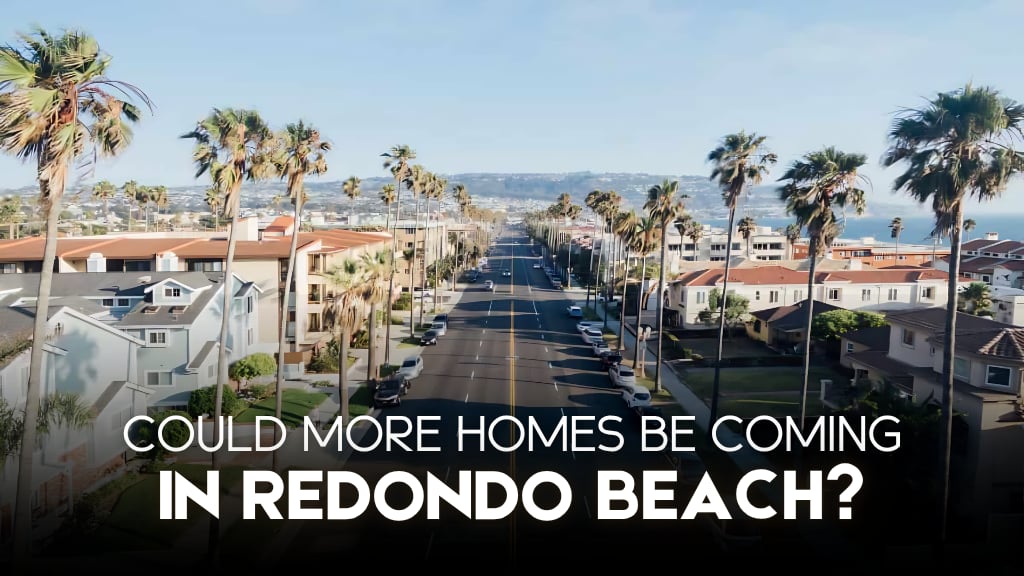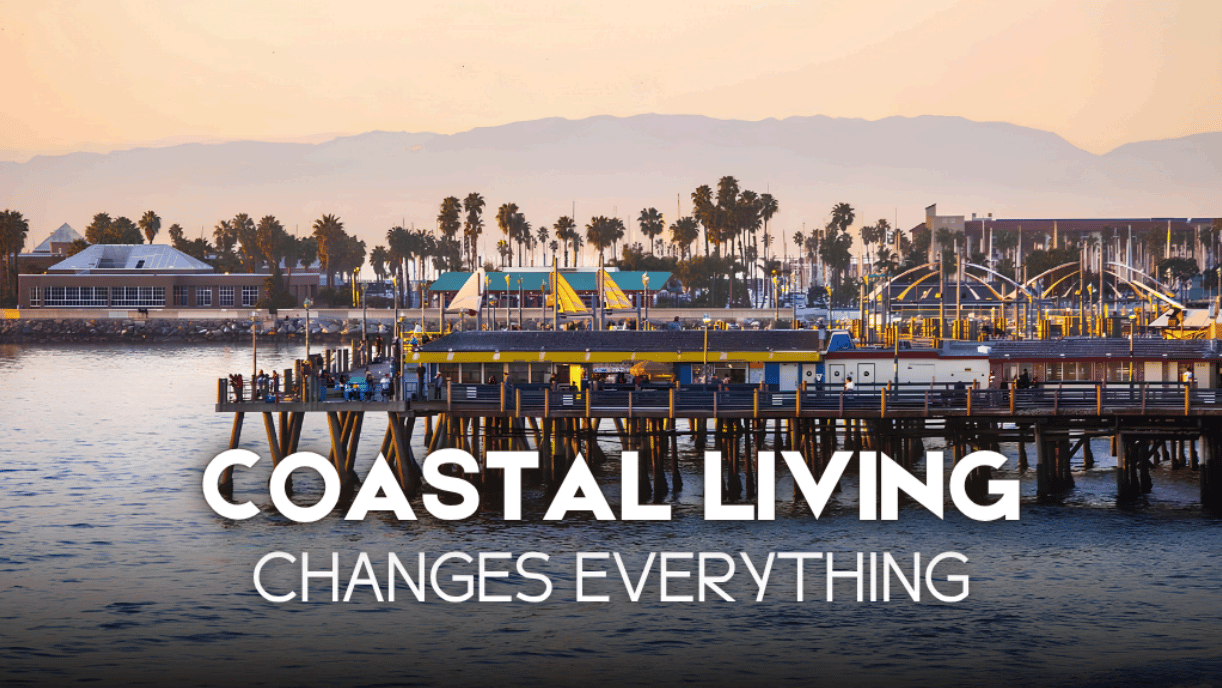
Trying to choose between living east or west of Pacific Coast Highway in Hermosa Beach? That one decision can shape how your days feel, how often you walk instead of drive, and what kind of home your budget can realistically buy. If you are weighing beach access against quieter streets, this guide will help you compare the tradeoffs with a clear local lens. Let’s dive in.
East vs West of PCH at a Glance
In everyday Hermosa Beach real estate talk, west of PCH usually refers to the Sand Section, Walk Street areas, the Greenbelt, the Valley, and nearby beach-adjacent blocks. East of PCH generally means Hermosa Hills and the Eastside. The city itself plans by neighborhood, not by a strict east-west PCH split, but this shorthand is useful for buyers comparing lifestyle and housing options.
One important detail is that west of PCH does not mean oceanfront only. Hermosa Beach’s Coastal Zone covers about 43 percent of the city, includes two miles of shoreline, and extends inland to Ardmore Avenue with some exceptions. So when you compare east and west, you are really comparing two different ways of living in the same small coastal city.
West of PCH: Beach-First Living
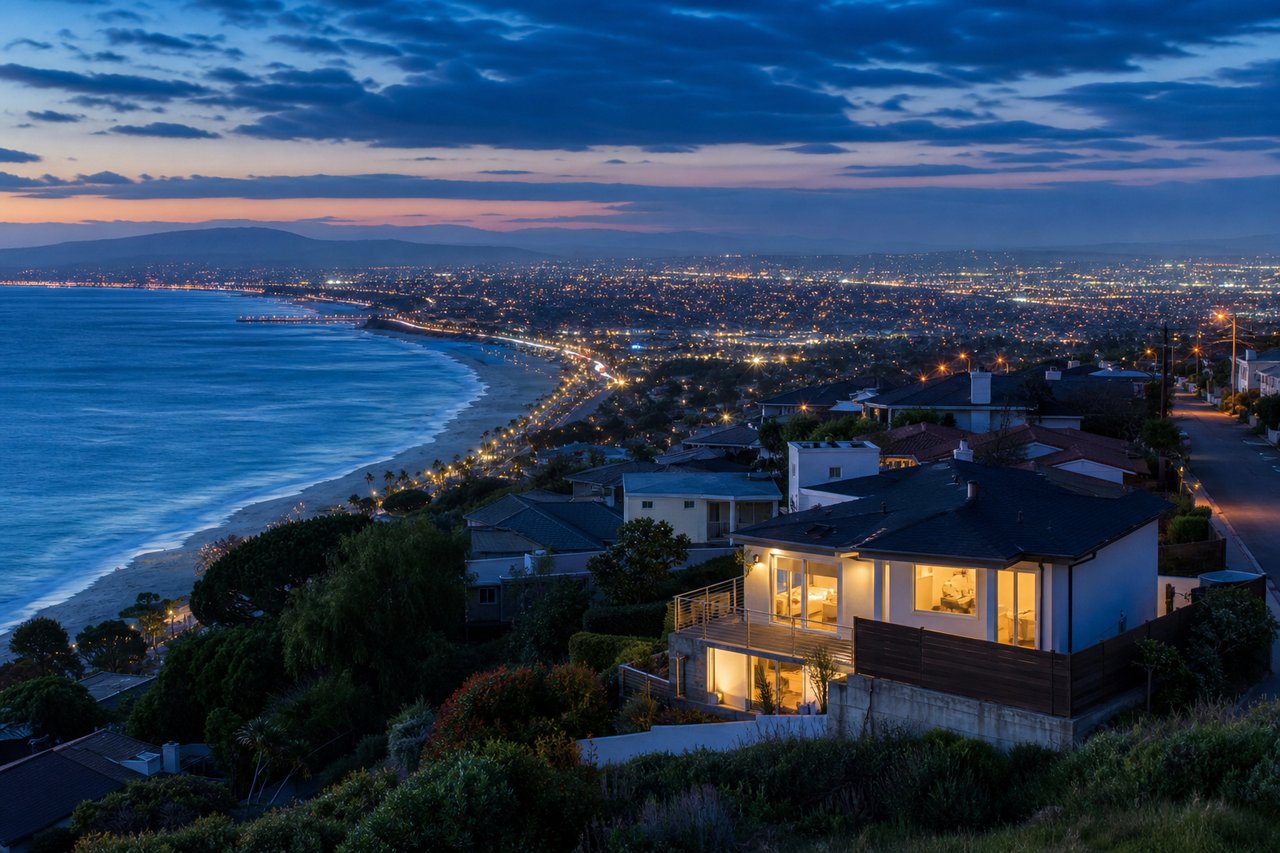
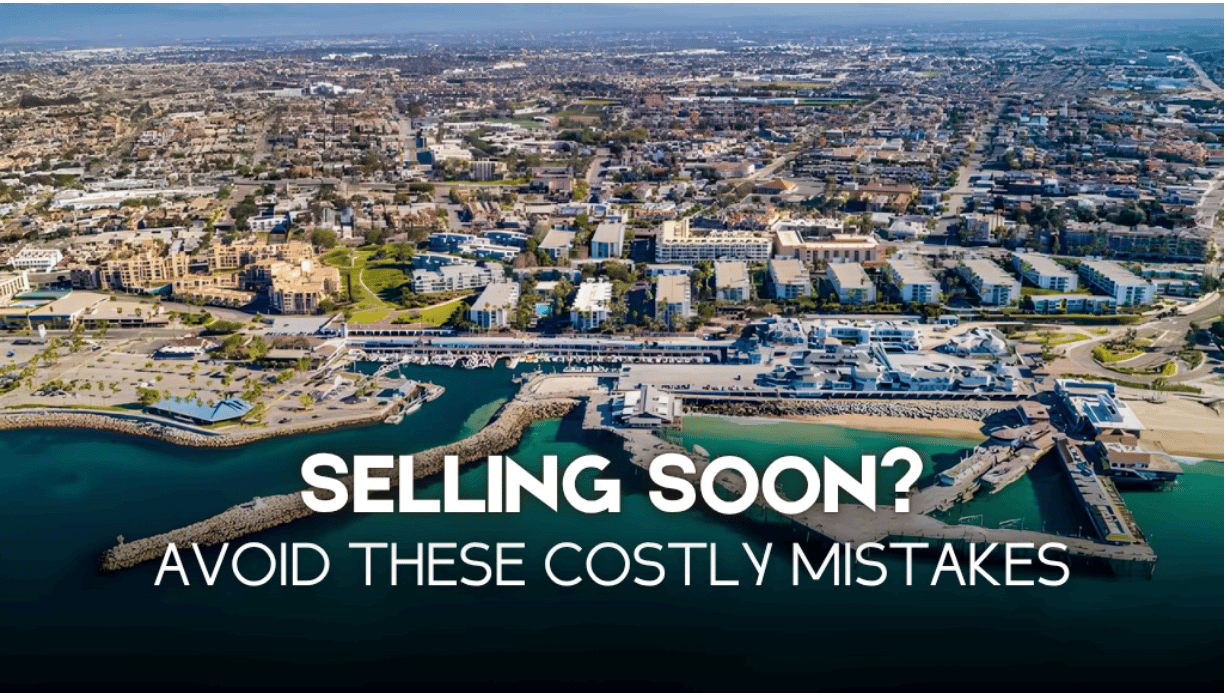
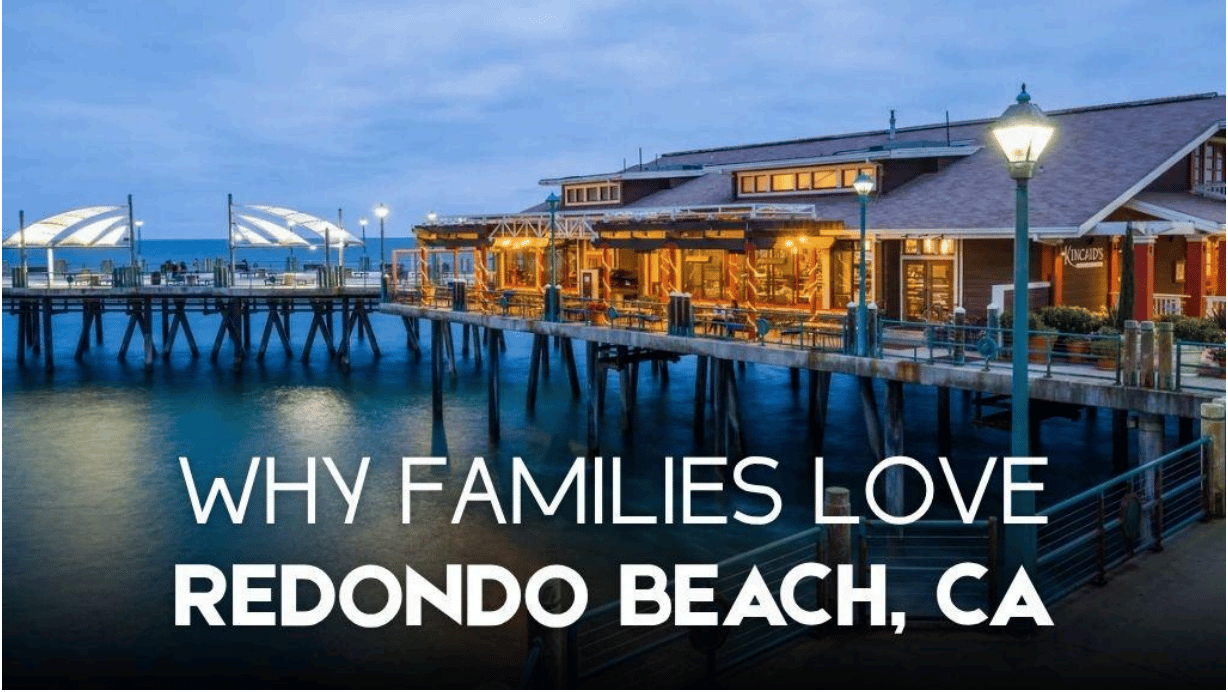
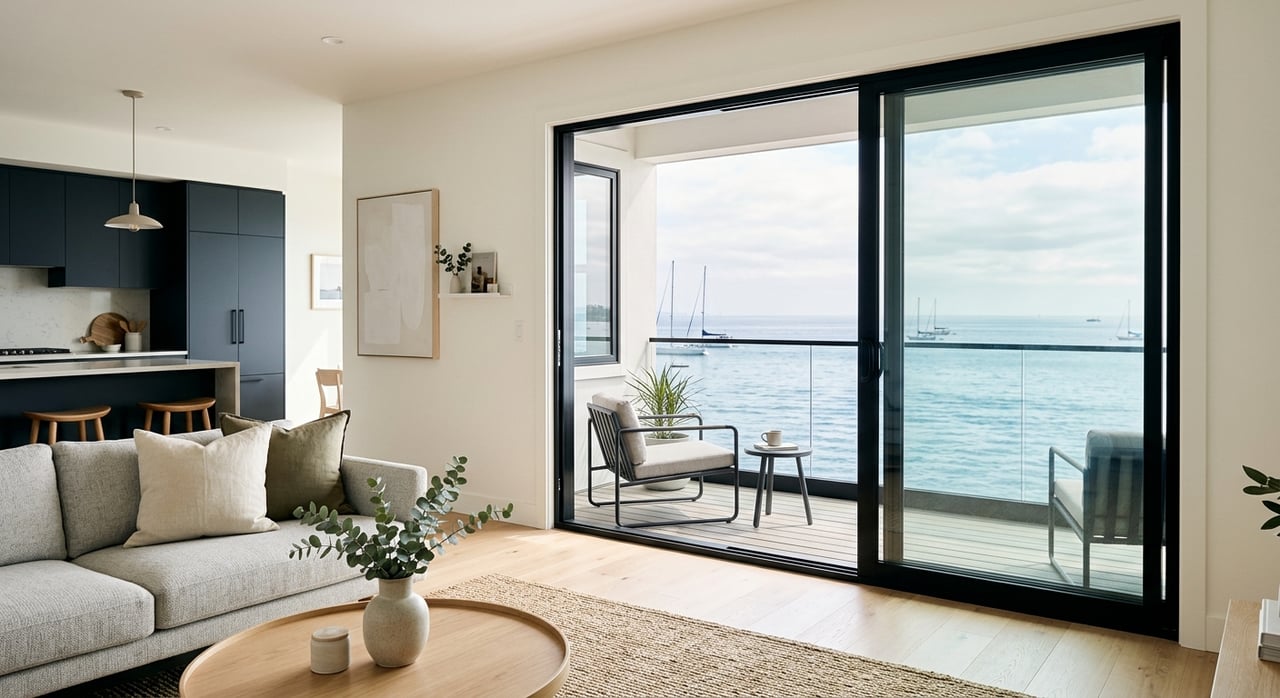
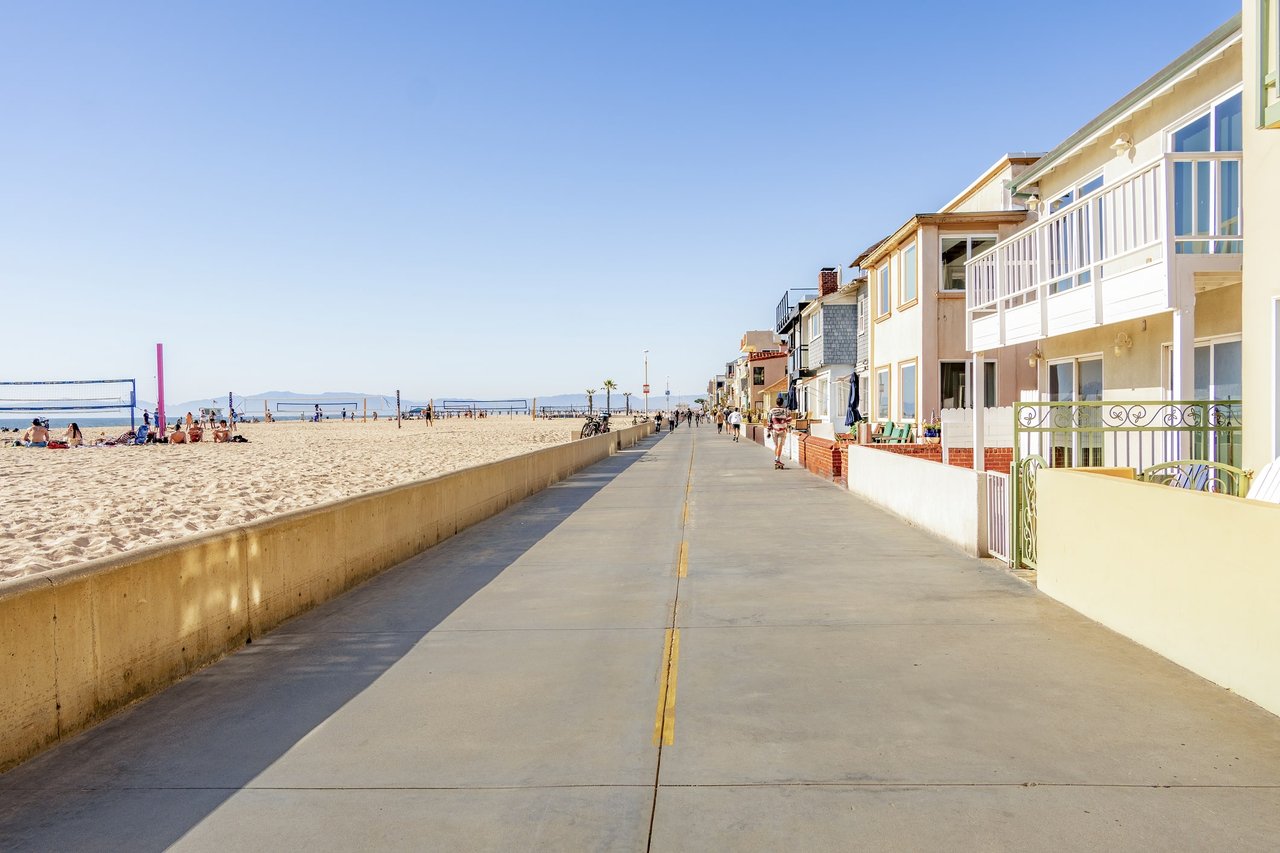
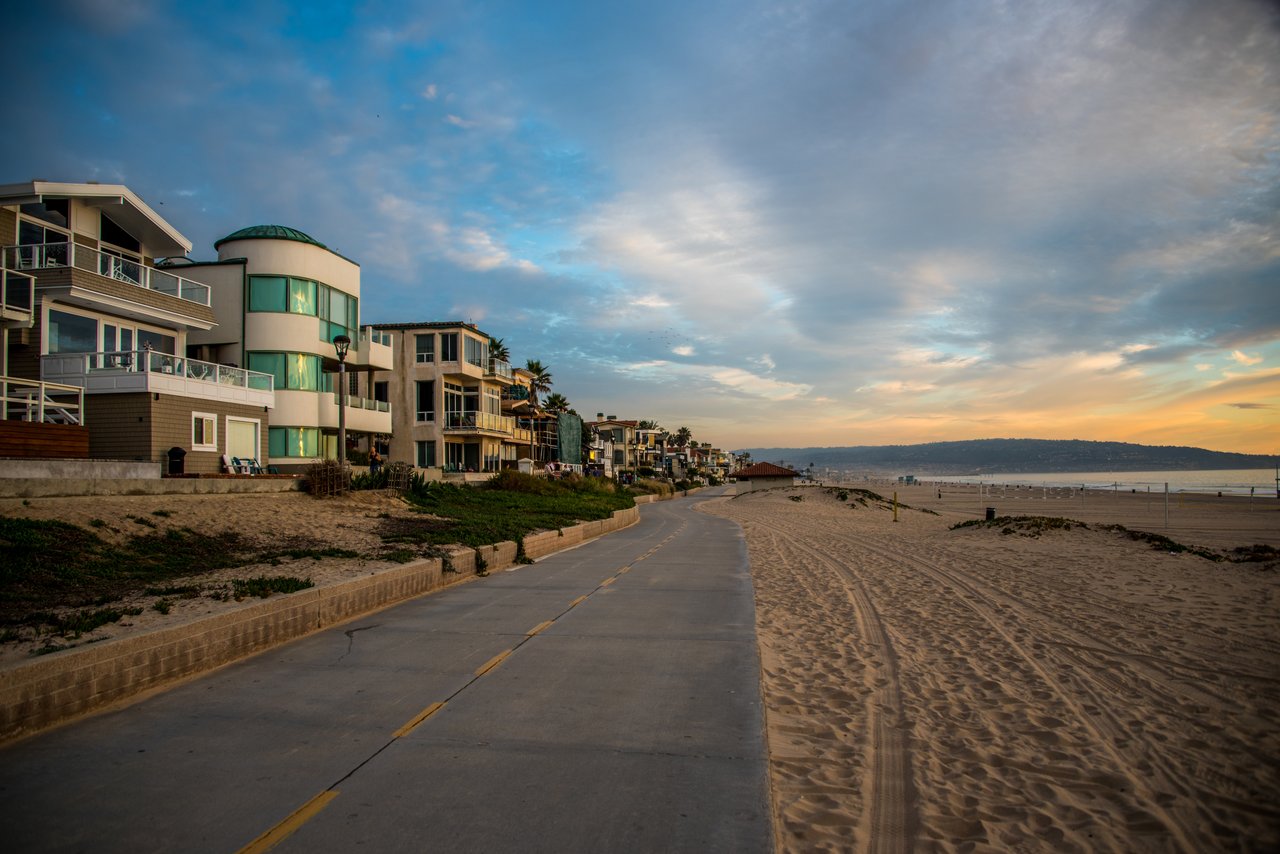
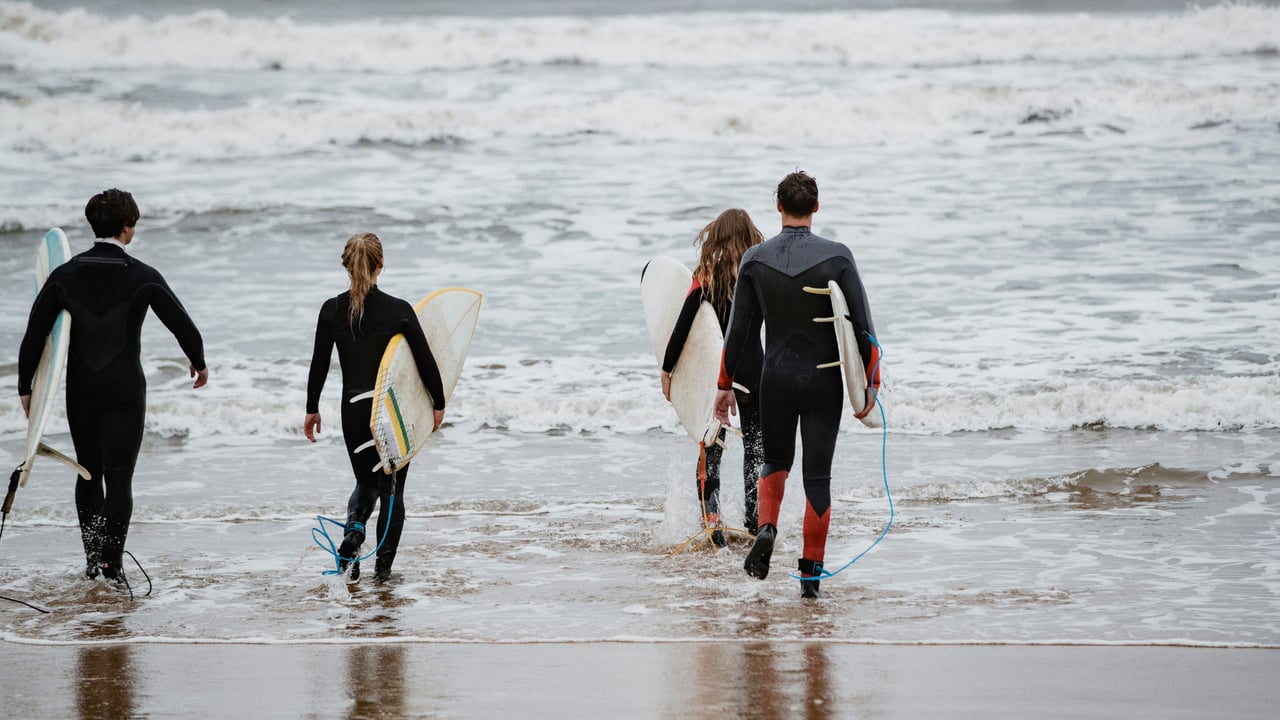
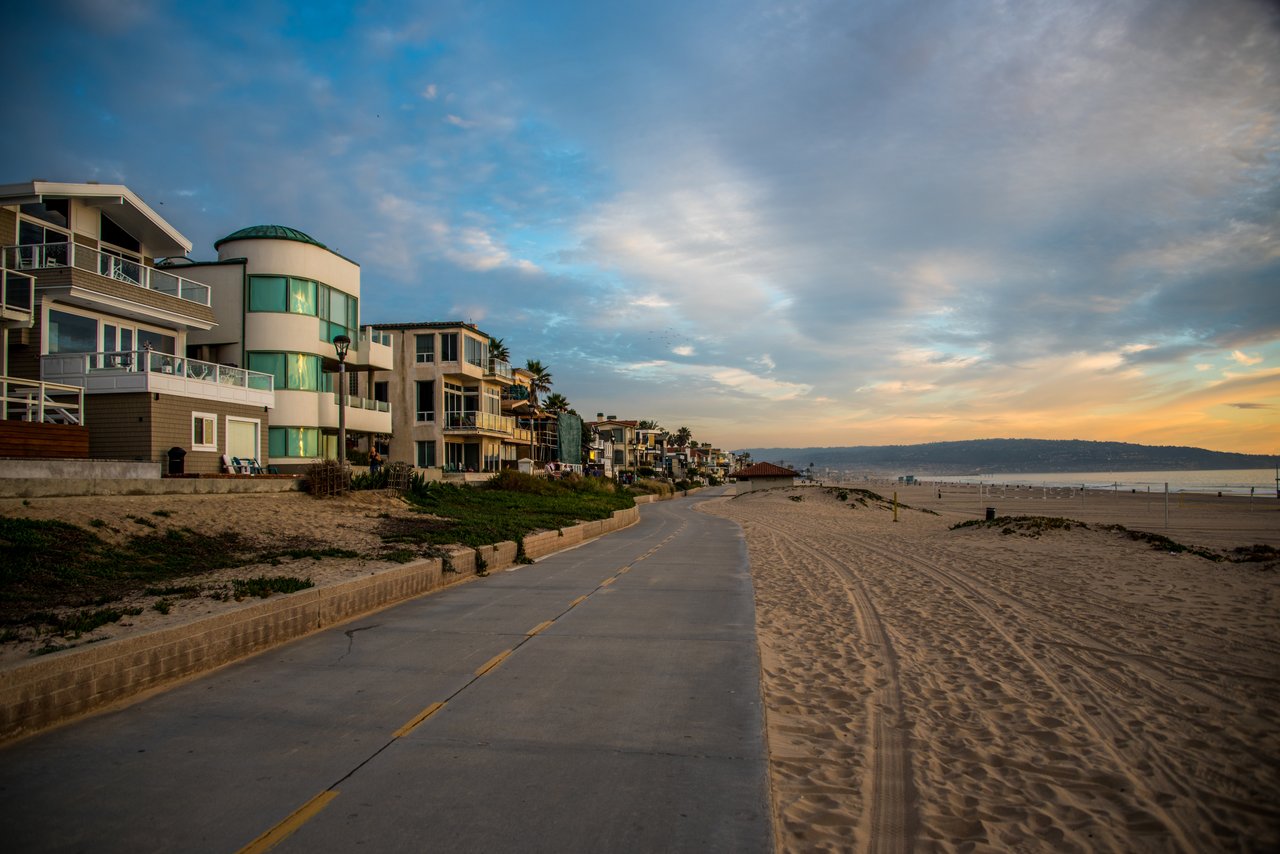
If your top priority is walking to the beach, west of PCH is the clearest fit. This side gives you the easiest access to The Strand, the sand, the Pier area, and many of the places people picture when they think about daily life in Hermosa Beach.
The housing stock on the west side is also the most varied. In the Sand Section, the city describes an integrated mix of small apartments and single-family homes, with compact pedestrian-friendly blocks, walk streets, and rear-alley or rear-driveway parking. Those walk streets are a major lifestyle feature because they create direct pedestrian access to The Strand and the beach.
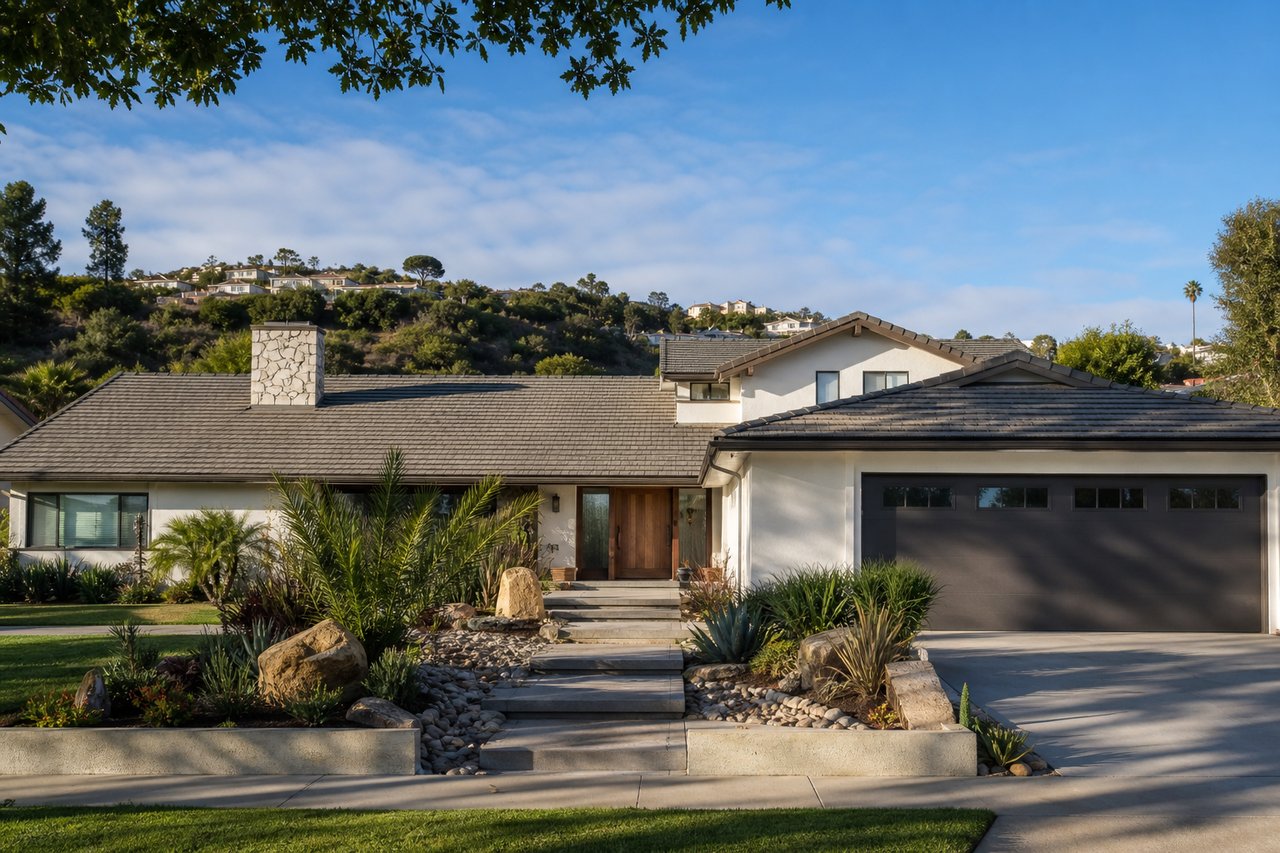
Not every west-side pocket feels the same, though. The Greenbelt area includes low- and medium-density housing, with lot sizes commonly around 2,500 to 5,000 square feet and a mix of single-family homes, duplexes, and some small multi-unit properties designed to read like houses. The Valley tends to be lower density, with roughly 5,000 to 10,000 square-foot parcels and mostly one- to two-story single-family homes.
What daily life feels like west of PCH
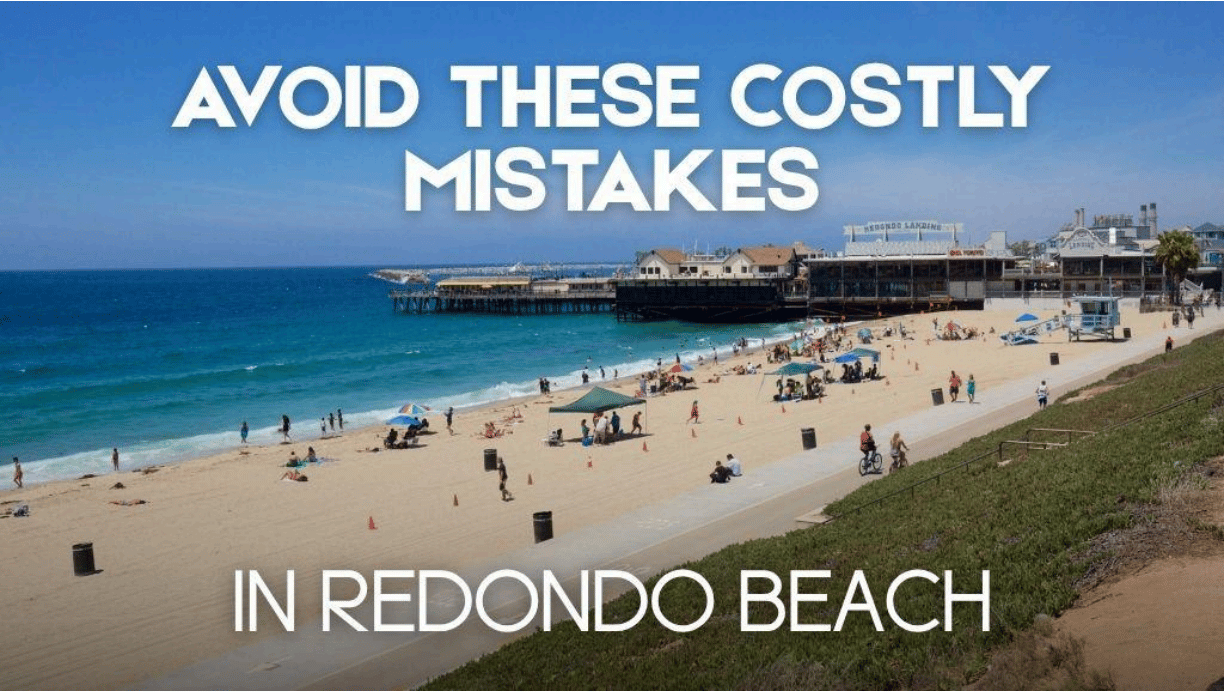
Living west of PCH can make everyday routines feel lighter and more spontaneous. You can walk or bike to the beach more easily, and The Strand runs the length of Hermosa Beach as a beachside biking and walking path. It is also the first completed segment of the California Coastal Trail in Los Angeles County.
That convenience comes with real tradeoffs. The beach, Strand, and Pier attract heavy visitor traffic, and the city notes that an average summer weekend can bring more than 100,000 people to the beach. Special events are also concentrated between 10th and 15th Streets, so some beach-adjacent blocks naturally feel busier and louder than inland streets.
Who tends to prefer the west side
West of PCH often appeals to buyers who want a strong beach identity built into daily life. If you value being able to go car-light, walk to the sand, and feel close to the action, this side usually delivers that better than any other part of the city.
It can also fit buyers who are comfortable making tradeoffs on parking, privacy, and noise in exchange for location. In Hermosa Beach, that kind of convenience often carries a premium.
East of PCH: A More Residential Feel
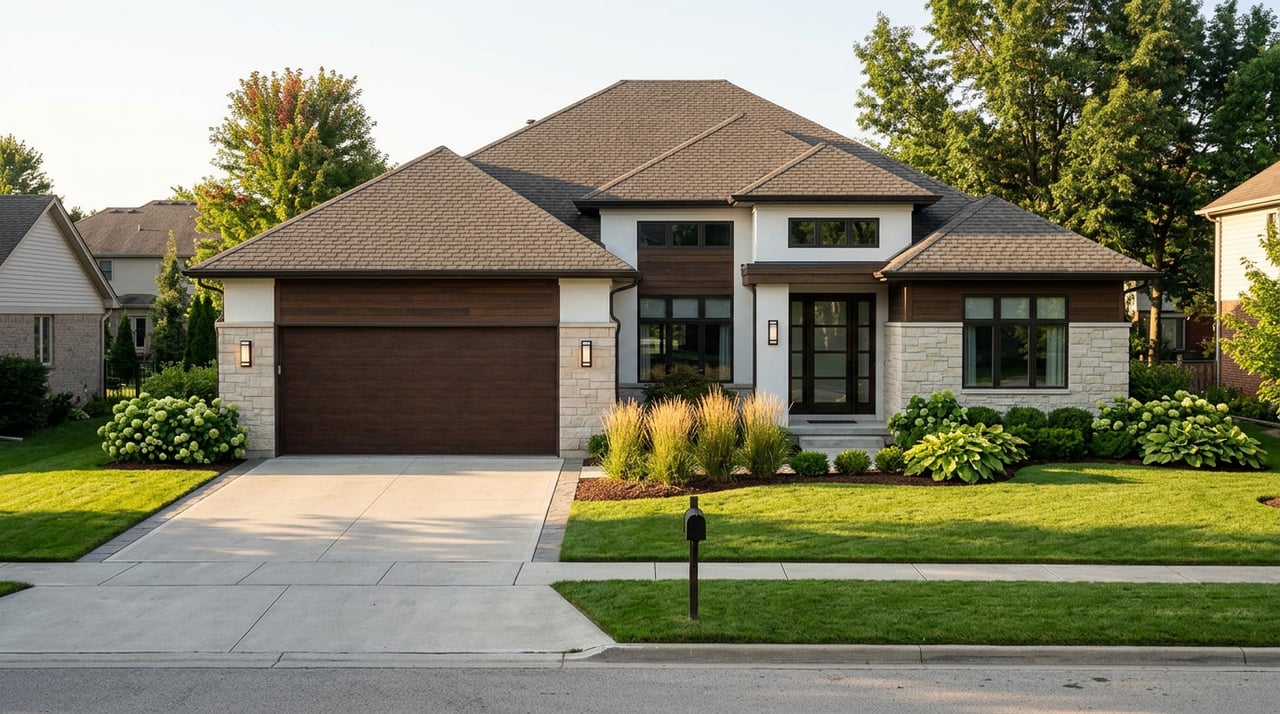
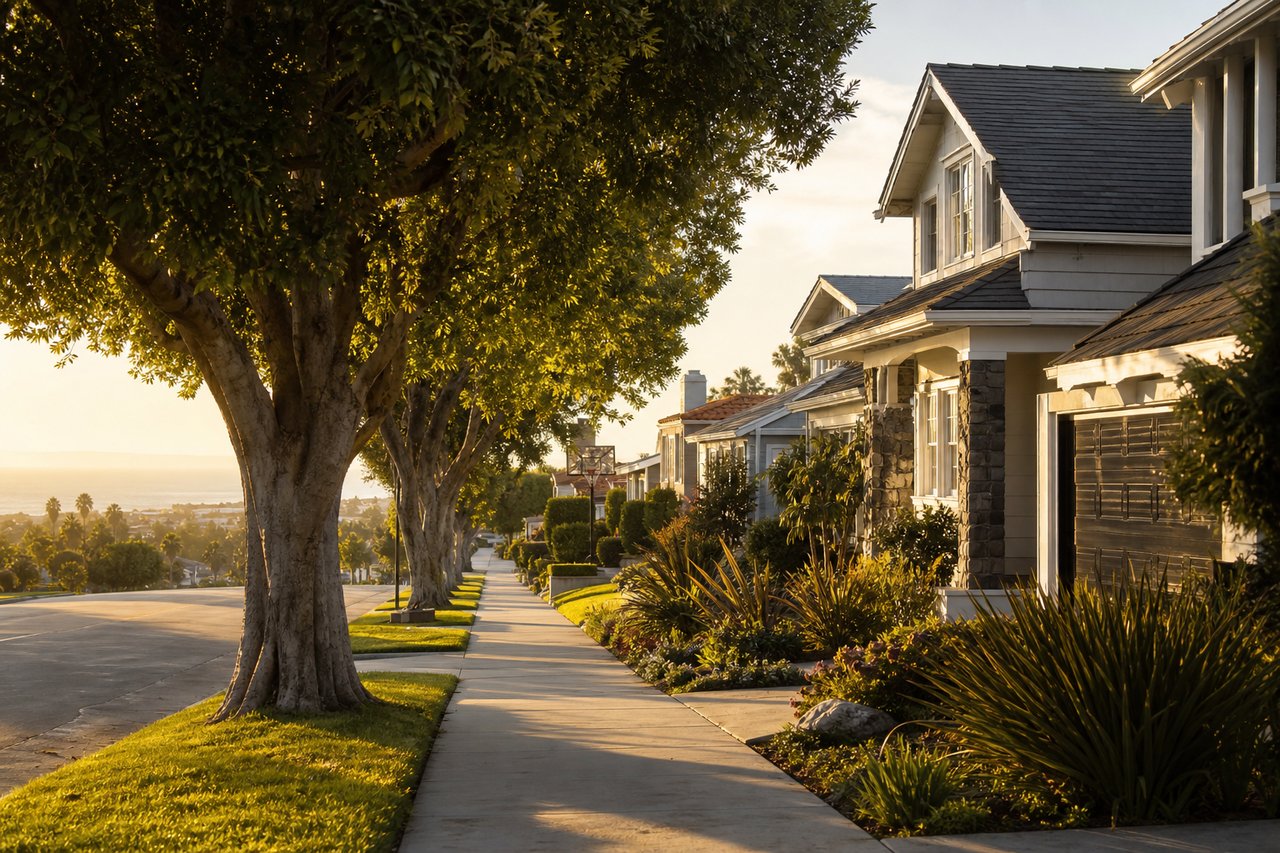
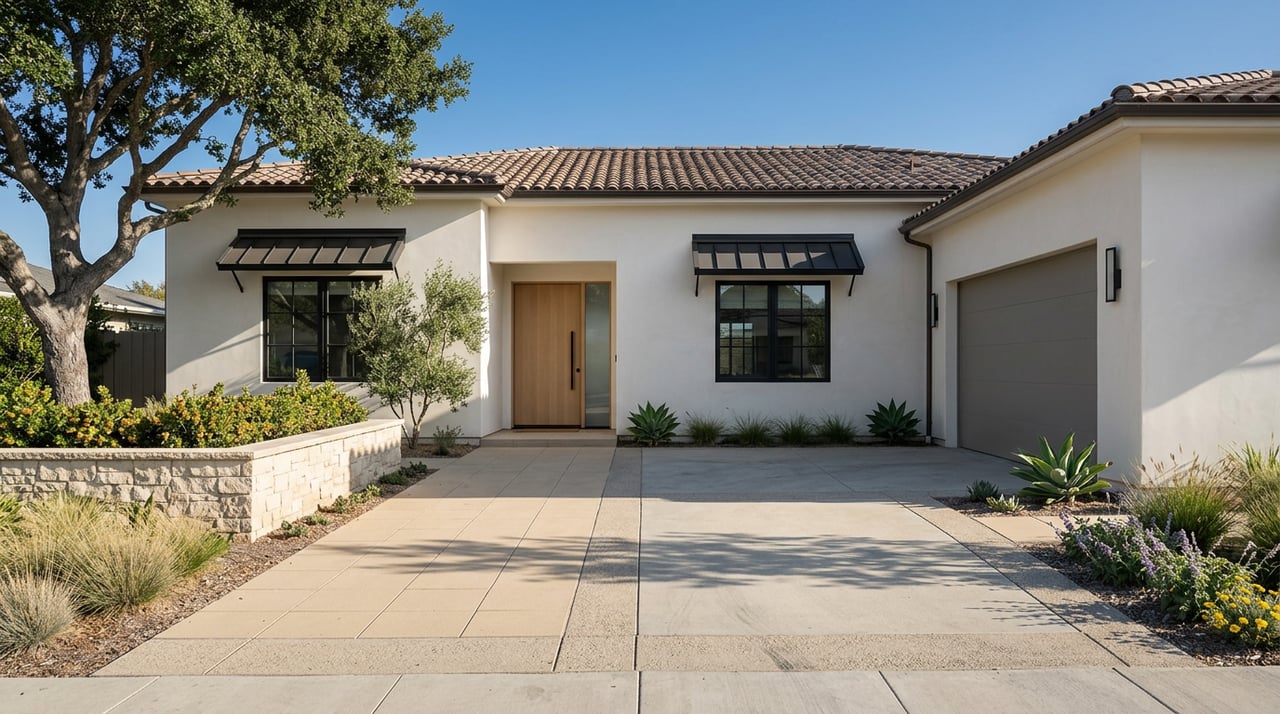
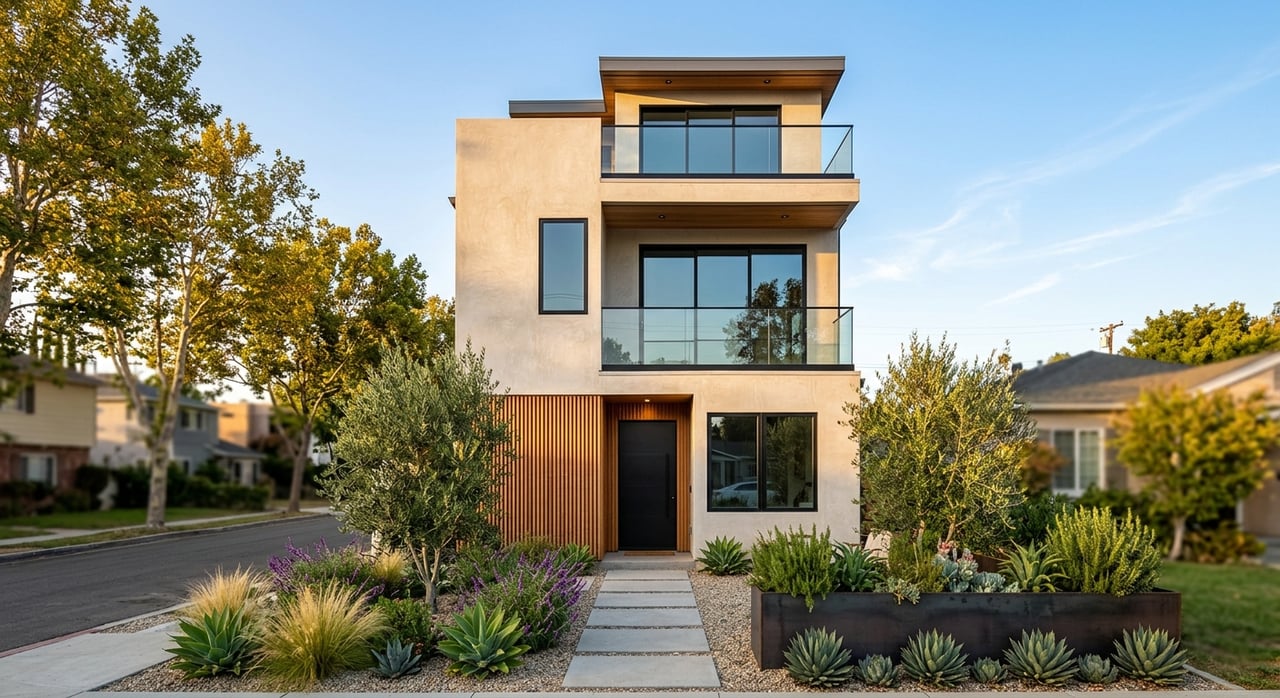
East of PCH tends to feel more residential and quieter overall. If you want to stay in Hermosa Beach but prefer calmer streets and a more traditional neighborhood rhythm, this side often stands out.
Hermosa Hills transitions from higher- and medium-density uses near PCH to lower-density single-family homes closer to Prospect Avenue. The city notes that many streets near PCH are closed to through traffic, and only a few mid-size apartment buildings or duplexes sit along the corridor.
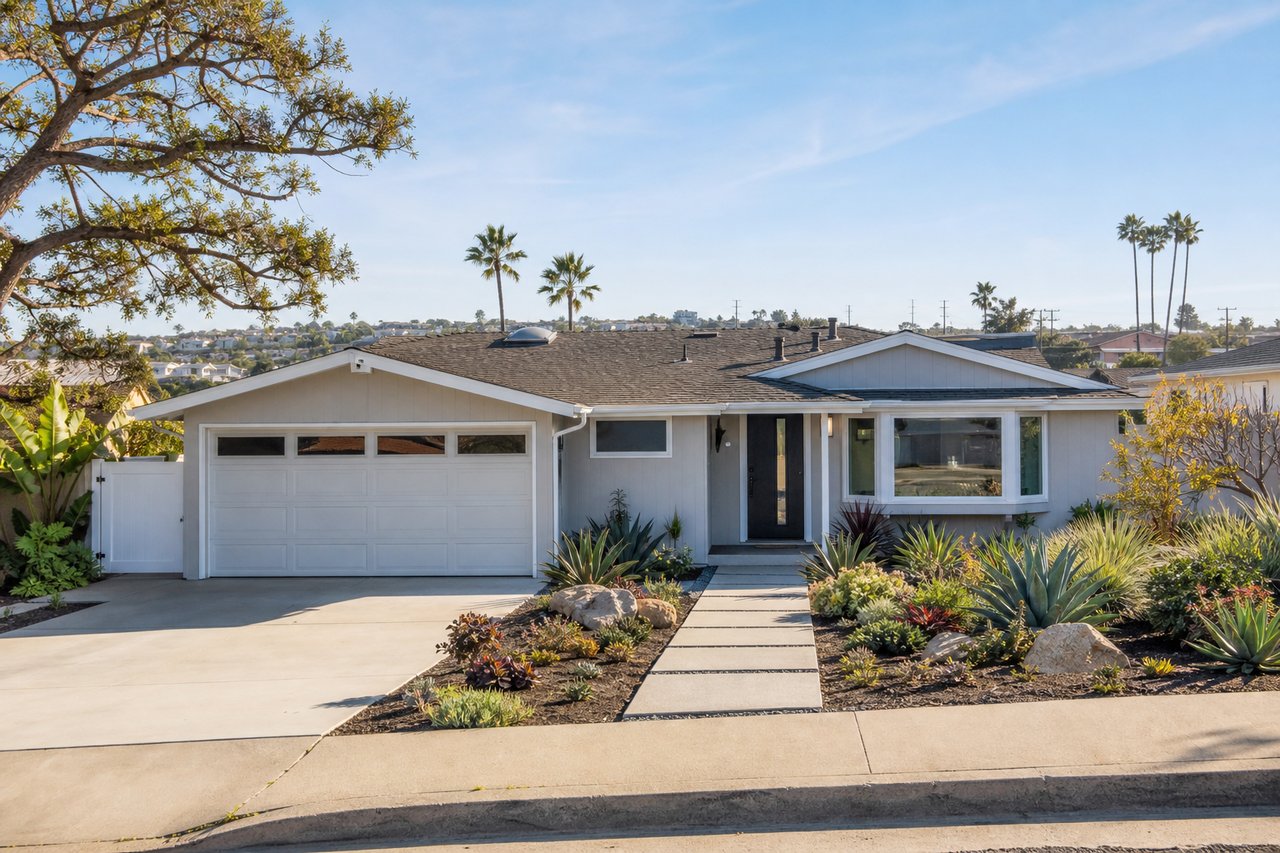
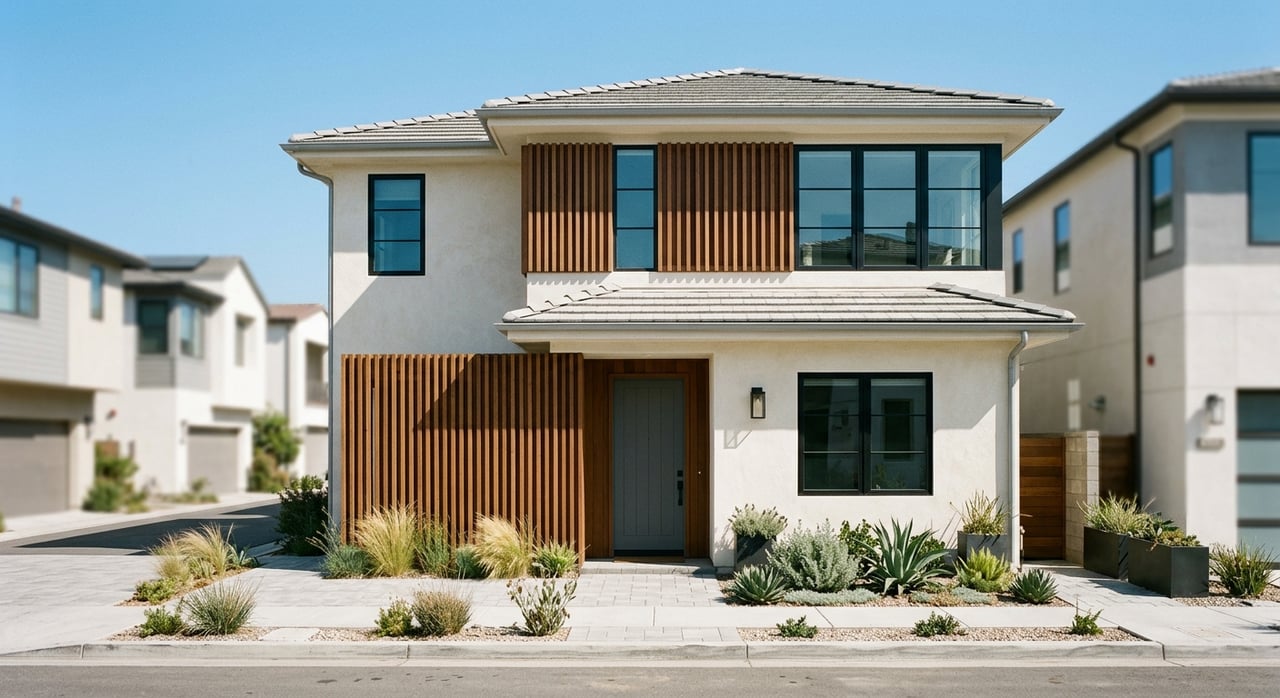
The Eastside is one of the city’s quietest areas and is almost entirely single-family, with a few condos along Prospect Avenue. The area also includes community assets such as Hermosa View School and neighborhood parks. For many buyers, that adds to the sense of a more settled residential setting.
What daily life feels like east of PCH
East of PCH can still feel coastal because Hermosa Beach is compact, and you are still inside a small beach city. But the day-to-day experience often looks a little different. You may drive more often for errands or for trips to the beach core, yet you may gain a little breathing room in return.
Many buyers find that east-side living feels easier for routine vehicle use. Compared with the beach blocks, it can be simpler to manage guests, parking, and getting in and out of the neighborhood. If you want a coastal address without centering every part of life around beach activity, this side can be a smart balance.
Who tends to prefer the east side
East of PCH often appeals to buyers who want a quieter home environment while staying close to the coast. It can also be attractive if you are focused on single-family options, a more residential street pattern, or a lower entry point for some condos.
For buyers who like Hermosa Beach but do not need to step onto The Strand every day, the east side can offer strong value within a high-cost market.
Access, Traffic, and Parking Differences
One of the biggest practical differences between the two sides is how you move through your day. West of PCH is more walkable to the beach by design, especially where walk streets lead directly toward The Strand.
At the same time, Pacific Coast Highway is a major factor on both sides. City traffic documents describe PCH as a state highway and arterial road carrying 43,854 average daily trips between Artesia and Aviation. That volume affects circulation near the beach core and reinforces how central the corridor is to everyday movement in Hermosa Beach.
Parking pressure is strongest near the beach. The city reports 428 public parking spaces in the three lots near Pier Avenue, with occupancy generally above 85 percent in surveyed periods and reaching 98 percent in the coastal zone’s south zone on Saturday afternoons. In plain terms, west-side walkability is excellent, but car convenience can be tougher, especially on weekends.
Noise and Crowds: What to Expect
Noise often follows location in Hermosa Beach. Homes closer to PCH, the Pier, and major event areas typically absorb more traffic and activity noise than residential blocks farther east.
The city’s noise assessment includes a modeled PCH segment at 72 dB CNEL. By contrast, the general plan describes Hermosa Hills as lower density and the Eastside as one of the quietest parts of the community. If you are sensitive to traffic or crowd noise, that difference is worth taking seriously during your home search.
This does not mean every west-side home is noisy or every east-side home is silent. It means your block, your exact distance from PCH, and your proximity to the Pier and event zones matter a lot. In Hermosa Beach, micro-location is a major part of the decision.
Home Styles and Price Expectations
Hermosa Beach is expensive across the board, regardless of which side you choose. Homes.com reports a citywide median sale price of $2.4 million and 52 days on market. Its city guide also notes that detached homes can start around $1 million and reach $14.4 million, while townhomes and condos start in the upper $800,000s and reach $5.8 million, depending on location and age.
Still, east and west of PCH often have different pricing patterns. Recent east-side public listing examples suggest a lower entry point, especially for condos and smaller homes. Examples in the research include Prospect Avenue condos listed at $549,000 and $749,000, along with east-side sales at $1.2425 million, $1.75 million, and $2.065 million.
West-side public examples show both a higher floor and a much higher ceiling. Examples in the research include a walk-street home estimated around $2.48 million to $3.575 million, a Sand Section sale at $3 million, and a Strand sale at $9.25 million. The premium is tied less to lot size alone and more to beach access, walkability, and the scarcity of certain west-side locations.
Which Side Is Right for You?
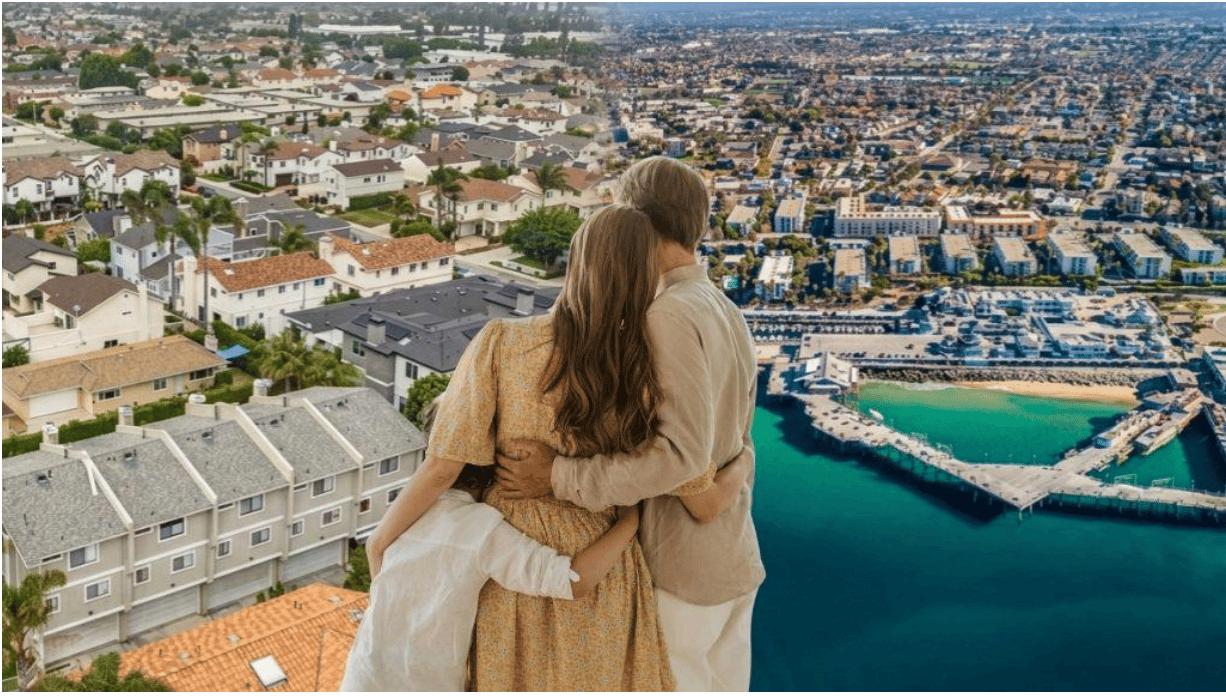
If you picture yourself walking to the sand often, biking The Strand, and embracing a busier beach-town rhythm, west of PCH may be worth the higher cost and tradeoffs. You are often paying for proximity, lifestyle, and the ability to rely less on your car.
If you want a quieter setting, a more residential feel, and potentially more attainable options in some segments of the market, east of PCH may make more sense. You still get Hermosa Beach’s coastal location, but your home life may feel a little more removed from the busiest visitor areas.
The right answer usually comes down to how you want to live, not just what you want to buy. In a compact, high-value market like Hermosa Beach, the best fit is often the side that matches your daily habits, noise tolerance, parking needs, and budget.
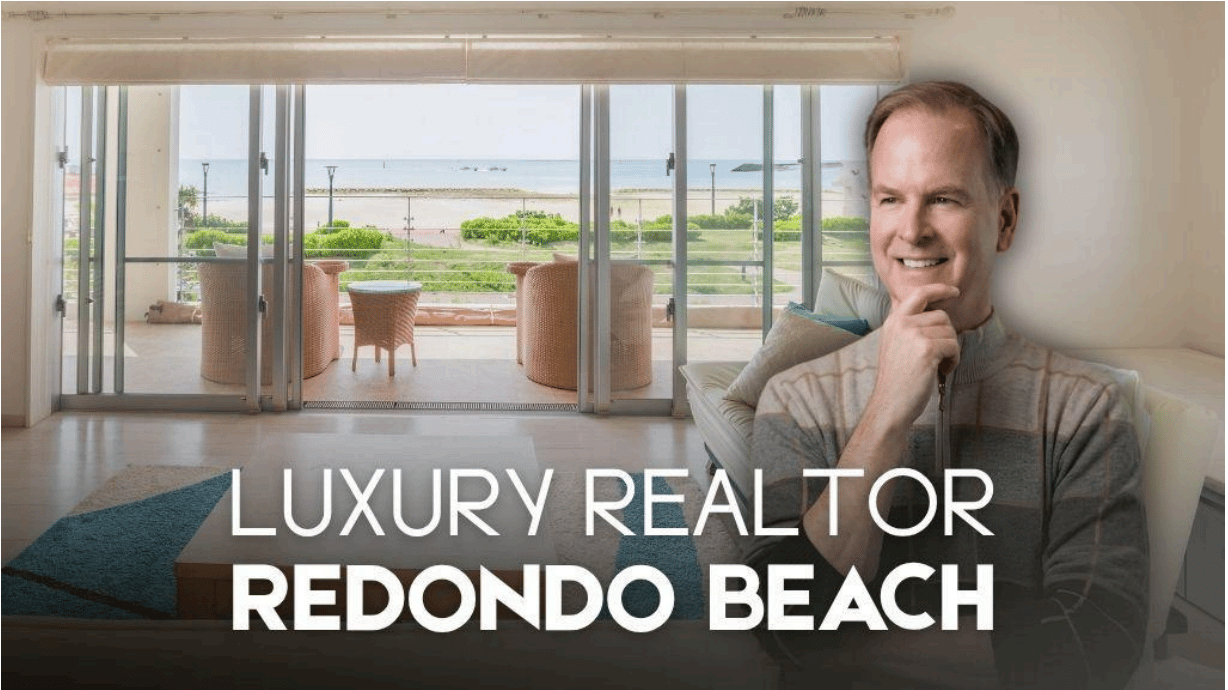
If you want help comparing specific streets, property types, or price points in Hermosa Beach, Dennis Hartley can help you sort through the tradeoffs with clear, practical guidance.
FAQs
Is west of PCH in Hermosa Beach always more expensive?
- West of PCH generally carries a premium because of beach proximity, walkability, and scarcity, though pricing still varies by exact location, home type, size, and condition.
Is east of PCH in Hermosa Beach still walkable to the beach?
- East of PCH can still feel coastal because Hermosa Beach is compact, but west of PCH usually offers easier daily walking access to The Strand, the beach, and the Pier area.
Are Hermosa Beach homes near PCH noisier?
- Homes closer to PCH, the Pier, and event areas tend to experience more traffic and activity noise than residential blocks farther east.
What kinds of homes are common west of PCH in Hermosa Beach?
- West of PCH includes a broad mix of small apartments, single-family homes, duplexes, and some small multi-unit properties, with walk streets and beach-adjacent blocks shaping the character.
What kinds of homes are common east of PCH in Hermosa Beach?
- East of PCH is generally more residential, with Hermosa Hills offering a mix that transitions to lower-density homes and the Eastside being mostly single-family with a few condos along Prospect Avenue.
Is parking harder west of PCH in Hermosa Beach?
- Yes, parking pressure is typically higher near the beach and Pier area, where public lot occupancy often runs high, especially during weekend peak periods.