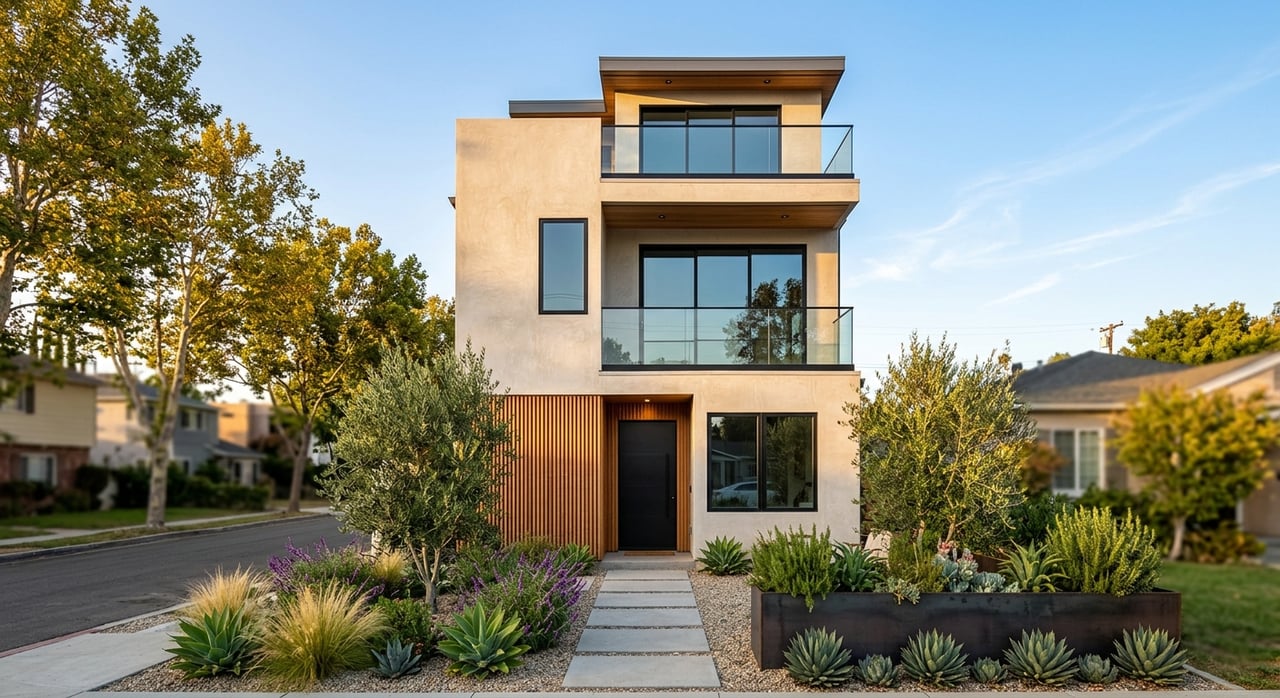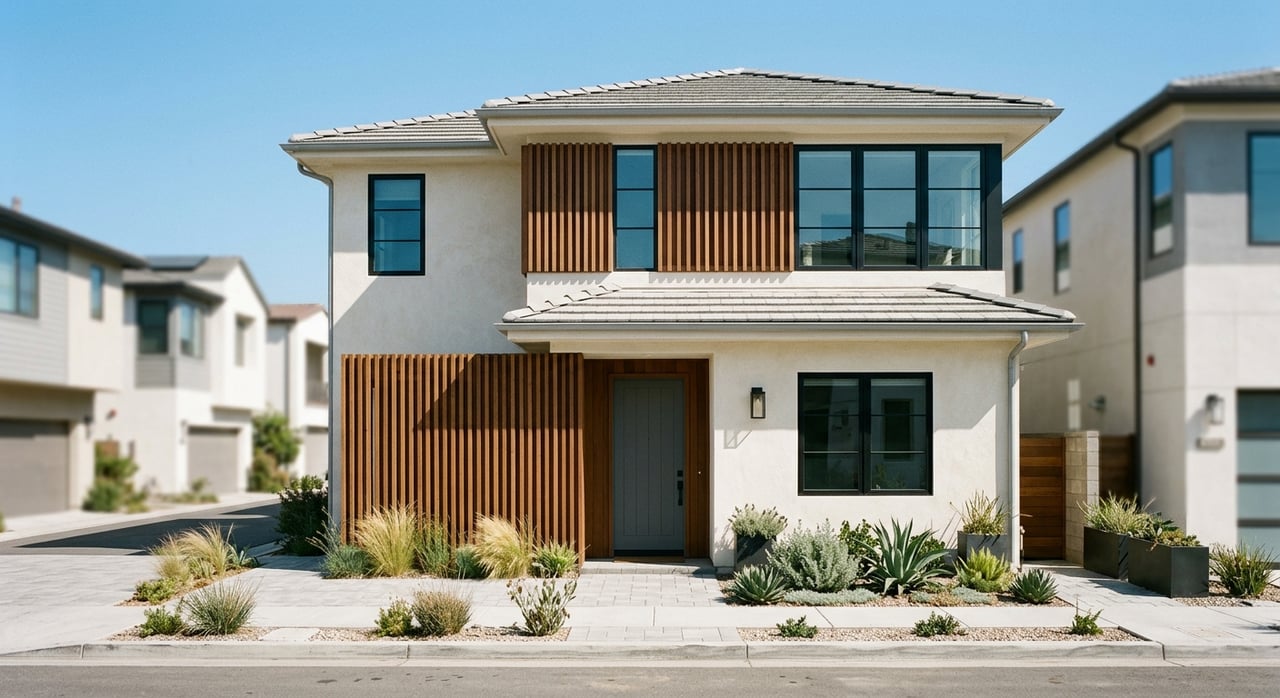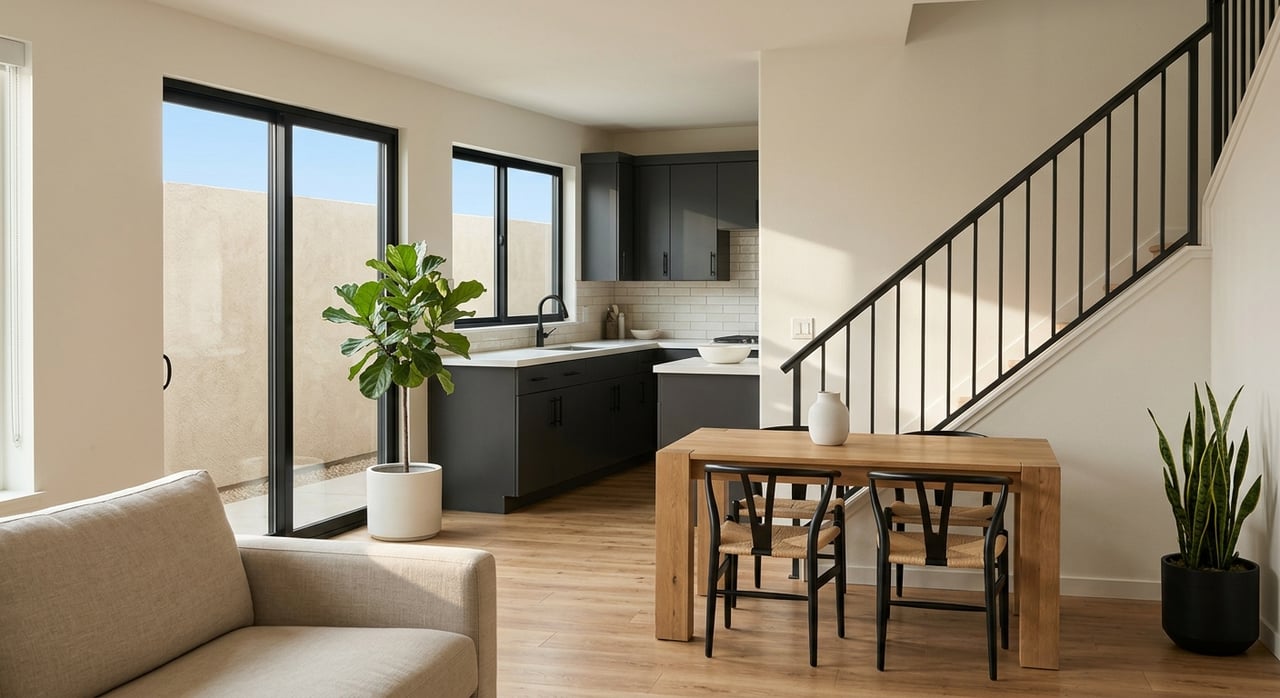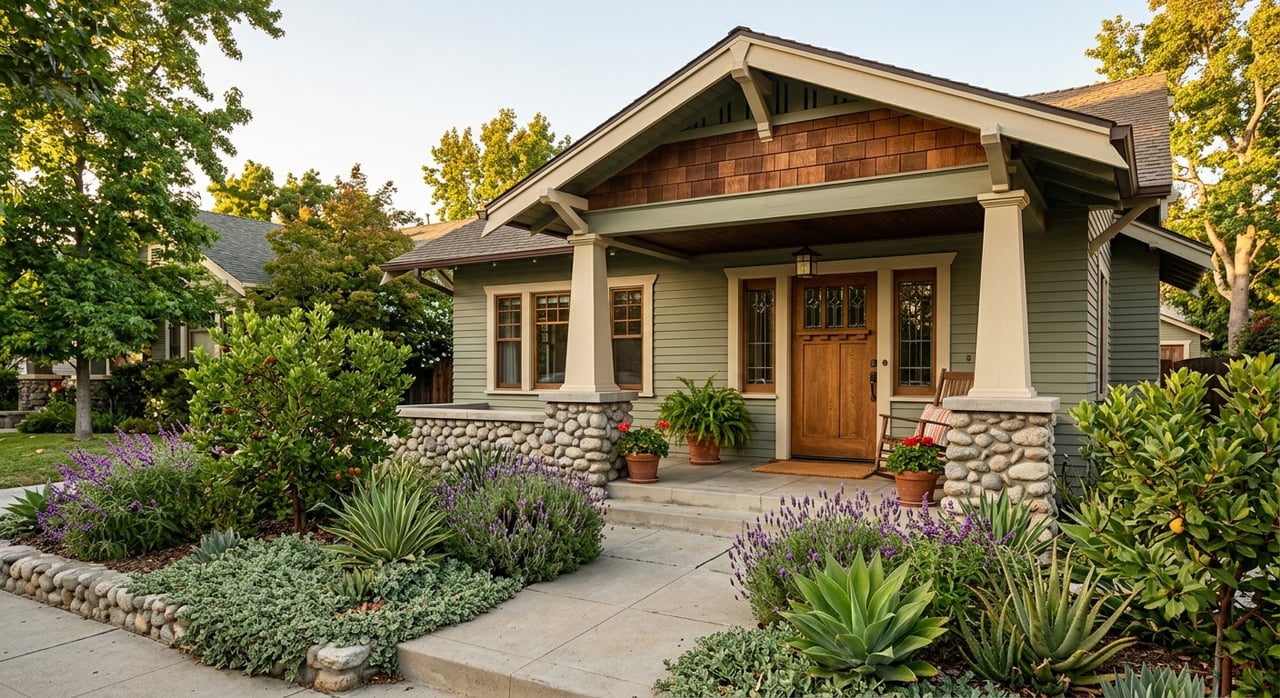
If you want to lower your housing cost in Hawthorne without giving up homeownership, house-hacking deserves a serious look. It can be a practical way to live in one part of a property while using rent from another unit, an ADU, or even a room to help offset your monthly payment. In a market where home values and ownership costs are meaningful, the strategy only works if you run the numbers carefully and understand the local rules. Let’s dive in.
Why House-Hacking Fits Hawthorne
Hawthorne can make sense for live-in investors because rents may cover a meaningful share of ownership costs. As of mid-2026, Zillow shows an average home value of $881,067 in Hawthorne, with average rent around $2,128. At the same time, rent estimates vary by source, which is important for buyers who want realistic projections.
For example, Zillow reports roughly $1,795 for a one-bedroom, $2,395 for a two-bedroom, and $3,800 for a three-bedroom in Hawthorne. Apartments.com reports lower figures, including about $1,617 for a one-bedroom, $1,990 for a two-bedroom, and $2,465 for a three-bedroom. That gap is a good reminder that you should treat rent as a range and base your decision on property-specific comps, not a citywide average.
Zillow also describes Hawthorne’s rental market as warm and shows 290 available rentals. That suggests there is active demand, but it does not eliminate vacancy, turnover, or pricing risk. A smart house-hack plan builds in a cushion instead of assuming the highest possible rent from day one.
Best House-Hack Property Types
Small multifamily homes
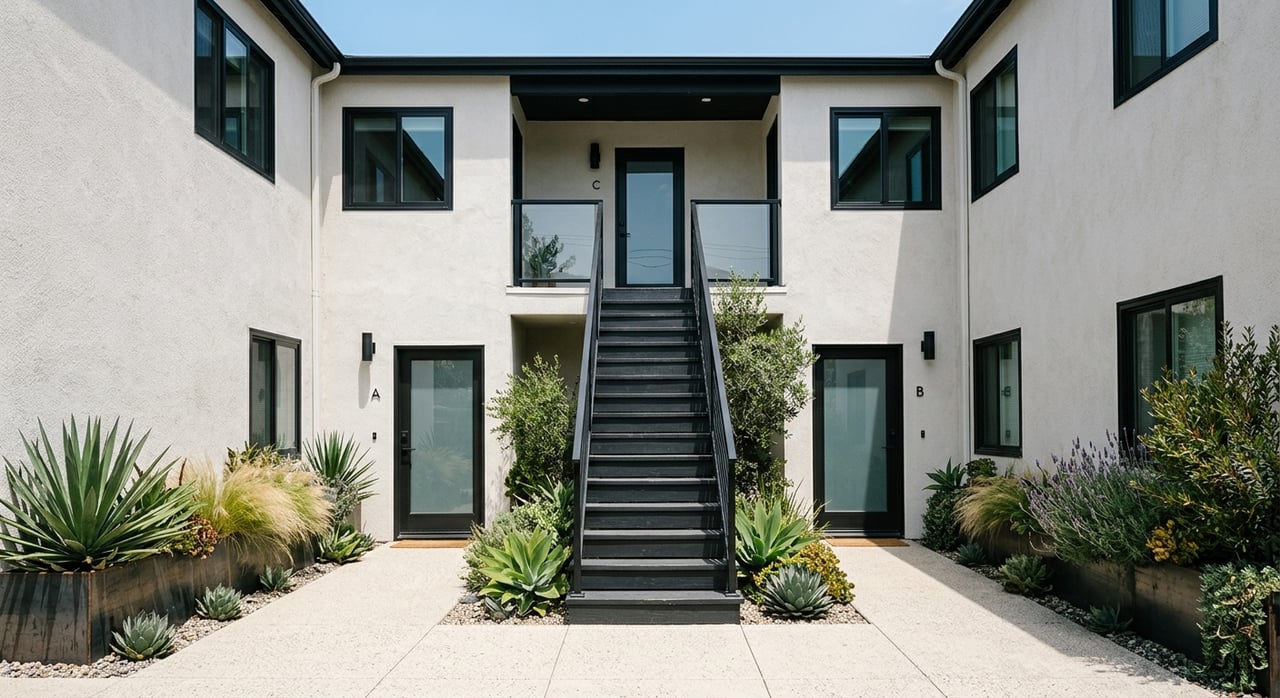
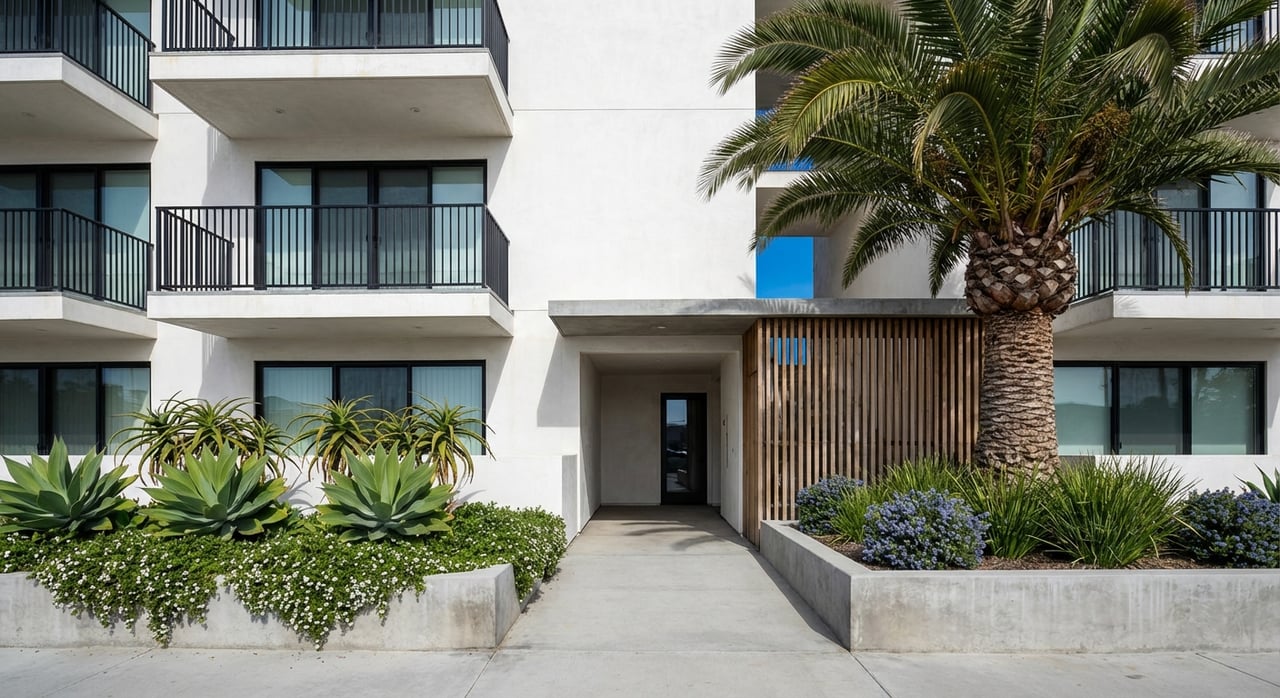
A duplex, triplex, or fourplex is often the clearest house-hack setup. You live in one unit and rent the others, which can create a more straightforward income story than relying on informal room rentals. For many buyers, this is the cleanest path if the goal is both occupancy and long-term investment potential.
There is another reason small multifamily matters in Hawthorne. Los Angeles County’s 2026 conforming loan limits go up to $1,599,375 for two-unit properties, $1,933,200 for three-unit properties, and $2,402,625 for four-unit properties. That keeps many live-in investment scenarios within agency-finance territory.
Single-family homes with an ADU
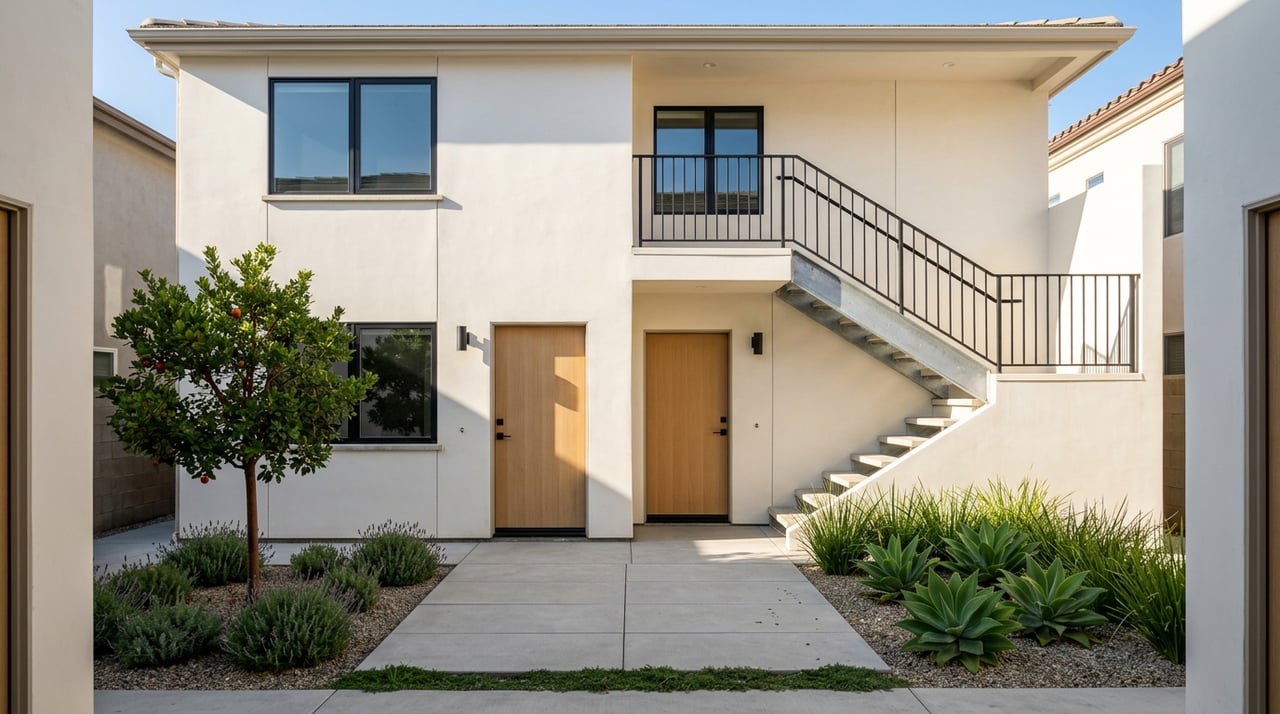
A single-family property with an existing ADU can also work well. If the ADU is legal and rentable, it may help you offset monthly costs while still giving you the feel of a traditional home. This option can be especially appealing if you want more privacy than a shared-wall multifamily setup.
For financing, Fannie Mae allows ADU rental income on a one-unit home to help qualify on eligible purchase or limited cash-out refinance transactions. That said, the ADU income is capped at 30% of total qualifying income. In plain terms, an ADU can help, but it usually cannot carry the entire approval story by itself.
Single-family homes with ADU potential
Some buyers target properties where they can add an ADU or JADU later. In Hawthorne, the city’s ADU chapter applies in residential or mixed-use zones that allow residential units, and complete ADU or JADU applications are reviewed ministerially. You still need a building permit, but the process is not discretionary when the application meets code.
California law is also important here because it sets the baseline for local ADU regulation. On single-family lots, buyers should think of ADUs and JADUs as a state-backed pathway, not a rare local exception. That can open up more possibilities than many buyers expect.
What Hawthorne ADU Buyers Should Know
ADUs are for long-term rentals
In Hawthorne, ADUs and JADUs cannot be used as short-term rentals. They must be rented for 30 days or longer. They also cannot be sold separately from the main property.
If your plan depends on vacation-style turnover or selling the ADU off independently later, this is not the right fit. House-hacking in Hawthorne works better as a long-term hold strategy.
Parking may be easier than expected
Many buyers assume ADU parking rules will kill the deal. In reality, California law caps ADU parking at one space per unit or bedroom, whichever is less, allows tandem parking, and does not require replacement parking in many garage or carport conversion situations.
Hawthorne also says an ADU should generally be placed to the rear and should be visually compatible with the neighborhood when visible. The city further notes that a single-family detached dwelling plus an ADU may not exceed six cars on the lot at one time. These are details worth checking early, but they are often manageable.
Older lots may still be workable
A property with older or nonconforming conditions is not automatically disqualified from an ADU project. California law limits denials based on nonconforming zoning or building-code issues unless the issue creates a public health or safety threat affected by the ADU construction.
That is helpful for buyers looking at older Hawthorne housing stock. Still, you want to verify permit history, site conditions, and project feasibility before assuming a future ADU will pencil out.
JADU occupancy rules matter
JADUs come with a key wrinkle that buyers should understand. According to California housing guidance, owner occupancy is required if a JADU shares sanitation facilities with the primary structure. If the JADU has separate sanitation, owner occupancy is not required in that same way.
This matters if you are planning around flexibility later. Before you buy, it is worth understanding whether your long-term plan fits the exact ADU or JADU setup on the property.
Financing a Hawthorne House-Hack
Low-down-payment options exist
Many buyers are surprised to learn that owner-occupied 2- to 4-unit financing can still offer relatively low down payment options. Fannie Mae’s standard conventional matrix allows principal-residence purchases of 2- to 4-unit properties up to 95% loan-to-value. Its HomeReady matrix also shows 95% loan-to-value for 2- to 4-unit principal residences, with a 3% minimum borrower contribution from your own funds when the loan-to-value is above 80%.
Freddie Mac also supports owner-occupied 2- to 4-unit properties, and its Home Possible product is advertised with down payments as low as 3% for eligible borrowers. FHA is another common route, with HUD stating that FHA-insured mortgages can be used for 2- to 4-unit properties and typically require a 3.5% minimum investment.
Rental income is usually discounted
One of the biggest mistakes buyers make is treating projected rent as dollar-for-dollar qualifying income. Fannie Mae generally uses a lease or appraiser-supported market rent and applies a 75% factor to gross rent to account for vacancy and maintenance.
Here is what that means in practice. If a Hawthorne two-bedroom is estimated at $2,395 gross rent, a lender using that 75% rule of thumb may count about $1,796 toward qualifying income. That is still meaningful, but it is lower than the headline rent number.
Room rentals are less useful for approval
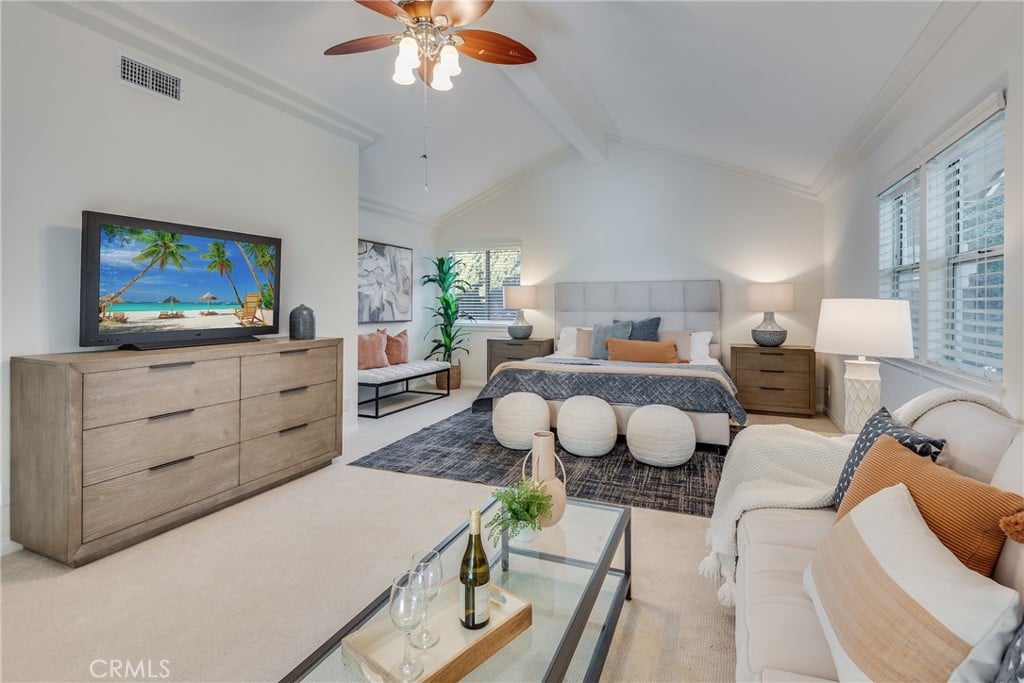
Renting a spare bedroom can absolutely help your monthly budget after closing. It is just not as lender-friendly for purchase qualification. Fannie Mae generally does not treat boarder income from your principal residence as stable income except in limited cases, and it requires a 12-month history of shared residency and payments.
So if you are planning to rent out a room, think of it as a cost-offset strategy rather than the foundation of your financing approval. That distinction can save you from overestimating what you can qualify for.
How to Underwrite Conservatively
A strong house-hack plan starts with conservative assumptions. Since Hawthorne rent data varies by source, it is safer to use appraiser-supported market rent or a current lease than an optimistic online estimate. That is also more consistent with how lenders typically review the file.
It helps to think in layers:
- Start with the likely mortgage, taxes, insurance, and any repair budget
- Estimate rent using property-specific comps, not broad city averages
- Apply a vacancy and maintenance cushion instead of counting full gross rent
- Treat room-rental income as a bonus, not a requirement
- Stress-test the payment based on a slower lease-up or lower-than-expected rent
This approach is less exciting than a best-case spreadsheet, but it is usually the difference between a stable purchase and a stressful one.
Due Diligence Before You Buy
Before you write an offer, verify the basics that can shape the entire strategy. In Hawthorne, buyers should confirm permit history, zoning, parking, and whether an ADU or JADU can be built without triggering larger code issues. The city’s process is ministerial for complete conforming applications, but the application still has to be complete and code-compliant.
If you plan to hold the property as a rental later, you should also understand California’s statewide rent-cap and just-cause framework, which may apply to many units older than 15 years. The California Attorney General also notes that cities and counties may have additional rental protections. That does not make the deal bad, but it does mean long-term ownership should be evaluated with clear eyes.
The big picture is simple. Hawthorne house-hacking can work well when rental income acts as a margin of safety, not a promise. If you buy with conservative numbers and a clear understanding of financing and property constraints, the strategy can create both housing flexibility and long-term upside.
If you are weighing a duplex, a small multifamily property, or a single-family home with ADU potential in Hawthorne, a calm second look at the numbers can make all the difference. For practical guidance on evaluating the property, the rent story, and the local fit, connect with Dennis Hartley.
FAQs
What does house-hacking in Hawthorne usually mean?
- House-hacking in Hawthorne usually means you live in one part of the property and rent another part, such as a separate unit, an ADU, or a spare room, to help offset ownership costs.
What rent should you expect for a Hawthorne house-hack property?
- Hawthorne rent should be treated as a range because market sources differ. Mid-2026 data shows about $1,795 to $1,617 for one-bedrooms, $2,395 to $1,990 for two-bedrooms, and $3,800 to $2,465 for three-bedrooms depending on the source.
Can you use ADU income to qualify for a Hawthorne home purchase?
- In some cases, yes. Fannie Mae allows rental income from an existing ADU on a one-unit property to help qualify for certain purchases, but it caps that ADU income at 30% of total qualifying income.
Can you use roommate income to qualify for a Hawthorne house-hack loan?
- Usually not in a simple way. Boarder income is generally not treated as stable qualifying income unless you meet limited documentation requirements, including a 12-month history of shared residency and payments.
Are ADUs in Hawthorne allowed as short-term rentals?
- No. Hawthorne requires ADUs and JADUs to be rented for 30 days or longer, so they are intended for long-term rental use rather than short-term stays.
What should you verify before buying a Hawthorne property for house-hacking?
- You should verify permit history, zoning, parking, ADU or JADU feasibility, and realistic market rent assumptions before relying on a house-hack plan.