Mortgage trouble has a way of making every unopened envelope feel heavier than the last. A missed payment becomes two, unfamiliar notices begin arriving, and suddenly it can feel as though the lender has already taken control of what happens next.
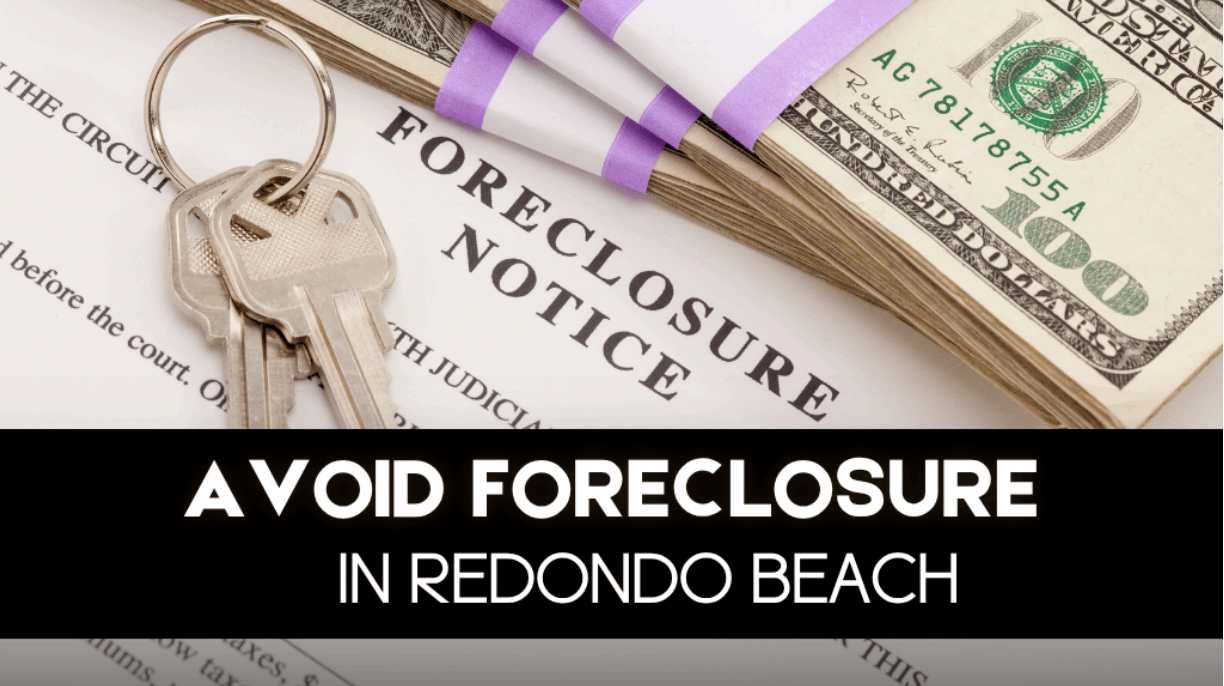
That feeling is understandable, but silence usually makes the situation harder. Missing payments or receiving a Notice of Default does not automatically mean the home has already been lost, and it does not necessarily mean every owner must complete a short sale. Some Redondo Beach homeowners may still have enough equity to sell traditionally, pay the mortgage and foreclosure-related charges, and retain part of their proceeds.
Foreclosure Is a Process, Not a Single Letter
The phrase foreclosure is often used to describe several very different stages. Knowing which stage applies can change the options available to you.
Missed Payments and Delinquency Come First
A mortgage generally becomes delinquent when a required payment is not made on time. Late charges may accumulate, the servicer may begin contacting the borrower, and the missed payments can eventually affect credit.
A Notice of Default Formally Starts the Foreclosure Process
Los Angeles County explains that California’s nonjudicial foreclosure process formally begins when a Notice of Default is recorded. The notice identifies the delinquent amount, including missed payments and foreclosure-related fees. The county states that the borrower generally has 90 days from the recording date to pay the amount owed before the next major foreclosure notice can be recorded.
Receiving a Notice of Default is serious, but it does not mean the trustee sale has already happened. The property may still be sold before foreclosure if there is enough time to market it, secure an offer, resolve liens, satisfy the lender’s requirements, and close before the applicable deadline.
A Notice of Trustee Sale Means the Deadline Is Much Closer
When the default is not resolved during the applicable period, a Notice of Trustee Sale may be recorded. This notice identifies when and where the property is scheduled to be sold. Los Angeles County states that it must generally be mailed at least 20 days before the planned sale and posted at the property.
Myth: A Notice of Default Means It Is Too Late to Sell
A Notice of Default is not the same as a completed foreclosure. There may still be time to sell, particularly when the homeowner contacts the lender and begins evaluating the property immediately.
The available window depends on the recorded deadlines, the servicer’s actions, the home’s value, the amount owed, title complications, the property’s condition, and how quickly a qualified buyer can close. A homeowner should never rely on a general timeline found online when an actual trustee sale date has been scheduled.
As a top-performing South Bay REALTOR®, Dennis Hartley has seen how quickly the strategy must change once a formal notice has been recorded. A normal sale might allow weeks for preparation and testing the market. A pre-foreclosure sale may require immediate valuation, direct communication with the servicer, streamlined preparation, and a price supported by current buyer demand.
Do You Have Enough Equity for a Traditional Sale?
Not every homeowner behind on payments needs a short sale. The deciding question is whether the expected sale proceeds can pay the mortgage and every other obligation tied to the closing.
Begin with a realistic market value rather than the highest online estimate. Then subtract the official mortgage payoff, missed payments, late charges, foreclosure fees, secondary loans, liens, delinquent property taxes, real estate commissions, escrow and title charges, repairs, concessions, and other expected selling expenses.
California Law May Provide Important Protections
California’s Homeowner Bill of Rights establishes protections for certain homeowners facing foreclosure. The rules do not stop every foreclosure automatically, and their application can depend on the property, loan, servicer, occupancy, and timing.
The Servicer Must Generally Attempt Foreclosure-Prevention Contact
The California Attorney General explains that a mortgage servicer generally must try to contact the homeowner at least 30 days before recording a Notice of Default to discuss the financial situation and possible foreclosure-prevention alternatives. The Homeowner Bill of Rights generally applies to qualifying first-lien mortgages on owner-occupied residential properties containing no more than four units, although additional details and exceptions may affect an individual case.
Certain Dual-Tracking Activity Is Restricted
“Dual tracking” describes moving forward with foreclosure while simultaneously reviewing a homeowner for a foreclosure-prevention alternative. California’s protections generally require certain servicers to pause specified foreclosure activity while a completed loan-modification application is being reviewed and during an applicable appeal period. Servicers also generally cannot foreclose while a borrower is complying with an approved modification, forbearance, repayment plan, or other qualifying alternative.
Submitting incomplete paperwork or merely beginning an application may not trigger every protection. Homeowners should keep copies of all documents, note when items were sent, confirm whether the servicer considers the application complete, and seek legal advice when deadlines or possible violations are unclear.
The Best Time to Understand Your Options Is Today
Being behind on mortgage payments in Redondo Beach does not automatically mean foreclosure is inevitable. A traditional sale may still be possible when the home has enough equity. A short sale may be considered when a genuine deficiency exists, and the servicer approves it. A loan modification, repayment plan, forbearance, reinstatement, or another alternative may be more appropriate when keeping the home is realistic.
The options usually become narrower as deadlines pass. Open the mail, contact the servicer, request the exact reinstatement and payoff figures, and confirm whether a Notice of Default or Notice of Trustee Sale has been recorded.
HUD-approved housing counselors provide free or very low-cost assistance with foreclosure prevention, budgeting, loan-servicer communication, and available mortgage options. HUD maintains an official counselor search and advises struggling homeowners to seek help promptly.
Need to determine whether you can sell your house before foreclosure in Redondo Beach? Contact Dennis Hartley for a confidential valuation, estimated equity calculation, seller net sheet, and realistic assessment of how long a market sale may require. Dennis can organize the real estate side while you communicate directly with your servicer and seek assistance from a HUD-approved housing counselor and qualified attorney when appropriate.
FAQs
Can I Sell After Receiving a Notice of Default in California?
A sale may still be possible because a Notice of Default begins the formal foreclosure process rather than completing it. The homeowner must confirm the recorded deadlines and determine whether the transaction can close before the trustee sale.
Do I Need a Short Sale Because I Missed Mortgage Payments?
Not necessarily. A traditional sale may still be possible if the property is worth enough to pay the mortgage, liens, delinquency charges, and selling costs in full.
Will Listing My Home Stop the Foreclosure?
No. Listing or accepting an offer does not automatically stop foreclosure activity. The homeowner must continue communicating with the servicer and obtain written confirmation of any postponement or agreement.
Where Can I Get Independent Foreclosure Help?
A HUD-approved housing counselor can help review mortgage options, organize financial information, and communicate with the servicer. For legal questions, contact a qualified California attorney.
About Dennis Hartley
Dennis Hartley is a top-performing South Bay REALTOR® who has completed more than 920 lifetime home transactions and helped hundreds of buyers and sellers successfully navigate the Redondo Beach real estate market.
Known for his deep local knowledge and client-first approach, Dennis has earned 73 five-star Google reviews and 56 five-star Zillow reviews from clients throughout Redondo Beach, Hermosa Beach, Manhattan Beach, Torrance, and surrounding South Bay communities.