If you're comparing El Segundo to Manhattan Beach, Redondo, or Torrance right now, you've probably run into a number that looks like an opening. Over the three months ending in May 2026, El Segundo's median sale price across all home types was $1.6 million, down 11.4 percent from the same period a year earlier. That reads like a market that's cooling off. A buyer scanning that figure might reasonably think El Segundo just got more affordable relative to its neighbors.
It didn't. Over that same window, the median price per square foot in El Segundo actually rose 6.2 percent year over year, and listings this August are spending less time on the market, not more. The city's homes for sale in August 2026 carried a median of 55 days on market, 17 percent faster than the same month last year. A market that's genuinely softening doesn't usually get faster and more expensive per square foot at the same time.
So which number is lying? Neither. They're both true, and once you see how, you'll read every other neighborhood's "median price" the same way from now on.
The number that's actually two numbers
Break El Segundo's first-quarter 2026 sales out by property type and the picture flips. The median sale price for single-family houses was $2 million, up 21.1 percent year over year. Condos had a median of $1.1 million, up 33.7 percent year over year. Every category of home sold for meaningfully more than it did a year earlier.
Segment | Q1 2026 median | Year-over-year change |
|---|---|---|
Houses | $2.0M | +21.1% |
Condos | $1.1M | +33.7% |
Blended (all types) | $1.6M | -3.5% |
Houses cost more. Condos cost more. The blended figure that combines them fell. That's not a contradiction in the data. It's a mix effect, and it's the kind of thing that happens when you average across a very small number of transactions.
Why 27 sales can move a median by double digits
El Segundo had 27 total residential sales in the first quarter of 2026. That's not a typo and it's not unusual for a city this size, but it means the "median" isn't drawn from a deep pool. It's the middle value of a couple dozen closings. Swap in three more condo sales and two fewer house sales, and the blended median shifts hard even though nobody's home got cheaper.
This is the part a scraped headline number will never tell you: in a market where a quarter's worth of activity fits on one spreadsheet tab, which specific homes happen to close matters as much as what buyers are willing to pay for them. A single $3 million house that sells in April instead of March can swing the median. So can a run of smaller condo closings that happen to cluster in the same three-month window. None of that is a signal about direction. It's sampling noise wearing a headline.
If you're using El Segundo's median price to decide whether the city is more or less expensive than it was last year, you're measuring the wrong thing. The honest comparison is house-to-house and condo-to-condo, and on that comparison, El Segundo got pricier across the board.
What's actually splitting the market: which side of Sepulveda
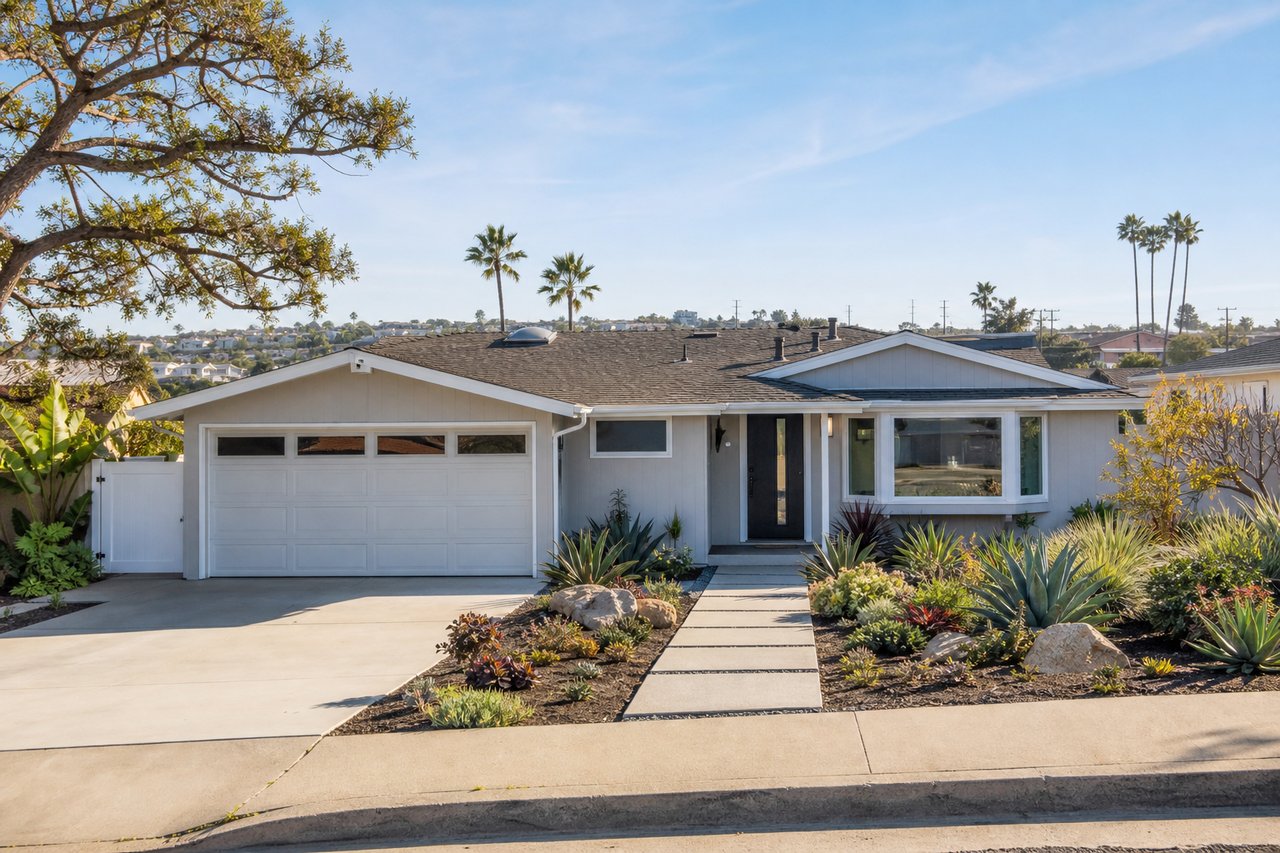
The mix effect makes more sense once you know what's sitting on either side of the line that runs through the city. West of Sepulveda Boulevard is the residential, walkable El Segundo people picture: streets feeding into Main Street, Richmond Street, and Grand Avenue, a housing stock built up largely in the aerospace era of the 1940s, and lots small enough that expanding outward usually isn't an option. East of Sepulveda is where commercial, aerospace, and office uses take over and shape the traffic and infrastructure around them.
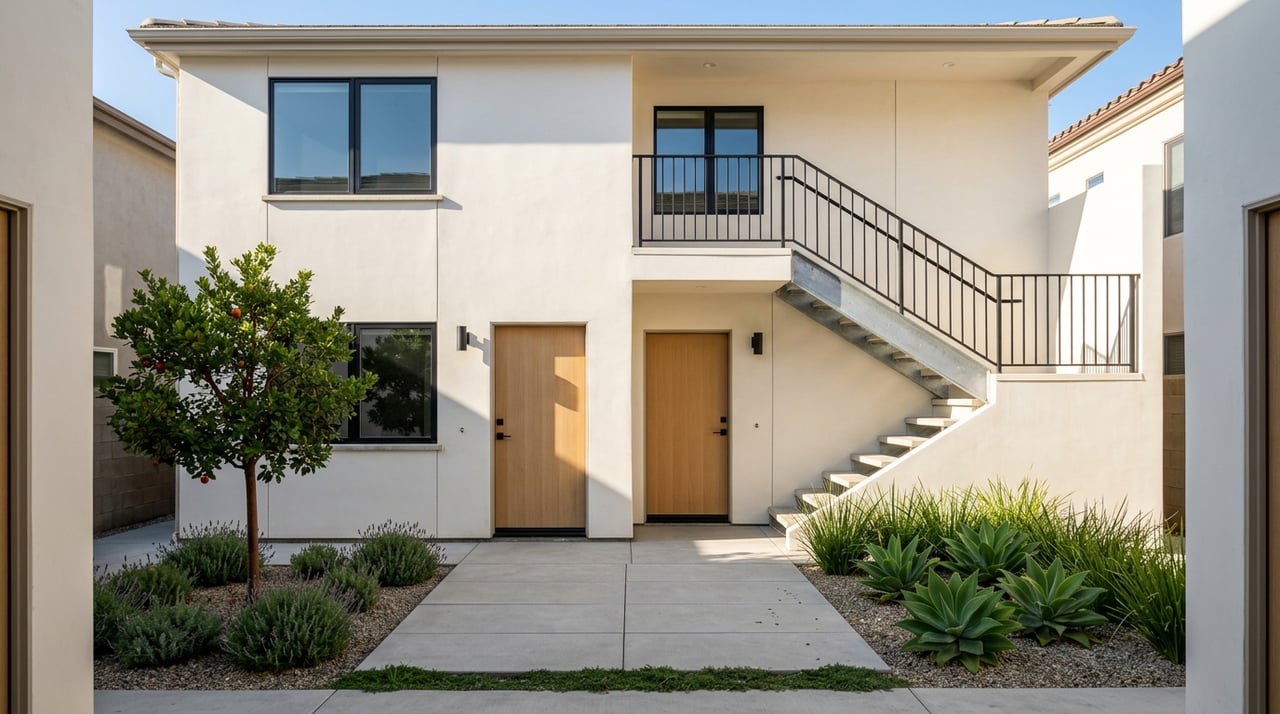
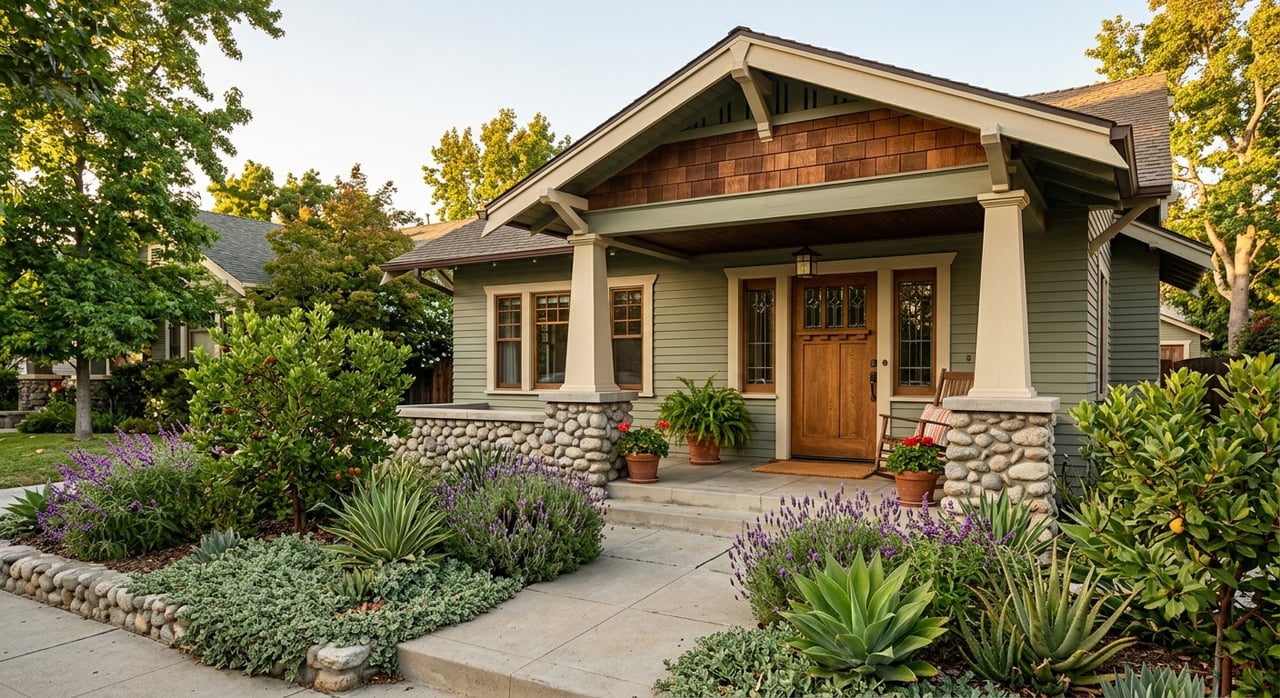
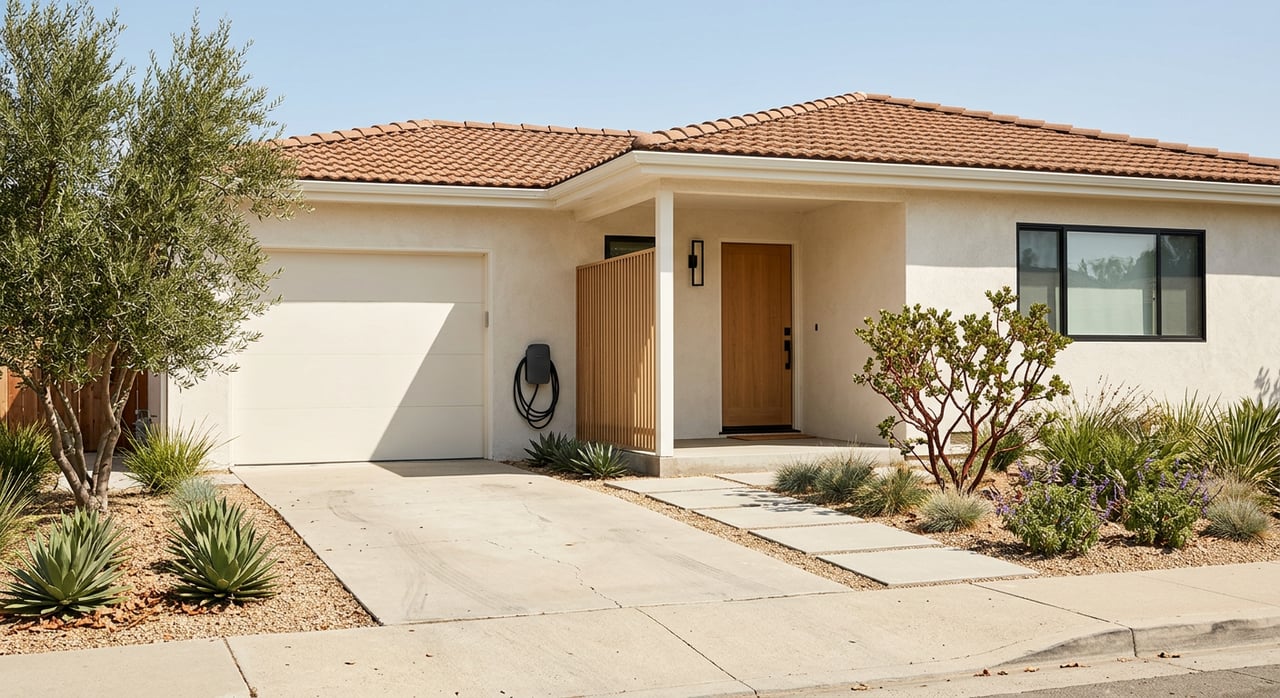
That west-side stock is the reason so many owners here are adding ADUs or converting garages instead of buying bigger. When your lot can't grow, adding finished square footage is the only lever left, and it's exactly the lever that shows up in a rising price-per-square-foot figure even while a blended median wobbles. A 1940s bungalow with a converted garage or a legal ADU isn't competing on lot size. It's competing on usable square feet, and that market has been getting more expensive by the foot, not less.
None of this is happening in a vacuum. El Segundo's own economic development office markets the city to employers partly on lease rates that undercut the neighboring West LA submarket, which is one reason the tech and aerospace employment base here has stayed a steady source of buyer demand even as national housing headlines swing around. A city that keeps adding well-paid jobs inside its own boundary tends to keep pressure on the price of every square foot of housing near it, whatever the blended median says in any given quarter.
What this means depending on which side of the transaction you're on
If you're comparing neighborhoods and El Segundo's median looked like a discount, ask for the number broken out by property type before you act on it. A blended median that dropped 3.5 to 11 percent year over year while houses rose 21 percent and condos rose 34 percent isn't telling you the market got cheaper. It's telling you more condos closed relative to houses in that window. Those are very different pieces of information if you're trying to decide whether your budget stretches further here than it did a year ago. It doesn't.
If you already own here and you're weighing whether to sell now or wait, the faster days-on-market figure matters more than the blended price. Homes moved 17 percent faster this August than last, which is a demand signal a falling headline median can obscure entirely. A house priced correctly for its segment, not for the blended citywide number, is still selling in under two months.
And if you're sitting on one of those compact west-side lots wondering whether an ADU or garage conversion pencils out before you list, that's a renovation-economics question as much as a pricing one. It's the kind of calculation I look at differently than most agents, given my background as a contractor and CPA before I got into brokerage full time. Knowing what a conversion actually costs to build, and what it adds to a home's usable square footage versus its lot size, changes what number you should be asking for.
A few questions worth asking before you act on any of this
Does a falling median mean I can lowball an offer in El Segundo right now? Not based on what's actually happening here. Houses and condos are both selling for more than they did a year ago, and homes are moving faster, not slower.
Should I trust price per square foot over median price when I'm comparing this city to another? In a market this size, yes. With only a couple dozen transactions closing in a typical quarter, the blended median is far more sensitive to which specific homes happened to sell than price per square foot is.
Is the ADU and garage-conversion trend specific to El Segundo, or is it everywhere in the South Bay? It shows up wherever lots are small and can't expand outward, but it's especially common on El Segundo's west side, where the housing stock dates to the 1940s and there's often no room to build out.
If you're trying to figure out what a specific property or a specific block of El Segundo actually costs right now, rather than what a blended citywide average implies, that's a conversation worth having before you make an offer or list. Let's connect and I'll walk through the segment that actually applies to you.