Redondo Beach Housing Element: What Buyers Should Know About Future Development
What happens when a coastal city with limited space is asked to make room for thousands of additional homes? That is the question behind Redondo Beach’s updated Housing Element, and it matters even if you are not especially interested in planning documents, zoning maps, or City Hall meetings.
For buyers, the real story is much more practical. The city is identifying where future housing could go, what kinds of homes it may encourage, and how Redondo Beach might gradually create more choices in a market where available land is already limited. None of this means thousands of homes will suddenly appear, but it could influence where new opportunities emerge over the coming years.
The Housing Element Is a Roadmap, Not a Construction Schedule
The Housing Element is the part of Redondo Beach’s General Plan that explains how the city intends to accommodate housing needs across different income levels. California requires cities to update these plans regularly and show that their zoning can support an assigned share of regional housing demand.
Redondo Beach’s current Housing Element covers the 2021–2029 planning period. The city has continued revising the document to address state requirements and clarify how future housing sites may be rezoned or developed.
Why the Plan Needed Another Update
The revised strategy changes how certain housing sites would be treated. Instead of relying primarily on overlay zoning, some properties may move into higher-density multifamily or mixed-use categories. Certain mixed-use sites could also be required to devote at least half of their future floor area to housing.
Some locations may allow densities of approximately 65 homes per acre, while certain mixed-use areas could accommodate up to 80 homes per acre. Those numbers describe what could legally be built. They do not mean every property owner will redevelop or that those homes will reach the market anytime soon.
Zoning creates the possibility of housing, but development still requires willing property owners, financing, design work, approvals, and construction. For buyers, that distinction matters because this is a long-term planning change, not an immediate surge in listings.
Future Housing May Look Different From the Redondo Beach Buyers Know Today
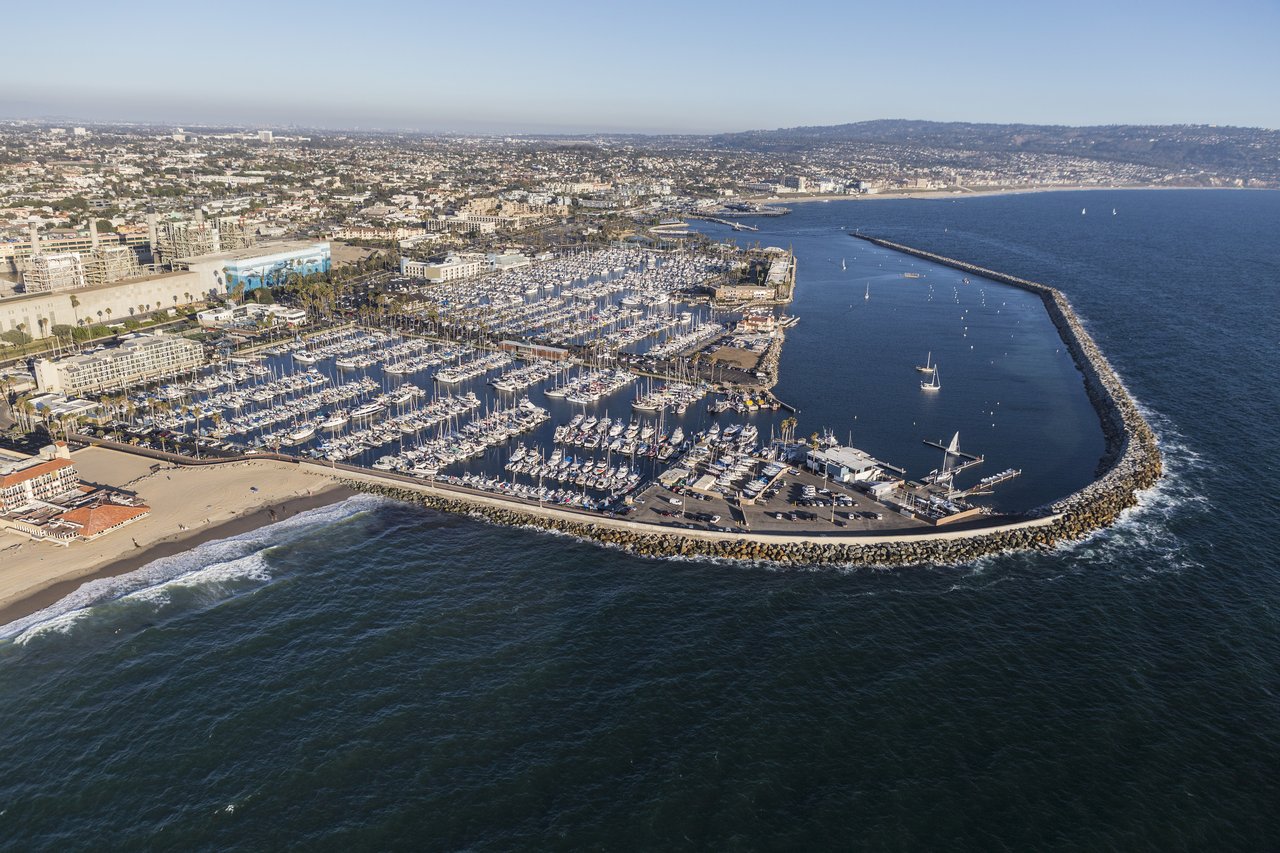
Redondo Beach is largely built out, so creating more housing will likely mean using existing land differently rather than opening entirely new neighborhoods.
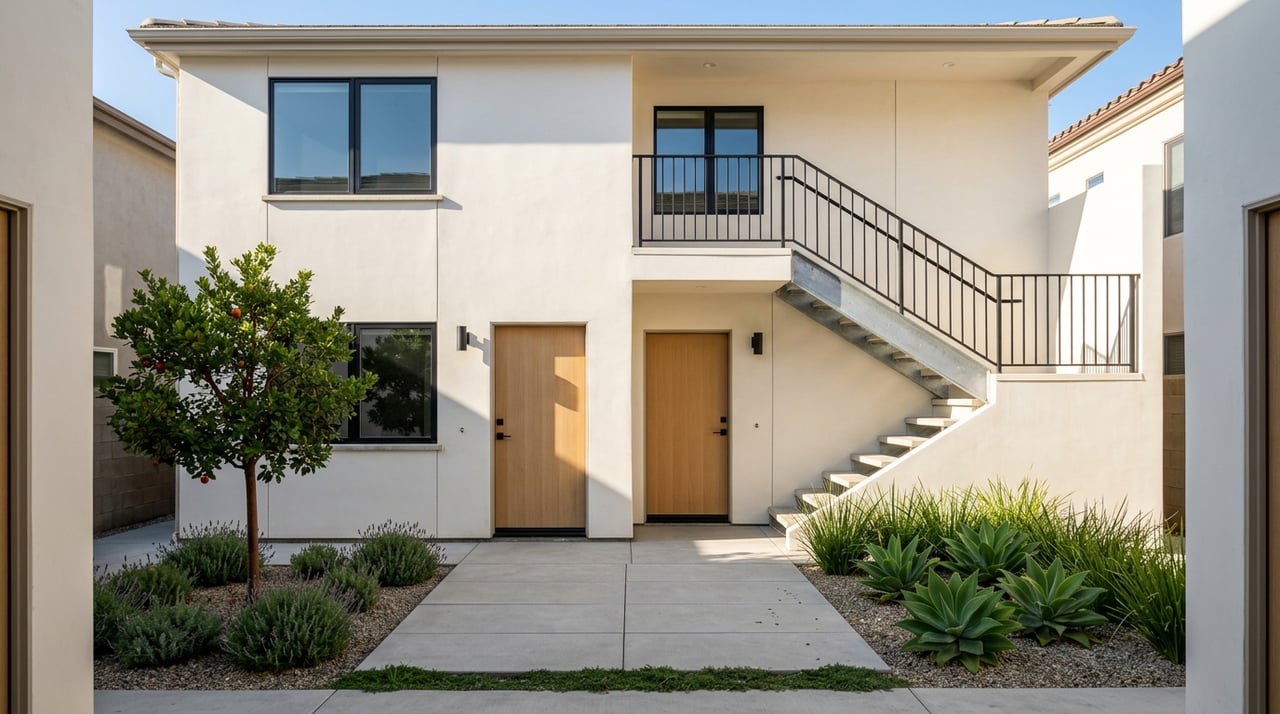
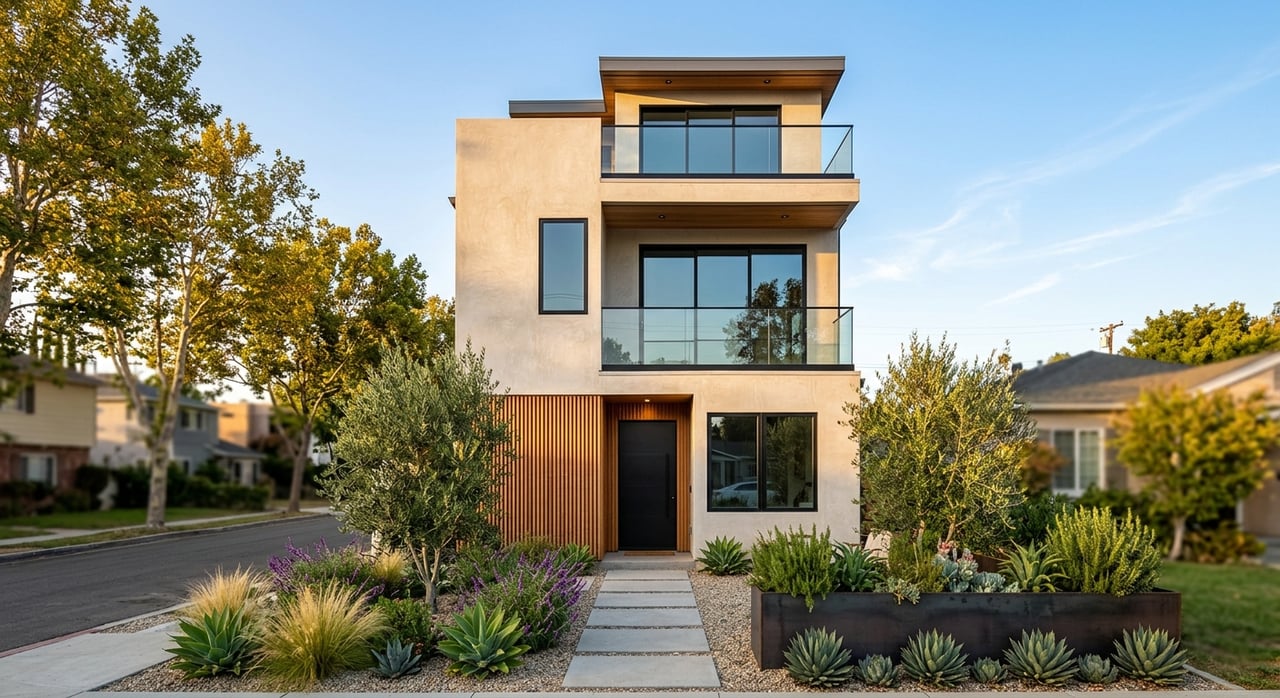
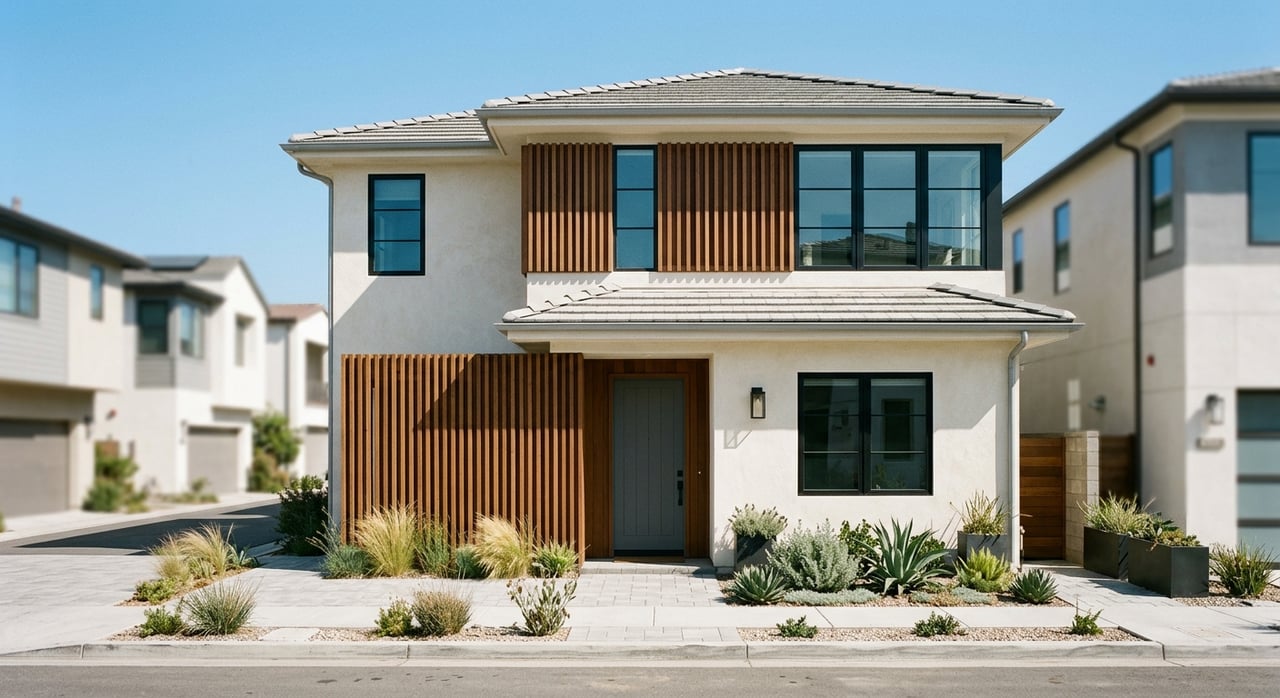
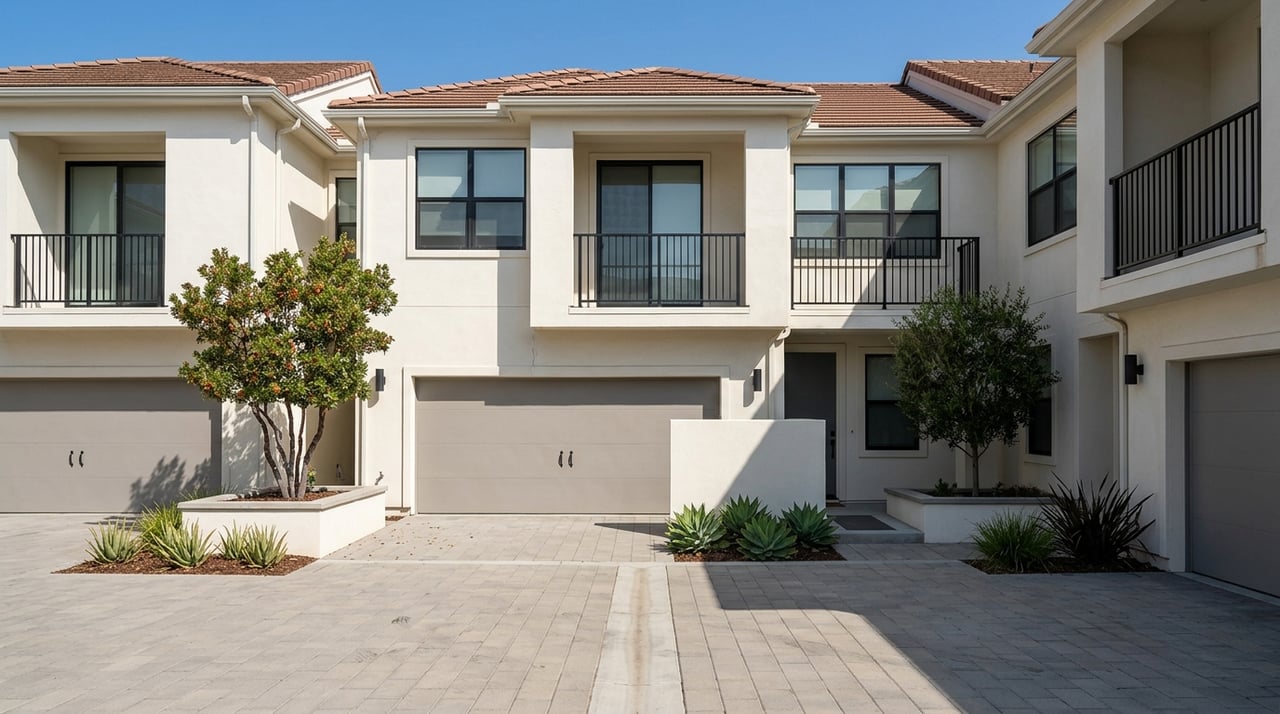
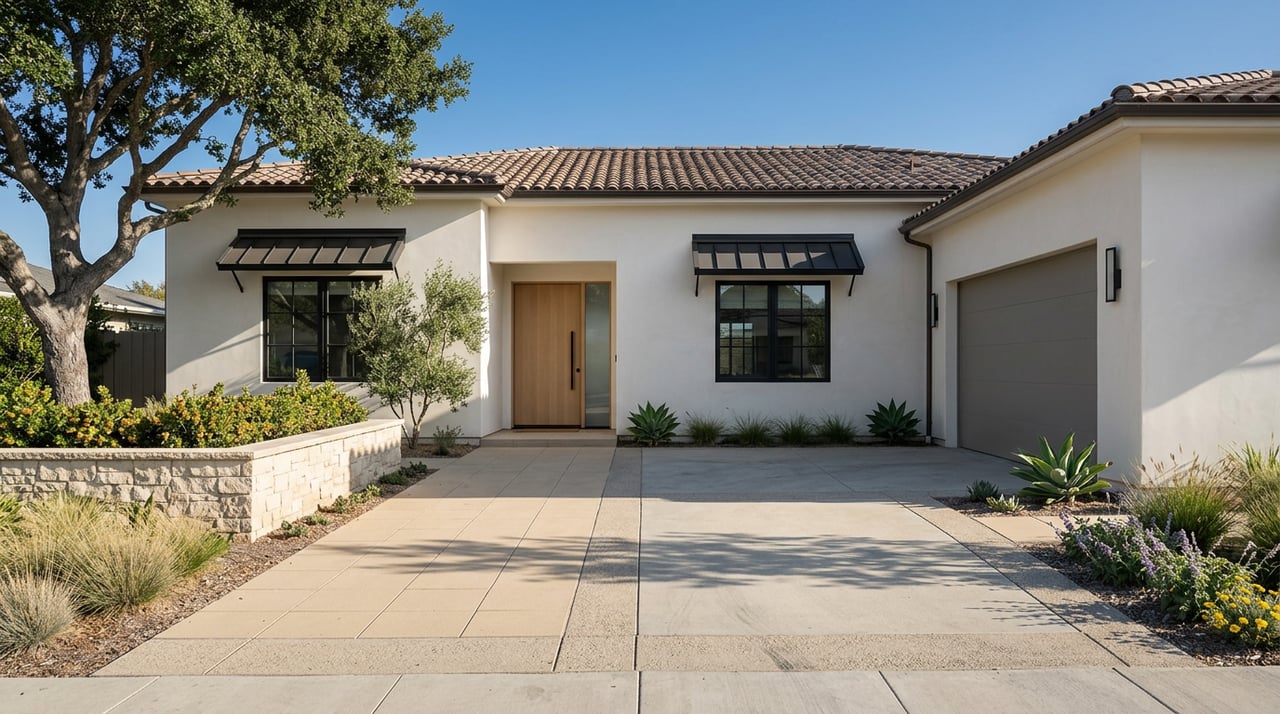
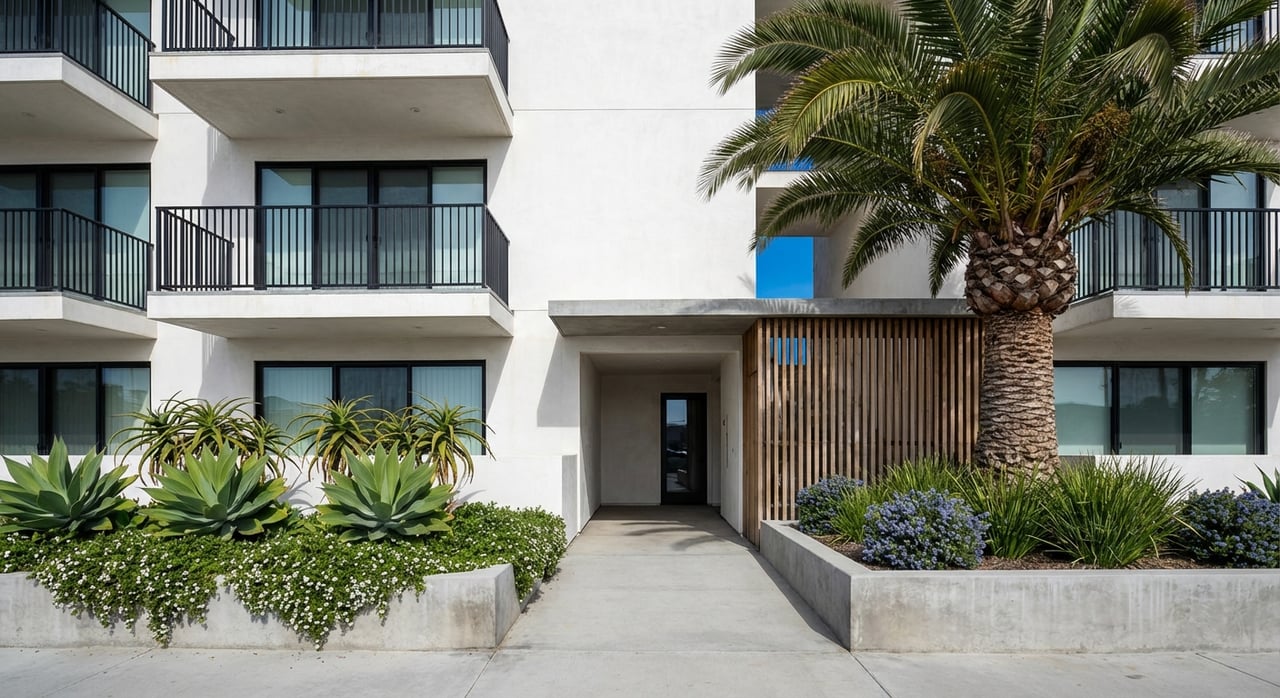
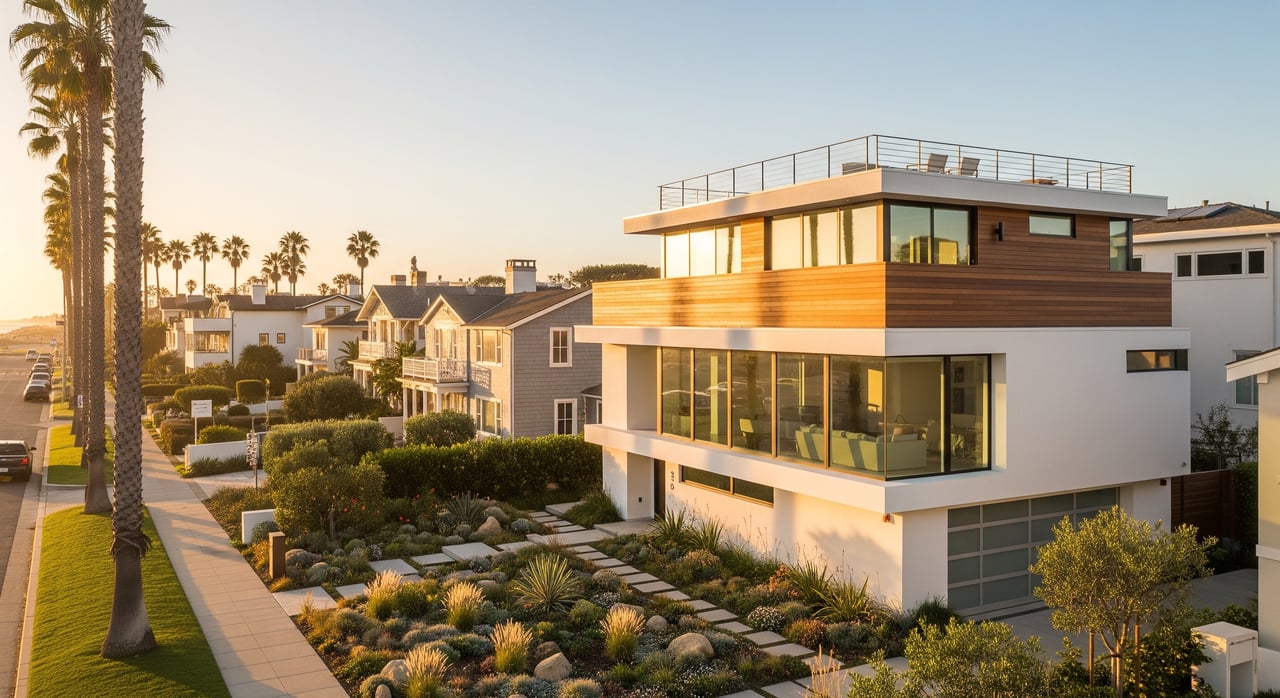
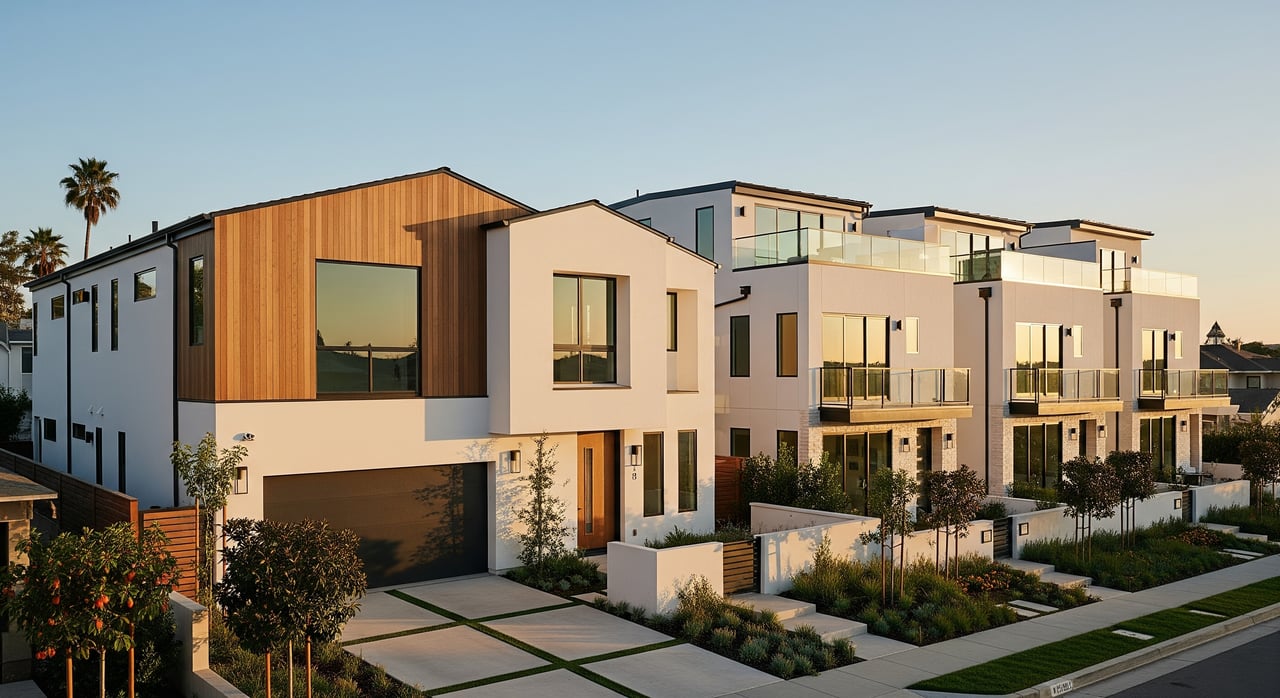
That could result in more condominiums, apartments, townhome-style residences, mixed-use projects, and smaller homes in locations currently occupied by commercial or lower-density uses.
More Attached Housing Could Create New Entry Points
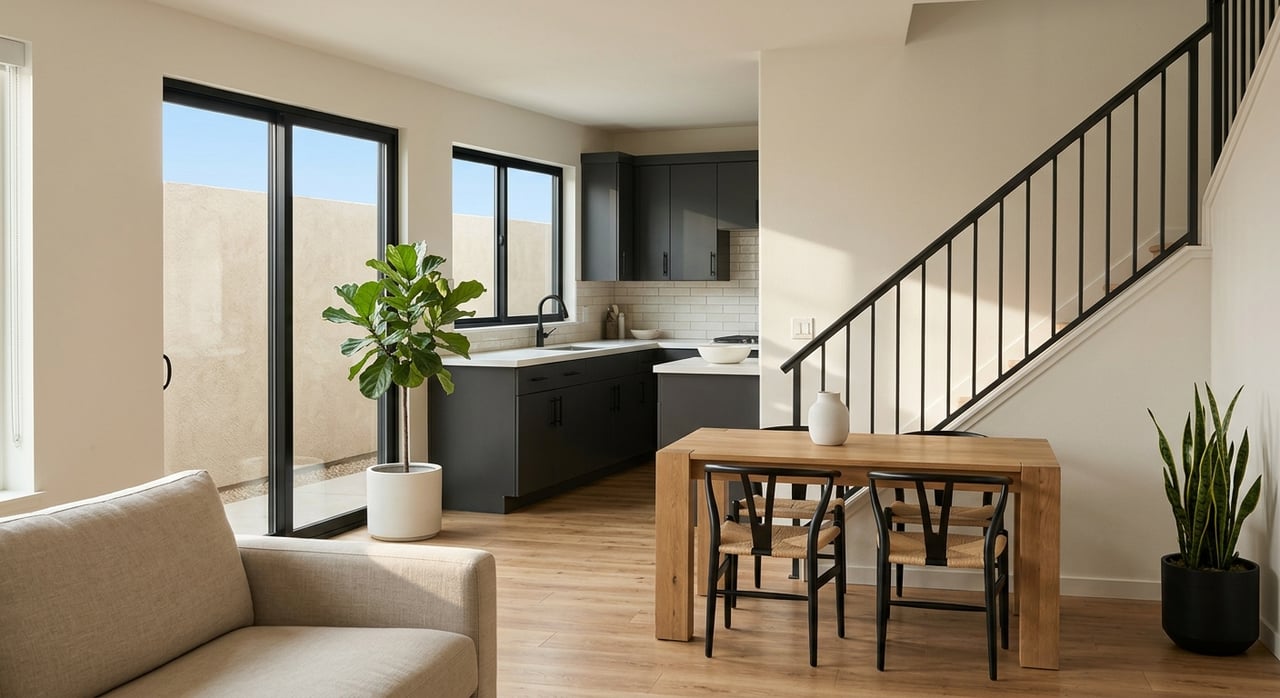
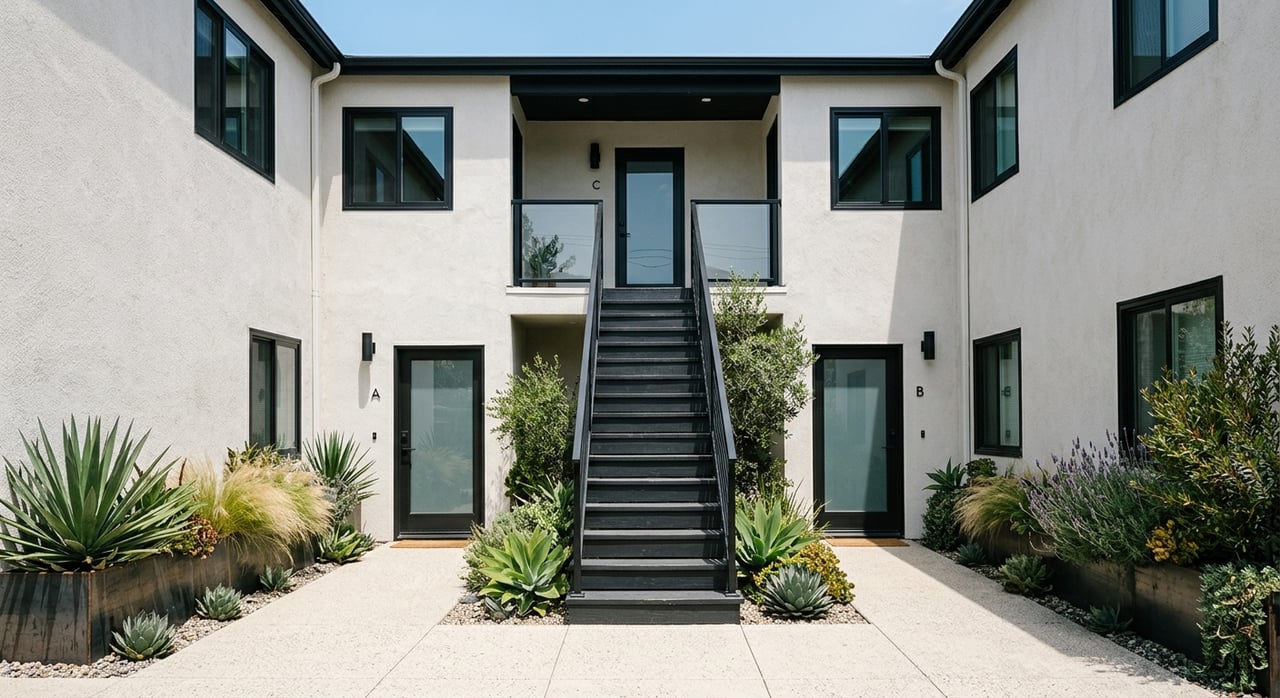
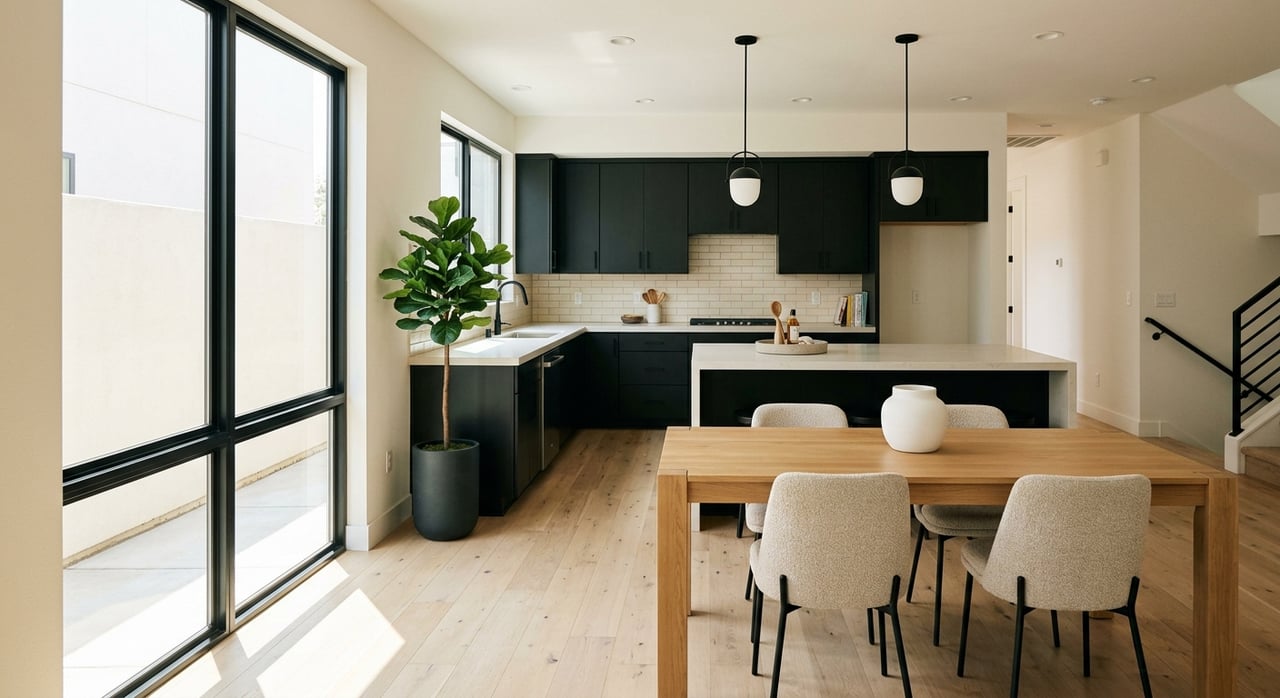
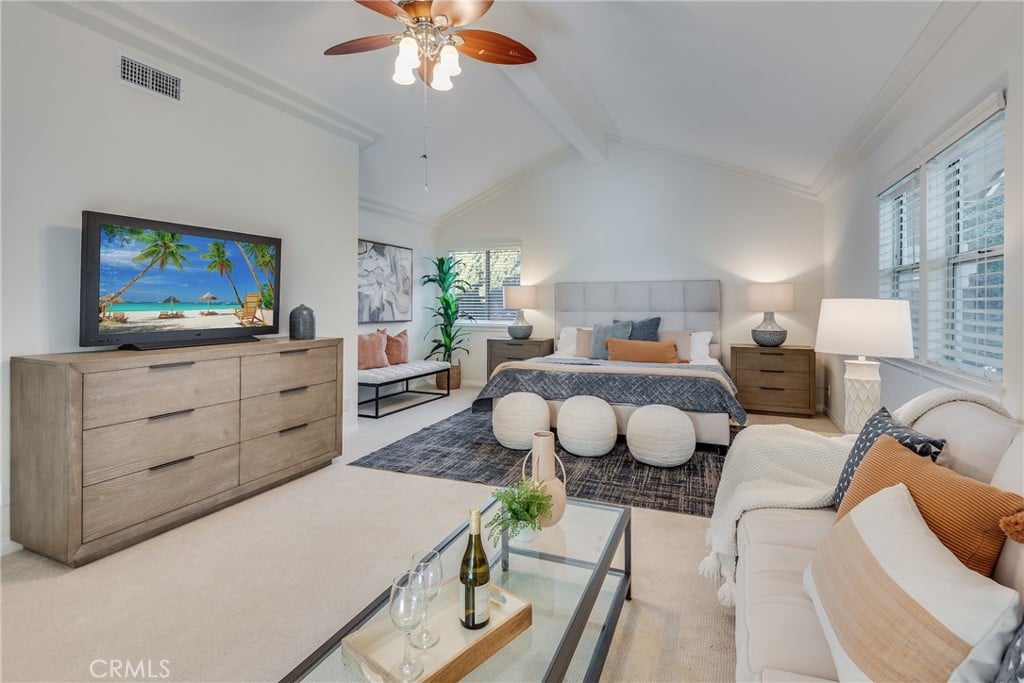
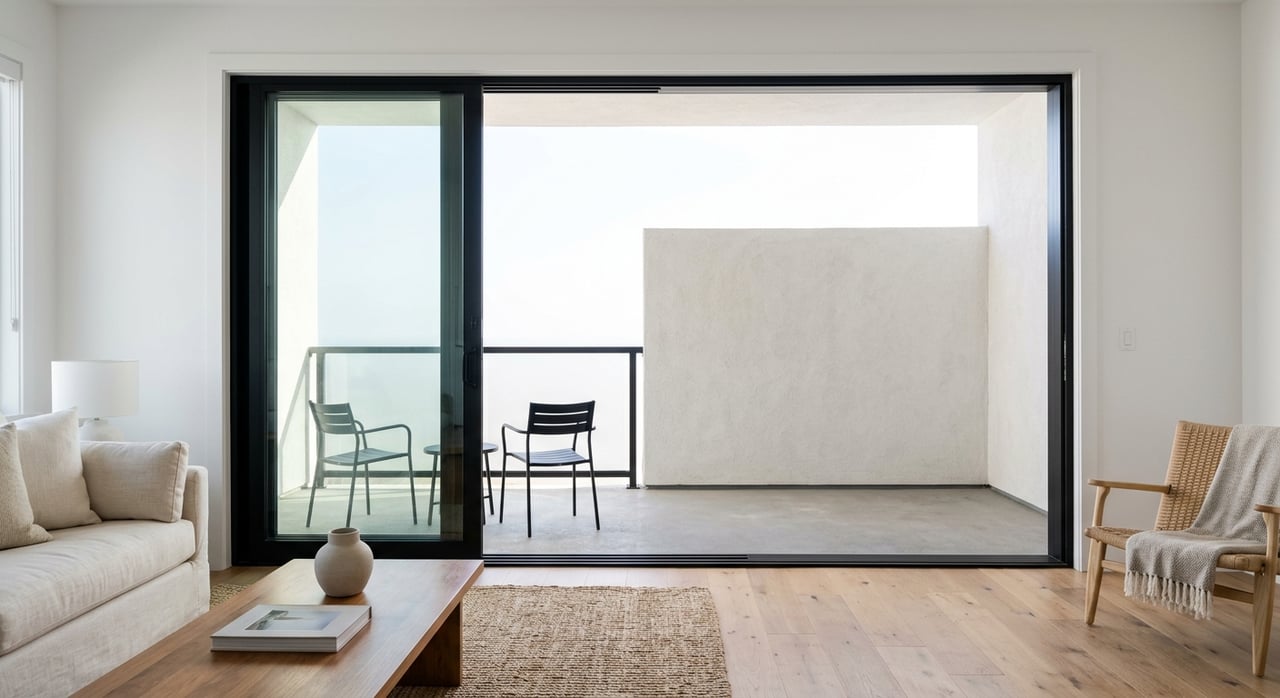
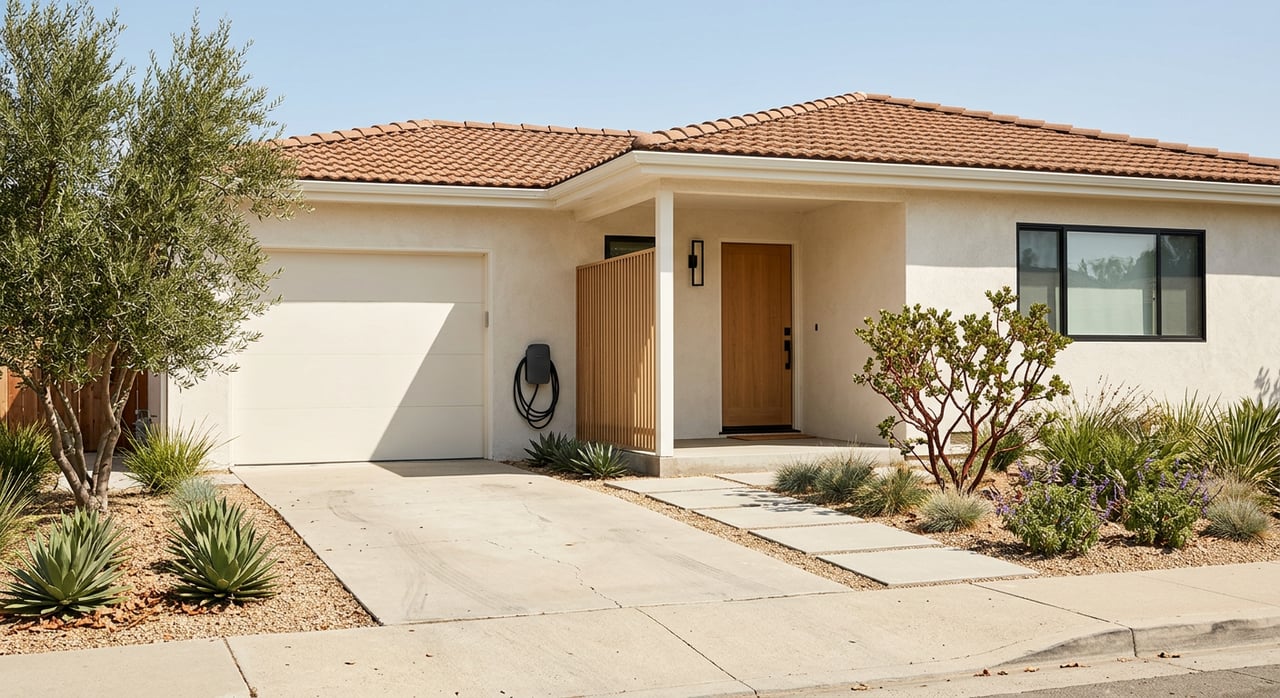
Detached homes remain highly desirable, but they are not realistic for every budget or lifestyle. Additional multifamily housing could give buyers more ways to live in Redondo Beach, especially those seeking a lower-maintenance property or a smaller footprint.
That does not mean new homes will automatically be affordable. Coastal land, labor, financing, and construction costs can still drive prices up. However, a broader mix of property types could create options beyond the traditional detached-home market.
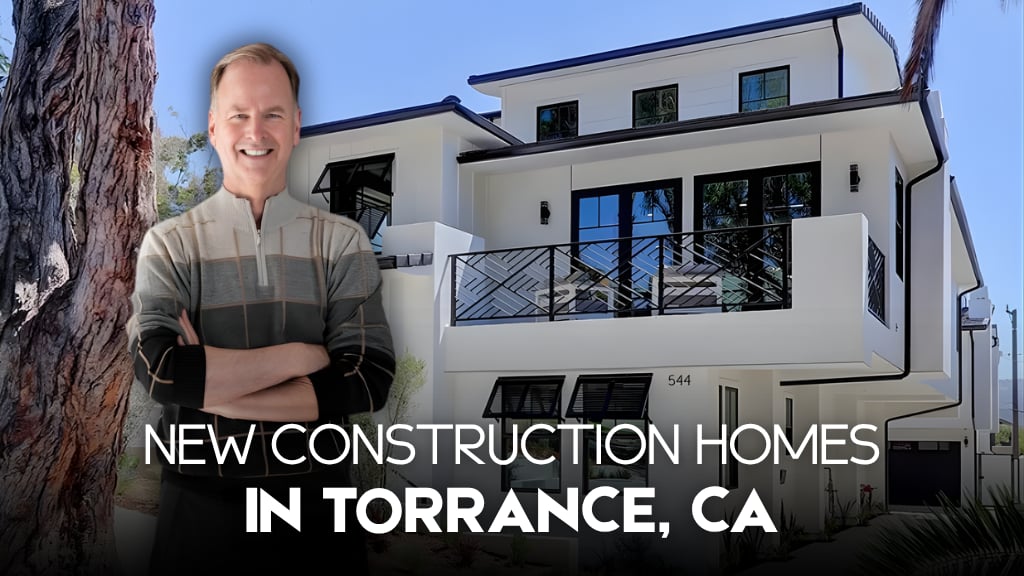
As a top-performing South Bay real estate professional, Dennis Hartley has seen buyers adjust their searches once they understand the differences between North Redondo, South Redondo, condominiums, townhomes, detached homes, and shared-lot properties. Future development may make those comparisons even more important.
Mixed-Use Projects Could Bring Housing Closer to Daily Conveniences
Some housing sites may eventually combine residences with shops, restaurants, offices, or services. For buyers who value walkability and convenience, that could create appealing alternatives to quieter residential streets.
Mixed-use living will not fit everyone. Parking, traffic, noise, building design, and surrounding businesses can all affect the experience. Buyers will still need to look beyond the unit itself and decide whether the location works for their daily routine.
More Housing Capacity Does Not Guarantee Lower Prices
A major goal of housing planning is to create room for additional supply, but greater development capacity does not automatically produce lower prices.
A newly built condominium in a desirable coastal city can still be expensive. The Housing Element may support more choices over time, but land values, construction costs, mortgage rates, and buyer demand will continue shaping what homes cost.
Realtor.com listed approximately 230 Redondo Beach homes for sale in July 2026, with a median listing price near $1.61 million. Recent data also described the city as a seller’s market, showing why even gradual additions to inventory could matter.
The citywide numbers do not tell the whole story. Condominiums, townhomes, and detached homes can occupy very different price ranges, while North and South Redondo offer distinct housing styles, locations, and ownership experiences.
Buyers May Gain More Choices and More Questions
The clearest potential benefit of the revised plan is a broader housing pipeline. Over time, buyers could see more attached homes, new mixed-use projects, and residential opportunities in areas that have traditionally offered fewer choices. With those opportunities will come a different kind of due diligence.
New Developments Need More Than a Beautiful Model Home
Buyers considering future construction may need to evaluate homeowners association fees, builder contracts, warranties, parking, shared amenities, rental restrictions, and completion timelines.
The advertised price may not include upgrades, association costs, or all closing expenses. Buyers should compare the full monthly cost with established condominiums, townhomes, and detached homes nearby.
We have helped hundreds of buyers and sellers navigate Redondo Beach and the wider South Bay, and one lesson comes up repeatedly: newer does not always mean better. Established homes may offer more space, lower association fees, mature neighborhoods, or locations that cannot easily be recreated.
The Surrounding Neighborhood Will Still Matter
Two developments built under similar zoning can feel completely different based on access, parking, nearby businesses, schools, traffic, and distance from the beach.
Buyers should review city planning pages, zoning maps, public notices, and proposed projects when considering an area that may change over time.
Current Homeowners May See Gradual Neighborhood Change
Homeowners near potential housing sites may eventually notice new buildings, residents, businesses, or pedestrian activity. Some projects could replace older or underused properties, while others may create temporary construction, parking, or traffic concerns.
The keyword is gradual. A planning designation does not mean every eligible property will change, and redevelopment is likely to happen one project at a time.
Redondo Beach’s Housing Element also connects with broader planning for land use, transportation, safety, public spaces, and infrastructure. That matters because successful housing growth depends on more than adding units. Roads, utilities, services, and neighborhood design must also adapt.
The Changes Will Take Years, Not Months
Redondo Beach released additional Housing Element revisions for public review in 2026 and continued moving the plan through state feedback, Planning Commission review, and City Council consideration. That process reinforces the most important takeaway for buyers: the updated strategy creates a framework for future housing, not instant inventory.
Someone purchasing now should not assume a nearby site will be redeveloped next year. At the same time, a buyer planning to remain for a decade may want to understand how surrounding corridors could evolve.
What Buyers Should Watch Moving Forward
Buyers do not need to become zoning experts, but they should pay attention to a few practical details.
Focus on Specific Sites
Citywide planning headlines can feel abstract. The real impact becomes clearer when buyers identify which properties or corridors are included and how close they are to the neighborhoods under consideration.
Confirm the Project Stage
A proposed zoning change, adopted plan, approved development, and active construction site are four very different things. Always verify what has actually been approved.
Match the Plan to Your Timeline
A short-term buyer may care more about current construction, while a long-term owner may place greater weight on how the neighborhood could change over several years.
Redondo Beach Is Planning for More Homes, Not Reinventing Itself Overnight
The updated Housing Element could gradually encourage more multifamily housing, mixed-use development, accessory dwelling units, and homes in a wider range of sizes.
What it cannot do is guarantee lower prices, immediate inventory, or appreciation in any neighborhood. The actual impact will depend on which projects move forward, what gets built, and how buyers respond when those homes reach the market.
Thinking about buying or selling in Redondo Beach as the city’s housing landscape evolves? Contact Dennis Hartley for experienced South Bay guidance, neighborhood-level insight, and help understanding how future development may affect your real estate plans.
FAQs About the Redondo Beach Housing Element
What is the Redondo Beach Housing Element?
It is the city’s long-term plan for accommodating housing needs and meeting California’s planning requirements.
Will the update create homes immediately?
No. It creates development capacity, but projects may take years to receive approval, financing, and construction.
What kinds of housing could be encouraged?
The plan may support more condominiums, apartments, mixed-use projects, townhome-style residences, and accessory dwelling units.
Could it make Redondo Beach more affordable?
Possibly over time, but there is no guarantee. Construction costs, demand, and location will still influence pricing.
How can buyers track future projects?
Review city planning pages, zoning maps, public notices, and Planning Commission or City Council agendas.
About Dennis Hartley
Dennis Hartley is a top-performing South Bay Realtor who has completed more than 920 lifetime home transactions and helped hundreds of buyers and sellers successfully navigate the Redondo Beach real estate market. Known for his deep local knowledge and client-first approach, Dennis has earned 73 five-star Google reviews and 56 five-star Zillow reviews from clients throughout Redondo Beach, Hermosa Beach, Manhattan Beach, and the surrounding South Bay communities.
Whether you're relocating from another part of California or moving from out of state, Dennis provides the local expertise, market knowledge, and guidance needed to make a confident move to the South Bay.
I kept the content intact and only organized it into clear H1/H2/H3 headings, paragraphs, and FAQ sections.